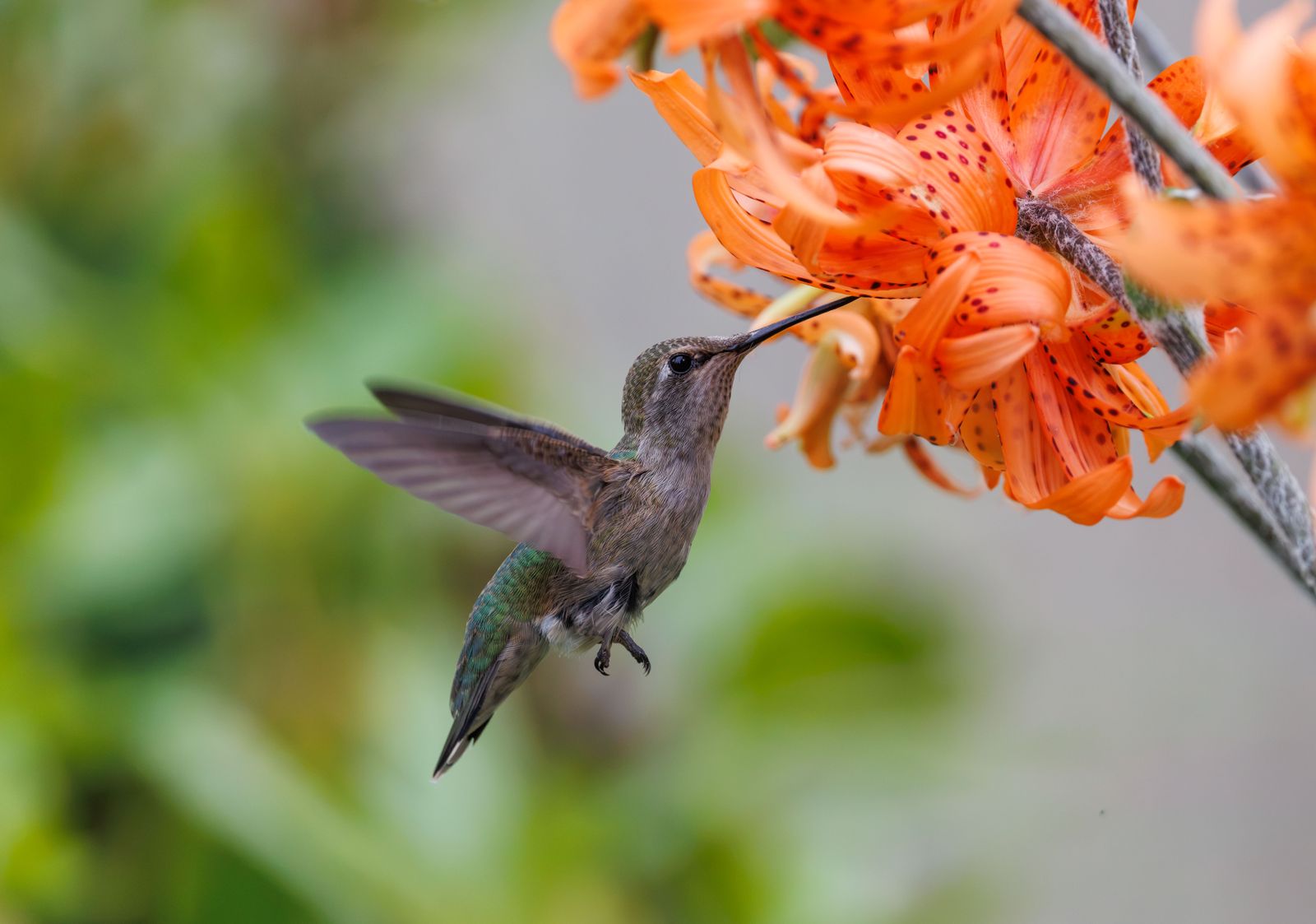
Hanging Solar Hummingbird Feeder Pathway Placement & Styling Guide
Apply the 5-12-6 placement formula: elevate your solar hummingbird feeder 5 feet above ground level, maintain 12 feet of territorial separation between units, and position the top solar cap to receive 6 hours of direct sunlight while the 32 fl.oz glass reservoir rests in microclimate shade.
Essential Placement & Styling Principles
- Weight Load Math: Hand-blown glass reservoirs filled with 32 fl.oz of nectar weigh nearly 4 lbs. Always select hardware rated for 10+ lbs.
- Territorial Buffer: Male hummingbirds defend a 10-to-15-foot radius. Spacing feeders at least 12 feet apart prevents aggressive dogfights.
- Dual Microclimate Zones: Position top solar caps outward to catch southern sunlight for a full 8-hour RGB night illumination while shielding nectar from 2 PM summer heat spikes.
- 60-Inch Safety Line: A strict 5-foot (60-inch) minimum ground clearance protects feeding birds from domestic predators while keeping sightlines at comfortable eye level.
- Nighttime Eco-Safety: Automatic dusk-to-dawn RGB lighting adds magical pathway ambiance without disturbing birds, which roost in dense foliage far from ambient light sources.
- Weight Load Math: Hand-blown glass reservoirs filled with 32 fl.oz of nectar weigh nearly 4 lbs. Always select hardware rated for 10+ lbs.
- Territorial Buffer: Male hummingbirds defend a 10-to-15-foot radius. Spacing feeders at least 12 feet apart prevents aggressive dogfights.
- Dual Microclimate Zones: Position top solar caps outward to catch southern sunlight for a full 8-hour RGB night illumination while shielding nectar from 2 PM summer heat spikes.
- 60-Inch Safety Line: A strict 5-foot (60-inch) minimum ground clearance protects feeding birds from domestic predators while keeping sightlines at comfortable eye level.
- Nighttime Eco-Safety: Automatic dusk-to-dawn RGB lighting adds magical pathway ambiance without disturbing birds, which roost in dense foliage far from ambient light sources.
Pergola & Pathway Elevation Layout Schematics
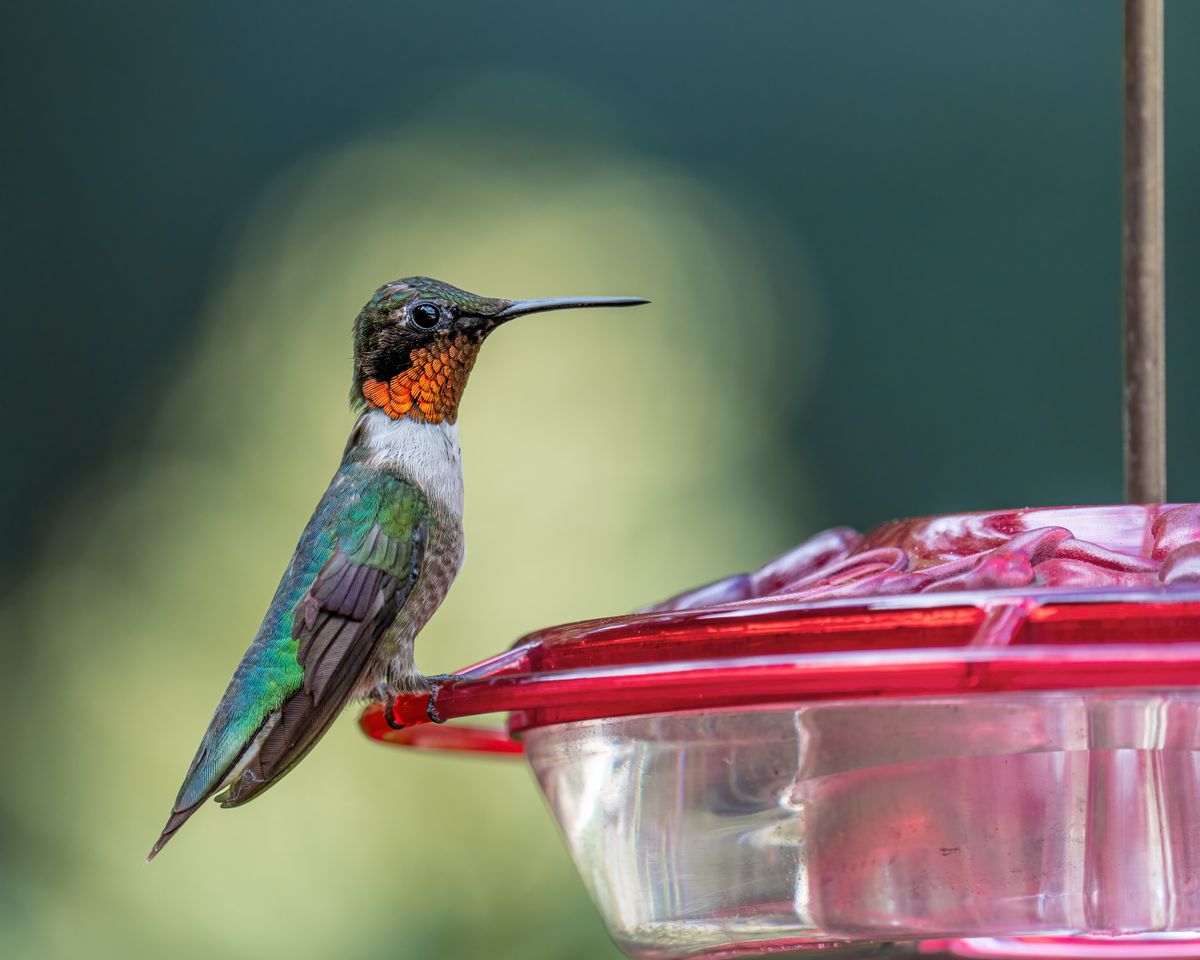
Photo by Skyler Ewing on Pexels
Refer to this spatial blueprint when calculating drop chain lengths under pergola joists or positioning heavy shepherd hooks along flagstone borders.
Styling Scenarios: Pergola Beams vs. Winding Walkways
Covered Wooden Pergola Framing (10ft x 12ft) — Anchor stainless steel eye-bolts into the outer southern rafter tails using a 12-inch extension chain. This projects the top solar cap past the roof eave line to capture 6 hours of direct sun while keeping the 32 fl.oz hand-blown glass jar submerged in cool rafter shade.
30-Foot Flagstone Garden Walkway — Stagger 65-inch heavy-duty dual shepherd hooks every 12 feet along alternating sides of the path. This creates a balanced visual runway of RGB light at night while preventing territorial sightlines between rival hummingbirds during day hours.
Compact Patio Perimeter & Brick Wall — Install wall-mounted heavy-duty swivel extension arms at a 60-inch height. Swing the arms outward toward sunlit garden edges during high-sun hours and align along pathway borders for evening RGB patio lighting.
Tailor your layout based on your garden's hardscaping and architectural structures to maximize both bird visits and evening visual magic.
Pre-Installation Hardware & Safety Checklist
- [ ] Verify hanging hook load capacity supports at least 5 lbs (accounting for 32 fl.oz nectar + heavy glass body).
- [ ] Ensure ground clearance is at least 5 feet (60 inches) to protect against domestic cats and predators.
- [ ] Position top solar cap to receive 4–6 hours of direct sun while bottom glass jar is protected from harsh 2 PM heat.
- [ ] Install an ant moat above the hanging loop, applying a thin coat of food-grade oil inside the cup.
- [ ] Space adjacent feeders at least 10–12 feet apart or out of direct line-of-sight to prevent territorial fighting.
- [ ] Use locking S-hooks or screw-gate carabiners in wind-prone pergola areas to prevent accidental unhooking.
5 Placement Mistakes That Ruin Nectar & Deter Birds
1. Deep Shade Pergola Mounting
Hanging feeders entirely under dense, covered pergola ceilings starves the top solar panel. Without 4 to 6 hours of direct sunlight, the internal lithium battery cannot power the 8-hour nighttime RGB ambient lighting.2. High-Density Feeder Clustering
Placing multiple feeders within 3 to 5 feet of each other along a single walkway rail triggers intense territorial defense. A single dominant Ruby-throated or Anna's male will monopolize the entire cluster, chasing away smaller visitors.3. Full 2 PM Direct Sun Exposure on Glass
Exposing the 32 fl.oz hand-blown glass reservoir to unshaded afternoon heat spikes causes liquid nectar to ferment rapidly within 24 to 48 hours. Fermented nectar breeds dangerous mold and repels hummingbirds.4. Underestimating Artisanal Glass Weight
Standard plastic plant hangers often flex or snap under heavy hand-blown glass. Artisanal glass crafted at 2,300°F paired with 32 fl.oz of nectar creates a 3.8-lb load that demands heavy-duty anti-rust metal hardware.5. Centering Feeders Directly Over Walkway Centers
Placing feeders directly over central footpaths risks nectar drips on passing guests during high-wind days. Always offset mounting hooks 18 inches off the main walking surface into soft garden beds.Frequently Asked Placement & Nighttime Lighting Questions
Answers to essential mid-page questions about avian behavior, pest defense, and wind stability.
Visual Gallery: Hand-Blown Glass Accents in Daytime & Twilight
Observe how artisanal hand-blown glass transitions from vivid daytime sun-catcher to luminous evening garden illumination.
Mounting Options Compared: Criteria Matrix
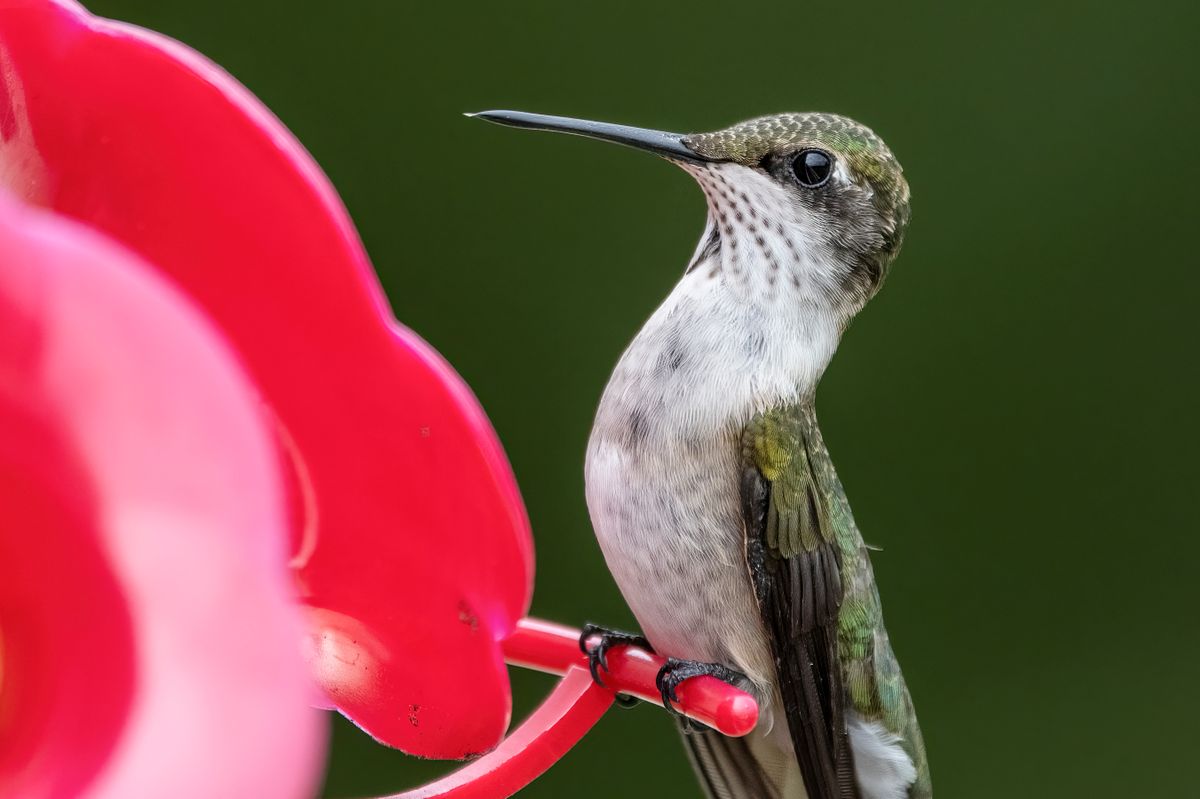
Photo by David Dibert on Pexels
| Assessment Criteria | Pergola Outer Rafters | Pathway Shepherd Hooks | Patio Wall Swivel Extensions |
| --- | --- | --- | --- |
| Ideal Hanging Height Range | 5.5–6.0 ft | 5.0–5.5 ft | 5.0–6.0 ft |
| Solar Charging Potential | High (with 12" extension past eave) | Maximum (100% open sky) | Moderate (depends on wall orientation) |
| Nectar Heat Protection | Excellent (overhead rafter shade) | Moderate (requires nearby shrub shade) | Good (partial structure shade) |
| Wind Stability Rating | Maximum (anchored eye-bolts) | Moderate (flexes in 25+ mph wind) | High (rigid metal wall bracket) |
| Pest Defense Ease | High (clean drop with ant moat) | High (isolated metal pole) | Moderate (keep clear of wall climbers) |
Evaluate the top three mounting configurations against structural stability, solar exposure, and pest defense.
Expert Tip: Balancing Solar Charging with Nectar Preservation
Here is an advanced microclimate technique: use the Eave-Drip Offset Method.
When mounting under pergolas, hang the top solar cap 2 to 4 inches outside the roof drip line using a angled swivel arm or extended S-hook. Because sunlight strikes at an angle throughout the morning and early afternoon, the solar panel receives full sun while the hanging 32 fl.oz glass reservoir drops back into the cool shadow cast by the pergola rafter. You achieve a full 8-hour RGB night charge without overheating your nectar!
Featured Feeder for Pathway & Pergola Styling
Upgrade your garden sanctuary with the handcrafted centerpiece designed specifically for day-to-night outdoor living.
Action Plan: Execute Your Garden Layout
Your decision: Determine whether your setup relies on pergola eave hooks or ground-anchored shepherd hooks based on sun angles.
Do this next: Measure your pathway length, install stainless steel eye-bolts or 65+ inch shepherd hooks, and hang feeders at a 5-foot clearance.
Related resource: https://solarhummingbirdfeeder.com/buyers-guide-hand-blown-glass-solar-hummingbird-feeders
LUJII Hand-Blown Glass Solar Hummingbird Feeder (32 fl.oz)
Ready to bring handcrafted art and glowing hummingbirds to your garden path? Take these quick action steps to set up your outdoor haven.
Explore More Garden Lighting & Wildlife Guides
Link to relevant cluster articles on garden lighting and feeder care.
Cover photo by Veronika Andrews on Pexels.