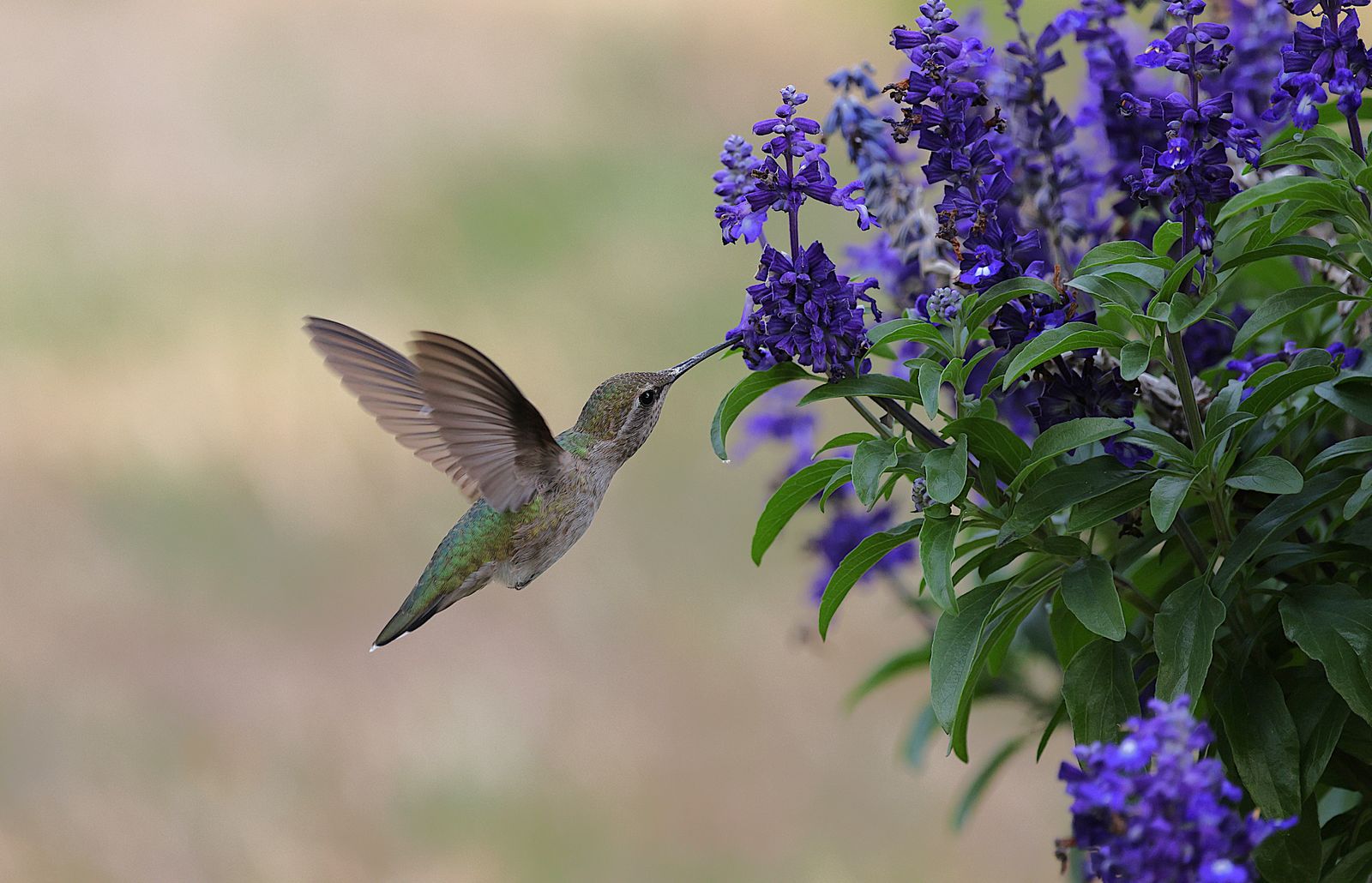
How to Pair Solar Hummingbird Feeders with Water Misters for a Whimsical Backyard Sanctuary
Imagine setting up a delicate micro-mister to give your hummingbirds a cooling splash on a sweltering July afternoon, only to realize water spray is drifting toward your artisanal glass feeder, threatening to dilute the sugar nectar or seep into the solar panel cap.
To safely pair a water mister with a solar glass hummingbird feeder, position the mister nozzle 4 to 6 feet upwind from the feeder, angling the spray across nearby tree foliage rather than directly at the feeder. This allows hummingbirds to leaf-bathe naturally while keeping the feeder's protective solar cap, anti-rust metal base, and 32 oz nectar reservoir completely dry.
Pre-Flight Mister & Feeder Safety Verification
- [ ] Position mister nozzle at least 4 to 6 feet away from the solar glass feeder.
- [ ] Check local wind direction to ensure mist drifts away from feeder ports.
- [ ] Confirm plastic solar cap is firmly seated to block ambient moisture.
- [ ] Verify mist spray lands primarily on leaves/foliage for hummingbirds to leaf-bathe.
- [ ] Attach an inline calcium filter if using municipal or hard well water to protect hand-blown glass.
Step-by-Step Installation: Positioning Your Mister and Solar Feeder
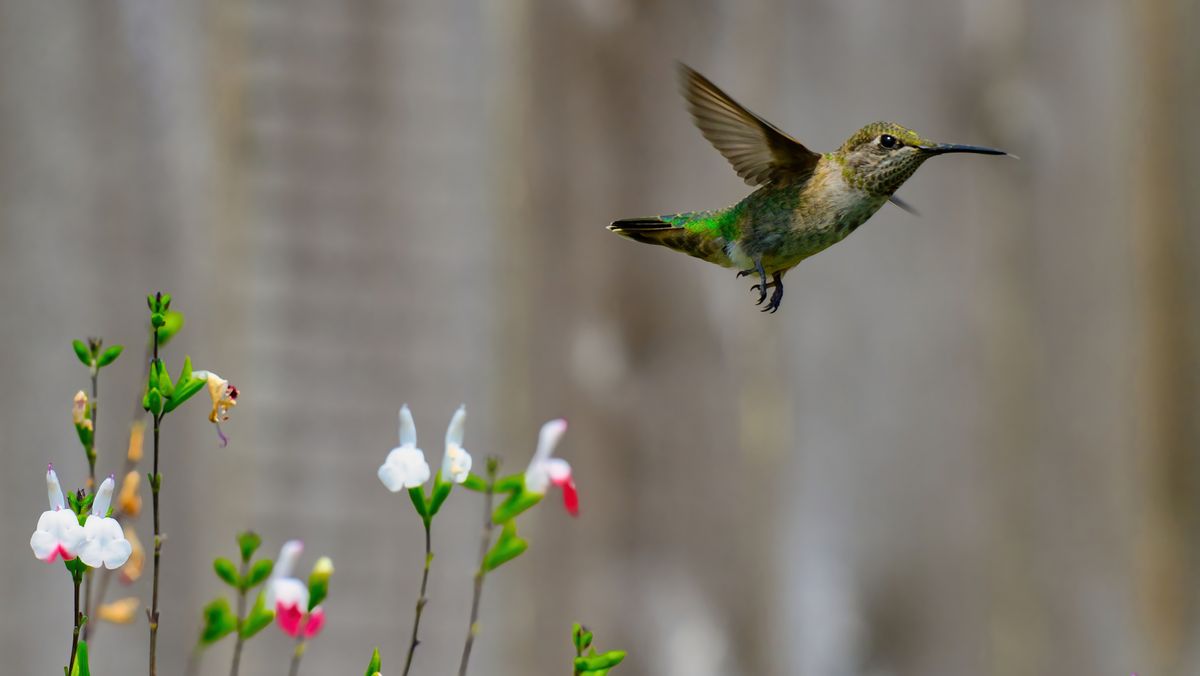
Photo by Townsend Walton on Pexels
Creating a dual-attraction sanctuary requires balancing water movement with nectar protection. Follow these five precise setup steps to build an enchanting, safe haven for your hummers.
Step 1: Calculate Prevailing Breeze and Water Drift
Identify the dominant afternoon wind direction in your yard. Misters create ultrafine droplets that float on the lightest breeze. Always position your mister downwind or crosswind from the solar feeder, or maintain at least a 6-foot clearance if the mister sits upwind.Step 2: Mount the Mister Against Dense Foliage
Hummingbirds rarely fly straight into a heavy jet of water. Instead, they love 'leaf-bathing'—sliding and rubbing their tiny bellies across wet leaves. Attach your micro-mister nozzle to a leafy branch of a dogwood, maple, or garden trellis so the mist coats the leaves gently.Step 3: Establish the 4-to-6-Foot Feeder Dry Zone
Hang your hand-blown glass feeder on an independent shepherd's hook or sturdy branch 4 to 6 feet away from the direct mist cone. This spatial buffer prevents drifting moisture from pooling on the feeding ports or seeping into the nectar ports.Step 4: Secure the Plastic Solar Cap & Metal Base
Inspect your feeder's upper plastic solar housing. Ensure the cap is properly aligned and flush against the glass bottle shoulder. The cap shields internal RGB LED wiring from rain and light ambient drift, while the anti-rust coated metal base resists corrosion from outdoor atmospheric humidity.Step 5: Test Water Pressure and Observe First Visitors
Turn on your water supply at low pressure. Adjust the mist nozzle until you see a soft, floating cloud that wets nearby foliage without creating heavy water drops on your feeder glass. Watch over the next 24 hours as hummingbirds dart between cooling leaf baths and sweet nectar refills.Expert Microclimate Tip: Foliage Bouncing & Evaporative Cooling
Angle your mister nozzle slightly upward into the underside of a leafy canopy rather than spraying outward into empty air. Leaf surfaces catch fine droplets and create a localized high-humidity cooling pocket. Micro-misting can lower ambient air temperatures around nearby foliage by 5°F to 10°F on hot summer days. This evaporative cooling indirectly slows nectar fermentation in shaded feeders nearby without placing moisture directly on the glass reservoir.
Sanctuary Layout Planning
Your decision: Determine your garden layout scenario and measure a 4 to 6 foot buffer zone upwind from your ideal solar feeder viewing spot.
Do this next: Install an inline hose mineral filter, mount your mister so spray hits surrounding foliage, and hang your solar glass feeder in the protected dry zone.
Related resource: Explore our comprehensive guidance on protecting handcrafted glass garden art across changing weather conditions.
Elevate your sanctuary with the LUJII Hand-Blown Solar Hummingbird Feeder featuring vibrant RGB twilight lights and a rust-resistant metal base.
Once you have selected your ideal garden location, measure your layout clearances before installing mounting hooks.
Core Principles of Water & Solar Feeder Synergy
Keep these essential rules in mind as you design your outdoor habitat:
Mister Placement Choices: Tree Canopy vs. Independent Shepherd's Hooks
Selecting the right mister mounting location protects solar electronics while maximizing hummingbird leaf-bathing behavior.
Best choice for
- Tree Branch Overhead Micro-Mister — Allows mist to collect on broad leaves where hummingbirds prefer to leaf-bathe, keeping direct mist away from the solar feeder.
- Dual Shepherd's Hook Line-of-Sight Mount — Provides precise distance control (6 feet apart) on independent stakes to prevent moisture drift onto the solar cap.
- Avoid mounting the mister on the exact same pole directly above the solar feeder cap.
- Avoid un-filtered hard well water without inline nozzle filters, which causes mineral crusting on hand-blown glass.
- Solar Water Dripper Attachment — Provides gentle water movement on perches with zero wind-drift or spray risk to surrounding solar caps.
Recommended Setup Gear for Your Hand-Blown Solar Sanctuary
To achieve a mesmerizing, functional backyard centerpiece, combine handcrafted glass art with modern solar efficiency.
🌟 LUJII Solar-Powered Hummingbird Feeder 🌟
- Hand-Blown Glass Art: Every reservoir is individually mouth-blown at 2,300°F by skilled artisans, giving your garden a unique, jewel-toned centerpiece with translucent walls for effortless nectar monitoring.
- Solar Power & RGB Lights: Features an integrated solar cap that charges during the day and automatically casts a magical RGB glow across your yard for up to 8 hours at night.
- Leak-Proof & Weather-Resistant: Built with a generous 32 fl. oz capacity, slender leak-preventing reservoir shape, sealed base, anti-rust metal finish, and a protective solar cap designed to withstand sun, rain, and summer storms.
Mist Spray Scenarios & Distance Safety Matrix
| Yard Scenario | Prevailing Breeze Level | Recommended Buffer Distance | Solar Cap Protection Priority | Hummingbird Interaction Zone |
| --- | --- | --- | --- | --- |
| Sheltered Patio / Garden Nook | Low (0–3 mph) | 4 Feet | Standard overhead canopy shield | Direct leaf-rubbing on potted shrubs |
| Open Windy Backyard | Moderate to High (5–12 mph) | 6 to 8 Feet (Upwind) | High; position feeder clear of drift cone | Air-hovering through floating vapor |
| Densely Wooded Yard Edge | Variable Light Breezes | 5 Feet | Moderate; watch for dripping branch runoff | Canopy leaf-bathing on tree leaves |
| Urban Balcony / Small Terrace | Channelled Wind Gusts | 6 Feet (Side-by-Side) | High; use inline mister baffle or drip plate | Perch-splashing near foliage pots |
Review how different yard environments affect mist drift and feeder placement rules.
Diagram Specification: The Ultimate Hummingbird Sanctuary Layout
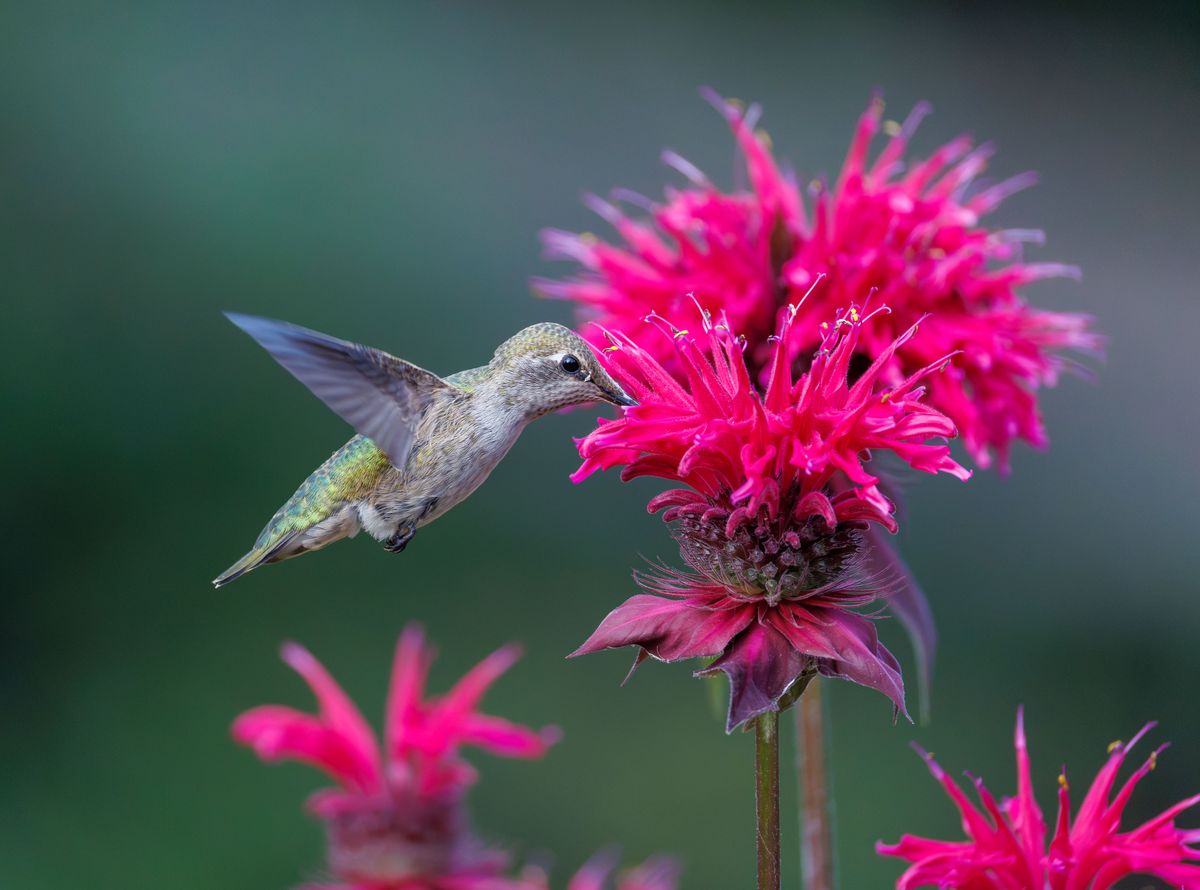
Photo by Veronika Andrews on Pexels
The diagram below illustrates spatial relationships, wind drift vectors, and lighting zones for a dual mister and solar feeder setup.
5 Pitfalls That Dilute Nectar or Damage Solar Caps
Avoid these common setup errors to keep your birds healthy and your solar glass feeder shining brightly:
Sanctuary Maintenance & Seasonal Adjustments Timeline
- Daily (Summer) — Check nectar level through the translucent glass reservoir; inspect solar cap panel for dust or foliage debris.
- Weekly — Wipe down hand-blown glass exterior with a soft micro-fiber cloth; empty and refill nectar reservoir with fresh 4:1 solution.
- Monthly — Soak micro-mister brass nozzles in warm white vinegar for 30 minutes to clear calcium deposits; inspect anti-rust metal base.
- Autumn / Winter Transition — Flush water lines, drain mister system to prevent freeze damage, and store solar feeder indoors during hard frost conditions.
Related Sanctuary Design Guides
- The Ultimate Guide to Solar Hummingbird Feeders: Placement, Lighting, and Care
- Best Solar Hummingbird Feeders for Nighttime Garden Ambiance (2025 Buying Guide)
- Are Solar Hummingbird Feeders Waterproof? Complete Weatherproofing & Rain Safety Guide
Frequently Asked Questions About Misters & Solar Glass Feeders
Got questions about mineral spots, nectar preservation, or night lighting? Here are expert answers for backyard birding enthusiasts.
Next Steps for Your Sanctuary Layout
Your decision: Determine your garden layout scenario and measure a 4 to 6 foot buffer zone upwind from your ideal solar feeder viewing spot.
Do this next: Install an inline hose mineral filter, mount your mister so spray hits surrounding foliage, and hang your solar glass feeder in the protected dry zone.
Related resource: Explore our comprehensive guidance on protecting handcrafted glass garden art across changing weather conditions.
Elevate your sanctuary with the LUJII Hand-Blown Solar Hummingbird Feeder featuring vibrant RGB twilight lights and a rust-resistant metal base.
Take the next step toward building your ultimate garden oasis today.
Cover photo by Veronika Andrews on Pexels.