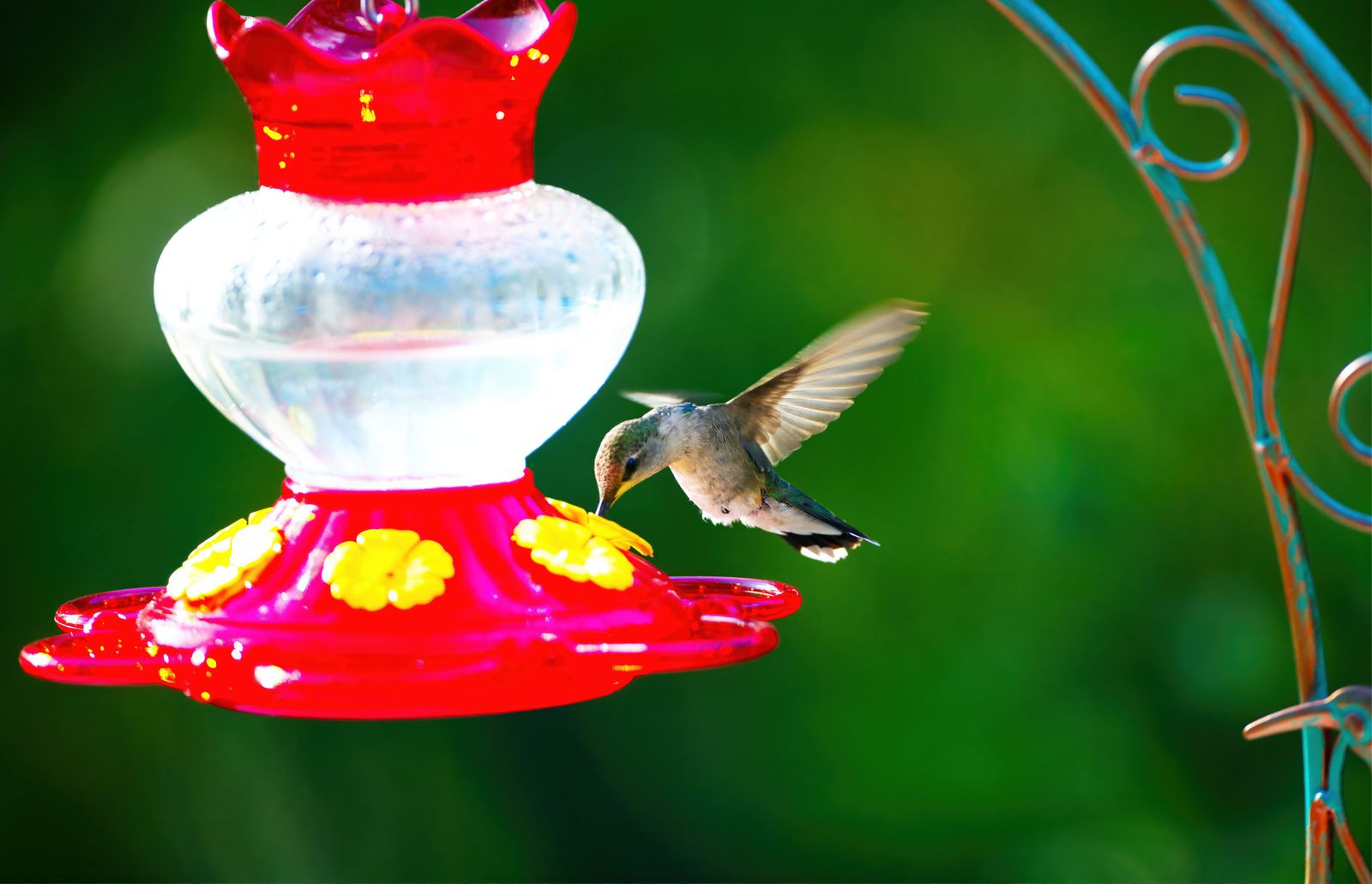
How to Clean Artisan Glass Hummingbird Feeders Safely
Are you wondering how to sanitize your solar glass feeder without ruining its evening light show or cracking the hand-crafted reservoir? Never submerge the top solar cap. Separate the top module and wipe it clean with a damp microfiber cloth. Clean the hand-blown glass reservoir and metal base using a 1:4 distilled white vinegar to warm water solution—never boiling water or dishwashers.
Artisan Solar Feeder Cleaning Toolkit
- [ ] Distilled white vinegar (or 3% food-grade hydrogen peroxide)
- [ ] Lukewarm tap water (never boiling water, which causes thermal shock)
- [ ] Soft-bristled bottle brush or bendable micro-brush
- [ ] Uncooked long-grain white rice (for internal glass swirls)
- [ ] Microfiber towel (for wiping solar panel and metal base)
- [ ] Dry cotton swabs (for feeding port crevices)
Printable Step-by-Step Feeder Cleaning Summary
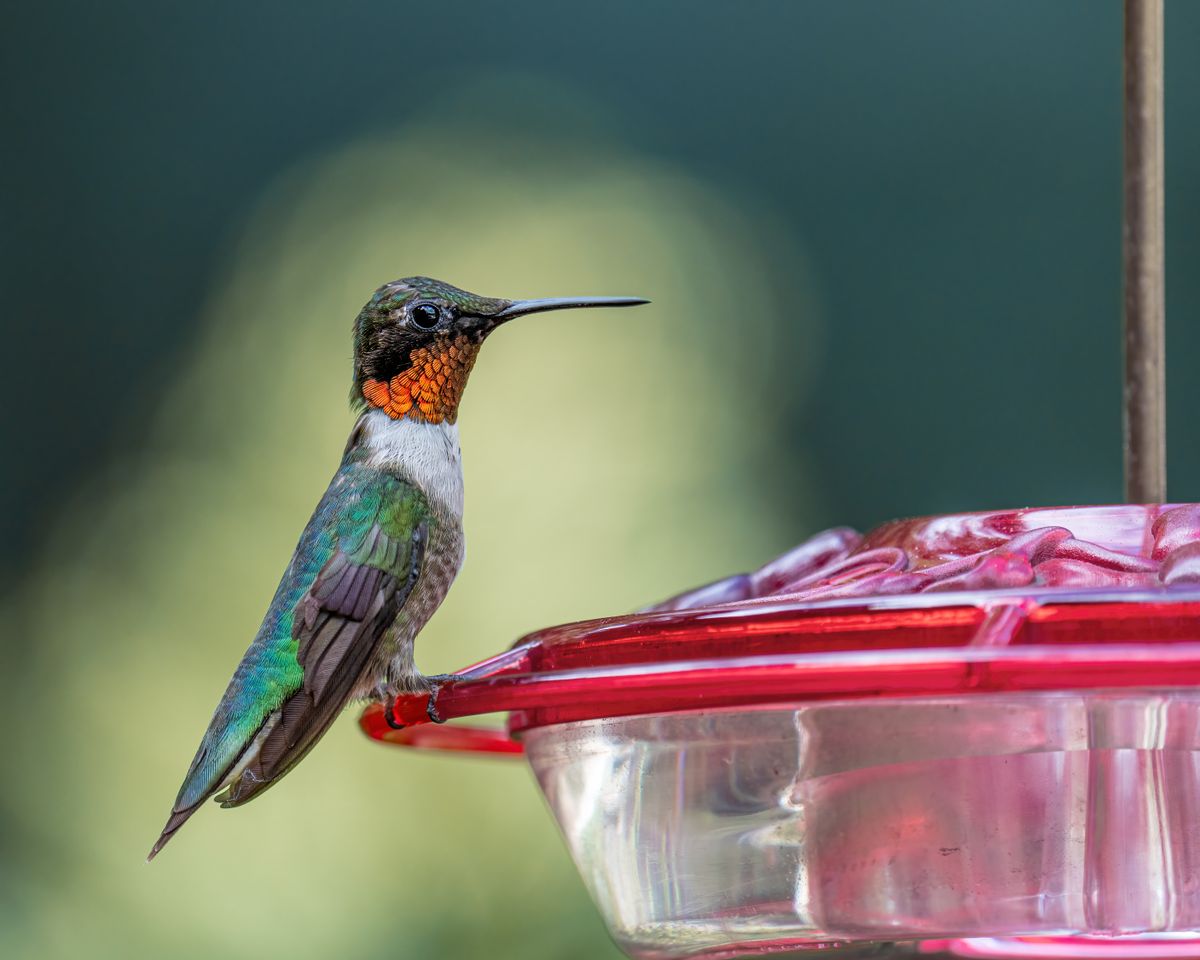
Photo by Skyler Ewing on Pexels
- 1. Twist and lift off the top solar cap; set it on a dry towel.
- 2. Empty and discard all leftover, fermented nectar down the drain.
- 3. Submerge the glass reservoir and metal base in warm 1:4 vinegar water for 10 minutes.
- 4. Scrub internal contours with a bottle brush or uncooked rice swirl.
- 5. Clean tiny nectar ports with a soft micro-brush or cotton swab.
- 6. Wipe the solar cap top lens gently with a damp microfiber cloth (do not rinse under running water).
- 7. Air dry all components completely in a shaded, well-ventilated spot.
- 8. Refill with fresh 4:1 white sugar nectar and reattach the solar cap securely.
Feeder Anatomy: Washable vs. Dry-Only Solar Components
Hand-blown solar hummingbird feeders combine heritage glass art with modern solar electronics. To keep both halves functioning flawlessly, you must treat each component according to its exposure rating.
Pro Tip: Protecting 2,300°F Hand-Blown Glass from Thermal Shock
Each artisan glass reservoir is shaped at 2,300°F by master glassblowers, leaving unique structural stress lines and color swirls that make your feeder a one-of-a-kind piece of art. However, sudden temperature swings (such as rinsing a hot, sun-baked feeder under ice-cold tap water, or scalding cold winter glass with boiling water) induce thermal shock, leading to invisible micro-fractures or sudden cracking.
Rule of Thumb: Always let your feeder adjust to room temperature for 15 minutes before introducing wash water. Never use boiling water to melt sugar crust—gentle lukewarm water dissolves sugar just as quickly without threatening the glass.
Troubleshooting Common Cleaning & Moisture Scenarios
| Scenario | Root Cause | Immediate Corrective Action | Prevention Strategy |
| --- | --- | --- | --- |
| Water droplets inside solar battery housing | Accidental submersion or high-pressure hose spray | Disconnect solar cap immediately. Remove battery cover, wipe dry, and let air-dry in a warm room for 24-48 hours before testing. | Never rinse solar caps under running water; use a wrung-out damp microfiber cloth. |
| Black mold in intricate hand-blown glass swirls | Nectar fermented in deep internal glass crevices | Pour 2 tbsp uncooked white rice, 2 tbsp vinegar, and 1/4 cup warm water into the globe. Swirl vigorously so grains scrub the crevices. | Clean feeder every 48 hours when outdoor temperatures exceed 85°F. |
| Base thread stuck or difficult to unscrew | Crystallized sugar nectar dried inside metal threads | Wrap a warm, damp cloth around the base joint for 5 minutes to dissolve sugar crystals before gently twisting. | Wipe base threads completely clean and dry before refilling with nectar. |
| White mineral haze on colorful glass exterior | Hard water deposit build-up from garden sprinklers | Soak glass reservoir in straight 5% white vinegar for 15 minutes, then wipe clean with a soft microfiber cloth. | Hang feeder clear of direct garden sprinkler overspray. |
If you encounter stubborn mold, moisture build-up, or sticky seals during your cleaning session, consult these scenario-based solutions before taking drastic measures.
Key Maintenance Rules for Long-Lasting Artisan Glass Feeders
- Separate First: Always remove the top solar housing before bringing liquid anywhere near the feeder.
- Avoid the Dishwasher: High heat cycles cause thermal shock cracking in 2,300°F hand-blown glass and melt silicone leak-proof gaskets.
- Say No to Soap: Dish soaps leave a subtle chemical film that hummingbirds can taste, deterring them from visiting your garden.
- Zero Chemical Bleach: Bleach fumes can poison hummingbirds; white vinegar kills mold naturally and rinses away completely cleanly.
- Dry Threads Fully: Moisture trapped in metal base threads can lead to mineral corrosion or sticky seals over time.
Temperature-Based Nectar & Cleaning Schedule
- Under 70°F (Spring / Late Fall) — Clean feeder and replace nectar every 5 to 7 days. Inspect solar lens weekly.
- 70°F – 84°F (Moderate Summer) — Clean feeder and replace nectar every 3 days. Check base seal for sugar buildup.
- 85°F – 92°F (Peak Summer Heat) — Clean feeder and replace nectar every 48 hours. Ensure feeder is shaded during mid-day.
- 93°F+ (Extreme Heatwaves) — Clean feeder and replace nectar every 24 hours. Fermentation occurs in under 12 hours in full sun.
5 Failure Modes That Ruin Solar Glass Feeders (And How to Avoid Them)
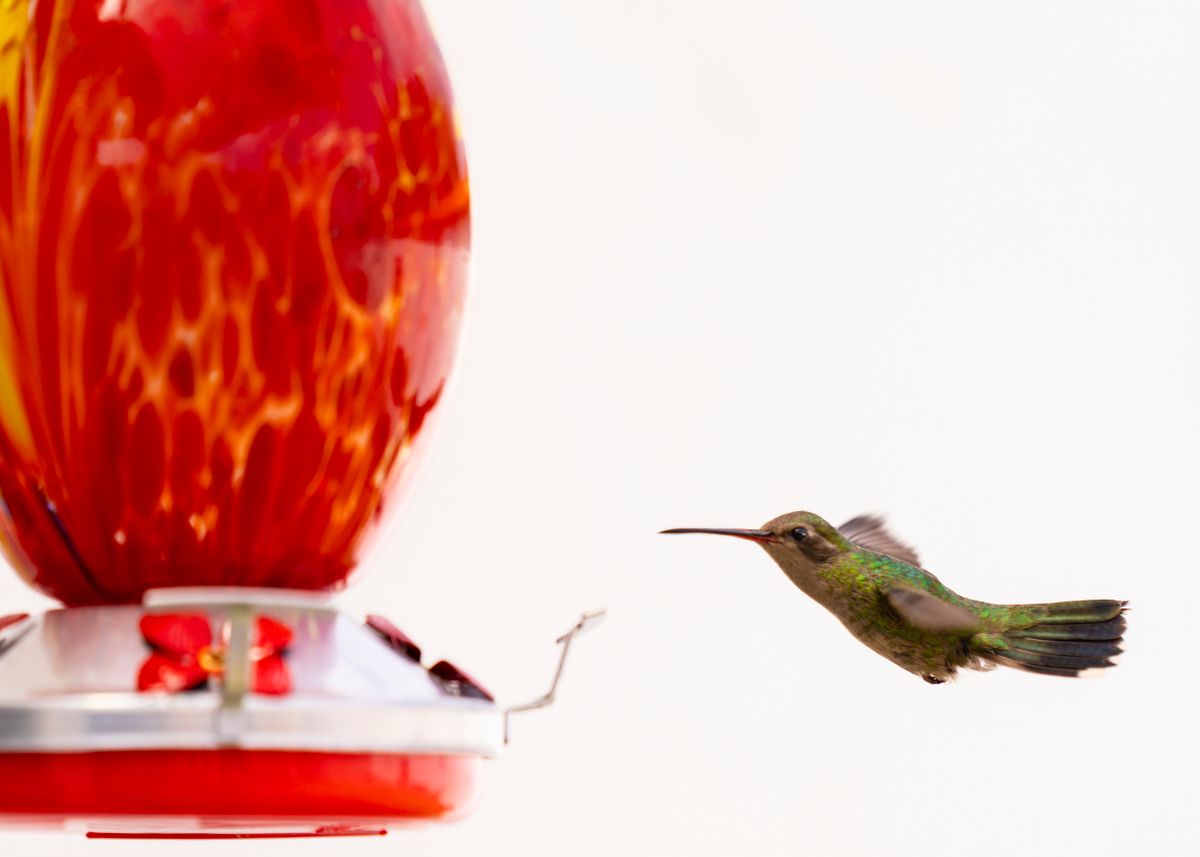
Photo by Iñaki TG Sweater on Pexels
Avoid these critical mistakes that cause structural glass damage, electrical shorts, or toxic conditions for visiting birds.
15-Minute Complete Cleaning Workflow
- Minutes 0:00 - 2:00 — Disassemble Feeder: Detach solar top cap and set aside on a dry towel. Unscrew metal base from glass globe.
- Minutes 2:00 - 4:00 — Initial Rinse & Soak: Dump old nectar. Fill a basin with warm water and 1 cup white vinegar; submerge glass body and base.
- Minutes 4:00 - 9:00 — Scrub & Detail: Brush internal glass walls with soft bottle brush. Use micro-brush on feeding ports and rubber gaskets.
- Minutes 9:00 - 11:00 — Solar Housing Maintenance: Wipe top solar panel with damp microfiber cloth. Inspect battery compartment seal for moisture.
- Minutes 11:00 - 15:00 — Final Rinse & Air Dry: Rinse glass and base in cool water. Towel-dry metal components and let glass air dry completely.
Expand Your Knowledge: Related Feeder Care Guides
Learn more about keeping your backyard birds healthy, making safe nectar recipes, and selecting the best garden lighting setups.
Frequently Asked Questions About Artisan Solar Feeder Care
Got specific questions about maintaining your solar glass feeder? Here are answers to the most common queries from bird enthusiasts.
Recommended Hand-Blown Solar Hummingbird Feeders
If you are looking to upgrade your garden decor with a leak-proof, hand-crafted feeder featuring brilliant evening RGB lighting modes, explore our flagship collection below.
Post-Cleaning Protocol & Reassembly
Your decision: Determine if your feeder needs routine sanitization or deep mold remediation.
Do this next: Detach the solar unit, mix a 1:4 white vinegar solution, and soak the artisan glass reservoir for 10 minutes.
- Read next: How to Make Safe DIY Hummingbird Nectar: The Ultimate 4:1 Recipe
- Read next: How to Maintain Solar Hummingbird Feeder Light
LUJII Hand-Blown Glass Solar Hummingbird Feeder (32 oz Capacity, Anti-Rust Metal Base)
Now that your feeder is sparkling clean, follow these final steps to ensure a safe, leak-proof setup for your feathered guests.
Cover photo by DANNIEL CORBIT on Pexels.