Easy-to-Clean Glass vs. Plastic Hummingbird Feeders: The Ultimate Pest-Free Buying Guide
Many gardeners assume lightweight plastic feeders are easier to sanitize, but plastic quickly develops microscopic surface scratches from cleaning brushes that harbor yeast and black mold. In direct sunlight, plastic threads warp and leak sugar water, creating trail lines for ants and yellowjackets. Non-porous hand-blown glass with sealed metal bases eliminates sugar traps and thermal leaks, delivering absolute pest control and effortless cleaning.
Quick Decision Matrix: Material Choice by Garden Scenario
Wide-mouth hand-blown glass feeders with sealed metal bases are superior for pest control because non-porous glass does not retain micro-scratches or fermenting sugar film. Plastic feeders, while budget-friendly, warp under heat and develop micro-grooves that trap mold and attract bees and ants.
Best choice for
- Hand-Blown Glass with Metal Base — Glass resists thermal expansion, preventing seal pressure changes that force nectar out of feeding ports.
- Wide-Mouth Glass with Gasketed Seals — Smooth glass surfaces rinse 100% clean of sugar residue, leaving zero olfactory scent trails for scout insects.
- Solar-Powered RGB Glass Feeder — Combines artisan aesthetic beauty and automatic night illumination with durable non-porous sanitization.
- You clean feeders using coarse wire scrubbers on plastic surfaces, which creates microscopic bacteria shelters.
- You leave nectar exposed to direct high winds without high-impact hanging hooks.
- Bottom-Fill Plastic Feeders — Budget option suitable only for shaded areas with low pest pressure and frequent daily nectar changes.
Top Pest-Deterring Feeder Recommendations
Engineered with artisan craftsmanship and leak-proof technology, these non-porous solar glass feeders keep nectar fresh while repelling garden pests.
Glass vs. Plastic Feeder Comparison for Pest Prevention
| Scenario / Condition | Hand-Blown Solar Glass Feeder | Standard Molded Plastic Feeder | Pest Control & Hygiene Winner |
| --- | --- | --- | --- |
| Peak Summer Heatwave (85°F to 100°F) | Maintains rigid seal structure; non-porous glass prevents rapid nectar boiling. | Plastic threads warp; internal air pressure pushes nectar out through ports. | Hand-Blown Glass |
| Deep Sanitization & Mold Removal | Wide-mouth opening allows easy bottle brush entry; glass withstands hot vinegar water without scratching. | Narrow neck resists standard brushes; nylon bristles create micro-scratches that harbor black mold. | Hand-Blown Glass |
| Wasp & Yellowjacket Defense | Smooth exterior washes 100% clean; zero sticky sugar film on outer reservoir walls. | Scratched plastic traps sticky sugar film, attracting scouting wasps and bees. | Hand-Blown Glass |
| Long-Term Weather & UV Resistance | UV-proof artisan color melted directly into glass at 2,300°F; never fades or cracks. | UV radiation degrades plastic, causing cloudiness, brittleness, and micro-cracks within 1–2 seasons. | Hand-Blown Glass |
| Nighttime Garden Aesthetics | Integrated solar cap powers multi-mode RGB lights; glass refraction creates glowing garden art. | No solar integration; dull plastic appearance after dusk. | Hand-Blown Glass |
Compare how glass and plastic feeders perform under real-world garden scenarios, high temperatures, and pest pressure.
Visualizing Hygiene: Step-by-Step Deep Sanitization Workflow
Proper sanitization protects hummingbirds from fungal disease while keeping electronics safe. Follow this quick visual workflow when cleaning your solar glass feeder.
Anatomy Breakdown: Glass vs. Plastic Micro-Scratch Pest Vectors
Microscopic surface analysis reveals why plastic feeders consistently trigger pest swarms compared to non-porous glass.
Expert Tip: Thermal Expansion & Nectar Leaks
When direct afternoon sunlight hits a hummingbird feeder, the air pocket above the liquid nectar heats up rapidly. In cheap plastic feeders, this expanding warm air exerts downward pressure. Combined with heat-softened plastic threads, nectar is forced out of the feeding ports, dripping onto the ground below. Ants can detect a single drop of sugar water from over 50 feet away using chemical olfactory receptors.
Pro Tip: Choose heavy hand-blown glass with a precision rubber/silicone base gasket. Glass acts as a thermal buffer, insulating the nectar air pocket and holding structural shape so seals remain airtight even under scorching 95°F midsummer sun.
Troubleshooting Nectar Leaks & Pest Invasions
| Symptom / Pest Issue | Root Cause | Immediate Fix | Preventative Design Feature |
| --- | --- | --- | --- |
| Ants crawling down hanging hook to ports | Lack of physical barrier; sugar scent on feeder body | Install a water-filled ant moat above the feeder and wipe body clean. | Integrated top moat or smooth glass neck preventing grip |
| Bees and yellowjackets swarming ports | Nectar level too high or outer base contaminated with drips | Wash base with warm water; lower fill volume slightly during heatwaves. | Recessed feeding ports with interior silicone drip guards |
| Nectar turning cloudy in under 48 hours | Rapid yeast fermentation caused by bacterial film in surface scratches | Deep soak glass in 1:2 white vinegar solution; move feeder to partial afternoon shade. | Non-porous hand-blown glass reservoir |
| Persistent slow drip from base threads | Degraded base gasket or misaligned plastic threads | Re-align base threads carefully; check silicone seal for food debris. | Coated metal base with heavy-duty silicone seal ring |
If you are experiencing ant trails, yellowjacket swarms, or cloudy nectar, identify the root cause and apply these permanent solutions.
Pros & Cons: Glass vs. Plastic Hummingbird Feeders
Pros
- Hand-blown glass is 100% non-porous and will never retain odor or fungal spores.
- Wide-mouth openings fit standard sponge bottle brushes for 30-second cleaning.
- Heavy glass weight prevents aggressive swinging during summer thunderstorms.
- Translucent colored glass allows easy visual monitoring of nectar capacity.
- Artisan colors melted at 2,300°F will never peel, fade, or leach toxins into nectar.
- Solar-powered RGB illumination turns functional feeding into stunning evening garden art.
- Glass requires careful handling on hard concrete patios during cleaning.
- Higher initial investment compared to mass-produced thin plastic feeders.
Editor’s Choice: The Ultimate Pest-Proof Solar Glass Feeder Setup
For home gardeners seeking an easy-to-clean feeder that completely stops ant and wasp swarms while elevating backyard aesthetics, the LUJII Solar-Powered Hand-Blown Glass Hummingbird Feeder is our top recommendation.
Crafted from 100% non-porous glass blown at 2,300°F, it features a generous 32 fl. oz. wide-mouth reservoir, leak-proof metal base, and a detachable solar lid providing 8 hours of multi-mode RGB night lighting.
Your Action Plan for a Pest-Free Garden
Your decision: Choose wide-mouth hand-blown glass with sealed metal bases to permanently stop leaks and pest swarms.
Do this next: Inspect your current feeder for micro-scratches or base drips, and upgrade to a non-porous solar glass feeder.
- Read next: How to Hang Your Solar Hummingbird Feeder to Block Ants and Crawling Insects
- Read next: Best Bee-Proof Hummingbird Feeders: Styles, Guards, and Port Designs Compared
LUJII Hand-Blown Solar Hummingbird Feeder with Leak-Proof Metal Base (32 oz capacity).
Follow these simple steps to transition your backyard to a clean, pest-free hummingbird sanctuary.
Key Takeaways: Pest Control Through Material & Hygiene
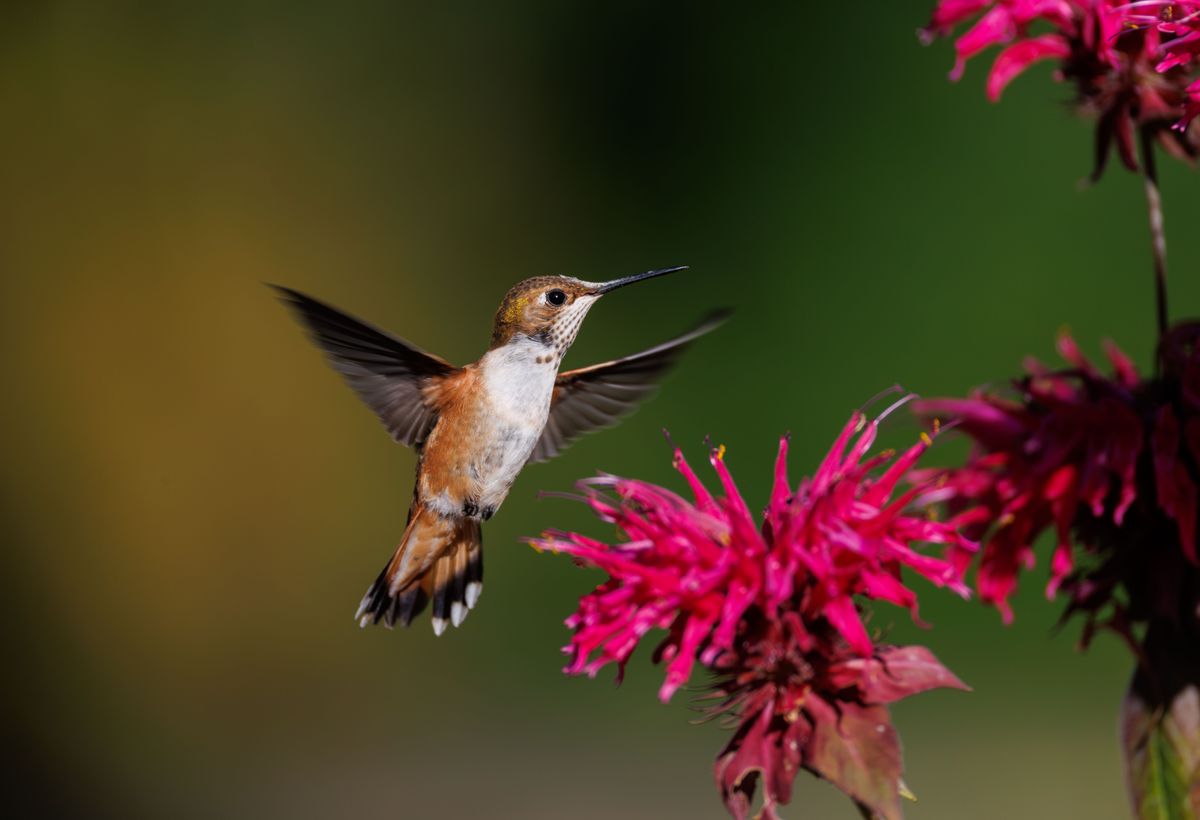
Photo by Veronika Andrews on Pexels
Keep these essential factors in mind when choosing and maintaining your feeder:
Pre-Purchase & Cleaning Checklist for Pest-Free Feeding
- [ ] Is the reservoir made of non-porous glass rather than clear plastic?
- [ ] Does the bottle feature a wide-mouth opening (at least 3 inches wide) for easy brush insertion?
- [ ] Is the base constructed from rust-resistant coated metal with a silicone seal gasket?
- [ ] Are the feeding ports designed to prevent nectar exposure to bees and wasps?
- [ ] Is the solar electronic cap completely detachable prior to water submersion?
Seasonal & Temperature-Based Cleaning Schedule
- Cool Weather (Below 70°F / 21°C) — Clean glass feeder and replace nectar every 5 to 7 days. Rinse with warm water.
- Moderate Spring/Fall (70°F to 80°F / 21°C to 27°C) — Clean feeder and replace nectar every 3 days. Perform a light vinegar rinse.
- Peak Summer Heat (81°F to 90°F / 27°C to 32°C) — Clean feeder and replace nectar every 48 hours. Inspect metal base gasket for sugar buildup.
- Extreme Summer Heatwave (Above 90°F / 32°C) — Clean feeder and replace fresh nectar daily. Fill reservoir only halfway to reduce heat expansion pressure.
Material & Construction Specification Matrix
| Engineering Specification | LUJII Hand-Blown Solar Glass Feeder | Standard Molded Plastic Feeder |
| --- | --- | --- |
| Reservoir Material | Hand-Blown Translucent Art Glass (2,300°F furnace forged) | Injection-Molded Polycarbonate / Pet Plastic |
| Surface Micro-Porosity | 0% (Smooth, non-porous crystalline lattice) | High (Susceptible to micro-grooves from brush friction) |
| Base Construction | Coated Anti-Rust Metal Alloy with Food-Grade Silicone Gasket | Snap-fit Plastic or Unsealed Threaded Plastic |
| Neck Diameter | 3.2 inches (Wide-Mouth Easy Clean) | 1.1 to 1.5 inches (Narrow-Neck Bottle) |
| Nectar Capacity | 32 fl. oz. (950 ml) | 12 to 20 fl. oz. (350 to 600 ml) |
| Night Lighting System | Detachable Waterproof Top Solar Panel with RGB Auto-Illumination | None |
Examine how structural engineering and raw material purity impact feeder performance over time.
4 Critical Cleaning Mistakes That Attract Pest Swarms
Avoid these frequent maintenance errors to protect your birds and keep your yard pest-free:
Explore Related Pest-Control & Garden Lighting Guides
Expand your backyard hummingbird knowledge with these related guides:
- How to Hang Your Solar Hummingbird Feeder to Block Ants and Crawling Insects
- Best Bee-Proof Hummingbird Feeders: Styles, Guards, and Port Designs Compared
- Hot Weather Nectar Ratios: How to Keep Hummingbird Food Fresh in Summer
Frequently Asked Questions About Easy-to-Clean Feeders
Get expert answers to common questions about sanitizing solar glass hummingbird feeders and preventing pest swarms.
Cover photo by Veronika Andrews on Pexels.