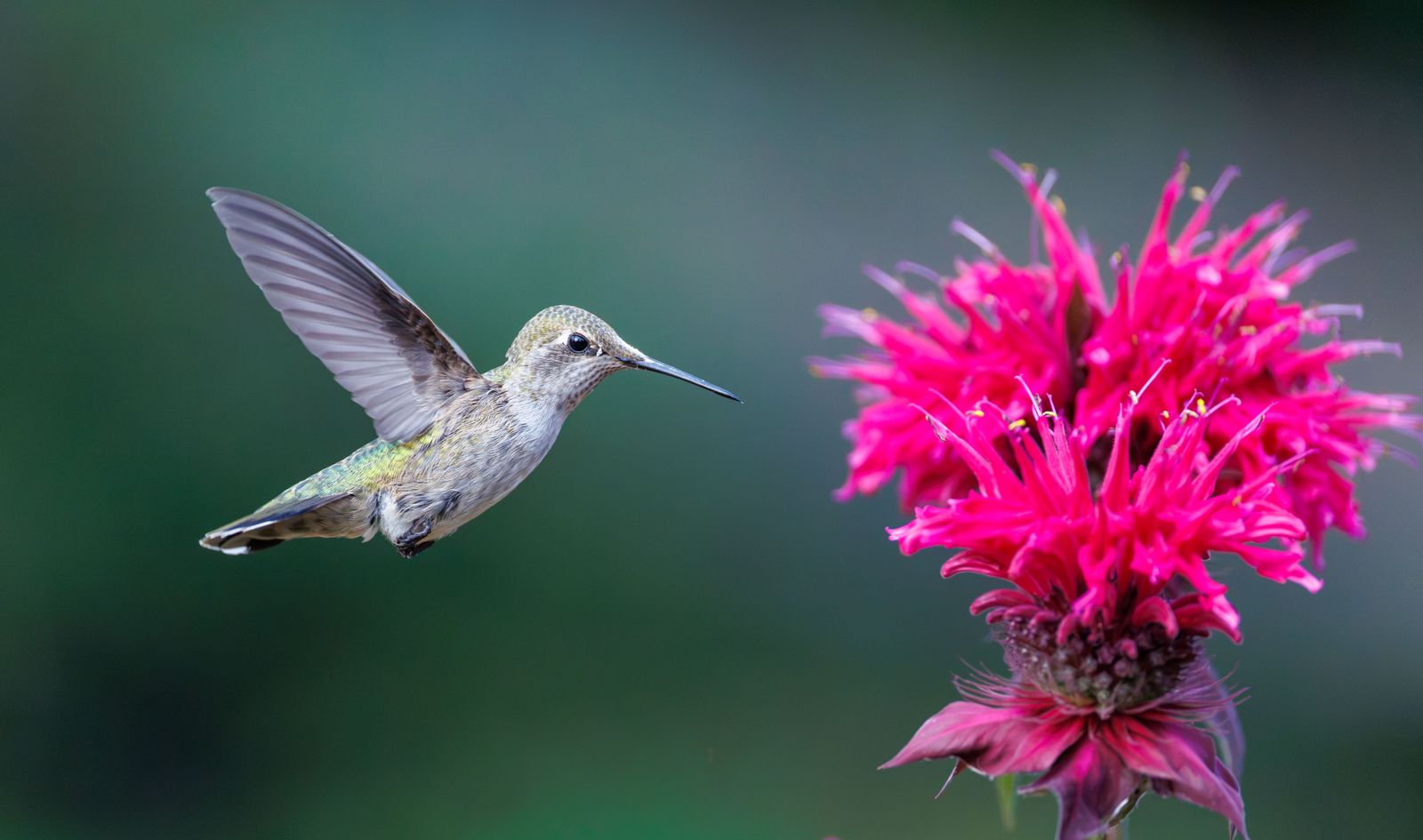
How Hummingbirds See Color: Avian Vision Science & Light Attraction
Should you add artificial red dye to your nectar, or can natural light optics draw hummingbirds to your yard?
Hummingbirds possess tetrachromatic vision, featuring specialized retinal cones that detect ultraviolet (UV) light alongside red, green, and blue wavelengths. Hand-blown pigmented glass naturally refracts sunlight into high-contrast spectral signals, attracting hummingbirds from long distances while completely eliminating the need for harmful synthetic dyes.
Avian vs. Human Visual Spectrum Parameters
| Ocular Parameter | Human Vision (Trichromatic) | Hummingbird Vision (Tetrachromatic) |
| --- | --- | --- |
| Retinal Cone Types | 3 (Red, Green, Blue) | 4 (Red, Green, Blue, Ultraviolet / UV) |
| Perceived Spectral Range | 400 nm – 700 nm | 300 nm – 750 nm (Includes UV-A) |
| Intraocular Oil Droplets | Absent | Present (Pigmented lipid droplets act as spectral filters) |
| Motion & Temporal Resolution | 50 – 60 Hz (Frames Per Second) | 100 – 140+ Hz (Flicker Fusion Threshold) |
| Color Contrast Sensitivity | Standard RGB blending | Enhanced non-spectral combination perception (e.g., UV + Red) |
Avian visual organs are optimized for high-speed flight navigation and nectar detection. The parameter matrix below outlines the ocular differences between human trichromatic vision and hummingbird tetrachromatic perception.
Diagram Spec: Light Refraction in Hand-Blown Glass vs. Flat Plastic
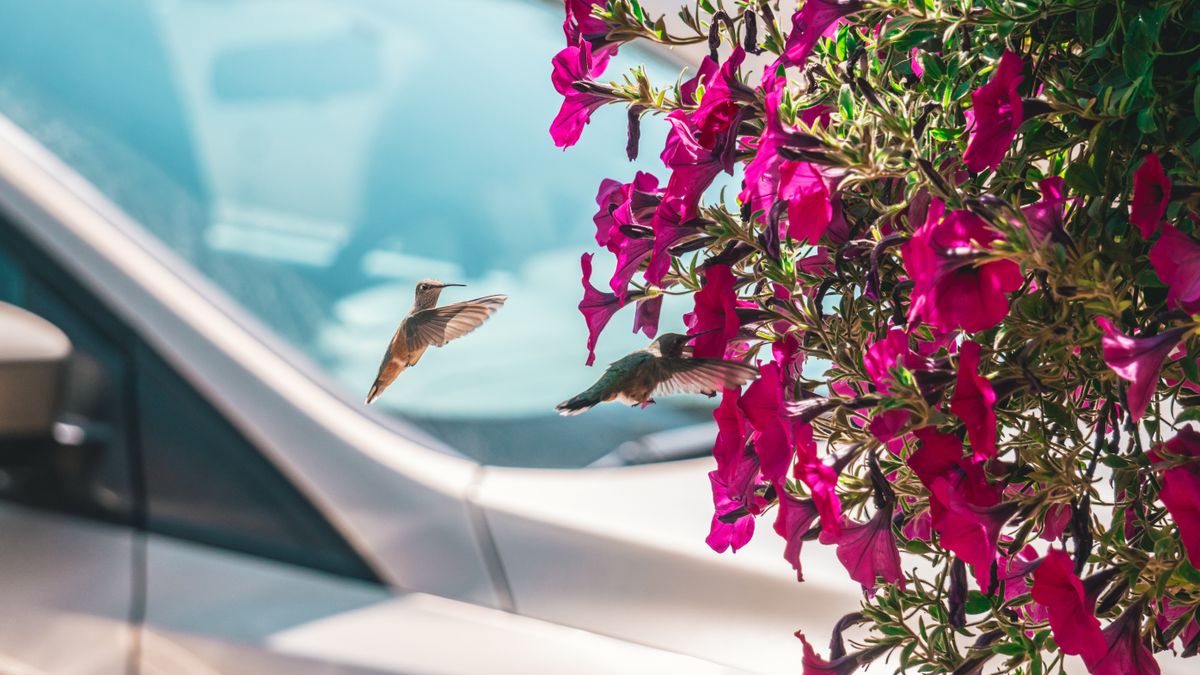
Photo by Chait Goli on Pexels
This optical diagram illustrates how light behaves when passing through handcrafted artisan glass compared to standard injection-molded plastic.
Infographic Spec: Human vs. Hummingbird Color Perception Spectrum
This graphic outlines the visual light spectrum perceived by humans versus the expanded tetrachromatic wavelength range of hummingbirds.
Ornithologist Insights: Harnessing Natural Wavelengths
To maximize the natural reflective power of your feeder without synthetic additives, position hand-blown glass feeders where they capture early morning sunlight. Morning sun rays hit at a low angle (15° to 35°), passing through textured artisan glass to project dynamic, multi-angled light flashes across nearby foliage. Hummingbirds patrolling their territories at dawn pick up these optical flashes from over 100 feet away, guiding them straight to your clean, dye-free sugar water.
Frequently Asked Questions About Hummingbird Vision & Feeder Light
Answers to common questions regarding hummingbird visual optics, red dye toxicity, solar lighting, and garden setup.
Key Takeaways: Avian Vision Science
- Tetrachromatic Vision: Hummingbirds possess four distinct retinal cone types, allowing them to detect ultraviolet light (300–400 nm) alongside red, green, and blue.
- Oil Droplet Filtering: Specialized pigmented oil droplets inside their photoreceptors filter incoming wavelengths, sharpening color contrast against green foliage.
- Glass Optics Over Dyes: Hand-blown glass embedded with mineral pigments reflects natural light patterns that attract birds, rendering synthetic red dyes unnecessary.
- Dusk & Dawn Attraction: Soft solar RGB illumination provides subtle ambient visual markers during early evening feeding surges without disrupting night roosting torpor.
- Zero UV Fading: Glass fired at 2,300°F retains its vibrant structural hues permanently, unlike painted plastic feeders that cloud, peel, or degrade under direct sun.
Choosing Feeder Materials Based on Visual Attraction & Bird Safety
Hand-blown pigmented glass provides superior light refraction, UV stability, and natural visual signaling compared to plastic feeders or dye-supplemented solutions.
Best choice for
- Hand-Blown Pigmented Solar Glass Feeders — Textured glass refracts natural sunlight into multi-directional spectral flashes, attracting hummingbirds safely using pure 4:1 sugar water.
- Solar RGB Lighted Glass Feeders — Provides soft, ambient illumination at dusk during peak late-afternoon feeding hours without intense light pollution.
- Using liquid synthetic red dye (Red #40) inside any feeder reservoir, as chemical additives accumulate in hummingbird organs.
- Selecting low-cost clear plastic feeders that cloud and yellow under UV exposure, reducing optical clarity and visual transmission.
- High-UV Native Flowering Plants (e.g., Bee Balm, Salvia) — Pairs exceptionally well alongside refractive glass feeders to create an integrated visual spectrum target for migrating birds.
Hummingbird visual optics differ significantly from human eyes. While human vision relies on three types of retinal cone cells (trichromacy covering red, green, and blue), avian eyes contain a fourth cone type specifically tuned to shorter ultraviolet wavelengths (300 to 400 nm). This tetrachromatic visual system allows hummingbirds to perceive a broader spectrum of color, including non-spectral combination colors such as UV-plus-red and UV-plus-green.
The Role of Photoreceptor Oil Droplets
Inside the hummingbird retina, each cone cell contains a microscopic, pigmented oil droplet positioned right before the light-sensitive outer segment. These lipid droplets act as precise optical filters. By filtering out overlapping wavelengths before light reaches the visual pigments, they narrow the absorption spectra of each cone. This mechanism significantly increases the bird's ability to discriminate between subtle visual hues, allowing a flying hummingbird to spot a vibrant blossom or refractive glass surface against a background of green leaves.
Why Handcrafted Glass Creates Optimal Refraction
Unlike flat, injection-molded plastic that allows light to pass straight through with minimal scattering, hand-blown glass crafted at temperatures reaching 2,300°F features subtle variations in wall thickness and organic surface curves. As solar radiation strikes these handcrafted curves, the light bends and scatters across multiple angles. This creates dynamic specular highlights and optical shimmers that catch the attention of hummingbirds in mid-flight.
Furthermore, when mineral pigments are fused directly into the silica matrix of hot glass, the resulting colors do not fade or degrade under harsh solar UV rays. The colorful glass vessel acts as a permanent visual beacon, directing birds to the clean, dye-free sugar water solution inside.
Visual Wavelength Attraction Criteria Matrix
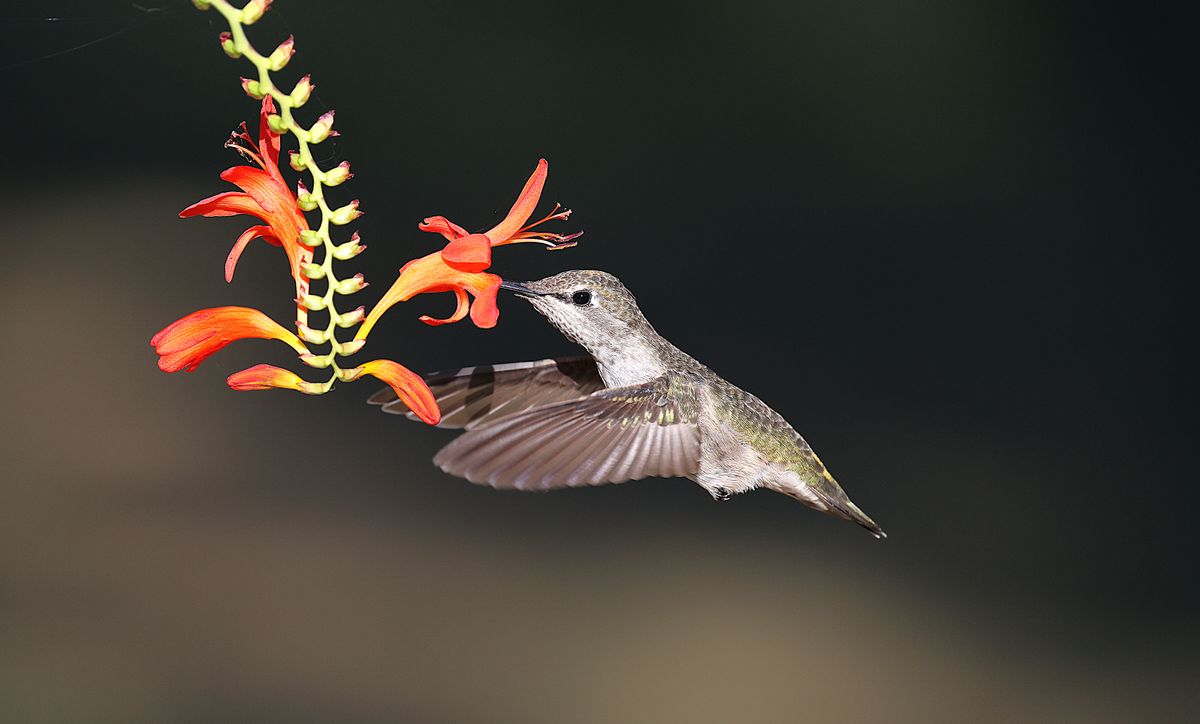
Photo by Veronika Andrews on Pexels
| Attraction Criteria | Chemical Red Dye Nectar + Plastic | Hand-Blown Pigmented Solar Glass | Clear Sugar Nectar + Plain Clear Plastic |
| --- | --- | --- | --- |
| Primary Visual Signal Wavelength | Synthetic Red 40 Absorptive Liquid | Refractive 620-750nm Red + UV Flash | Minimal (Relies solely on flower proximity) |
| UV Spectrum Refraction | None (Plastic absorbs UV rays) | High (Artisan glass refracts ambient UV) | Low to Moderate |
| Hummingbird Metabolic Safety | Hazardous (Kidney/liver stress from dyes) | 100% Safe (Pure sugar water used) | 100% Safe (Pure sugar water used) |
| Multi-Angle Sunlight Flash | Flat / Dull | Dynamic 360-Degree Shimmer | Flat / Static |
| UV Resistance & Color Durability | Fades, clouds, and yellows within 12 months | Permanent (Fused silica color matrix) | Clouds and brittle fracturing over time |
This matrix evaluates common nectar attraction methods across key biological criteria, safety standards, and visual efficiency.
Critical Mistakes: Why Artificial Colors and Cheap Materials Fail
Avoid these common mistakes when setting up your hummingbird feeding station:
Deepen Your Backyard Ornithology Knowledge
Explore these related guides to enhance your garden ecosystem and feeder care routine:
Solar-Illuminated Hand-Blown Glass Feeders for Natural Light Attraction
Enhance your backyard sanctuary with artisan-crafted glass that leverages light reflection to draw hummingbirds naturally.
Next Steps for Optimizing Backyard Bird Vision
Your decision: Choose naturally reflective, pigmented hand-blown glass feeders instead of adding chemical dyes to your nectar.
Do this next: Mix a plain 4:1 water-to-refined-white-sugar solution, clean your feeder weekly, and position illuminated glass where morning sunlight hits.
- Read next: Is Red Dye Safe for Hummingbirds? Myths, Dangers, and Safe Nectar Alternatives
- Read next: Hand-Blown Glass vs. Plastic Hummingbird Feeders: Aesthetic, Durability, and Bird Attraction Compared
LUJII Hand-Blown Solar Hummingbird Feeder (32 oz Leak-Proof Glass)
Take these actions to optimize your feeding station using visual optics and avian safety best practices.
Cover photo by Veronika Andrews on Pexels.