Why Hand-Blown Glass Solar Feeders Create More Nighttime Magic Than Plastic Lights
Should you invest in a handcrafted hand-blown glass solar feeder for rich nighttime garden ambiance, or rely on standard plastic outdoor lights?
Hand-blown glass solar feeders create significantly richer nighttime magic than plastic lights because handcrafted glass (shaped at 2,300°F) features uneven wall thickness and internal color swirls that bend RGB light into shimmering caustics. Plastic solar lights quickly yellow, scratch, and emit flat, harsh point-source glare.
Technical Specification Matrix: Hand-Blown Glass vs. Molded Acrylic
| Parameter | 2,300°F Hand-Blown Glass | Molded Polycarbonate / Acrylic |
| --- | --- | --- |
| Optical Refractive Index | 1.52 (High light-bending capacity) | 1.49 (Flat, low-scattering projection) |
| UV Yellowing Resistance | Immune (Zero degradation over decades) | Severe (Yellows & hazes within 6–12 months) |
| Surface Micro-Scratching | High Hardness (Mohs 6–7, scratch-proof) | Low Hardness (Mohs 2–3, dulls from airborne dust) |
| Thermal Shock Tolerance | High (Annealed structural integrity) | Low (Brittle cracking during freezing cycles) |
| Light Output Character | Dynamic multi-tone caustics & warm diffusion | Harsh point-source glare with visible LED hot spots |
| Structural Weight / Wind Stability | 2.8 – 3.5 lbs (Anchors securely on shepherd hooks) | 0.4 – 0.8 lbs (Sways wildly, prone to wind drops) |
A side-by-side technical evaluation of optical properties, structural stability, and long-term outdoor degradation parameters.
Light Diffusion Optics: Hand-Blown Glass vs. Molded Plastic
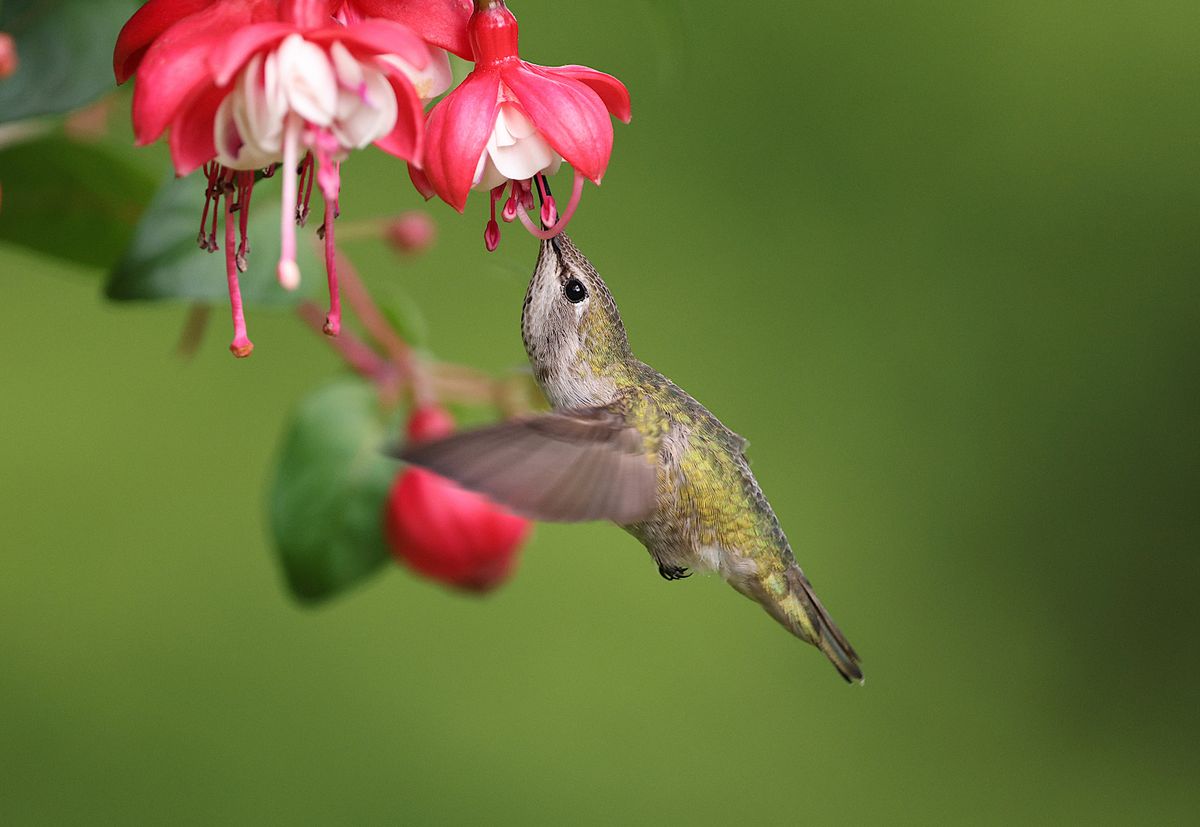
Photo by Veronika Andrews on Pexels
Understanding how light rays scatter through handcrafted silica matrix versus thin synthetic walls.
Visual Gallery: Handcrafted Textures at Dusk
Explore real-world evening projection patterns and material resilience over time.
Material Trade-Offs: Artisan Glass vs. Commercial Plastics
Pros
- Handcrafted 2,300°F glass never yellows, hazes, or degrades under harsh solar UV rays.
- Thick-walled artisan glass casts romantic, dancing optical caustics across patio walls and foliage.
- Substantial physical weight anchors the fixture against summer gusts and stormy winds.
- Serves as vibrant, eye-catching fine art decor during daylight hours and a glowing beacon at night.
- Requires careful hand-washing of the glass reservoir (avoiding high-heat dishwasher cycles).
- Higher initial purchase price compared to mass-produced plastic disposable solar stakes.
- Glass can fracture if dropped onto hard concrete surfaces from high perches.
Landscape Designer Tip: Positioning Refractive Glass Near Foliage
To maximize the magical evening glow of a hand-blown glass solar feeder, hang it 4 to 6 feet above the ground approximately 18 to 24 inches away from a light-colored surface—such as a white trellis, stone patio wall, or large-leafed plants like hostas and hydrangeas. The undulating glass thickness acts as a natural lens projection system, scattering the RGB LED colors into mesmerizing, dancing water-like patterns across the leaves as twilight deepens.
Frequently Asked Questions
Key insights on bird safety, cleaning techniques, and weather resilience.
Key Takeaways: Glass Refraction vs. Plastic Glare
Core points to remember when choosing outdoor solar decor for your backyard sanctuary.
Decision Support: Choosing the Right Solar Accent for Your Yard
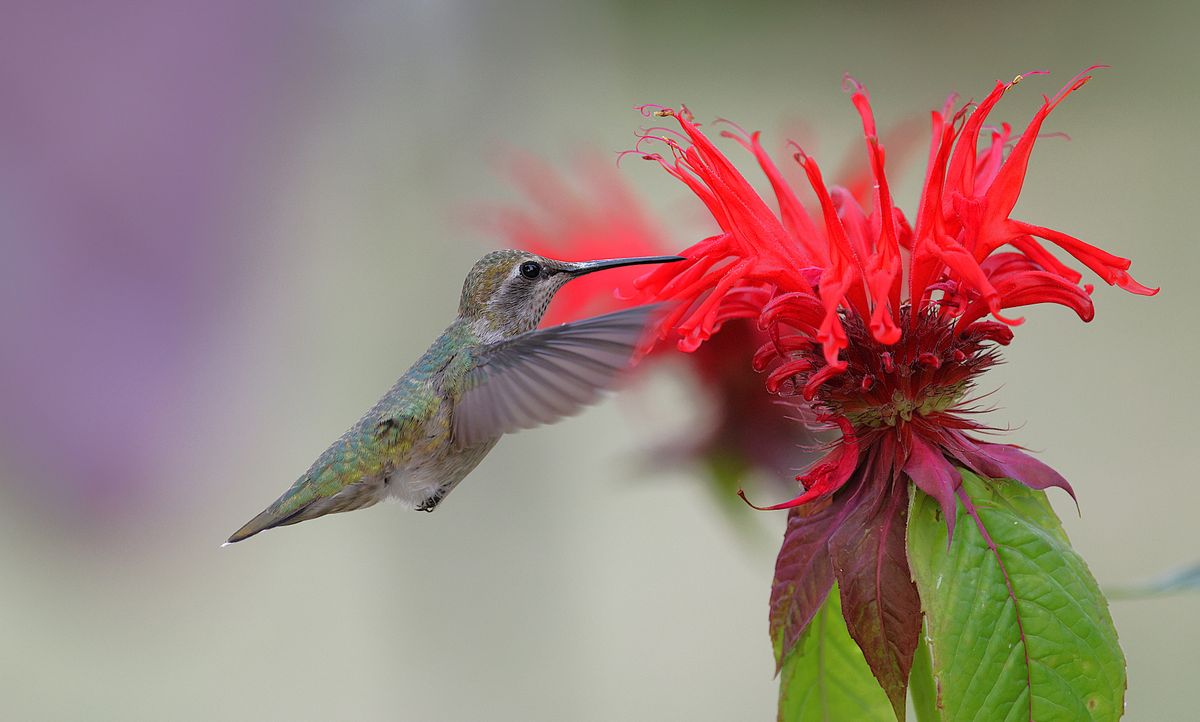
Photo by Veronika Andrews on Pexels
Hand-blown glass solar feeders are the definitive choice for homeowners seeking warm, lasting, and magical garden lighting. Plastic lights are best avoided unless you strictly need cheap, temporary path markers.
Best choice for
- Hand-Blown Glass Solar Feeder — Variable wall thickness and embedded color glass swirls bend RGB light into shimmering, wide-angle caustics across garden walls.
- Hand-Blown Glass Solar Feeder — Silica glass is completely immune to UV degradation, maintaining crystal clarity without yellowing or clouding.
- You require disposable ultra-low-budget high-volume pathway stakes ($2/piece).
- The installation location is directly exposed to high-impact physical hazards like lawnmower spray.
- Stained Glass Solar Accents — Offers colorful daytime visuals but uses soldered lead/resin seams that can degrade faster outdoors than single-piece seamless blown glass.
To understand why a hand-blown glass solar feeder transforms an evening garden while a plastic solar light feels stark and clinical, we have to look at the physics of light refraction.
The Optical Reality of Molded Synthetic Plastics
Mass-produced solar stakes rely on injection-molded polymers—typically polycarbonate or acrylic. Because manufacturing molds require uniform wall thickness to cool without warping, the resulting plastic shell has flat, smooth surfaces. When a small RGB LED diode fires inside a plastic cylinder, the light rays pass through the thin wall in straight, parallel vectors. This creates a harsh 'point-source glare' with a bright, distracting hot spot in the center and virtually zero ambient diffusion across surrounding patio surfaces.Furthermore, outdoor plastics face constant degradation from solar radiation. Ultraviolet (UV) rays break the molecular polymer chains, causing clear plastic to turn a hazy yellow within six months. Windblown dust particles act like sandpaper on soft plastics (Mohs hardness 2–3), creating millions of micro-scratches that trap dirt and render the fixture cloudy and dull.
The Magic of Heritage 2,300°F Hand-Blown Glass
In stark contrast, handcrafted glass reservoirs—such as those created for LUJII solar feeders—are born in furnaces reaching 2,300 degrees Fahrenheit. Master glass artisans manipulate molten silica, rotating and blowing the glass to form flowing curves, organic ripples, and rich color swirls passed down through generations.Because no two square inches of hand-blown glass have identical thickness, the glass acts as a complex series of natural convex and concave lenses (refractive index of 1.52). When the internal RGB LED illuminates at dusk, the light rays do not simply pass through—they bend, split, and dance. The variable silica thickness projects breathtaking, liquid-like optical patterns (caustics) onto nearby stone paths, deck railings, and garden leaves.
Dual-Purpose Garden Utility
Beyond superior optics, hand-blown glass solar feeders perform double duty in your outdoor haven:By replacing short-lived plastic lights with artisan glass, you invest in permanent outdoor beauty that never fades under the sun.
Nighttime Ambiance & Material Comparison Matrix
| Evaluation Criteria | Hand-Blown Glass Solar Feeder | Standard Plastic Solar Light |
| --- | --- | --- |
| Failure Mode: UV Solar Degradation | Immune (Stays pristine indefinitely) | Fails (Yellows, hazes, and cracks) |
| Failure Mode: Wind & Storm Dislodgement | Low Risk (Heavy 32 oz capacity anchors frame) | High Risk (Lightweight plastic blows over) |
| Failure Mode: Nectar Seepage & Drips | Sealed metal leak-proof base prevents spills | Thin plastic threads warp and leak nectar |
| Light Projection Quality | Prismatic caustics & organic light ripples | Harsh point glare with visible diode hot spots |
| Daytime Visual Appeal | Unique hand-crafted artisan garden art | Generic industrial mass-produced appearance |
| Eco-Friendliness & Longevity | Reusable for years; fully recyclable silica | Short lifespan leading to plastic landfill waste |
Evaluating core criteria and failure modes between handcrafted glass and mass-market plastic outdoor lights.
Failure Modes: Why Cheap Plastic Solar Lights Disappoint
Avoid these frequent mistakes when selecting and placing solar garden decor.
Related Guides on Garden Lighting & Ambiance
Deepen your understanding of garden light physics, bird behavior, and twilight aesthetics with these specialized topics:
- Do Hummingbirds Feed at Night? Understanding Dusk Behavior Around Illuminated Feeders — Learn how avian torpor protects birds while your garden glows.
- The Psychology of Garden Lighting Colors: How RGB Spectrums Transform Your Evening Sanctuary — Discover how shifting color temperatures evoke calmness and wonder.
- The Art of 2,300°F Glassblowing: How Heritage Craftsmanship Shapes Unique Garden Decor — Explore the ancient furnace techniques behind thick-walled art glass.
Featured Functional Art: LUJII Hand-Blown Solar Feeder
Transform your yard into a sanctuary of color and life with the ultimate dual-purpose centerpiece.
Next Steps for Elevating Your Garden Ambiance
Your decision: Invest in handcrafted hand-blown glass solar feeders to achieve lasting optical beauty, dual-purpose garden utility, and zero UV degradation.
Do this next: Choose a sunny garden spot near patio seating or eye-level branches to maximize both daytime hummingbird viewing and nighttime light caustics.
- Read next: The Psychology of Garden Lighting Colors: How RGB Spectrums Transform Your Evening Sanctuary
LUJII Hand-Blown Glass Solar Hummingbird Feeder (32 fl. oz, Leak-Proof Base, RGB LED Cap)
Ready to bring magic to your twilight garden?
Cover photo by Frank Cone on Pexels.