How to Preserve Color on Glass Hummingbird Feeders: Hand-Blown Care Guide
Should you sanitize your handcrafted glass feeder using dishwashers or harsh chemical cleansers? Absolutely not. To preserve the vibrant hues and high-polish luster of a hand-blown glass feeder, wash it every 3–5 days using a mild 1:4 white vinegar-to-water solution under 110°F. Authentic 2,300°F fused frit glass never fades from sun exposure, but thermal shock and abrasive scrubbers will dull the surface and ruin solar seals.
Essential Hand-Blown Glass Cleaning & Preservation Checklist
- [ ] Unscrew the glass reservoir from the metal base and carefully remove the top solar cap module.
- [ ] Inspect the solar cap rubber O-ring seal for cracks, debris, or sticky nectar before exposing the glass to water.
- [ ] Mix lukewarm water (under 110°F) with plain white distilled vinegar in a 1:4 ratio or mild dish soap.
- [ ] Scrub internal glass walls using a flexible, soft-bristle silicone brush; avoid metal wire brushes or green scouring pads.
- [ ] Rinse thoroughly with lukewarm clean water until zero vinegar or soap aroma remains.
- [ ] Air-dry upside down on a clean cotton towel and polish the glass exterior with a high-density microfiber cloth.
Quick-Reference Care Card: Do's and Don'ts for Frit Glass Feeders
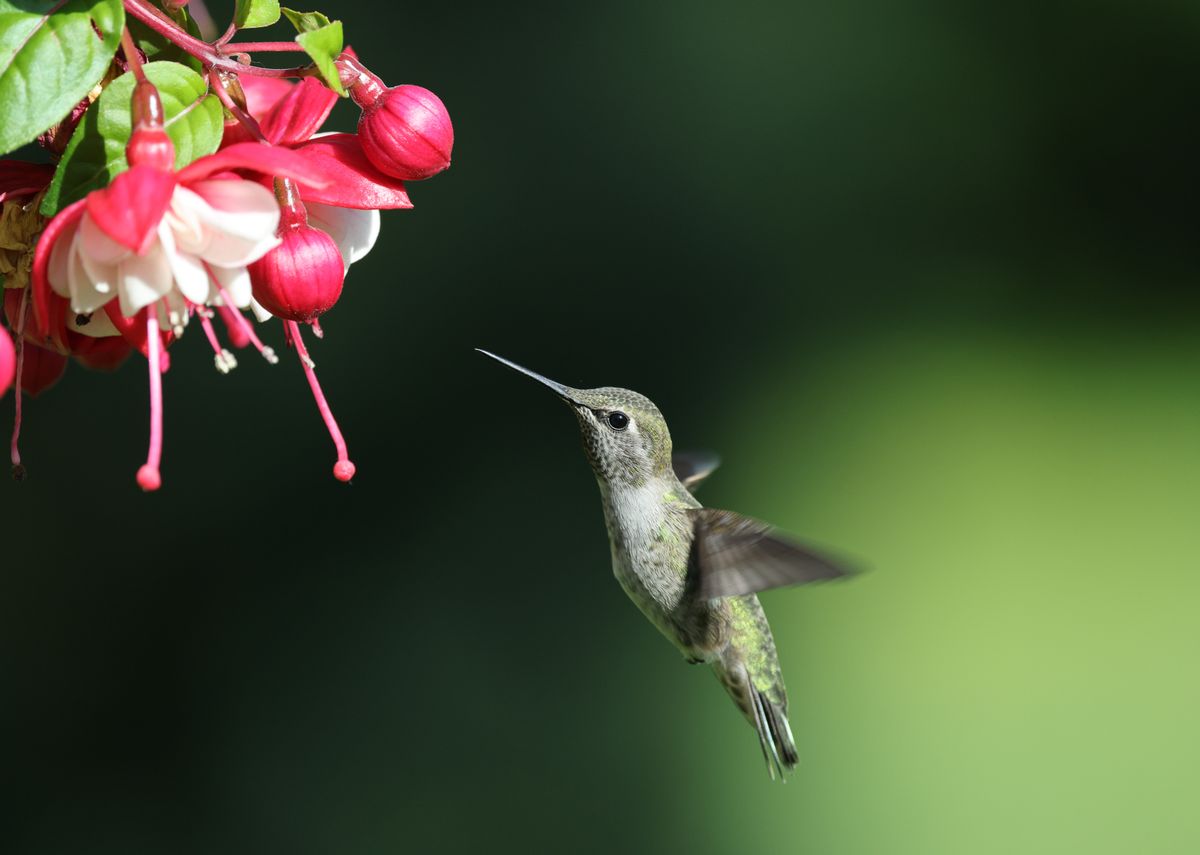
Photo by Veronika Andrews on Pexels
- DO use a 1:4 white vinegar-to-water soak for 15-20 minutes to dissolve mineral scale.
- DO keep wash water under 110°F to prevent thermal stress fractures in hand-blown glass.
- DO polish glass with high-density microfiber towels to avoid micro-scratches and lint.
- DON'T run artisan glass feeders through dishwashers or heated drying cycles.
- DON'T submerge the top solar module, battery compartment, or RGB light housing in water.
- DON'T scrub glass surfaces with steel wool, wire brushes, or harsh bleach solutions.
Expert Tip: 2,300°F Fused Frit Glass vs. Cheap Surface-Painted Glass
Many budget feeder manufacturers spray a thin layer of acrylic enamel paint over clear machine-molded glass to mimic artisan craft. Within months of outdoor sun exposure and washing, painted feeders peel, flake, and dull, exposing birds to chemical chips.
In contrast, premium handcrafted feeders—like the LUJII Solar-Powered Hummingbird Feeder—utilize solid colored glass frit. Master glassblowers fuse mineral oxide powders into molten glass at 2,300°F. Because the color is locked directly into the molecular matrix of the glass, solar UV rays cannot fade, peel, or bleach the glass over time. Preserving its brilliance requires protecting the outer polish from abrasive micro-scratches.
Troubleshooting Glass Dullness, Mineral Deposits, and Cloudiness
| Scenario | Root Cause | Immediate Failure Mode | Corrective Action |
| --- | --- | --- | --- |
| Milky white haze coating the internal glass walls | Calcium and magnesium scale buildup from hard tap water | Dulls optical clarity and creates microscopic traps for mold spores | Soak the glass reservoir in a 1:4 white vinegar and lukewarm water solution for 20 minutes; scrub gently with a soft silicone brush. |
| Fine hairline spiderweb patterns appearing on glass body | Thermal shock caused by rinsing cool glass under hot tap water | Permanent stress cracking along hand-blown color swirl boundaries | Always let glass reach room temperature before washing, and keep water temperatures strictly below 110°F. |
| Flaking or peeling colored specs in the nectar reservoir | Exterior spray-painted coating on budget imitation glass | Exposes raw glass base and risks chemical ingestion by hummingbirds | Discontinue use immediately and upgrade to authentic 2,300°F fused frit glass feeders. |
| Solar RGB lights flickering or failing to turn on at dusk | Water or nectar seepage into the upper solar cap module | Short circuits internal battery contacts and light sensor board | Wipe the solar cap exterior with a damp microfiber cloth only; never immerse or submerge the top solar housing. |
| Sticky nectar buildup and discoloration around base threads | Worn rubber O-ring seal or over-tightened glass threads | Causes fluid leaks that corrode metal ports and attract unwanted pests | Clean metal threads and silicone gasket with mild soapy water; hand-tighten firmly without over-torquing. |
Identify failure modes early to prevent permanent damage to your artisan feeder's polished finish or electrical housing.
Immediate Action Plan for Safe Feeder Care
Your decision: Determine whether your glass feeder requires routine sugar cleaning or specialized hard water descaling.
Do this next: Perform a lukewarm 1:4 vinegar rinse, wipe the glass exterior with a soft microfiber cloth, and hand-wipe the solar cap with a damp cloth.
- Read next: Hummingbird Feeder Gasket and O-Ring Maintenance Guide
LUJII 32 oz Hand-Blown Glass Solar Hummingbird Feeder with RGB Lighting Base
Follow these practical steps to evaluate your feeder's current condition and setup.
Key Takeaways: Glass Science & Avian Safety Balance
- Authentic artisan hand-blown glass colors are permanent because mineral pigments are fused into the glass matrix at 2,300°F.
- Dishwashers and hot water above 110°F trigger thermal shock fractures and warp critical rubber solar gaskets.
- Diluted white vinegar (1:4 ratio) safely dissolves mineral scale without scratching glass surfaces or harming hummingbirds.
- Solar lighting caps must always be hand-wiped with a damp cloth; never submerge solar electronics in water.
Hand-Blown Feeder Cleaning & Inspection Cadence
- Every 2 Days (High Heat > 90°F) — Empty nectar, rinse reservoir with warm water under 110°F, soft-brush internal walls, and refill with fresh 4:1 sugar water.
- Every 4-5 Days (Mild Weather < 75°F) — Perform standard wash with mild fragrance-free dish soap, inspect solar cap rubber seal, wipe solar panel lens, and check metal base.
- Every 14 Days — Conduct a 20-minute 1:4 white vinegar soak to dissolve hard water mineral deposits and polish exterior glass with a microfiber cloth.
- End of Season / Winter Storage — Deep clean all components, dry completely for 24 hours, turn off solar lighting switch, and store indoors away from freezing temperatures.
5 Failure Modes That Ruin Hand-Blown Solar Hummingbird Feeders
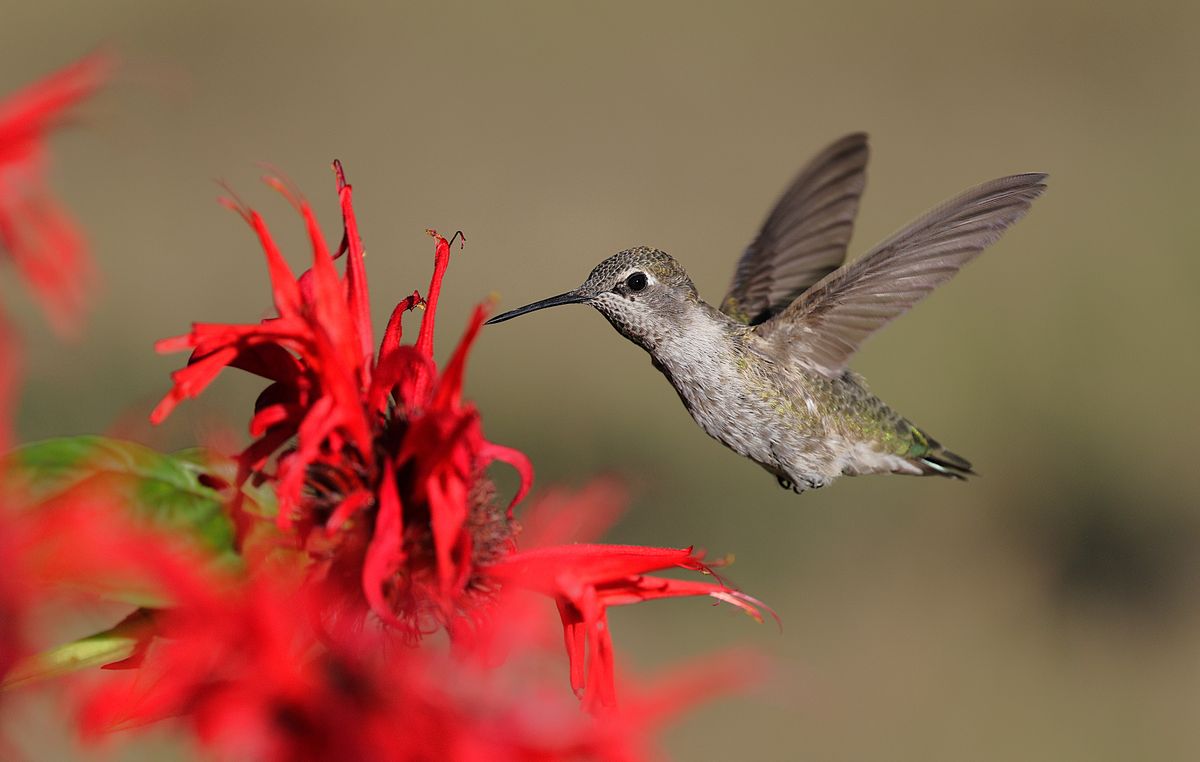
Photo by Veronika Andrews on Pexels
Avoid these critical mistakes to protect your investment and preserve feeder performance.
Lifespan Expectations: Artisan Glass vs. Solar Lighting Components
- Day 1 to Year 10+ — Hand-blown glass reservoir retains 100% of its vibrant color, swirl clarity, and luster with regular vinegar cleaning.
- Year 1 to Year 3 — Solar LED module and rechargeable battery provide up to 8 hours of nightly RGB lighting; battery is easily replaceable when needed.
- Year 2 to Year 5 — Silicone sealing gaskets and anti-rust metal base maintain drip-free performance with basic seasonal wipe-downs.
Related Maintenance & Craft Guides
- How to Winterize Glass Hummingbird Feeders: Solar & Hand-Blown Care
- Hand-Blown vs. Machine-Molded Glass Hummingbird Feeders: Durability & Care Guide
- How to Clean Hand-Blown Glass Hummingbird Feeders Without Fading Color or Damaging Solar Components
Frequently Asked Questions: Glass Feeder Preservation
How do I clean hard water spots off hand-blown glass without etching the surface?
Soak the glass reservoir in a 1:4 solution of plain white distilled vinegar and lukewarm water for 15-20 minutes. Mild acetic acid dissolves calcium and magnesium deposits without abrasive scratching or chemical etching.
Does sun exposure or solar UV light cause artisan glass colors to fade?
No. Genuine hand-blown glass colors come from glass frit (mineral oxides) fused at 2,300°F directly into the glass matrix during blowing. Because the pigment is solid glass throughout, UV light cannot cause it to fade, strip, or peel.
Can I put my hand-blown glass solar feeder in the dishwasher?
No. High heat and rapid temperature shifts in dishwashers cause thermal shock cracking along glass pattern seams. Furthermore, dishwasher detergent alkalinity can dull glass shine and ruin the solar cap's rubber gasket seals.
What is the difference between solid colored glass frit and cheap painted glass feeders?
Solid frit glass incorporates color into the melted molten glass at 2,300°F, while cheap imitations spray a thin acrylic or enamel paint on the glass exterior. Painted feeders inevitably crack, flake, and fade after a few months of sunshine and washing.
How do I safely dry and polish hand-blown glass without leaving lint or water streaks?
Air-dry the glass inverted on a clean cloth towel, followed by a light buffing with a high-density microfiber cloth. Avoid paper towels which can leave micro-lint behind, and ensure the bottle is 100% dry before attaching the metal base.
Find quick answers to common questions about preserving hand-blown glass and solar components.
Explore Handcrafted Solar Hummingbird Feeders
Elevate your garden with handcrafted 2,300°F fused glass feeders featuring leak-proof metal bases and automatic solar RGB night lighting.
Next Steps for Lasting Garden Beauty
Your decision: Choose the right cleaning technique based on your local water hardness and seasonal ambient temperature.
Do this next: Inspect your solar cap gasket today, switch to 1:4 white vinegar cleaning cycles, and polish your hand-blown glass with a soft microfiber cloth.
- Read next: Feeder Maintenance & Leak-Free Design Guide
LUJII 32 oz Hand-Blown Glass Solar Hummingbird Feeder with RGB Lighting Base
Start your proper maintenance routine today to keep your garden centerpiece shining bright for years to come.
Cover photo by Veronika Andrews on Pexels.