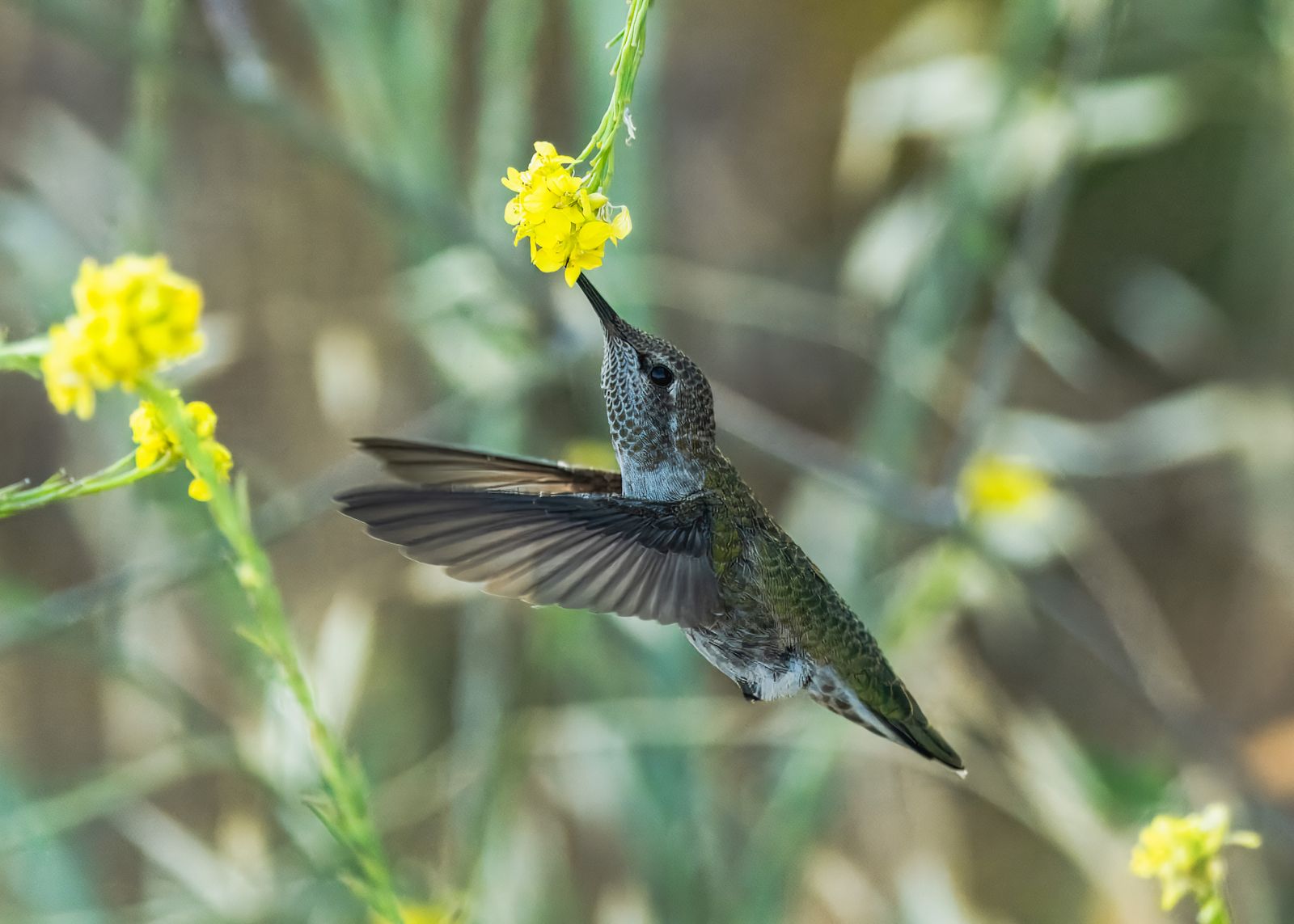
Glass vs. Plastic Solar Hummingbird Feeders: Which Belongs in Your Evening Garden?
Hand-blown glass solar hummingbird feeders outperform plastic by softly diffusing RGB solar light without yellowing, resisting summer heat degradation, and providing a non-porous, leak-proof reservoir that keeps nectar safer and fresher over time. While plastic offers lightweight convenience, handcrafted glass delivers superior multi-mode evening ambiance and multi-season durability for bird lovers.
Head-to-Head Criteria Comparison: Hand-Blown Glass vs. Molded Plastic
| Criteria | Hand-Blown Artisan Glass | Molded Plastic |
| --- | --- | --- |
| RGB Light Diffusion | Soft, multi-colored ambient radiance refracted through 2,300°F hand-crafted glass pattern curves | Harsh, localized light pinpoints that highlight scratches and cloudiness over time |
| UV & Sun Resistance | Zero degradation or discoloration; colors are fused permanently into the hot glass | Prone to yellowing, structural embrittlement, and surface cracking within 1-2 seasons |
| Nectar Thermal Safety | Thick glass walls buffer against rapid temperature spikes, slowing nectar fermentation | Thin plastic walls transfer solar heat rapidly, causing nectar to spoil quickly in direct sun |
| Hygiene & Cleaning | 100% non-porous, smooth surface that easily resists mold and washes clean with vinegar | Soft plastic gets micro-scratched by cleaning brushes, creating harbor points for black mold |
| Wind Stability & Weight | Solid 3.5 lb weight (when filled with 32 fl.oz) stays stable on shepherd hooks during summer breezes | Lightweight frame sways excessively in mild wind, splashing nectar and attracting bees |
| Expected Lifespan | Multi-year heirloom durability with an anti-rust coated metal base | 1 to 2 summer seasons before UV damage or leak-inducing seal distortion requires replacement |
Below is a direct criteria-row comparison of hand-blown artisan glass and molded plastic solar hummingbird feeders across six performance parameters.
The Trade-Offs: Artisan Glass vs. Molded Plastic
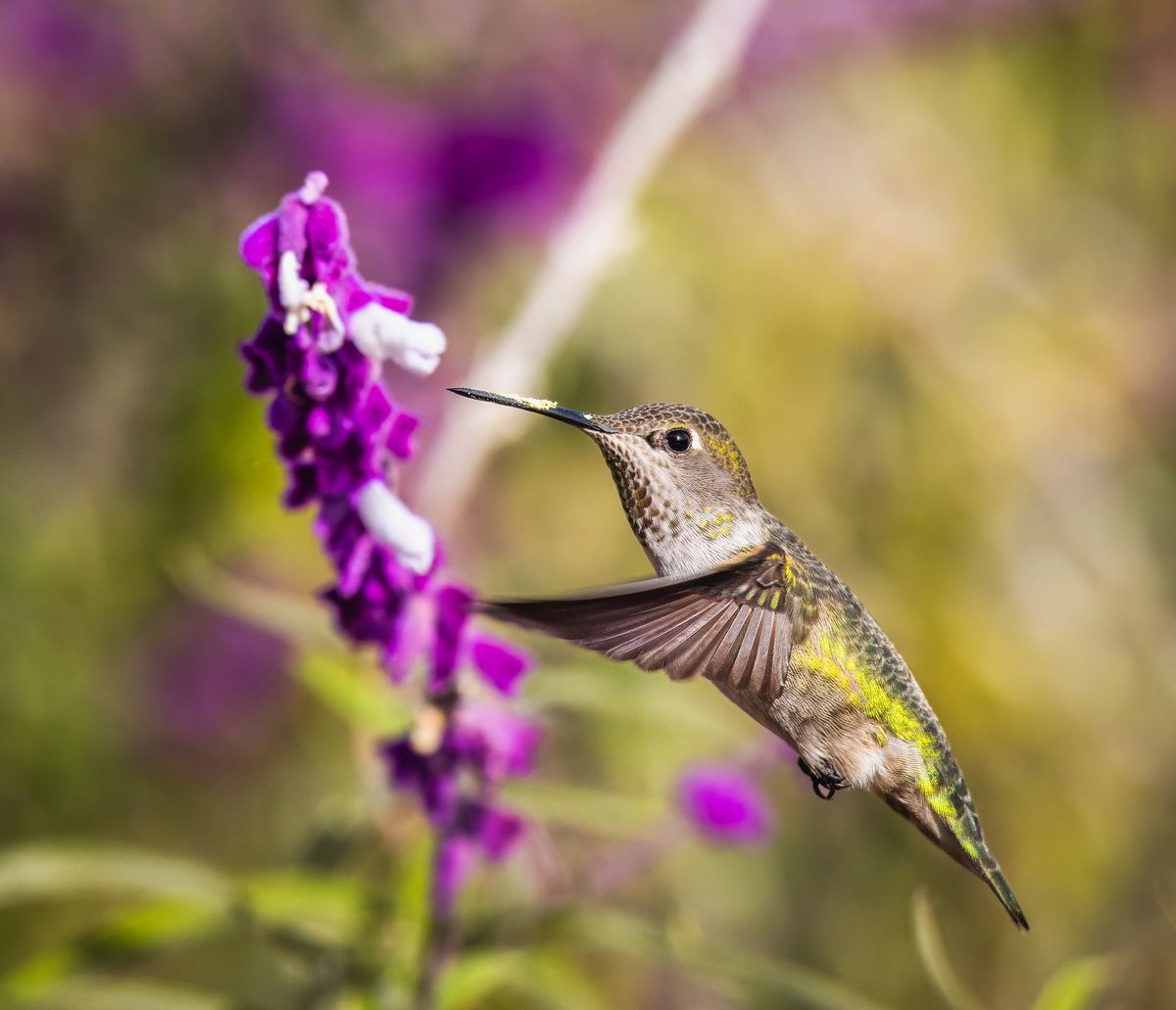
Choosing the right material involves balancing aesthetic desires, garden wind exposure, and long-term value.
Expert Tip: Solar RGB Optics and Nectar Heat Management
To maximize both night lighting brilliance and daytime hummingbird visitation, place your solar feeder where it receives 6 to 8 hours of unfiltered sunlight daily.
Editor's Choice: LUJII Solar-Powered Hand-Blown Glass Hummingbird Feeder
For garden enthusiasts seeking the ultimate blend of daytime hummingbird activity and mesmerizing nighttime illumination, the LUJII Solar-Powered Feeder is our top pick. Each 32 fl.oz feeder features hand-blown artisan glass shaped at 2,300 degrees, paired with a waterproof solar cap and anti-rust metal base.
Decision Tree: Finding Your Garden's Ideal Feeder Material
- Is your primary goal creating a stunning twilight garden aesthetic with long-lasting quality? → Yes: Choose Hand-Blown Glass (LUJII Solar Feeder). No: Go to next step
- Are you hanging the feeder in a high-wind area or over a hard concrete patio without a locked hook? → Yes: Consider Molded Plastic or reinforce your hook for heavy glass. No: Choose Hand-Blown Glass for superior stability and heat protection
- Do you want solar RGB light that diffuses warmly rather than casting harsh pinpoints? → Yes: Choose Hand-Blown Artisan Glass. No: Plastic may suffice for temporary utility
Frequently Asked Questions: Solar Feeder Materials & Nighttime Care
Here are answers to common questions about solar RGB feeders, safety, and maintenance.
Visual Comparison: Solar RGB Light Diffusion and Component Quality
A visual breakdown illustrating how hand-blown glass scatters light compared to molded plastic.
Key Takeaways: Why Material Selection Defines Your Garden Ambiance
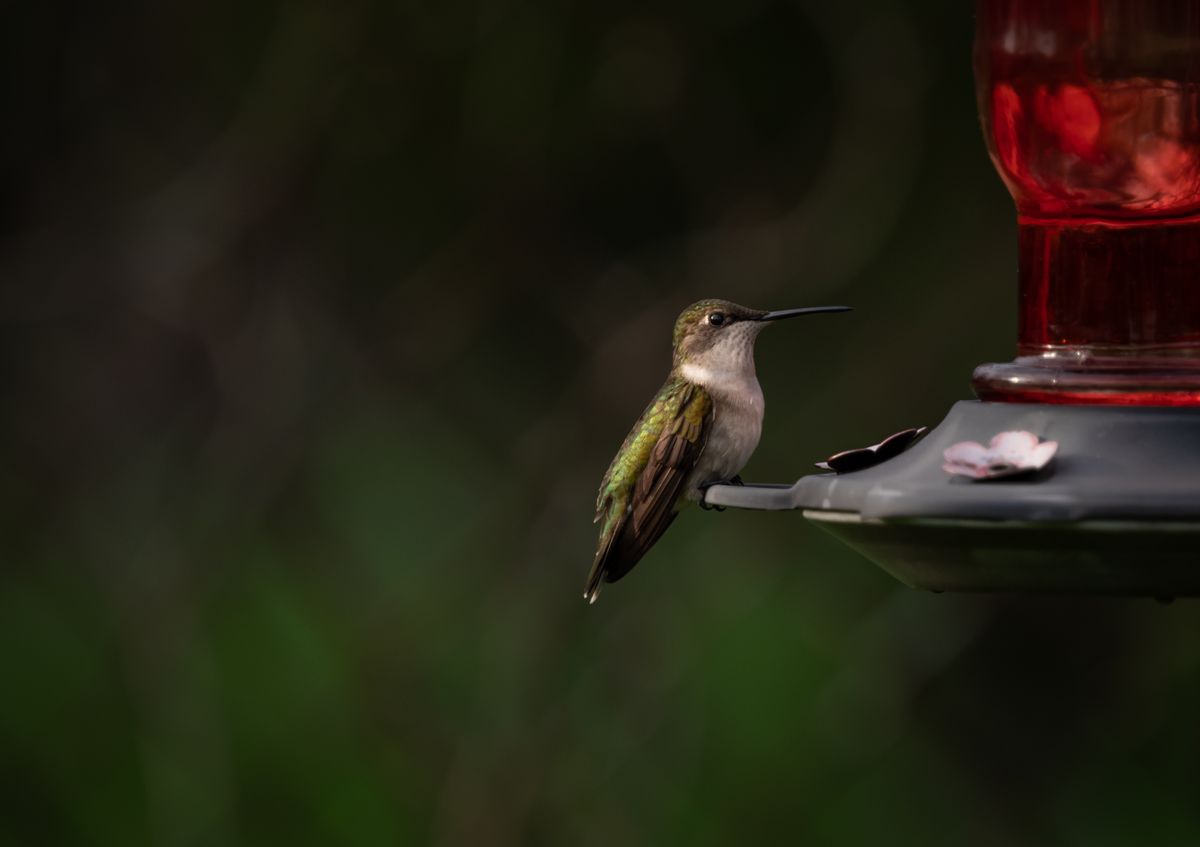
Summarizing the key reasons why artisan glass is the superior long-term choice for solar feeders.
Decision Support Matrix: Matching Feeder Materials to Your Garden
Hand-blown glass solar feeders are the clear winner for shoppers seeking long-term durability, radiant RGB light diffusion, and easy-cleaning hygiene. Plastic is suitable primarily for temporary, ultra-low-budget setups or areas prone to high physical impact.
Best choice for
- Hand-Blown Glass Solar Feeder — Translucent handcrafted glass refracts RGB LEDs into a soft, magical lantern glow without clouding or yellowing.
- Hand-Blown Glass Solar Feeder — Thick glass buffers against rapid solar heating better than thin plastic, preventing premature nectar fermentation.
- Molded Plastic Feeder — Shatterproof plastic provides peace of mind where heavy accidental impacts are frequent.
- You plan to hang feeders directly over hard concrete patios without locking shepherd hooks during storm seasons.
- Hand-Blown Glass Non-Solar Feeder — Choose if you already have dedicated ambient landscape lighting and do not need built-in solar LEDs.
Real-World Scenarios: Summer Sun, High Winds, and Twilight Glow
95°F High-Summer Sun Exposure — Hand-blown glass insulates internal nectar against extreme thermal fluctuation. Plastic absorbs solar radiation quickly, causing nectar to ferment within 24 hours.
15 mph Afternoon Garden Winds — The 3.5 lb filled weight of the 32 oz glass feeder remains steady on heavy-duty hooks, preventing nectar from spilling out of port seals.
Dusk Transition & Multi-Color RGB Illumination — Handcrafted glass patterns scatter the solar LED light softly across surrounding flower beds, creating a soothing evening centerpiece.
Here is how each material performs under real outdoor conditions throughout the season.
When selecting an illuminated garden piece, the interaction between light and material determines your yard's visual charm. Hand-blown glass hummingbird feeders are crafted by glass artists who shape each reservoir at temperatures reaching 2,300 degrees Fahrenheit. This traditional technique embeds rich, translucent colors directly into the glass matrix rather than applying surface dyes.
As a result, when the integrated solar cap activates its multi-mode RGB lighting at dusk, the illumination passes through handcrafted curves and color gradients. Instead of emitting the harsh glare typical of molded plastic, glass creates a soft optical glow that transforms your patio or flower bed into an enchanted sanctuary. Furthermore, solar caps equipped with waterproof seals and anti-rust metal bases protect internal electronics from seasonal rain and snow, guaranteeing up to 8 hours of nightly lighting after a sunny day.
From an avian perspective, glass offers crucial physiological benefits. Sugar water left in plastic reservoirs under strong solar exposure ferments rapidly due to high heat transfer rates. Plastic surfaces also develop micro-scratches over time from routine brush cleanings, creating microscopic crevices where black mold can multiply. In contrast, non-porous hand-blown glass maintains a smooth barrier that cleans thoroughly with a simple 4:1 water-and-vinegar soak. Combined with a 32 fl.oz capacity and precision metal feeding ports, artisan glass solar feeders keep hummingbirds healthy, hydrated, and returning to your yard season after season.
Related Guides on Twilight Garden Lighting & Bird Care
- Solar Glass vs. Plastic Hummingbird Feeders: Which Belongs in Your Garden?
- Solar Glass vs. Plastic Hummingbird Feeders: Year-Round Performance Comparison
- Glass vs. Plastic Solar Hummingbird Feeder: Full Material Comparison
Featured Hand-Blown Solar Hummingbird Feeders
Elevate your garden decor with handcrafted artisan solar feeders engineered for beauty and bird safety.
Next Steps for Your Evening Sanctuary
Your decision: Choose hand-blown glass for permanent garden decor, radiant evening lighting, and superior nectar health; choose plastic only for high-impact youth zones.
Do this next: Select a 32 oz hand-blown glass feeder with a leak-proof metal base and place it in a sunny garden spot receiving 6+ hours of direct sunlight.
- Read next: How to Clean and Maintain Your Hand-Blown Solar Hummingbird Feeder
LUJII Solar-Powered Hand-Blown Glass Hummingbird Feeder (32 fl.oz, Anti-Rust Metal Base, RGB Multi-Mode Lighting).
Take these actionable steps to set up your handcrafted glass solar hummingbird feeder for maximum performance.