Solar Glass vs. Plastic Hummingbird Feeders: Year-Round Performance Comparison
Hand-blown solar glass feeders outperform plastic feeders in UV durability, thermal nectar insulation, and evening garden aesthetics. While plastic feeders carry a lower initial purchase price, handcrafted solar glass resists sun degradation, slows sugar-water fermentation, uses leak-proof metal construction, and provides soft RGB dusk lighting without disrupting wild birds.
Solar Glass vs. Plastic Feeder Comparison Matrix
| Evaluation Criteria | Hand-Blown Solar Glass Feeder | Traditional Molded Plastic Feeder |
| --- | --- | --- |
| UV Resistance & Clarity | 100% UV-impervious; hand-blown embedded colors never turn cloudy, fade, or yellow under harsh sun. | Prone to UV degradation; clears turn cloudy and colors fade after 1–2 summer seasons. |
| Thermal Nectar Insulation | Thick handcrafted glass walls slow heat transfer, keeping nectar cooler on hot afternoons. | Thin plastic walls absorb external heat quickly, accelerating nectar spoiling and fermentation. |
| Base Construction & Leak Defense | Heavy-duty anti-rust coated metal base with precision rubber seals to prevent drips and wind rocking. | Lightweight plastic threaded base; prone to cross-threading, seal warping, and wind-induced spilling. |
| Evening Visual & Garden Decor | Integrated solar cap powers multi-mode RGB LED lighting, offering up to 8 hours of dusk ambiance. | Purely functional daylight utility; no nighttime illumination or ambient garden decor value. |
| 3-Year Longevity & Total Value | Multi-year durable display; high initial value due to artisan craftsmanship and zero replacement need. | Frequent replacement cycle (1–2 years) due to stress cracking, leakage, and sun embrittlement. |
This criteria-based matrix evaluates critical performance differences between handcrafted solar glass and traditional molded plastic feeders under real backyard conditions.
Weighing the Trade-Offs: Solar Glass Art vs. Molded Plastic
Pros
- Hand-blown glass crafted at 2,300°F creates permanent, non-fading color patterns built into the structure.
- Solar-powered top cap charges automatically by day to emit soft RGB garden lighting for up to 8 hours at night.
- Thick translucent glass permits easy nectar monitoring while buffering sugar water against direct solar heat.
- Anti-rust metal base paired with a leak-proof silicone seal minimizes sticky spills and insect attraction.
- Substantial 32 fl. oz. capacity reduces daily refill frequency while satisfying hungry migratory flocks.
- Higher initial investment compared to mass-produced plastic alternatives.
- Requires careful handling during cleaning and must be sheltered during sub-freezing winter ice storms.
Expert Tip: Thermal Nectar Protection & Sun Placement
Position your solar glass feeder where it receives direct sunlight during the late morning to fully charge the solar cap, but benefits from partial afternoon shade. While thick hand-blown glass insulates nectar far better than thin plastic, shade during peak 90°F+ heat prevents sugar fermentation while ensuring the solar battery gets charged for 8 hours of nighttime RGB illumination.
Our Recommendation: The Best Choice for Your Backyard
If you want a multi-season garden centerpieces that combines avian sanctuary functions with magical night decor, invest in a hand-blown solar glass hummingbird feeder. The 32 oz capacity, anti-rust metal base, and embedded hot-glass artwork make it superior in durability and visual charm over disposable plastic feeders. Plastic feeders remain suitable only as temporary backup units during high-traffic spring migration peaks.
Frequently Asked Questions
Get answers to common questions about solar lighting, artisan glass maintenance, and seasonal bird care.
Key Takeaways: Durability, Safety & Garden Aesthetics
- Material Integrity: Hand-blown glass formed at 2,300°F will not yellow, cloud, or degrade under intense UV sun exposure.
- Thermal Safeguard: Glass offers natural thermal insulation, keeping sugar nectar fresher longer during scorching summer heat waves.
- Dual-Purpose Beauty: Solar RGB modules convert daytime bird feeding stations into magical ambient night decor without disturbing roosting birds.
- Leak Prevention: Coated anti-rust metal bases and sealed silicone gaskets prevent messy drips that attract wasps and ants.
- Eco-Friendly Longevity: Replacing cheap plastic feeders every season creates landfill waste; quality glass lasts for years with basic care.
Decision Support Matrix by Backyard Preference
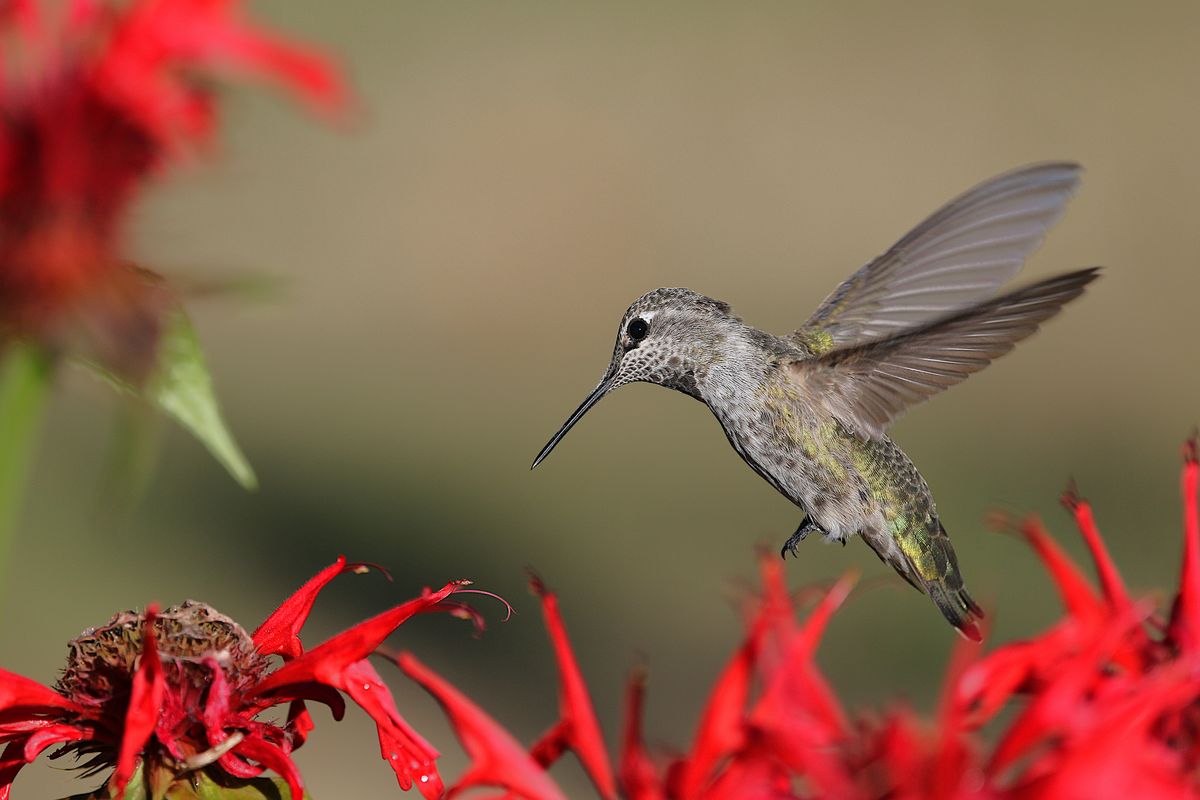
Photo by Veronika Andrews on Pexels
Hand-blown solar glass feeders provide superior long-term value, UV resistance, thermal control for nectar freshness, and dual day-and-night garden beauty compared to plastic feeders.
Best choice for
- Hand-blown Solar Glass Feeder — Offers beautiful daytime light diffusion through artisan glass swirls and up to 8 hours of automatic RGB glow at dusk.
- Hand-blown Solar Glass Feeder — Thick glass walls buffer sugar water against sudden thermal spikes, delaying fermentation.
- Traditional Molded Plastic Feeder — Low initial cost makes it an easy secondary option to handle sudden flock surges.
- Leaving water-filled glass vessels outdoors unmonitored during severe sub-zero freezing ice storms.
- Molded Factory Glass (Non-Solar) — Provides glass durability, but lacks artisan color uniqueness and evening solar lighting features.
Real-World Backyard Scenarios: Four-Season Performance
Scorching Midsummer Heat (95°F+ Direct Sun) — Choose Solar Glass. Thin plastic feeders heat up rapidly, causing nectar to ferment within 24 hours and warping plastic threads. Thick hand-blown glass keeps nectar cooler and maintains its structural integrity.
Gusty Autumn Winds & Rainstorms — Choose Solar Glass with Metal Base. Heavy artisan glass provides weight stability, reducing wild swinging. The waterproof solar cap shields the nectar port from rainwater dilution.
Evening Deck Gatherings & Patio Relaxing — Choose Solar Glass. Plastic feeders disappear into dark shadows at night. Solar glass automatically lights up with relaxing RGB light modes, creating an enchanting twilight backdrop.
Here is how hand-blown solar glass compares to molded plastic across typical outdoor weather scenarios.
The Science of Hand-Blown Glass vs. Molded Polymers
When choosing a hummingbird feeder, understanding material science reveals why plastic and glass behave so differently in outdoor microclimates. Traditional plastic feeders are injection-molded from polymers such as polystyrene or lightweight polycarbonate. While inexpensive to manufacture, polymers possess unstable chemical bonds under solar ultraviolet (UV) radiation. Over 6 to 12 months of direct sun exposure, UV rays break down these polymer chains, causing the clear reservoir to become yellow, brittle, and micro-cracked. These microscopic surface fissures quickly become breeding grounds for mold spores that are difficult to scrub clean.
In contrast, artisan hand-blown glass feeders are shaped at extreme temperatures exceeding 2,300°F (1,260°C). Mineral color pigments are fused directly into the molten glass matrix rather than painted onto the surface. This creates a non-porous, UV-impervious structure that never fades, clouds, or degrades. Translucent glass allows birdwatchers to check nectar capacity at a glance without disturbing visiting birds.
Thermal Insulation & Sugar Nectar Preservation
Nectar freshness is vital for hummingbird health. Sugar water (a standard 1:4 ratio of refined white sugar to clean water) spoils quickly when temperatures rise above 80°F, fostering harmful yeast and bacteria growth. Thin plastic walls offer virtually zero thermal resistance, allowing radiant heat from direct sunlight to elevate internal liquid temperatures rapidly.
Thick, handcrafted glass acts as a natural heat buffer. Its thermal mass slows rate of temperature rise inside the 32 fl. oz. reservoir during peak afternoon heat waves. Paired with a slender silhouette, sealed silicone gaskets, and an anti-rust coated metal base, high-grade solar glass feeders prevent drips caused by thermal expansion pressure—keeping sugar water inside the reservoir rather than dripping onto the ground where it attracts ants and wasps.
The Magic of Solar-Powered Dusk Illumination
What sets a modern solar glass feeder apart from standard vintage feeders is its dual-purpose functionality. Integrated into the protective top cap is an efficient solar panel that charges during daylight hours. As dusk approaches, an internal light sensor automatically activates multi-mode RGB LED lighting. The light refracts through the handcrafted glass curves, casting shimmering colorful patterns across your garden, patio, or porch for up to 8 hours on a full charge.
Because wild hummingbirds enter a state of deep metabolic rest called torpor at night, soft ambient solar lighting does not interfere with their natural sleep cycles. During the day, bright translucent colors attract curious hummingbirds; at night, the feeder transforms into an enchanting garden light feature for human enjoyment.
Featured Garden Highlight: LUJII Hand-Blown Solar Hummingbird Feeder
Transform your outdoor living space with the ultimate blend of artisan glass craftsmanship and solar technology.
Next Steps for Upgrading Your Backyard Habitat
Your decision: Choose hand-blown solar glass if you desire multi-year durability, ambient garden lighting, and reduced nectar spoilage.
Do this next: Select a solar glass feeder featuring an anti-rust metal base and 32 oz capacity for easy weekly maintenance.
- Read next: How to Clean and Maintain Hand-Blown Glass Hummingbird Feeders Without Fading Color
- Read next: Hand-Blown vs. Molded Glass Feeders: Why Handcrafted Detail Matters
🌟 LUJII Solar-Powered Hand-Blown Glass Hummingbird Feeder (32 oz, RGB Lighting, Anti-Rust Base).
Ready to replace clouding plastic with durable garden art?