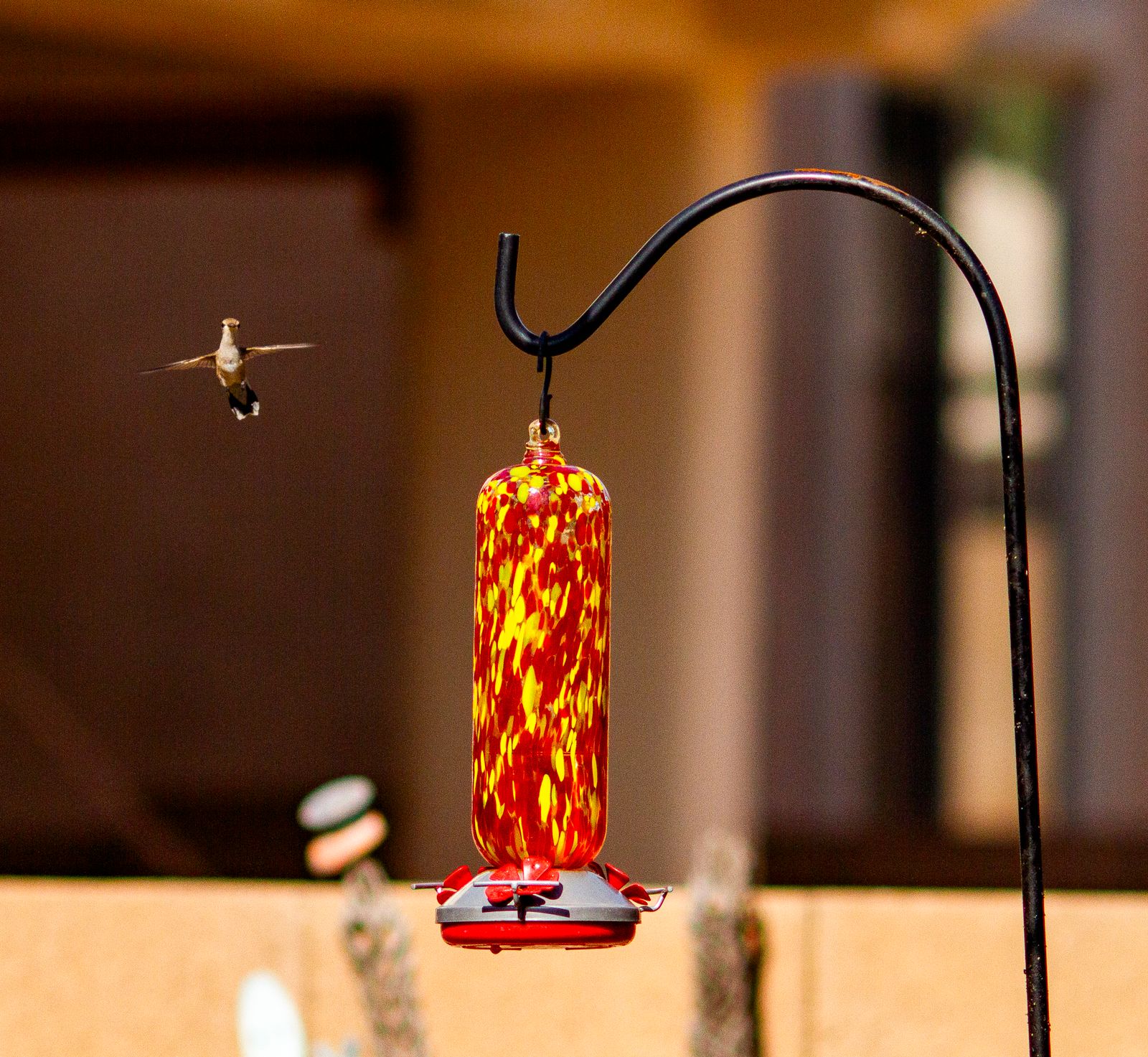
Glass vs. Plastic Hummingbird Feeders: Which Keeps Nectar Fresher Longer?
Thick glass keeps hummingbird nectar fresher longer than plastic. Non-porous glass resists micro-scratching from scrub brushes—preventing black mold colonization—and provides superior thermal stability in high summer heat, slowing dangerous sugar fermentation.
Glass vs. Plastic Nectar Preservation Feature Matrix
| Criteria | Hand-Blown Glass (LUJII) | Standard Pressed Glass | PET Plastic | Polycarbonate Plastic |
| --- | --- | --- | --- | --- |
| Surface Porosity & Mold Risk | Non-porous; zero micro-scratches for fungal spores to anchor | Non-porous; smooth interior wall prevents bacterial buildup | High porosity; bottle brushes create microscopic grooves that harbor mold | Moderate; degrades and scratches after repeated scrub cycles |
| Thermal Buffer Speed | Slow heat flux; thick walls buffer sharp ambient temperature spikes | Moderate thermal mass; delays heat penetration into sugar water | Rapid conductivity; nectar matches peak air temperature within 45 mins | Fast heating; thin barrier accelerates sucrose fermentation |
| Chemical Leaching & UV Inertness | 100% chemically inert; impervious to sunlight degradation | Chemically inert; full resistance to intense UV exposure | Degrades under UV; potential plasticizer release over long heat exposure | UV-stabilized initially; turns brittle and cloudy after 1–2 seasons |
| Washability & Sterilization | Effortlessly sanitized with hot water and mild vinegar solutions | Dishwasher safe or easy hot-water rinse | Requires gentle sponges; easily damaged by stiff wire bottle brushes | Scratches easily when removing stubborn black mold spots |
| Lifespan & Aesthetic Quality | Lifetime color vibrancy; unique hand-blown artisan centerpiece | Durable look; standard uniform heavy glass appearance | Discolors, clouds, and yellows within one summer season | Prone to cracking under freeze-thaw cycles or prolonged UV exposure |
Compare how hand-blown glass, pressed glass, PET plastic, and polycarbonate evaluate across the six key parameters that dictate nectar shelf life and feeder sanitation.
Material Side-by-Side: Glass vs. Plastic Strengths & Weaknesses
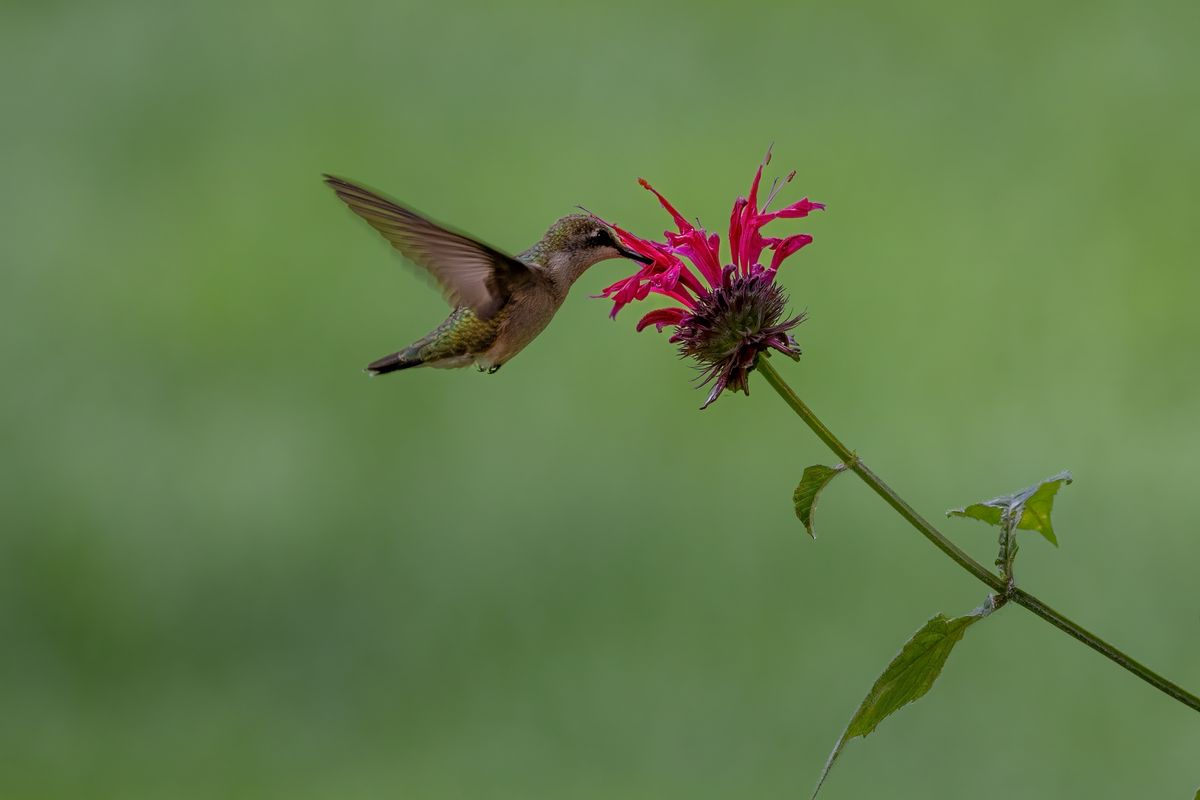
Photo by Mohan Nannapaneni on Pexels
Understanding the core tradeoffs between glass and plastic helps you choose the safest, most durable reservoir for your backyard feathered visitors.
Our Recommendation: Hand-Blown Glass for Nectar Safety and Lasting Beauty
If your goal is keeping sugar water safe, crisp, and free from dangerous fungal colonies while elevating your outdoor scenery, hand-blown glass is the unequivocal winner.
The LUJII Solar-Powered Hand-Blown Glass Hummingbird Feeder combines a thick, non-porous 32 oz glass reservoir with a sealed, rust-proof metal base. Handcrafted at 2,300°F by glass artisans, each feeder features brilliant translucent patterns that allow effortless nectar monitoring while shielding birds from fermented toxins. Coupled with a solar-charged RGB LED top cap that illuminates automatically at dusk, it offers unmatched hygiene, thermal protection, and evening enchantment.
Expert Insight: The Hidden Danger of Cleaning-Induced Micro-Scratching
When maintaining plastic hummingbird feeders, well-intentioned bird lovers often accelerate nectar spoilage by using standard wire bottle brushes.
Plastic polymers have a relatively soft surface hardness compared to stainless steel or nylon bristles. Each scrub cycle carves invisible micro-abrasions into the interior reservoir walls. These micro-grooves act as safe havens for airborne yeast (Candida) and black mold spores. Even after soaking in hot soapy water, fungal spores remaining trapped inside micro-scratches quickly re-contaminate fresh nectar within hours of refilling.
Conversely, high-density hand-blown glass possesses a scratch-resistant silica structure. Cleaning tools slide smoothly across the non-porous surface, allowing warm water and vinegar to completely rinse away organic matter without leaving microscopic bacterial sanctuaries.
Interactive Tool: Nectar Freshness & Cleaning Scheduler
Use this planning guide to calculate maximum safe nectar lifespan and optimal cleaning cycles based on your ambient temperature and feeder material.
Frequently Asked Questions About Feeder Materials & Freshness
Get rapid answers to the most common questions regarding nectar preservation, solar lights, and safe maintenance practices.
Key Takeaways: Nectar Longevity & Feeder Care
Keep these vital facts in mind when managing your summer hummingbird feeding station:
Decision Guide: Selecting the Right Material for Your Yard
Photo by Erik Karits on Pexels
Hand-blown glass is the gold standard for preserving sugar nectar freshness, resisting mold colonization, and standing up to intense summer heat without leaching chemicals. Plastic should only be considered for low-budget temporary setups or high-traffic areas prone to hard impacts.
Best choice for
- Thick Hand-Blown Glass — Higher thermal mass moderates rapid temperature spikes, preventing rapid sucrose fermentation and yeast growth.
- Non-Porous Hand-Blown Glass — Smooth glass walls resist scratch-induced mold traps, allowing 100% rinsing clean during maintenance.
- LUJII Solar RGB Glass Feeder — Combines artisan hand-crafted glass art with dusk-to-dawn ambient solar lighting without heating nectar.
- Avoid plastic feeders if daytime outdoor temperatures regularly top 85°F, as micro-scratches accelerate fermentation within 24–48 hours.
- Avoid non-UV-stabilized thin plastic in direct sun due to rapid clouding, cracking, and potential chemical leaching into sugar water.
- Heavy Pressed Glass — A viable alternative to hand-blown glass, though lacking the unique artisan colors and visual beauty.
Real-World Scenarios: Summer Heatwaves & Sunlight Conditions
Scenario A: 95°F Heatwave in Partial Shade — Choose thick hand-blown glass. The substantial thermal mass delays internal liquid heat rise by 2 to 3 hours compared to plastic, giving you crucial extra time before nectar begins to ferment.
Scenario B: Morning Direct Sunlight on the Back Porch — Choose glass. Sunlight passing through clear or colored plastic causes material degradation and internal heat buildup. Glass remains 100% inert and unaffected by harsh UV rays.
Scenario C: High-Wind Garden Zones Near Stone Pavers — If hanging over hard stone in extreme wind corridors, ensure your hand-blown glass feeder is anchored with an S-hook safety lock and heavy-duty shepherd's hook.
Scenario D: Dusk-to-Night Patio Entertaining — Opt for a solar glass feeder like LUJII. The integrated top solar cap charges during daylight hours and provides up to 8 hours of ambient RGB color shifting at night, turning your feeder into living garden art.
How glass and plastic feeders perform under specific, demanding backyard environments:
To appreciate why material selection impacts tiny hummingbirds so drastically, we must examine the chemistry of artificial nectar inside a backyard feeder.
The Fermentation Mechanism in Sugar Nectar
Hummingbird nectar is typically prepared as a 4:1 water-to-refined-white-sugar solution (a 20% sucrose concentration). While this mimics the natural sucrose density of wildflower nectar, liquid sugar water is an ideal breeding ground for naturally occurring yeasts (Saccharomyces) and fungal mold spores (Candida albicans and Cladosporium) carried on birds' beaks and feet.When outdoor temperatures cross 80°F, yeast cells metabolize sucrose at an exponential rate, converting clean sugars into ethanol and acetic acid. Fermented nectar not only tastes sour to hummingbirds—causing them to abandon your yard—but it can also cause fatal tongue-swelling fungal infections (candidiasis).
Thermal Mass: Glass vs. Plastic
Thermal mass refers to a material's capacity to absorb and store heat energy. Thick, hand-blown glass possesses a significantly higher volumetric heat capacity than thin molded PET or polycarbonate plastic.During hot mid-day spikes, air temperatures surge rapidly. A thin plastic bottle allows heat energy to pass directly into the liquid reservoir, quickly raising nectar temperatures to optimal yeast growth levels (85°F–95°F). In contrast, the substantial silica walls of a hand-blown glass reservoir act as an insulator, dampening rapid internal temperature swings and keeping nectar cooler through peak daytime heat.
Micro-Surface Porosity and Bacterial Anchorage
Under a microscope, materials reveal vastly different topography:- Glass: Formed at 2,300°F, the smooth silica lattice creates a non-porous vitreous surface. Microbial organisms cannot penetrate or chemically bond to glass, meaning a gentle rinse with warm water and vinegar lifts away 99.9% of biological residue.
- Plastic: Polymers consist of molecular chains susceptible to surface scratching. Scrubbing plastic with nylon brushes, rough sponges, or wire cleaners leaves microscopic micro-grooves. These crevices shelter mold spores from cleaning solutions, allowing rapid bacterial re-colonization the moment fresh nectar is poured.
Solar Lighting Integration Without Thermal Transfer
Modern garden lovers often express concern that solar-powered lighting might heat nectar at night. However, advanced solar glass feeders—such as the LUJII Solar-Powered Hummingbird Feeder—engineer the lighting element entirely within an isolated top cap positioned above the reservoir. Utilizing energy-efficient, cool-emitting RGB LEDs, the light radiates outward across the hand-blown glass artwork, generating zero downward thermal energy into the sugar water below. Hummingbirds enjoy pristine nectar during the day, and garden owners enjoy a radiant ambient glow at night.Featured Upgrade: LUJII Hand-Blown Glass Solar Hummingbird Feeder
Transform your garden into an inviting haven for hummingbirds while keeping their nectar fresh and safe with the flagship LUJII Solar Glass Feeder.
Action Plan for Safe Nectar Management
Your decision: Choose thick, hand-blown glass feeders over plastic to maximize nectar freshness, prevent toxic mold buildup, and enhance garden aesthetics.
Do this next: Replace aged plastic feeders with a handcrafted glass feeder, place it in partial shade, and establish a regular 2-to-3-day cleaning schedule during summer months.
Related resource: Explore our guide on positioning and weatherproofing garden feeders for maximum bird safety.
Check out the LUJII Hand-Blown Glass Solar Hummingbird Feeder with leak-proof metal base and ambient RGB evening lights at solarhummingbirdfeeder.com.
Follow these steps to transition your garden to hygienic, long-lasting feeder setup.
Recommended Reading for Hummingbird Care
Provide contextual links to related pest protection and summer weatherproofing guides.
Cover photo by Jon Champaigne on Pexels.