Hand-Blown Glass vs. Plastic Hummingbird Feeders: Which Belongs in Your Yard?
Hand-blown glass hummingbird feeders outperform molded plastic models in UV resistance, nectar safety, structural stability, and long-term aesthetic value. While plastic feeders offer lower initial costs and shatter resistance, artisan glass prevents chemical leaching in intense summer heat, maintains vibrant colors permanently, and provides the necessary weight for stable, solar-lighted garden integration.
Glass vs. Plastic Feeder Breakdown Matrix
| Evaluation Criteria | Hand-Blown Glass Feeder | Molded Plastic Feeder |
| --- | --- | --- |
| | | |
| | | |
| | | |
| | | |
| | | |
| | | |
| | | |
Compare key performance metrics between handcrafted glass reservoirs and factory-molded plastic feeders under real backyard weather conditions.
Material Deep-Dive: Benefits & Drawbacks
Evaluating the practical trade-offs helps ensure your feeder matches your yard environment, seasonal climate, and personal maintenance routine.
Expert Backyard Tip: Thermal Dynamics & Nectar Safety
Avian biologists emphasize that nectar hygiene is directly linked to material thermal properties. In direct sunlight, thin plastic feeder walls allow liquid nectar temperatures to spike rapidly, accelerating fermentation and bacterial growth within hours. Thick, heavy-gauge hand-blown glass acts as a natural thermal buffer, keeping sugar water cooler for longer periods. To preserve both feeder beauty and bird health, hand-wash glass reservoirs with warm water and a soft bottle brush—never use abrasive wire pads, which aren't needed on smooth, non-porous glass surfaces.
Recommended Choice for Year-Round Garden Decor
For bird lovers seeking an exquisite blend of artisan beauty, solar technology, and avian safety, the LUJII Solar Hand-Blown Glass Hummingbird Feeder stands out as the ultimate garden centerpiece.
- Artisan Craftsmanship: Handcrafted at 2,300°F by master glassblowers, ensuring no two feeders share the exact same radiant pattern.
- Solar RGB Illumination: Automatically charges in daylight and casts a magical, multi-color ambient glow across your patio for up to 8 hours each evening.
- Leak-Proof Construction: Features a generous 32 fl. oz capacity, slender see-through silhouette, and anti-rust sealed metal base designed to stop annoying drips.
- All-Weather Shielding: A durable plastic solar top cap protects internal optics from rain and snow, while the rust-proofed base stands up to seasonal moisture.
Decision Tree: Which Feeder Material Is Right for You?
- Are you placing the feeder in a sun-drenched garden or looking for an artistic centerpiece? → Yes: Choose Hand-Blown Glass. Glass resists UV yellowing, buffers nectar heat, and delivers stunning visual color.. No: Proceed to Question 2.
- Do you want your feeder to automatically light up at night with colorful solar ambient lighting? → Yes: Choose Hand-Blown Glass with a Solar Cap. Translucent hand-blown glass diffuses RGB lighting beautifully.. No: Proceed to Question 3.
- Is your hanging location directly above hard concrete pavers where accidental drops are likely? → Yes: Consider Plastic for impact resistance, or hang heavy glass using a rated steel shepherd's hook over soil.. No: Choose Hand-Blown Glass for superior nectar hygiene, wind weight stability, and lifetime value.
Frequently Asked Questions
Get fast answers to common queries regarding feeder materials, winter care, microplastics, and nocturnal lighting.
Key Takeaways for Gardeners
- UV Longevity: Hand-blown glass never yellows, clouds, or degrades under fierce summer sunlight.
- Nectar Hygiene: Smooth glass prevents micro-scratches, making cleaning effortless and protecting birds from toxic mold.
- Wind Stability: Glass reservoirs provide heavy ballast, preventing breeze-induced tipping and nectar drips.
- Solar Synergy: Translucent glass artwork diffuses solar-powered RGB lights into enchanting nighttime patio decor.
- Leak Protection: Look for models featuring heavy metal bases with rust-resistant coatings and rubber seals.
Buyer's Decision Guide & Material Selection
Hand-blown glass is the clear winner for gardeners who prioritize hummingbird safety, long-term durability, UV stability, and elevated backyard aesthetic appeal. Molded plastic serves as a temporary, low-cost alternative for budget setups.
Best choice for
- Hand-Blown Glass — 100% inert material handles 90°F+ temperatures without leaching chemicals or fading in intense UV rays.
- Weighted Glass with Metal Base — Heavy reservoir anchors hanging hooks, reducing sway and preventing nectar spills that attract unwanted insects.
- Solar Lighted Glass Feeder — Handcrafted glass diffuses built-in RGB LEDs, creating an ambient glow after dark for up to 8 hours.
- Avoid cheap plastic feeders in hot sunny climates where summer heat exceeds 90°F, as plastic accelerates nectar fermentation.
- Avoid ultra-lightweight feeders in windy corridors where tipping causes constant sugar water loss.
- Artisan Solar Glass Feeder — Combines non-toxic hand-blown glass art with an anti-rust metal base and solar night lights for 24/7 garden charm.
Real-World Yard Scenarios & Environmental Performance
High-Wind Open Lawns & Gusty Patios — Opt for thick hand-blown glass paired with a solid metal base. The 3+ lb weighted mass stabilizes the feeding ports against 15+ mph gusts, keeping liquid inside the reservoir rather than splashed across your deck.
Intense Summer Heatwaves (90°F+ Direct Sun) — Select hand-blown glass exclusively. Glass buffers rapid thermal transfers, keeping internal nectar significantly cooler than thin plastic reservoirs, which can reach temperatures that spoil sugar water in under 24 hours.
Sub-Zero Freezing Winter Climates — Bring glass feeders indoors before severe sub-zero freezes if liquid remains inside. While glass is durable, expanding ice can crack any rigid vessel. Store it safely during extreme winter storms.
Thoughtful Gift-Giving for Bird Lovers — Choose artisan hand-blown glass. Packaged as handcrafted glass art, it serves as an unforgettable, luxury garden gift suitable for birthdays, Mother's Day, or holiday celebrations.
How feeder materials respond under real-world weather patterns determines their true value over time.
Hummingbirds are nature’s most extraordinary acrobats, attracted to vibrant colors, shimmering reflections, and reliable nectar sources. To truly welcome these winged gems into your garden, your feeder must balance scientific safety with captivating visual charm.
The 2,300°F Artisan Advantage
Unlike uniform factory plastic ejected from automated molds, each hand-blown glass reservoir undergoes an ancient molten crafting process. Master glass artists shape raw silica and mineral pigments at temperatures exceeding 2,300 degrees Fahrenheit. As the molten glass curves, brilliant, translucent color swirls are permanently locked inside the material structure.Because these colors are fused directly into the glass matrix rather than painted on the surface, they can never peel, chip, or bleach under relentless summer sun. The result is a piece of living garden art that glows with kaleidoscopic radiance whenever sunlight hits your yard.
Nectar Purity and Heat Resilience
During peak summer months, plastic feeders absorb heat rapidly. Thin synthetic walls expand, opening microscopic pores where sugar residue hides. Even thorough scrubbing can leave behind invisible fungal spores that quickly contaminate fresh nectar batches.Hand-blown glass provides a non-porous, perfectly smooth barrier. It remains entirely inert, ensuring zero BPA, phthalate, or synthetic compound leaching even when exposed to midday heat. Your nectar stays pure, sweet, and safe for delicate hummingbird digestive systems.
``` +-----------------------------------------------------------------------+ | DAYTIME & NIGHTTIME SYNERGY | | | | [ Morning Sun ] ---> Vibrant 2,300°F Hand-Blown Glass Colors | | Attracts Active Hummingbirds (100% Inert) | | | | [ Daytime Light] ---> Solar Cap Recharges Internal Battery | | | | [ Dusk / Night ] ---> RGB LEDs Automatically Illuminate Glass Art | | Casts 8-Hour Ambient Garden Glow | +-----------------------------------------------------------------------+ ```
Illuminating Nighttime Garden Spaces
One of the most remarkable innovations in modern bird decor is the integration of solar illumination. While hummingbirds feed actively during daylight hours and rest quietly at night, a solar-powered feeder extends your garden's beauty into the evening hours.Top-tier solar glass feeders feature a protective, waterproof top cap housing a high-efficiency solar panel. During the day, sunlight recharges the internal battery. As twilight arrives, automated sensors trigger soft, color-changing RGB LEDs. The hand-blown glass reservoir acts as a natural light diffuser, transforming color swirls into a soothing, luminous lantern that lights up your patio for up to 8 hours every night.
Explore Related Backyard Guides
Deepen your backyard birding knowledge with our comprehensive care guides and attraction tips:
- How to Clean and Maintain Your Hand-Blown Solar Hummingbird Feeder: Simple daily and weekly habits to keep glass sparkling and nectar fresh.
- How Hummingbirds See Color: The Secret Science Behind Glass & Light Attraction: Learn how UV spectrum vision influences hummingbird feeding choices.
- Hand-Blown Glass Hummingbird Feeders: The Ultimate Buying Guide: Key features to look for when choosing handcrafted garden decor.
Featured Solar Hummingbird Feeder
Discover the flagship feeder engineered specifically for garden beauty, leak-proof performance, and night-time ambient illumination.
Your Next Steps for a Hummingbird-Friendly Haven
Your decision: Choose heavy-gauge, hand-blown glass over plastic for permanent yard beauty, zero chemical leaching, and stable solar light integration.
Do this next: Select a leak-proof hand-blown solar glass feeder equipped with an anti-rust metal base to enjoy year-round garden elegance.
- Read next: How to Clean and Maintain Your Hand-Blown Solar Hummingbird Feeder
- Read next: How Hummingbirds See Color: The Secret Science Behind Glass & Light Attraction
LUJII Solar Hand-Blown Glass Hummingbird Feeder (32 fl. oz, Leak-Proof Metal Base, RGB Solar Cap)
Take these simple steps to transform your backyard into a safe, vibrant sanctuary for local hummingbirds.
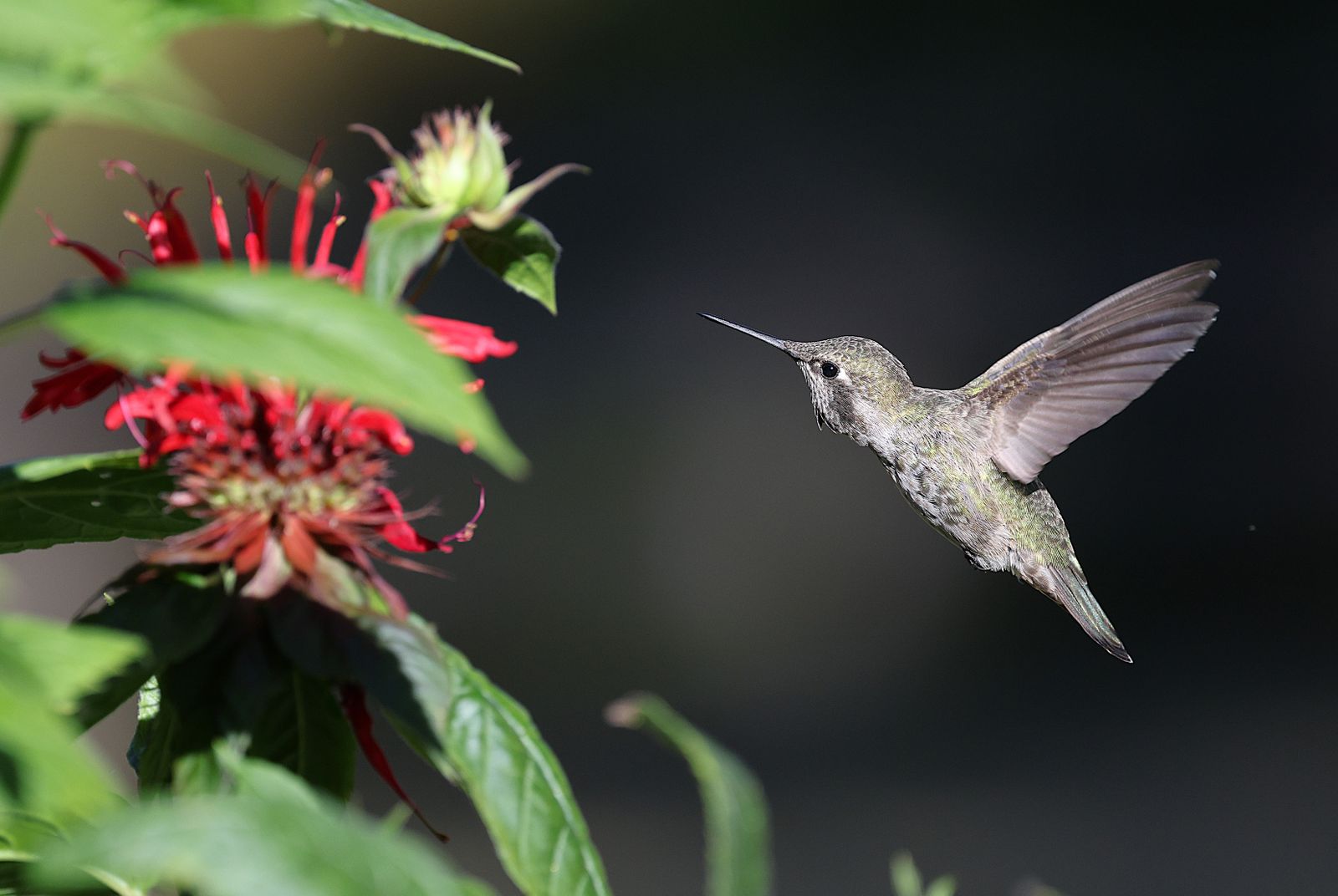
Cover photo by Veronika Andrews on Pexels.