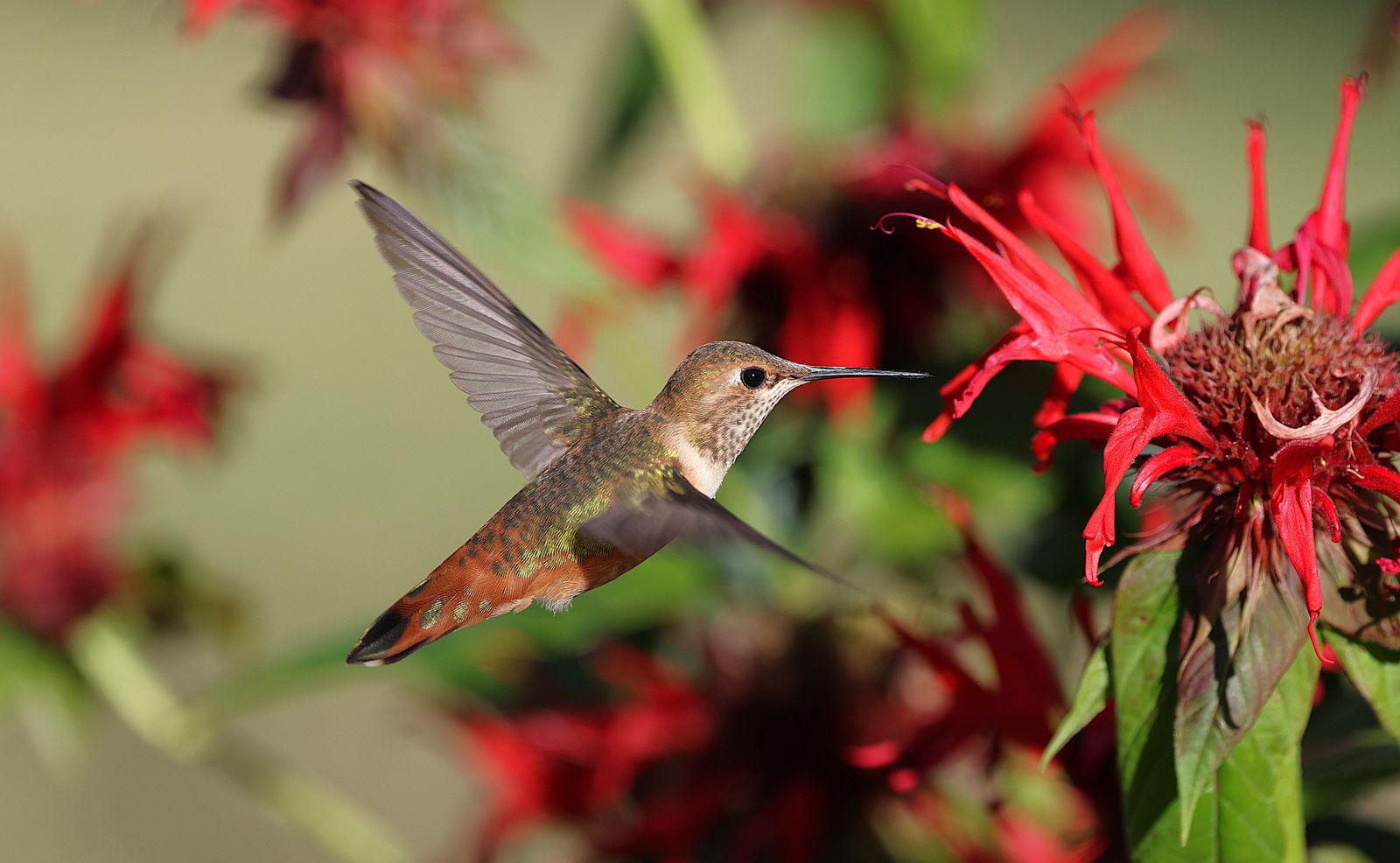
Glass vs. Plastic Hummingbird Feeders: Which Material Keeps Nectar Safe from Leaching?
Glass hummingbird feeders are significantly safer than plastic because non-porous silicate glass does not leach chemicals like BPA, phthalates, or microplastics into acidic sugar nectar under summer heat and UV light. Plastic degrades over time, creating micro-scratches that harbor deadly bacteria and release synthetic compounds into warm nectar.
Glass vs. Plastic Material Safety Comparison Matrix
| Safety & Performance Criteria | Hand-Blown Glass | Commercial Molded Glass | Polycarbonate Plastic | PET / Standard Plastic |
| --- | --- | --- | --- | --- |
| Chemical Leaching Risk (BPA / Phthalates) | Zero Risk (Inert Silicate Matrix) | Zero Risk (Inert Silicate Matrix) | Moderate (Leaches Bisphenol-A under UV heat) | High (Leaches plasticizers & antimony) |
| Microplastic Shedding in Nectar | None | None | Low to Moderate (Increases with age) | High (Degrades rapidly in outdoor UV) |
| UV Degradation & Yellowing | Immune (100% UV Stable) | Immune (100% UV Stable) | Slight Clouding over 12–24 Months | Severe Yellowing & Structural Embrittlement |
| Surface Scratch & Micro-Groove Resistance | Extreme (Resists Bottle Brushes) | High (Smooth Molded Surface) | Poor (Scratches easily during scrubbing) | Very Poor (Abrasive brushes ruin finish) |
| Bacterial & Fungal Colonization Risk | Extremely Low (Non-porous, easy sanitize) | Low (Smooth non-porous surface) | High (Spore harboring in micro-scratches) | Very High (Black yeast traps in scratches) |
| Thermal Shock & Washing Tolerance | High (Thick walls buffer warm water wash) | Moderate (Requires gradual warming) | High (Shatterproof under water change) | Low (Warped by warm water cleaning) |
This criteria-based matrix evaluates how common feeder materials respond to intense summer sun, acidic sugar solutions, and routine cleaning.
Material Deep-Dive: Pros and Cons of Glass vs. Plastic Feeders
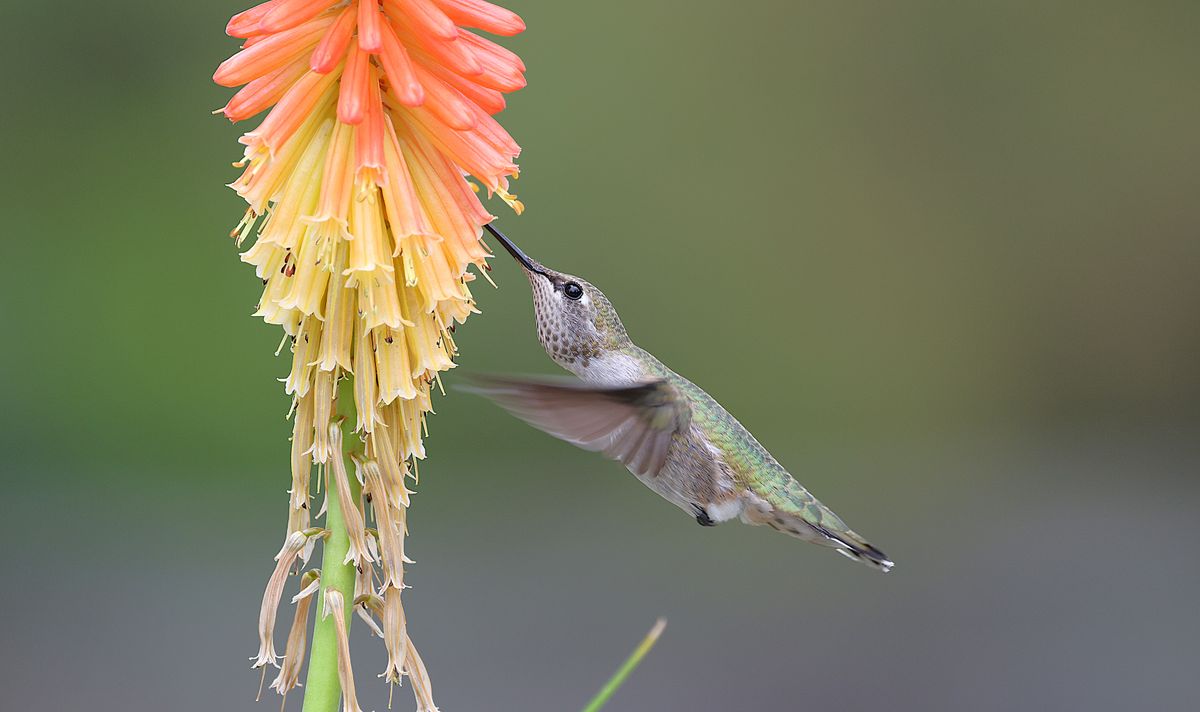
Photo by Veronika Andrews on Pexels
Pros
- Hand-blown silica glass is 100% non-porous and completely non-reactive with acidic sugar solutions.
- Zero chemical leaching—no BPA, BPS, phthalates, or synthetic estrogens entering hummingbird diets.
- Impervious to solar UV rays, maintaining optical clarity and vibrant handcrafted colors indefinitely.
- Smooth glass surfaces prevent black yeast (Candida reukaufii) and mold spores from embedding.
- Thicker glass walls provide natural thermal inertia, dampening sudden daytime temperature spikes.
- Glass reservoirs can break if dropped onto stone or concrete patio surfaces.
- Requires care during winter cleaning to prevent thermal shock from hot water exposure.
- Heavier than plastic, requiring a sturdy hanging hook or shepherd's crook shepherd staff.
Editor's Pick: Hand-Blown Glass Solar Feeders for Sun-Exposed Gardens
For garden enthusiasts seeking the ultimate blend of bird health, artisanal beauty, and evening atmosphere, hand-blown glass paired with an insulated solar lighting cap is the premier choice. Handcrafted at over 2,300°F, thick silicate reservoirs never leach synthetic compounds, while integrated solar LED caps add magical night illumination without heating the nectar chamber.
5 Critical Feeder Material Safety Mistakes Backyard Birders Make
Even well-intentioned bird lovers can inadvertently compromise nectar safety through small oversights in feeder selection and care.
Pro-Tip: Managing Thermal Shock and UV Exposure in Outdoor Feeders
To maintain maximum sanitation and feeder longevity, treat your glass reservoir like fine kitchen cookware. When refilling during hot midsummer days, cool the glass with room-temperature tap water before rinsing with warm soapy water. This simple step eliminates thermal shock risk completely while ensuring a pristine, non-porous feeding environment for returning hummers.
Frequently Asked Questions About Feeder Leaching & Material Health
Answers to essential safety and material questions from backyard birders.
Mid-Page Guide: Quick Maintenance Blueprint
Your decision: Upgrade high-exposure sunny garden feeding stations from plastic to handcrafted glass reservoirs.
Do this next: Inspect existing plastic bottles for clouding or brush scratches, rinse glass feeders with warm soapy water every 3 days, and enjoy solar twilight illumination.
- Read next: Hot Weather Nectar Ratios for Summer Safety
- Read next: How to Make Safe DIY Hummingbird Nectar
Upgrade to the LUJII Solar-Powered Hand-Blown Glass Hummingbird Feeder for 100% non-leaching nectar storage.
Transitioning from plastic to hand-blown glass elevates your yard's beauty and protects hummingbird health.
Key Takeaways: Chemical Safety and Feeder Hygiene
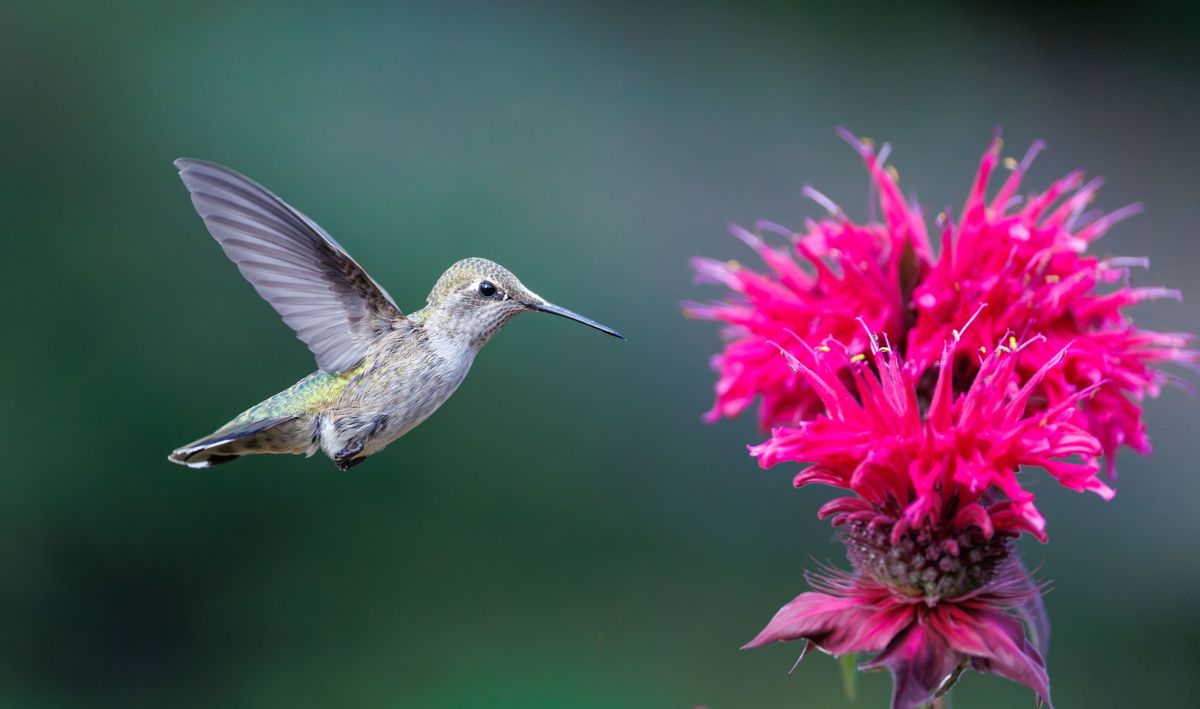
Photo by Veronika Andrews on Pexels
Essential facts every online shopper should know before picking a feeder material.
Decision Framework: Which Feeder Material Fits Your Yard?
Glass is the unequivocally safer choice for hummingbird nectar health, providing zero risk of chemical leaching, microplastic shedding, or surface scratch bacterial colonization under summer heat and solar light.
Best choice for
- Hand-Blown Glass Feeders — Silicate glass is non-reactive and does not leach synthetic polymers or plasticizers when heated by direct sunlight.
- Heavy-Duty Polycarbonate (Short-Term Use) — Offers shatter resistance if dropped, but requires frequent replacement once surface scratches appear.
- Hanging cheap, thin plastic feeders in direct sunlight where ambient heat exceeds 85°F.
- Scrubbing plastic nectar reservoirs with wire or stiff abrasive bottle brushes that leave micro-grooves.
- Thick Hand-Blown Artisanal Glass with Metal Base — Combines non-porous chemical safety with heavy-duty durability, weather resistance, and decorative garden appeal.
Real-World Performance: High Heat, Direct Sun, and Twilight Solar Lighting
Intense Afternoon Sunlight (Arizona/Texas Desert Climates) — Use thick hand-blown glass with shade coverage or a protective solar top. Glass withstands intense solar UV without leaching toxic plasticizers or warping.
Humid Summer Mid-Atlantic & Southern Regions — Choose non-porous glass paired with a rust-resistant coated metal base. Non-porous glass prevents mold and fungal spores from taking root during humid heatwaves.
Evening Garden Entertaining & Patio Decor — Opt for a solar-powered RGB glass feeder. The glass reservoir holds nectar safely during daytime feeding, while the top-mounted solar cell powers ambient illumination after twilight.
How feeder materials respond under typical North American backyard environments.
To understand why material choice matters so critically for hummingbird health, we must examine what happens at the molecular level when sunlight hits an outdoor feeder.
Polymer Breakdown in Outdoor Environments
Commercial plastic feeders are molded from polymers like polyethylene terephthalate (PET), polystyrene, or polycarbonate. While convenient and lightweight, plastic polymers are held together by synthetic chemical bonds that are vulnerable to photo-oxidation. When solar ultraviolet (UV) radiation strikes outdoor plastic, it delivers energy that splits these chemical chains—a process known as photodegradation.
As the plastic degrades, it releases additive compounds including phthalate plasticizers, bisphenol-A (BPA), bisphenol-S (BPS), and antimony catalysts into the liquid held inside. Because hummingbird nectar is an acidic sucrose solution (pH 4.0–5.5 when mixed), chemical extraction occurs even faster than it would with pure water. Over weeks of exposure to 85°F+ sun, warm nectar acts as a solvent, pulling microplastics and chemical residues directly into the solution that tiny birds consume daily.
Silicate Stability: Why Hand-Blown Glass Remains Inert
In stark contrast, hand-blown glass is produced by melting natural silica sand (silicon dioxide), soda ash, and limestone at temperatures exceeding 2,300°F. This intense thermal process fuses the minerals into an amorphous, non-crystalline solid bound by exceptionally strong silicon-oxygen covalent bonds.
Glass contains no plasticizers, organic solvents, or synthetic binders. It is completely inert and insoluble in liquid, regardless of acidity, sunlight intensity, or ambient temperature. Even under blazing midsummer sun, glass reservoirs maintain pristine chemical isolation—ensuring the nectar your hummers drink remains as pure as natural flower syrup.
Microbiology of Micro-Scratches: Glass vs. Plastic Sanitation
Beyond chemical safety, material choice directly dictates feeder hygiene. When you scrub a plastic reservoir with a standard bottle brush, hard plastic bristles leave hundreds of microscopic grooves along the internal walls. These micro-scratches are invisible to the human eye, but to fungal spores like Candida reukaufii (black yeast), they form ideal protective harbors.
Once spores nest inside plastic micro-grooves, standard water rinses cannot dislodge them. Fungal colonies rapidly ferment fresh sugar syrup into alcohol and dangerous mycotoxins, which can cause tongue swelling (avian candidiasis) and fatal starvation in hummingbirds. Glass, boasting a Mohs hardness score far superior to synthetic plastics, resists scratch formation during routine washing. Fungi cannot anchor to its smooth surface, allowing simple hot-water rinses to deliver complete, biological sanitation every time.
Related Nectar Safety & Freshness Guides
- Glass vs. Plastic Hummingbird Feeders: Which Shields Nectar Best?
- Plastic vs. Glass Hummingbird Feeder: Which Is Best for Your Garden?
- Glass vs. Plastic Hummingbird Feeders: Which Lasts & Prevents Leaks?
Featured Safe Feeder Choice: LUJII Hand-Blown Solar Glass Feeder
Combine maximum chemical safety with stunning handcrafted garden aesthetics.
Actionable Next Steps for Safe Garden Feeding
Your decision: Choose non-porous hand-blown glass feeders for permanent outdoor garden setups to ensure zero chemical leaching and complete bacterial removal during cleaning.
Do this next: Inspect existing plastic feeders for cloudiness or fine scratches; replace high-exposure sun feeders with handcrafted glass reservoirs featuring leak-proof metal bases.
- Read next: Hot Weather Nectar Ratios: How to Keep Hummingbird Food Fresh in Summer
- Read next: How to Make Safe DIY Hummingbird Nectar: The Ultimate 4:1 Recipe
Upgrade your garden with the LUJII Solar-Powered Hand-Blown Glass Hummingbird Feeder (32 oz, RGB Lights, Leak-Proof Base).
Take these simple steps today to upgrade your garden setup and keep your local hummingbird population thriving.
Cover photo by Veronika Andrews on Pexels.