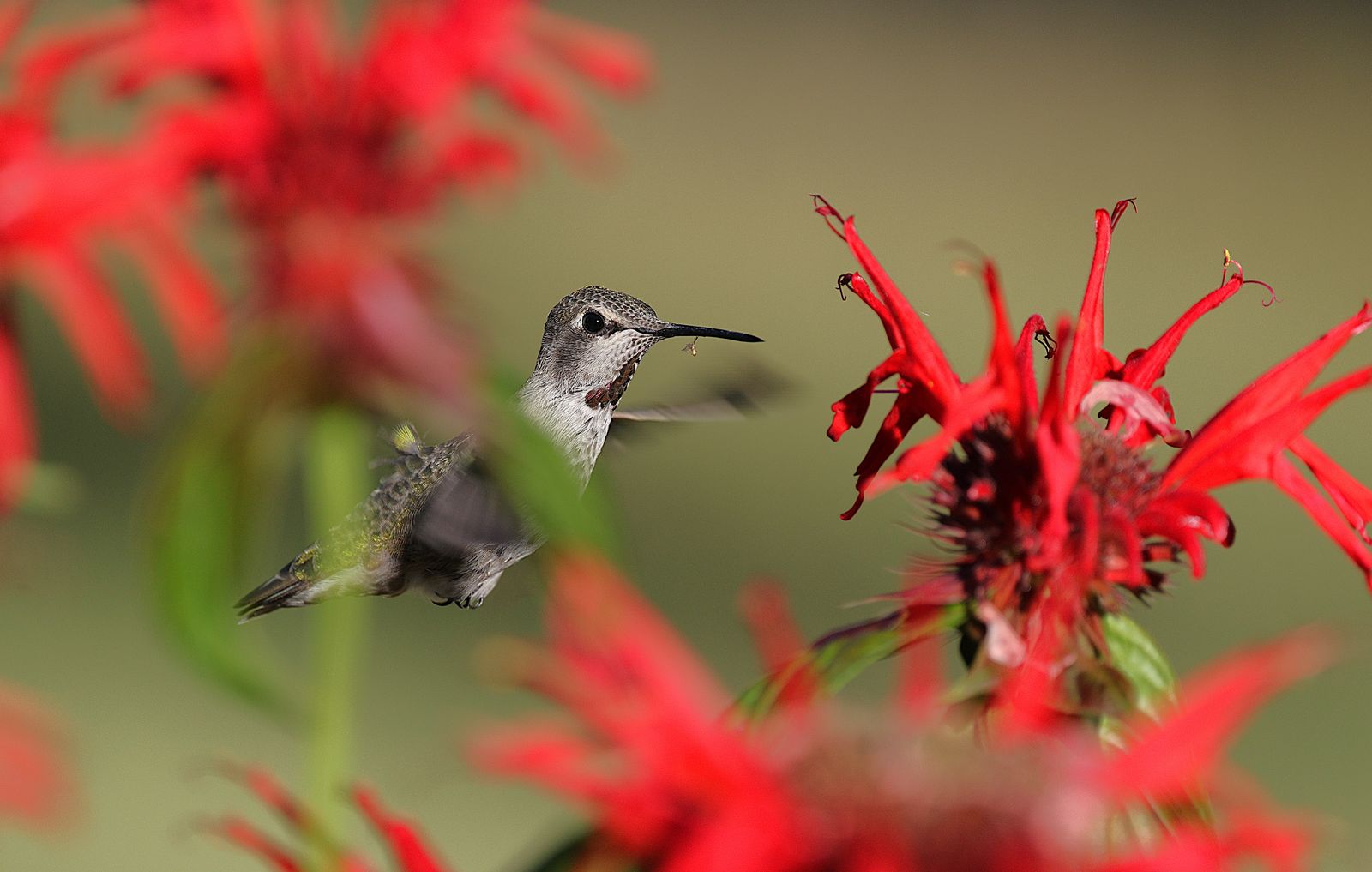
Evening Sanctuary Layouts: Illuminating Hummingbird Sightlines at Dusk
Position your solar hummingbird feeder 10 to 15 feet from your primary outdoor seating area and 5 to 6 feet above the ground, maintaining a 6 to 10 foot distance from protective tree cover. Ensure the top solar panel receives at least 6 hours of unshaded direct daylight to power up to 8 hours of continuous RGB illumination at dusk.
Essential Garden Layout Numbers at a Glance
Building an evening bird sanctuary requires balancing direct sunlight harvesting with comfortable viewing angles and avian safety. Keep these core numerical guidelines in mind when planning your layout:
- 10–15 Feet Viewing Distance: Positions the hand-blown glass reservoir at the ideal visual focal point from patio chairs without scaring skittish twilight feeders.
- 6 Hours Unshaded Sunlight: Ensures the top solar battery recharges fully to deliver 8 hours of multi-color RGB glow after sunset.
- 32 fl. oz Reservoir Weight: Requires heavy-duty mounting hardware rated for at least 5 to 10 lbs to prevent swaying in summer gusts.
- 6 Feet Lighting Separation: Keeps ground spotlights and patio lights far enough away to avoid triggering the solar cap's automatic daylight shutoff sensor.
- 2,300°F Artisan Glass Craft: Provides thick, durable, translucent hand-blown glass that beautifully diffuses internal LED illumination.
Dusk Sightline Layout Schematics: Patio to Solar Feeder
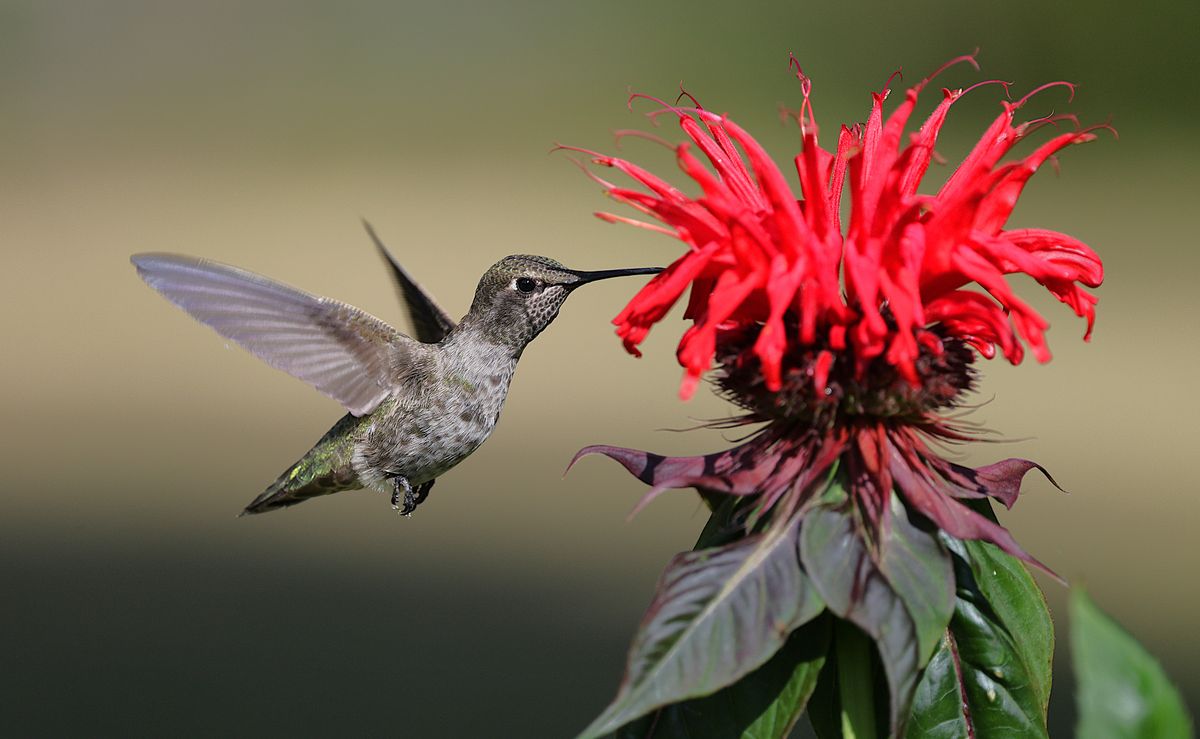
Photo by Veronika Andrews on Pexels
The diagram below illustrates the exact spatial geometry needed to balance solar energy harvesting, clear sightlines from patio seating, and safe cover for hummingbirds taking their final twilight feeds.
3 Backyard Layout Blueprints for Evening Illumination
Compact Urban Patio or Deck (8–10 Ft Radius) — Mount a rust-proof metal shepherd's hook on the outer corner of your deck railing, angling the solar cap outward toward south/west sky exposure. Keep outdoor patio string lights at least 6 feet above or away from the feeder top so the automatic light sensor activates properly at twilight.
Suburban Flowerbed & Lawn (12–15 Ft Radius) — Install a double-prong 72-inch shepherd's hook directly in a garden bed 12 to 15 feet from your outdoor dining table. Position the feeder 6 to 8 feet away from high shrubs like lilacs or hydrangeas, creating a safe staging perch for hummingbirds refueling before dark.
Expansive Landscape & Pool Perimeter (15–20 Ft Radius) — Create a dedicated glowing focal point at a 15-to-20-foot distance along a garden path. Group low-lumens landscape pathway lights around the base of the post while elevating the 32 oz hand-blown glass feeder to 6 feet, allowing the vibrant RGB light transitions to anchor the evening view.
Every outdoor space has its own spatial footprint. Select the garden scenario that best matches your home layout to create a mesmerizing dusk sanctuary.
Inspiration Gallery: Hand-Blown Glass Night Sanctuary Layouts
Explore how handcrafted translucent glass and soft RGB LED lighting transform evening garden spaces into magical glowing retreats.
Frequently Asked Questions About Nighttime Solar Feeder Layouts
Answers to common questions about dusk hummingbird behavior, glass care, and solar placement.
Lighting Distance Matrix: Ambient Solar Accent vs. RGB Feeder Glow
| Layout Criteria | Direct Seating Edge (0–5 ft) | Optimal Dusk Focal Zone (10–15 ft) | Outer Yard Boundary (20+ ft) |
| --- | --- | --- | --- |
| Recommended Hanging Height | 5.0 - 5.5 Feet | 5.5 - 6.0 Feet | 6.0 - 6.5 Feet |
| Solar Exposure Efficiency | Partial (50%–70% charge due to roof eaves) | Optimal (100% / 6+ hrs direct sun) | Maximum (Unshaded open sky) |
| Night RGB Visual Impact | Overpowering close-up brightness | Balanced ambient artistic glow | Faint / loss of glass detail |
| Twilight Bird Comfort Level | Low (Skittish near patio movement) | High (Optimal security & sightlines) | High (Unbothered by human activity) |
| Maintenance & Refill Access | Extremely Easy | Convenient & Quick | Requires longer walk across yard |
To maintain a whimsical nighttime view without washing out handcrafted glass artwork, structure your garden lighting according to distance zones.
Pro Tip: Balancing RGB Light Modes for Maximum Visual Effect and Bird Comfort
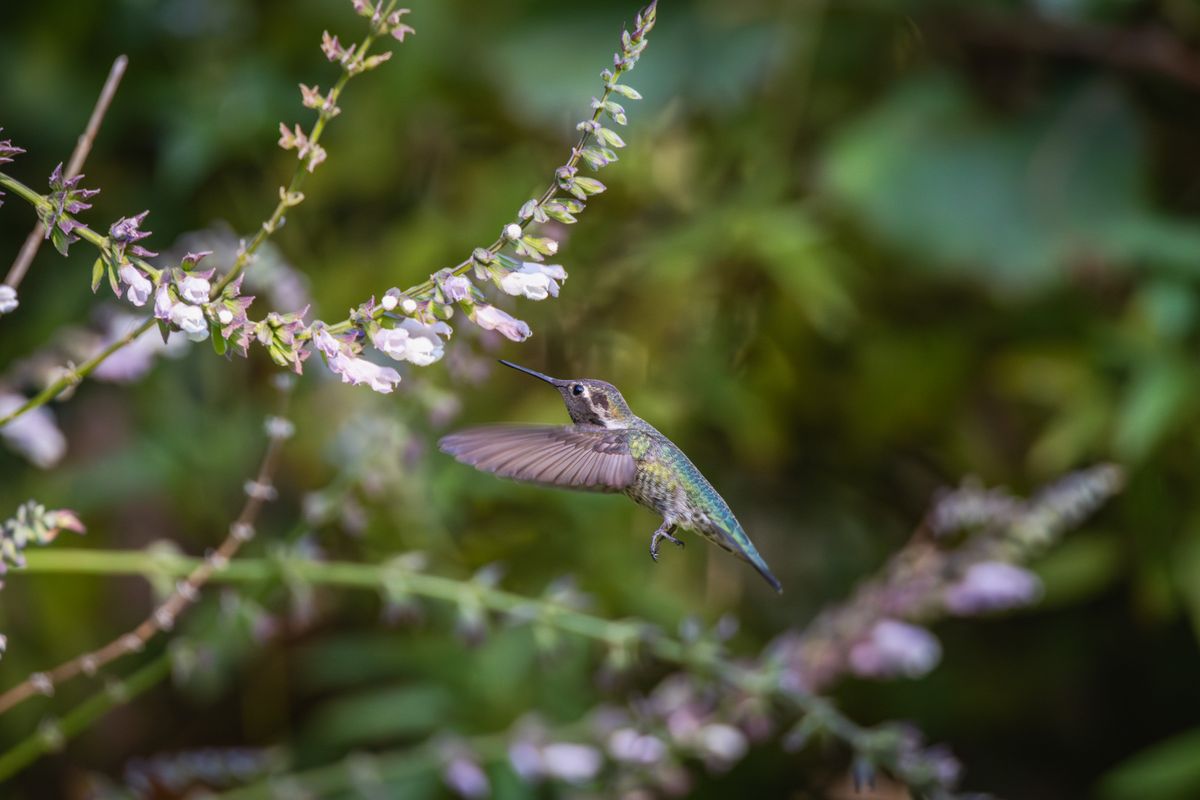
When setting up your solar feeder's RGB lighting options, choose gradual color transitions or static warm hues during peak dusk hours (roughly 30 minutes before to 30 minutes after sunset). Hummingbirds rely on steady light to navigate during their final high-energy feeding frenzy before entering nighttime torpor. Rapid strobe effects can disorient twilight feeders, whereas smooth color shifts showcase the 2,300°F hand-blown glass patterns while keeping your winged visitors calm.
Explore More Backyard Sanctuary Design Guides
Enhance your outdoor sanctuary with these related landscaping and avian lighting guides:
- Designing a Whimsical Backyard Sanctuary: Landscaping for Bird Lovers — Learn how to layer native nectar flowers and water features around illuminated feeders.
- Summer Evening Solar Lighting Ideas for Glowing Gardens — Creative ways to layer pathway accent lights without interfering with solar cap dusk sensors.
- Artisan Glass Garden Decor Care & Maintenance — Detailed instructions for preserving hand-crafted blown glass through seasonal weather changes.
Featured Garden Accent: LUJII Solar Hummingbird Feeder
Elevate your evening garden view with the ultimate fusion of handcrafted glass art and renewable solar lighting.
Your Step-by-Step Evening Sanctuary Action Plan
Your decision: Determine your garden's primary viewing angle and measure a 10-15 foot distance vector receiving at least 6 hours of unshaded daily sunlight.
Do this next: Install a heavy-duty rust-proof shepherd's hook at a 5-to-6-foot height within 10 feet of protective shrubbery, then hang your 32 oz hand-blown glass solar feeder.
Related resource: Downloadable Dusk Garden Lighting Blueprint PDFLUJII Hand-Blown Glass Solar Hummingbird Feeder (32 fl. oz)
Follow these simple steps to position, charge, and enjoy your illuminated hand-blown glass feeder.
Cover photo by Veronika Andrews on Pexels.