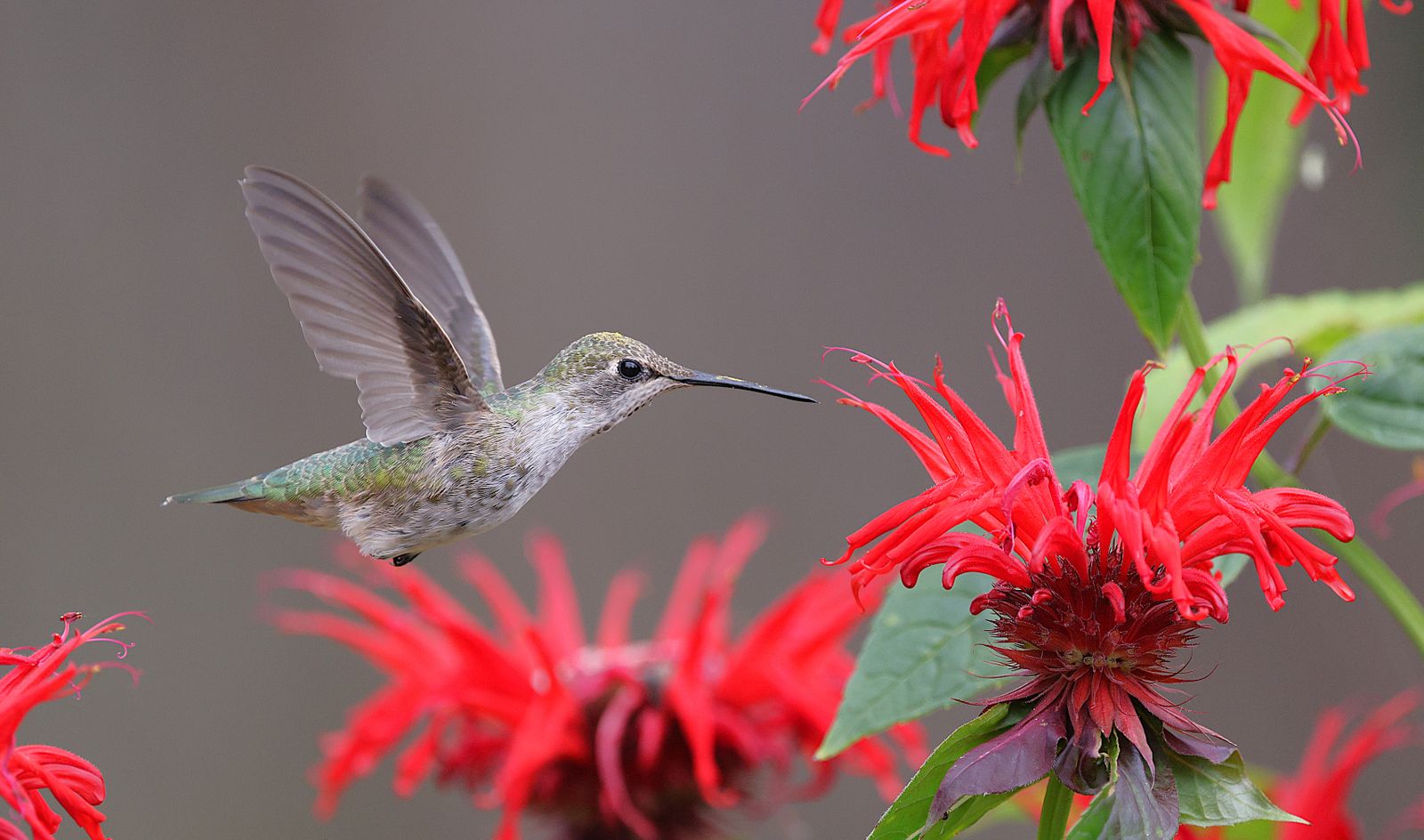
How to Keep Your Hand-Blown Glass Solar Hummingbird Feeder Sparkling Clean
Should you clean a solar glass hummingbird feeder like standard tableware? No. To protect sensitive solar electronics while maintaining the optical brilliance of 2,300°F hand-blown glass, always detach the solar cap and wipe it clean with a damp microfiber cloth. Never submerge the electronics. Soak the glass reservoir and metal base in a warm 1:4 white vinegar-and-water solution before brushing gently with soft nylon tools.
Essential Pre-Clean & Sanitization Checklist
- [ ] Unplug or switch off solar cap; remove module and place in dry area.
- [ ] Inspect anti-rust metal base gasket and feeding ports for nectar buildup.
- [ ] Prepare 1:4 ratio of organic white distilled vinegar to warm tap water (never boiling).
- [ ] Select soft nylon bottle brushes or microfiber cloths; avoid steel wool or scotch-brite pads.
- [ ] Rinse glass thoroughly with lukewarm water until all vinegar aroma dissipates.
- [ ] Allow all components to dry completely in shade before refilling fresh 1:4 sugar nectar.
Printable Feeder Maintenance Card
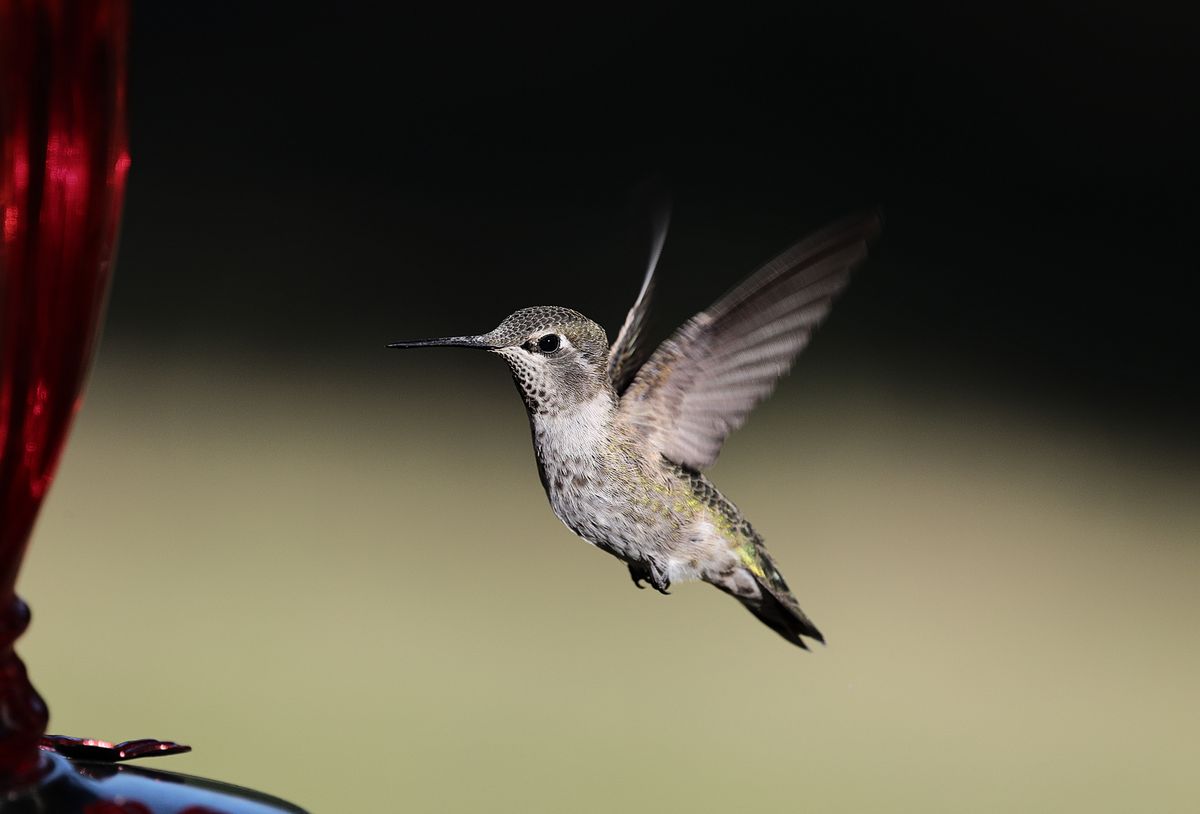
Photo by Veronika Andrews on Pexels
- SOLAR CAP: Wipe top and underside solar cell with a damp cloth ONLY. Never submerge.
- GLASS RESERVOIR: 15-minute soak in 1:4 white vinegar water. Brush interior curves gently.
- METAL BASE & PORTS: Flush feeding ports under warm tap water; dry anti-rust coating thoroughly.
- TEMPERATURE RULE: Above 85°F? Wash every 2 days. 70°F–85°F? Wash every 3 days. Below 70°F? Wash every 4–5 days.
- LIGHTING CHECK: Ensure solar panel receives 6+ hours of unshaded sunlight daily for maximum nighttime RGB brilliance.
Artisan Tip: Preserving Optical Clarity & Light Refraction
Handcrafted glass feeders are shaped by master artisans at 2,300 degrees Fahrenheit, creating unique translucent swirls and internal curves. When mineral scale or micro-film builds up inside, it doesn't just look dull—it actually blocks sunlight from refracting into those mesmerizing rainbow beams across your yard! Avoid abrasive scrubbers at all costs; micro-scratches permanently trap mold spores and scatter light unevenly. A gentle 1:4 white vinegar soak dissolves mineral haze naturally, restoring the glass to its original brilliant sparkle so your nighttime RGB light show shines through with crystalline perfection.
Visual Inspection: Clean vs. Clouded Glass Feeders
A quick visual check tells you everything about nectar safety and solar light quality. Inspect your feeder against direct sunlight to identify early film buildup before mold takes root.
Anatomy & Safe Demounting Diagram
Understanding how your feeder's three primary modules interlock is the key to preventing water damage and leaks. Refer to this structural callout during disassembly.
Feeder Failure Modes & Solution Matrix
| Failure Scenario | Root Cause | Immediate Remedy | Prevention Strategy |
| --- | --- | --- | --- |
| Scenario: Glass reservoir shows a cloudy, white hazy film that doesn't rinse away. | Calcium deposits and hard water minerals bound to lingering sugar residue. | Soak reservoir in a 1:4 white vinegar solution for 20 minutes; scrub interior gently with a foam bottle brush. | Filter tap water or use distilled water when mixing sugar nectar to reduce mineral deposits. |
| Scenario: Solar cap lights fail to illuminate or flicker erratically at night. | Water ingress into solar cap LED housing from pressure rinsing or rain submersion. | Remove solar cap immediately, dry contacts with a microfiber cloth, and leave in a warm, dry room for 24 hours. | Never submerge or rinse the solar cap under running tap water; wipe top solar housing with a lightly damp cloth only. |
| Scenario: Dark specs or black mold spots appear near metal base feeding ports. | Nectar trapped in port threads ferments rapidly in temperatures exceeding 80°F. | Disassemble metal base completely; brush ports with a small flexible nylon pipe brush dipped in warm vinegar solution. | Clean base every 2–3 days during summer peaks; rinse metal feeding ports thoroughly after each refill. |
| Scenario: Nectar drips continuously from base ports onto garden foliage. | Thermal expansion from direct afternoon sun creating internal air pressure imbalance. | Verify base gasket is seated flush; relocate feeder to an area with morning sun and afternoon shade. | Ensure glass reservoir is tightened securely onto the sealed metal base, but avoid over-threading. |
When something goes wrong with nectar flow, glass clarity, or solar lighting, use this diagnostic matrix to identify failure scenarios and apply instant fixes.
Immediate Care Action Protocol
Your decision: Decide whether your feeder needs a quick weekly rinse or a 1:4 vinegar deep-soak for mineral removal.
Do this next: Safely detach the solar cap, wipe the lid down with a microcloth, and soak the glass reservoir in warm vinegar solution for 15 minutes.
- Read next: How to Care for Hand-Blown Glass Hummingbird Feeders Without Fading Color
Check out the LUJII Hand-Blown Solar Hummingbird Feeder with 32 oz capacity and RGB LED illumination for your garden setup.
Take these quick steps right now to ensure your feeder stays safe, sanitary, and stunningly bright tonight.
Core Maintenance Rules for Avian Safety & Yard Brilliance
- Isolate the Solar Housing: The protective plastic solar cap shields electronics from rain but must never be submerged or rinsed under tap water.
- Use the 1:4 Vinegar Formula: Organic white distilled vinegar dissolved at a 1:4 ratio removes mold and calcium without leaving chemical smells or dulling glass pigment.
- Protect the 2,300°F Glass Art: Never expose hand-blown glass to thermal shock from boiling water or abrasive scouring pads.
- Match Cleaning to Heat: High summer heat ferments sugar water into toxic fungus rapidly—increase wash frequency to every 48 hours when ambient temps surpass 85°F.
- Keep Ports Clean for RGB Refraction: Thoroughly clean the inner glass walls so nighttime RGB LEDs scatter bright light through pristine, clear glass patterns.
Temperature-Based Cleaning & Refill Schedule
- Temperatures above 85°F (29°C) — Clean and refill every 2 days. High heat accelerates mold growth rapidly. Perform quick vinegar rinse and wipe solar cap.
- Temperatures 70°F to 85°F (21°C–29°C) — Clean and refill every 3 days. Full disassembly, soft brush scrub of glass reservoir interior, dry solar panel.
- Temperatures below 70°F (21°C) — Clean and refill every 4 to 5 days. Inspect metal base for hard water spots; wipe solar top to remove dust or pollen buildup.
6 Critical Mistakes That Ruin Solar Glass Feeders
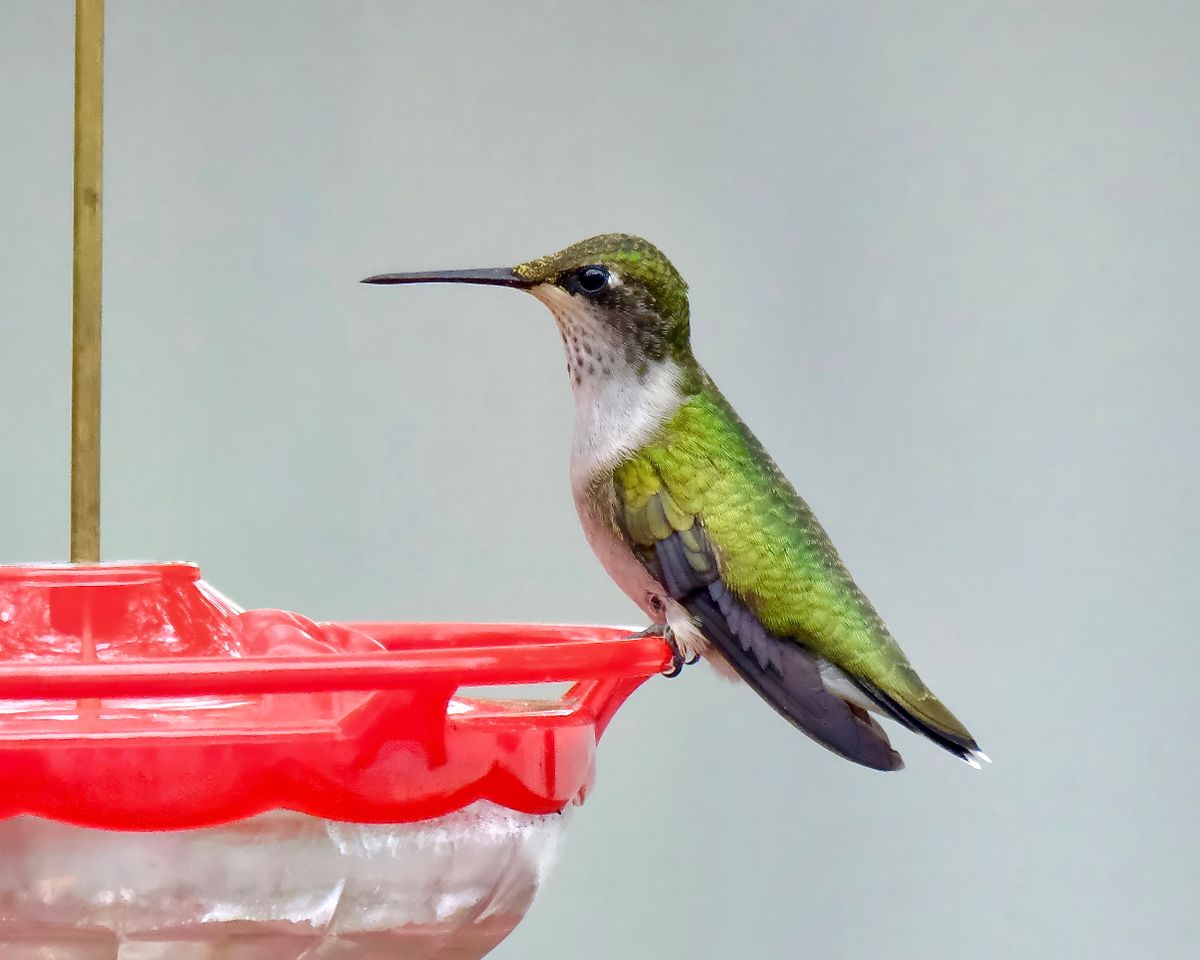
Photo by A. G. Rosales on Pexels
Avoid these six frequent missteps to safeguard your feeder's hand-blown glass art and integrated solar lighting.
Step-by-Step Deep Cleaning Timeline (15-Minute Method)
- Minute 0:00 - Disassembly & Solar Isolation — Unscrew solar top cap. Place LED module safely on a dry microfiber cloth away from water splash zones.
- Minute 02:00 - Vinegar Soak Preparation — Mix 1 cup organic white distilled vinegar with 4 cups warm tap water in a clean basin. Submerge glass body and disassembled metal base.
- Minute 05:00 - Interior Curve & Port Scrubbing — Use a flexible soft nylon bottle brush to clean the internal curves of the 32 oz glass reservoir. Use a small port brush on metal base openings.
- Minute 10:00 - Thorough Lukewarm Rinse — Rinse glass and metal components under warm running tap water until all traces and smell of vinegar are completely eliminated.
- Minute 12:00 - Solar Cap Wipe & Solar Inspection — Wipe top solar collector lens with a damp microfiber cloth to remove outdoor dust, pollen, or dried bird droppings.
- Minute 15:00 - Air Dry & Fresh Nectar Refill — Allow components to air-dry completely in a shady spot. Reassemble base, pour fresh 1:4 sugar nectar, attach solar cap, and hang!
Enhancing Your Yard Aesthetics & Feeder Knowledge
Expand your knowledge on garden styling, solar lighting placement, and hand-blown glass art preservation:
- Spring Outdoor Styling: Vibrant Glass Accents in the Garden
- Glass vs. Plastic Hummingbird Feeders: Light Refraction & Durability
- How to Care for Hand-Blown Glass Hummingbird Feeders Without Fading Color
- Artisan Solar Feeder Gift Guide: Choosing Colors and Styles
Frequently Asked Questions
Got specific questions about vinegar safety, LED longevity, or cleaning tools? Here are expert answers to keep your setup running smoothly.
Recommended Care Accessories & LUJII Glass Feeders
Bring magical light and life to your garden with handcrafted solar feeders designed for effortless cleaning and maximum durability.
Final Next Steps for Garden Enthusiasts
Your decision: Choose the perfect hand-blown solar hummingbird feeder color pattern to elevate your outdoor patio decor.
Do this next: Detach your feeder's solar top, perform a quick vinegar rinse on the glass body, and enjoy brilliant optical light refraction and healthy visiting hummingbirds.
- Read next: Hand-Blown Glass Craftsmanship & Garden Decor Guide
Explore LUJII Solar Hummingbird Feeders at https://solarhummingbirdfeeder.com to find unique hand-blown glass art pieces for your yard.
Ready to make your garden glow day and night? Keep your feeder sparkling clean and explore LUJII's artisanal glass collections today!
Cover photo by Veronika Andrews on Pexels.