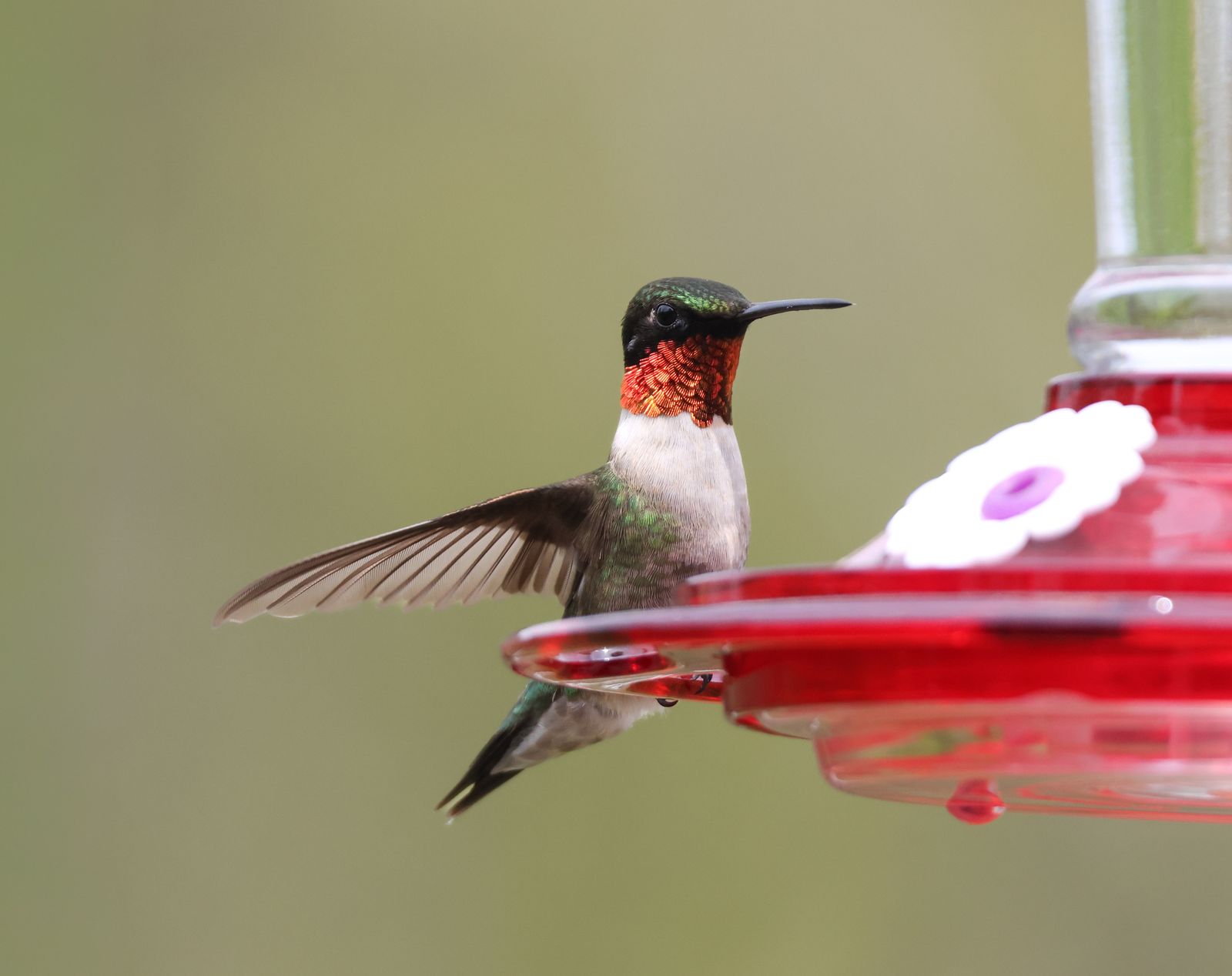
Can Solar Hummingbird Feeders Stay Outside in Winter? Glass & Battery Care Guide
Contrary to popular belief, hand-blown glass solar hummingbird feeders do not need to be hidden away in winter storage the moment autumn temperatures drop. Hand-blown glass easily withstands freezing cold air; however, liquid sugar nectar expands as it freezes at 27°F (-3°C), creating internal pressure that can shatter the reservoir. If you drain all nectar and clean the feeder, the durable glass and IP65 waterproof solar cap can safely remain outdoors as an illuminated winter garden lantern.
Winterization Decision Framework: Leave Outdoor or Store Inside?
Your winter care decision depends on local overnight temperatures, the presence of overwintering birds, and whether you plan to use the feeder as an illuminated dry garden light.
Best choice for
- Keep Outdoor Year-Round with Nectar — Overwintering hummingbirds actively feed, nectar will not freeze, and solar RGB lighting operates normally.
- Convert to Dry Solar Garden Lantern — Draining liquid eliminates ice expansion risk while allowing the hand-blown glass reservoir and solar LED module to shine as ambient winter garden art.
- Clean & Store Indoors in Padded Storage — Protects handcrafted glass from falling heavy ice or branches and preserves lithium battery charging efficiency during sub-zero freezes.
- Leaving liquid nectar in the 32 oz glass reservoir when overnight forecasts drop below 27°F (-3°C).
- Pouring boiling water over a cold glass feeder during winter cleaning, which induces thermal shock.
- Dual-Feeder Daily Rotation — If hummingbirds overwinter in freezing zones, swap two feeders daily, bringing one indoors at dusk so nectar never freezes solid during feeding hours.
Featured Hand-Blown Solar Hummingbird Feeder Built for All-Season Beauty
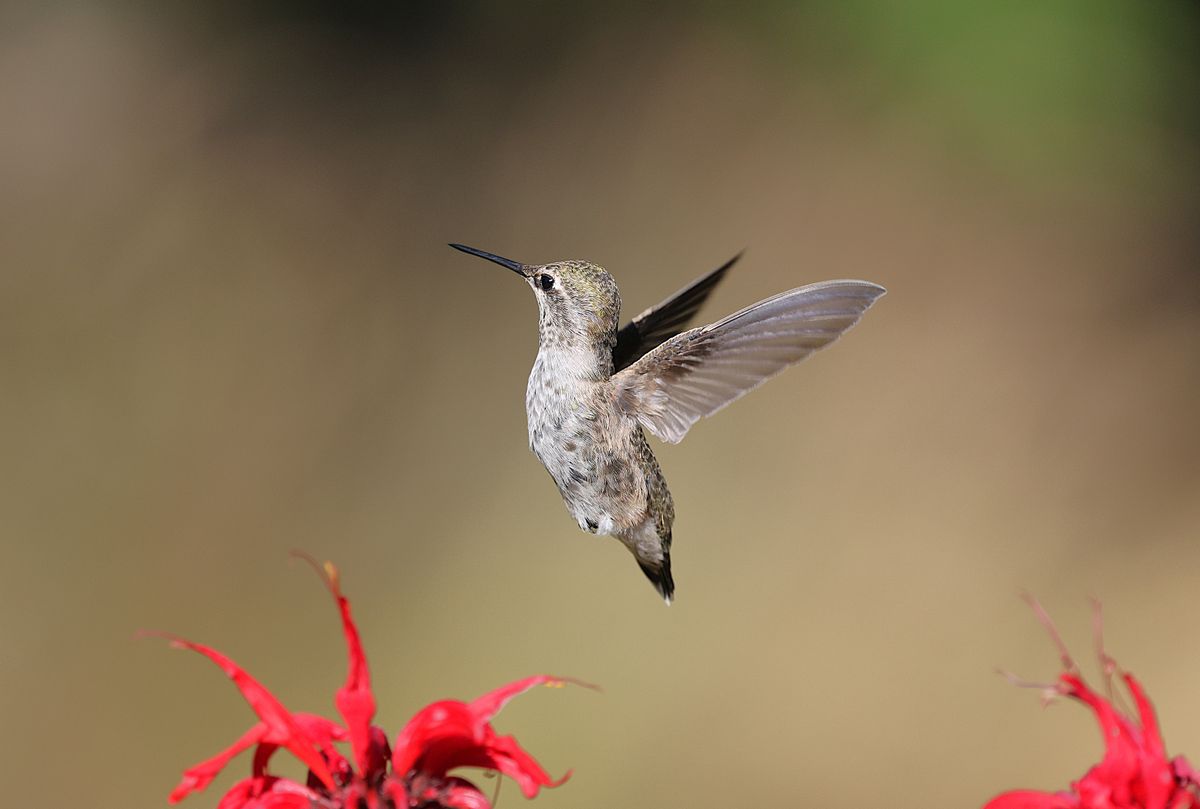
Photo by Veronika Andrews on Pexels
For garden enthusiasts who want vibrant daytime feeding and evening RGB illumination, the LUJII Solar-Powered Hummingbird Feeder combines heritage glass art with all-weather outdoor durability.
Enhance your backyard with handcrafted artisan beauty that shines day and night! Explore our LUJII Hand-Blown Glass Solar Hummingbird Feeders today to enjoy brilliant RGB lighting, leak-proof engineering, and stunning outdoor decor.
Artisan Tip: The Dual-Purpose Winter Garden Lantern Strategy
Don't let your beautiful backyard accent sit in a dark closet for four long months! Glassblowing artisans shape each glass reservoir at 2,300 degrees Fahrenheit, creating dense, durable glass and translucent color swirls that look breathtaking against fresh winter snow.
Once fall migration concludes in your area, wash the glass reservoir thoroughly with lukewarm water, let it dry completely, and re-hang it empty in a sheltered garden location. The top solar panel will continue to soak up winter sunlight, automatically illuminating your yard with ambient RGB light for up to 8 hours each evening—no nectar required!
6-Step Pre-Winter Glass & Solar Care Checklist
- [ ] Check local 7-day forecast for overnight freezing temperatures (below 32°F / 0°C).
- [ ] Empty remaining nectar completely to eliminate liquid expansion pressure inside the glass chamber.
- [ ] Wash the glass reservoir with lukewarm water and a soft bottle brush; never use boiling water.
- [ ] Inspect the anti-rust metal base and silicone sealing washer to ensure a clean, dry fit.
- [ ] Wipe the top solar panel lens with a damp microfiber cloth to remove dust, pollen, and tree sap.
- [ ] Decide: Re-hang dry in a sheltered location as an RGB garden lantern OR dry thoroughly and store indoors in a padded box.
Seasonal Weatherproofing & Regional Care Matrix
| Season & Task | Northern US (USDA Zones 3-6) | Central US (USDA Zones 7-8) | Southern US (USDA Zones 9-11) |
| --- | --- | --- | --- |
| | | | |
| | | | |
| | | | |
Winter arrives at different times across the United States. Use this regional guide to time your feeder winterization perfectly:
Key Takeaways: Glass Science & Solar Electronics
- Nectar Expansion Cracks Glass: Standard 1:4 sugar water freezes around 27°F (-3°C). Expanding ice creates pressure that shatters glass reservoirs.
- Cold Air Does Not Harm Hand-Blown Glass: Hand-crafted glass made at 2,300°F tolerates cold outdoor air easily when kept dry.
- Cold Weather Temporarily Shortens Battery Runtime: Rechargeable lithium solar batteries discharge faster in cold air, but runtime recovers once spring warmth returns.
- Dry Feeder = Winter Solar Art: Empty, clean feeders serve as stunning ambient solar lights in snowy winter landscapes.
- Avoid Thermal Shock: Never clean cold outdoor glass with hot or boiling water, as drastic temperature changes cause instant cracking.
Weather Resistance Comparison: Hand-Blown Glass vs. Plastic Solar Feeders
| Winter Condition / Stress Factor | LUJII Hand-Blown Glass Solar Feeder | Standard Plastic Solar Feeder |
| --- | --- | --- |
| | | |
| | | |
| | | |
| | | |
| | | |
Not all garden materials react to winter weather the same way. Here is how handcrafted glass compares to standard plastic feeders during cold months:
Technical Specifications & Material Tolerances
| Feeder Component | Material & Construction | Operating Temperature Limits | Winter Care Requirement |
| --- | --- | --- | --- |
| | | | |
| | | | |
| | | | |
| | | | |
| | | | |
Review the exact physical boundaries and engineering limits of hand-blown glass solar hummingbird feeders:
5 Common Winterization Mistakes That Crack Glass or Drain Batteries
Avoid these frequent mistakes to ensure your solar feeder lasts for years of garden enjoyment:
Recommended All-Season Solar & Glass Garden Resources
Expand your knowledge on caring for handcrafted garden glass and maximizing solar backyard lighting across changing seasons:
- How to Clean and Maintain Your Hand-Blown Solar Hummingbird Feeder: A comprehensive guide to removing mineral buildup, cleaning metal perches, and preserving glass clarity without scratching.
- The Art of 2,300°F Glassblowing: How Heritage Craftsmanship Shapes Garden Decor: Explore how traditional glass artisans melt, shape, and anneal colorful glass reservoirs for superior structural durability.
- Sustainable Backyard Decor for Fall: Blending Heritage Glass with Solar Illumination: Tips for styling your garden during autumn and winter using eco-friendly solar lighting and handcrafted accent pieces.
Frequently Asked Questions: Winter Care & Solar Feeder Protection
Find fast answers to common reader questions about winterizing glass solar hummingbird feeders:
Next Steps for Winterizing Your Solar Glass Feeder
Your decision: Determine if your local area drops below 32°F (0°C) overnight and whether late-migrating or overwintering hummingbirds are still present.
Do this next: If freezing forecasts arrive, wash your glass feeder, drain all nectar, and re-hang it dry as an illuminated winter solar lantern or pack it safely in padded storage until spring.
- Read next: How to Clean and Maintain Your Hand-Blown Solar Hummingbird Feeder
- Read next: Sustainable Backyard Decor for Fall: Blending Heritage Glass with Solar Illumination
LUJII Hand-Blown Glass Solar Hummingbird Feeder (32 fl.oz) with RGB Lighting
Take action today to safeguard your hand-blown glass feeder while keeping your winter garden brightly lit.
Cover photo by Catherine Dempsey on Pexels.