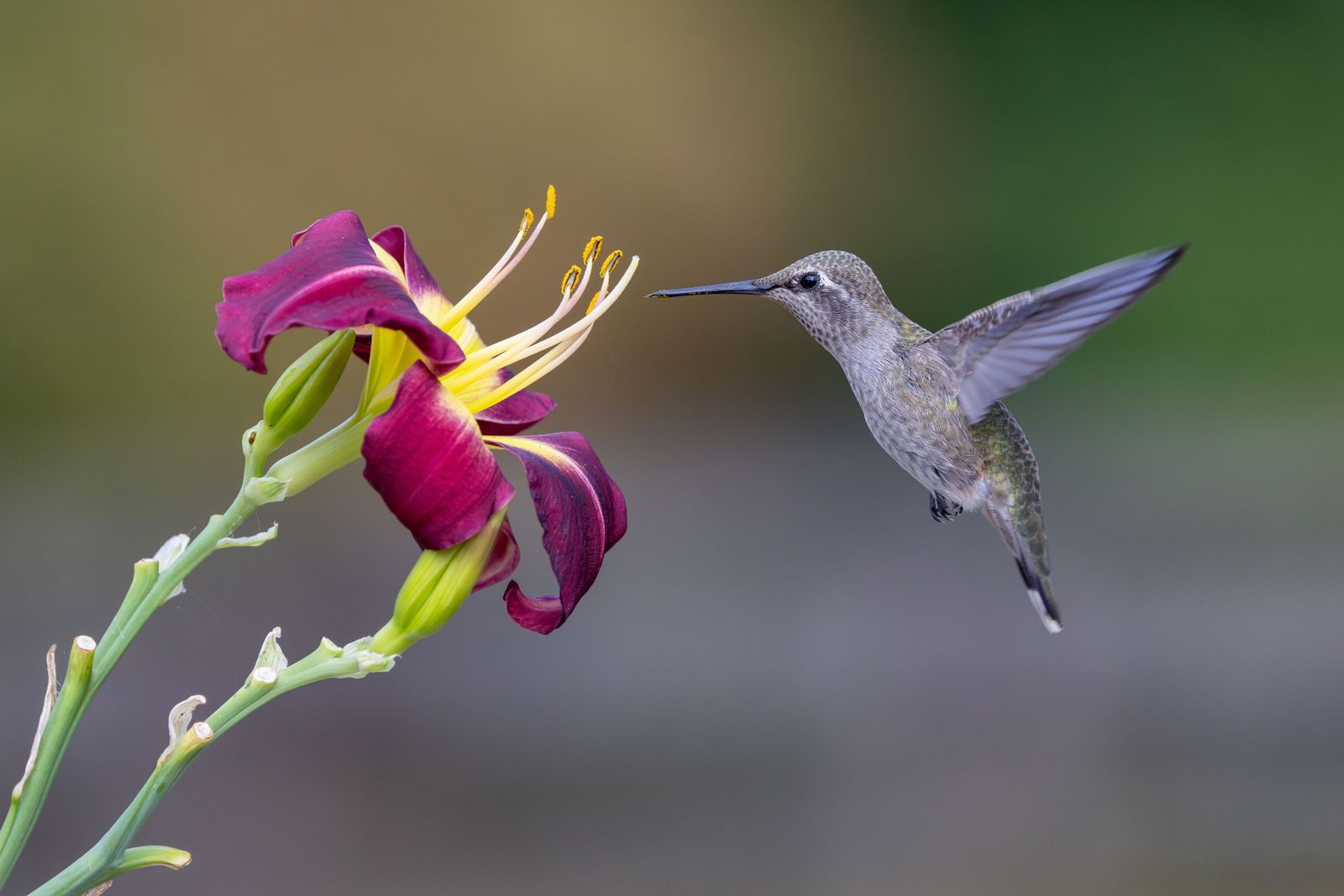
Native Hummingbird Garden Design: Plants, Water & Solar Lighting
A successful native hummingbird haven requires 3 distinct zones: 3 canopy tiers of native nectar plants, 1 moving water mister positioned 10 feet from feeders, and soft solar LED glass feeders placed at least 12 feet away from dark roosting trees to protect hummingbird torpor and sleep cycles.
Essential Haven Principles at a Glance
Designing an inviting, eco-friendly garden for hummingbirds relies on precise spatial geometry, native botanical succession, and proper lighting placement.
3-Zone Spatial Blueprint: Plants, Water, and Solar Light
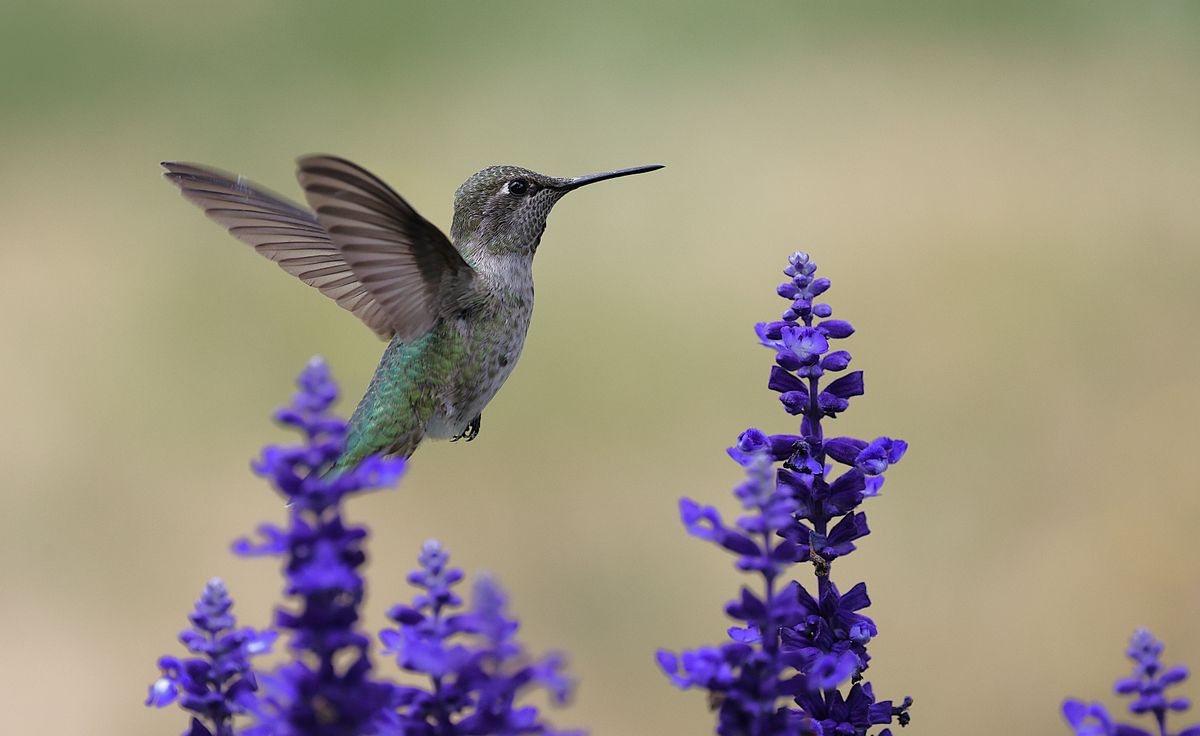
Photo by Veronika Andrews on Pexels
Proper layout geometry prevents light pollution in roosting areas while maximizing nectar visibility and bathing safety. Use the structural design map below to plan your garden setup.
Adapting the Layout to Your Yard's Footprint
Suburban Backyard (500+ sq ft) — Establish Zone 1 against mature oak or pine borders. Place a solar mister on a 10-foot offset shrub line in Zone 2. Center the LUJII Solar Glass Feeder over a full-sun native perennials bed (Zone 3) 12–15 feet from the canopy.
Compact Urban Patio or Deck (100–250 sq ft) — Use potted native Salvias and Agastache along the perimeter. Hang the solar feeder from an outer shepherd's hook 12 feet away from potted ficus or privacy hedges, mounting a micro-mister at knee level opposite the feeder.
Open Rural Garden / Meadow (1000+ sq ft) — Create multiple Zone 3 islands featuring native Trumpet Honeysuckle trellises and hand-blown solar glass feeders, ensuring each island is spaced 20 feet apart to reduce territorial aggression among males.
Whether managing a compact urban patio or an expansive suburban lawn, the 3-zone principles adapt easily to any outdoor footprint.
Pre-Installation Habitat Checklist
- [ ] Identify Zone 1: Dense canopy trees or tall native shrubs for safe roosting and shelter.
- [ ] Establish Zone 2: Position a fine water mister 10 feet away from feeding stations near perching twigs.
- [ ] Design Zone 3: Plant high-nectar native perennials (e.g., Monarda, Salvia) in full sun.
- [ ] Hang the solar glass feeder 12 feet away from roosting foliage to preserve bird sleep cycles.
- [ ] Ensure the solar cap receives 6–8 hours of direct sunlight for maximum nighttime RGB ambiance.
- [ ] Install ant moats and bee guards on your feeder base during hot summer months.
Regional Nectar & Feeder Bloom Calendar
| US Climate Region | Spring (Migration Arrival) | Summer (Nesting & Peak) | Fall (Southward Migration) | Feeder Solution Role |
| --- | --- | --- | --- | --- |
| Northeast & Mid-Atlantic | Eastern Red Columbine | Bee Balm (Monarda didyma) | Cardinal Flower | Supplement during early May cold snaps & Sept departures |
| Southeast | Coral Honeysuckle | Scarlet Sage (Salvia coccinea) | Autumn Sage (Salvia greggii) | Year-round or March–November primary nectar bridge |
| Midwest | Wild Blue Phlox | Royal Catchfly, Prairie Blazing Star | Great Blue Lobelia | Critical supplement during June nesting & late August broods |
| Southwest | Desert Beardtongue (Penstemon) | Agastache (Hummingbird Mint) | Pineleaf Penstemon | Crucial water & energy supply through scorching 100°F+ heat |
| Pacific Northwest | Red Flowering Currant | Nootka Rose, Fuchsia | Western Columbine | Essential high-calorie support for Anna's & Anna-Rufous hybrids |
To support hummingbirds throughout migration and breeding, match native floral bloom windows with supplemental feeder placement across your regional climate zone.
Frequently Asked Questions About Native Havens & Solar Lights
Get expert clarity on nighttime illumination, water placement, and pest control for your hummingbird haven.
Inspiration Gallery: Hand-Blown Solar Feeders in Native Landscapes
Visual inspiration showing how vibrant hand-blown glass art and soft ambient LED lighting blend seamlessly into natural garden foliage.
Zone Placement Criteria Matrix
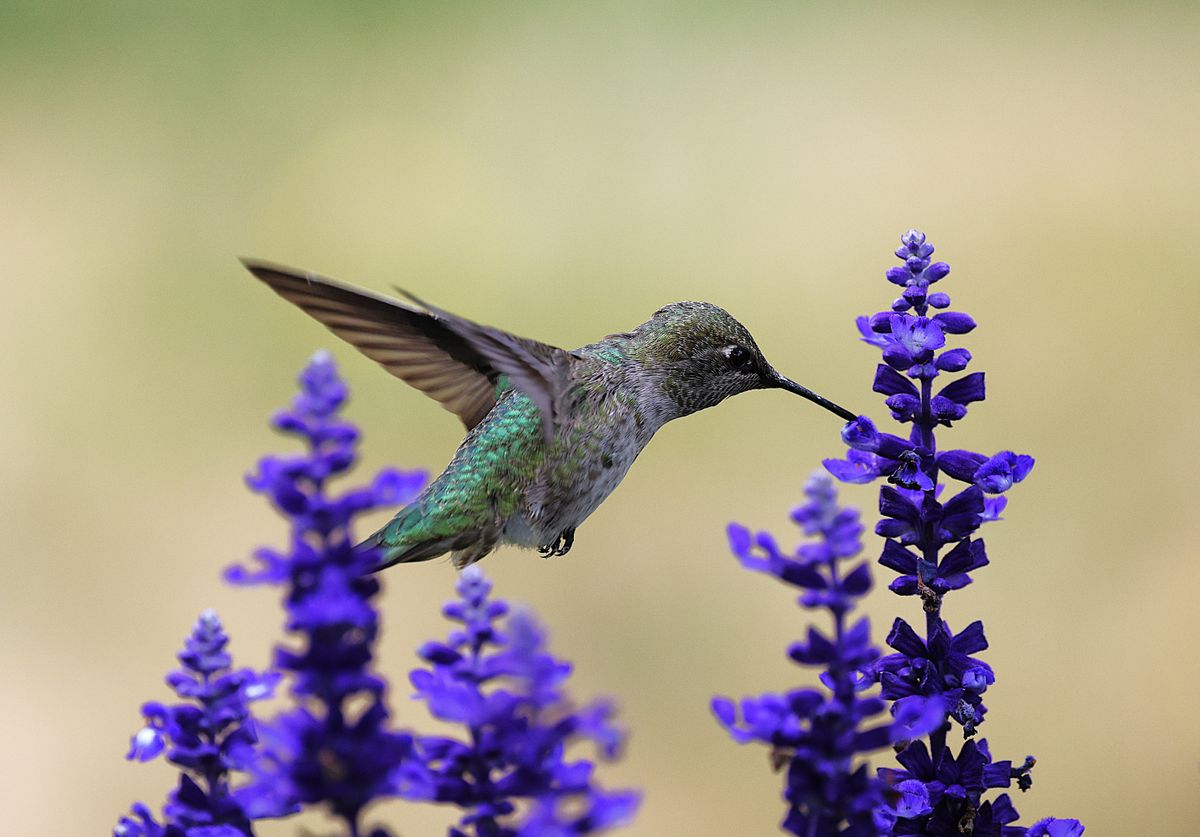
Photo by Veronika Andrews on Pexels
| Criterion | Zone 1: Roosting Canopy | Zone 2: Water Mister Zone | Zone 3: Solar Feeder & Nectar Bed |
| --- | --- | --- | --- |
| Ideal Sunlight Exposure | Shade / Partial Shade (0–3 hrs sun) | Partial Sun / Filtered Shade (3–5 hrs sun) | Full Direct Sunlight (6–8+ hrs sun) |
| Primary Elevation / Height | 15 to 25 feet above ground | 3 to 5 feet above ground | 5 to 6 feet above ground |
| Distance from Windows | 15 to 20 feet (reduces strike risk) | 10 to 12 feet | Within 3 feet OR beyond 10 feet |
| Lighting / Ambient Glow | 0 Lux (Complete Darkness for Torpor) | Filtered Low Ambient Glow | Soft Solar LED Glow (Up to 8 hrs) |
| Maintenance Frequency | Seasonal pruning (1x per year) | Weekly nozzle rinse / clearing | 2–3x weekly cleaning & refilling |
| Pest Defense Need | Low (Natural predator monitoring) | Moderate (Algae prevention) | High (Ant moat & leak-proof base required) |
Compare fundamental environmental and care requirements across all 3 sanctuary zones to ensure flawless spatial setup.
Master Gardener Tip: Protecting Sleep Rhythms & Nectar Quality
Hummingbirds rely on complete dark canopy shelter to enter torpor—a deep, energy-saving metabolic sleep state where their heart rate drops from 1,200 beats per minute down to under 50 beats per minute. Placing bright artificial lights directly inside roosting foliage forces birds to remain semi-alert, dangerously depleting critical body fat overnight.
By positioning your soft solar LED feeder 12 feet away in Zone 3, the hand-blown colored glass acts as a glowing twilight beacon without shining direct light into Zone 1 roosts. Furthermore, the solar cap shields the 32 fl.oz reservoir against direct daytime sun rays, reducing heat build-up and keeping nectar fresh up to 30% longer.
Deepen Your Hummingbird Habitat Knowledge
Explore these core topics to master glass feeder care and twilight bird observation:
- How Hummingbirds See Color: The Science Behind Glass & Light Attraction
- How to Clean and Maintain Your Hand-Blown Solar Glass Hummingbird Feeder
- Do Hummingbirds Feed at Night? Understanding Dusk Behavior Around Illuminated Feeders
Featured Centerpiece: Hand-Blown LUJII Solar Glass Feeder
Elevate your Zone 3 nectar station with artisan craftsmanship and eco-friendly solar lighting.
Your Action Plan for Building a 24-Hour Sanctuary
Your decision: Choose your primary garden focal point and map out 3 distinct zones using the 12-foot roosting offset rule.
Do this next: Map your garden sun patterns, select 3 regional native bloomers for spring-to-fall coverage, and position your solar glass feeder in Zone 3.
Related resource: https://solarhummingbirdfeeder.com/how-hummingbirds-see-color-glass-light-attractionElevate your Zone 3 focal point with the handcrafted LUJII Solar-Powered RGB Glass Hummingbird Feeder.
Follow these simple steps to transform your outdoor space into a thriving, illuminated hummingbird habitat.
Cover photo by Veronika Andrews on Pexels.