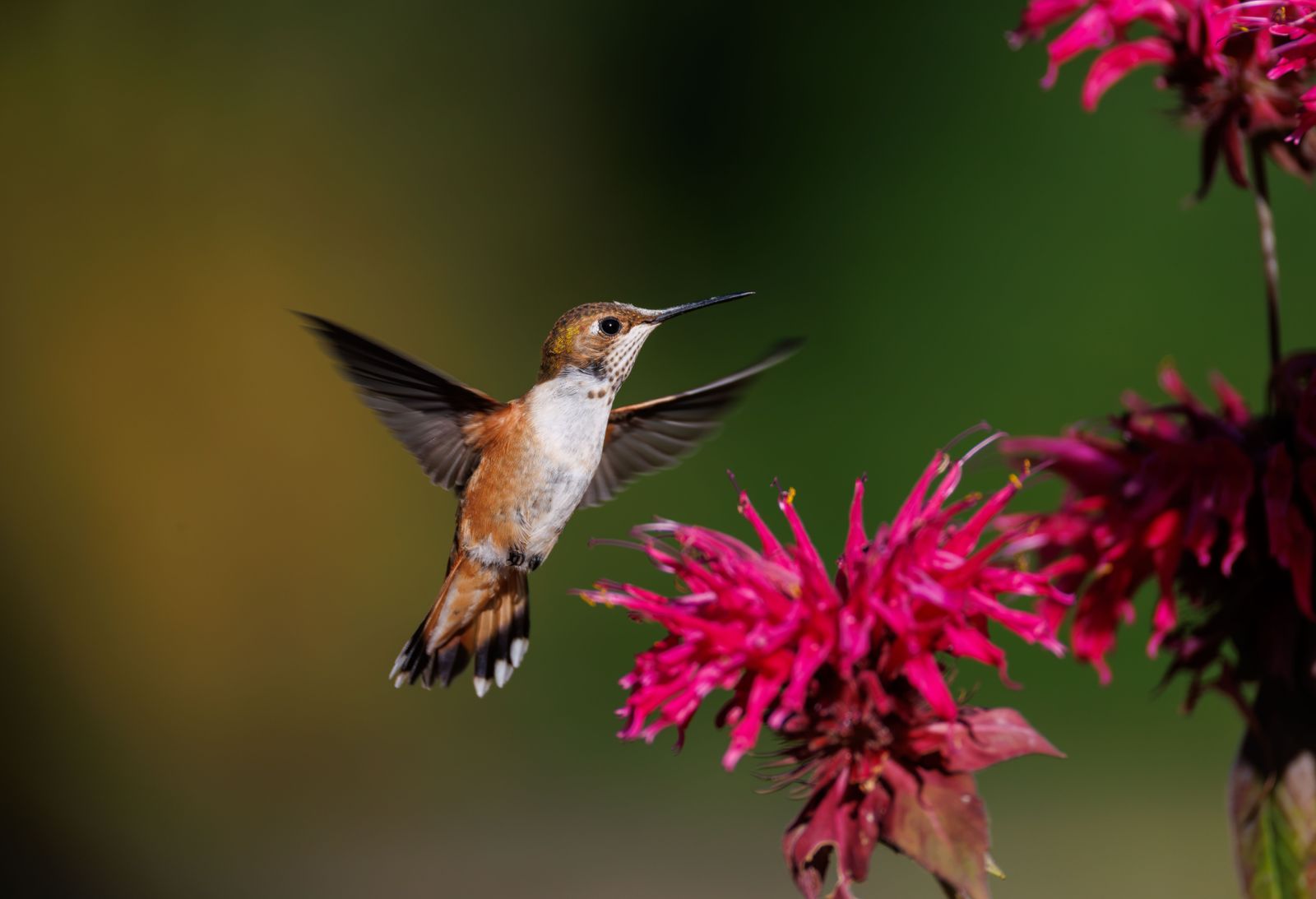
Best Weather Resistant Hummingbird Feeders for Late Fall (Glass vs Plastic)
Hand-blown glass hummingbird feeders with anti-rust metal bases are significantly better suited for late fall than plastic alternatives. The 2,300°F handcrafted glass provides natural thermal mass that delays nectar slush formation during mild frosts, while its heavy weight prevents wind-driven tipping and nectar leaks during gusty autumn storms.
Late Fall Durability Scorecard: Hand-Blown Glass vs. Molded Plastic
| Evaluation Criteria | Hand-Blown Glass + Metal Base (LUJII) | Molded Acrylic / Plastic |
| --- | --- | --- |
| | | |
| | | |
| | | |
| | | |
| | | |
| | | |
Evaluated across six late-autumn weather variables, handcrafted glass feeders with sealed metal bases offer superior thermal protection and structural stability compared to lightweight plastic models.
Material Trade-Offs Under Late Autumn Weather Stress
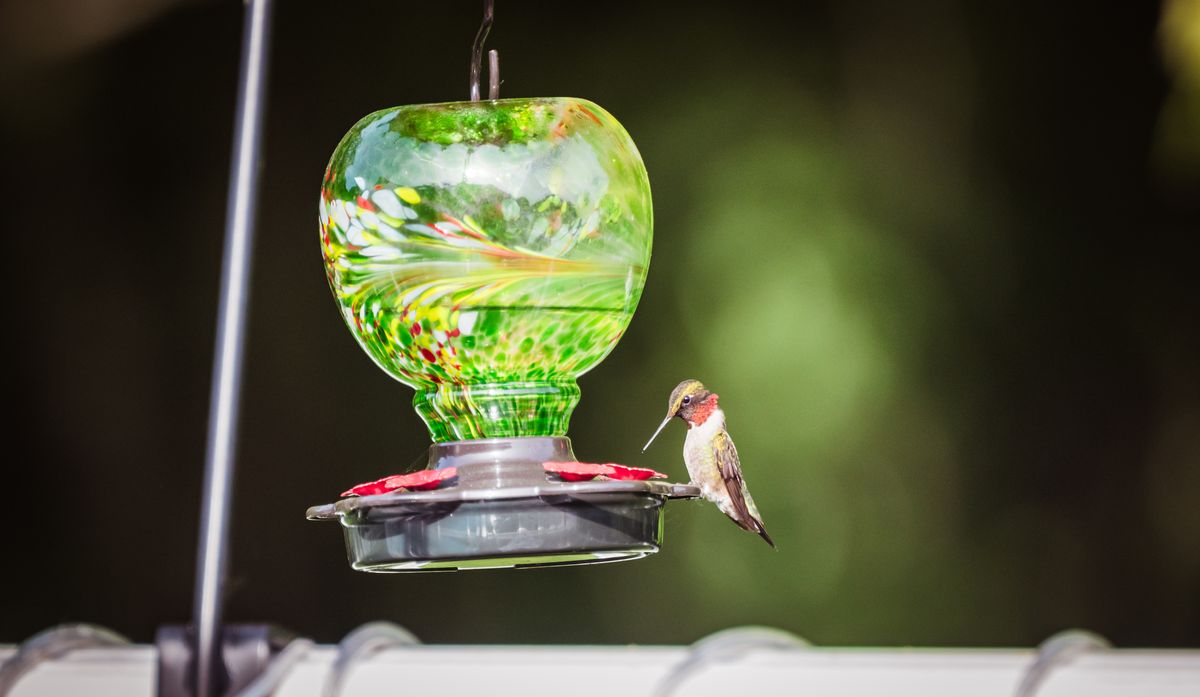
Pros
- Thick handcrafted glass provides thermal buffering against sudden 27°F–32°F overnight frosts.
- Weighted anti-rust metal base keeps feeder vertical during gusty late-autumn wind snaps.
- Solar-powered RGB illumination provides twilight visibility for late-migrating stragglers.
- Translucent 32 oz capacity allows effortless nectar level monitoring from indoors.
- Sealed silicone base gasket prevents leaks caused by autumn barometric pressure drops.
- Heavier unit weight requires a sturdy shepherd's hook or solid tree branch mount.
- Must be brought indoors during extreme hard freezes below 20°F to prevent liquid expansion cracking.
Top Recommendation for Late Autumn Migration
For bird enthusiasts in regions experiencing autumn frost and gusty winds, the LUJII Solar-Powered Hand-Blown Glass Hummingbird Feeder is our top pick. Its 2,300°F art glass body provides crucial thermal buffering, while the heavy anti-rust metal base prevents tipping in 20+ mph breezes. Built-in solar RGB lights glow for up to 8 hours, giving late migrators a safe beacon at dusk.
Pro Tip: Leveraging Thermal Mass and Microclimates
Place your glass feeder within 3 feet of a stone wall, brick chimney, or covered porch facing south. These masonry structures absorb solar heat during autumn afternoons and radiate it outward overnight. Combined with the natural density of hand-blown glass, this microclimate trick keeps nectar liquid up to 4°F below standard freezing thresholds without needing external artificial heaters.
Fall Weather Feeder Selection Flowchart
- Does your area experience overnight temperatures below 35°F during fall migration? → Yes: Go to Question 2. No: Select standard hand-blown glass or high-grade plastic; thermal density is optional.
- Do autumn wind gusts in your yard frequently exceed 15 mph? → Yes: Choose 32 oz Hand-Blown Glass with Weighted Metal Base to prevent tipping and nectar spillage.. No: Go to Question 3
- Do days shorten significantly while hummingbirds are still actively foraging at dusk? → Yes: Choose Solar RGB Glass Feeder with Waterproof Cap for nighttime beacon visibility.. No: Standard heavy glass feeder with anti-rust base is sufficient.
Frequently Asked Questions: Late Fall Weather Resilience
Answers to essential questions about protecting nectar and feeders during late autumn migration.
Key Takeaways for Late-Season Bird Feeding
Summary of essential factors for selecting and maintaining a weather-resistant feeder in late fall:
- Thermal Insulation: Thick hand-blown glass holds ambient heat longer than thin plastic, delaying nectar freezing during mild cold snaps.
- Wind Stability: Weighted metal bases prevent 32 oz glass feeders from swaying violently and spilling nectar in gusty fall breezes.
- Twilight Guidance: Integrated solar RGB lighting provides up to 8 hours of soft illumination, helping late migrators locate food at dusk.
- Material Longevity: Glass handcrafted at 2,300°F will never yellow or crack from autumn UV radiation or frost exposure.
- Leak Prevention: Precision rubber gaskets combined with anti-rust metal bases shield nectar against rain, snow, and pressure drops.
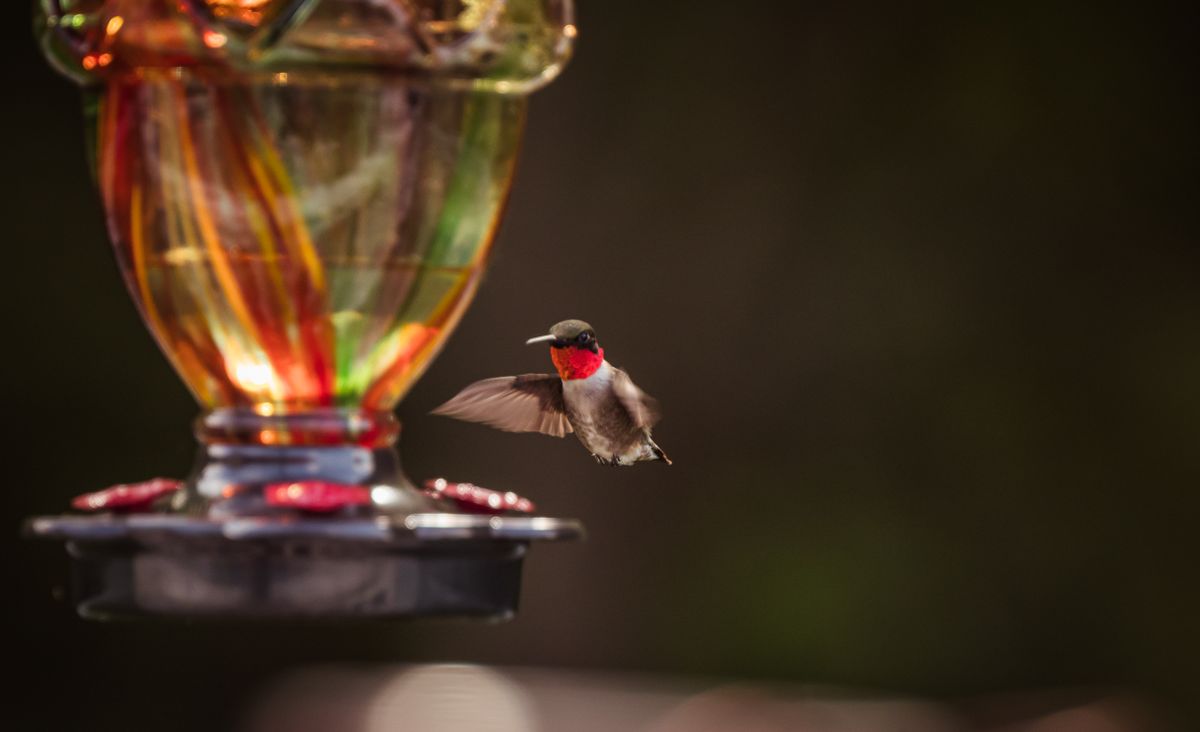
Feeder Anatomy for Cold & Wind Resistance
Detailed structural breakdown illustrating how thermal glass and sealed metal bases withstand harsh fall weather.
Technical & Material Specification Matrix
| Specification Property | LUJII Hand-Blown Glass Feeder | Standard Plastic Feeder |
| --- | --- | --- |
| | | |
| | | |
| | | |
| | | |
| | | |
| | | |
| | | |
Compare physical engineering specifications between heavy hand-blown glass assemblies and standard molded plastic feeders.
Decision Support: Matching Feeder Materials to Your Climate
For late fall weather, thick hand-blown glass feeders with anti-rust metal bases significantly outperform thin plastic feeders. Glass provides essential weight against autumn gusts and thermal resistance against quick freezing, while built-in solar RGB illumination ensures late-migrating hummingbirds locate food during shortening days.
Best choice for
- LUJII Hand-Blown Glass with Metal Base — Heavy 2.4 lb dry weight stays stable on shepherd's hooks, eliminating sway and spillage.
- Solar RGB Glass Feeder — Integrated solar panel recharges by day and provides up to 8 hours of gentle twilight light to guide late migrators.
- Thin acrylic plastic feeders in areas with sub-40°F night snaps, as cold makes thin acrylic brittle and prone to micro-fractures under wind strain.
- Unweighted hanging feeders without sealed bases in windy autumn corridors where nectar sloshes out and attracts yellowjackets.
- Dual-Feeder Heated Rotation System — For extreme northern regions staying below 25°F during migration, rotate two glass feeders between indoors and outdoors.
Real-World Autumn Weather Scenarios
Unexpected Overnight Cold Snap (30°F) — The thick glass walls of artisan feeders act as thermal insulators. When combined with a 1:4 or 1:3 nectar ratio, the liquid remains fluid through dawn, whereas thin plastic feeders freeze solid by 4:00 AM.
Passing Fall Nor'easter Wind Gusts (25 mph) — Lightweight plastic feeders swing wildly, splashing nectar onto surrounding foliage and inviting wasps. The 3.5 lb filled weight of a 32 oz glass feeder absorbs wind energy, hanging steady and drip-free.
Overcast Autumn Afternoon Followed by Early Dusk — Even under filtered sunlight, the efficient solar cap on a glass feeder charges its internal battery, casting a comforting RGB glow across your garden as daylight vanishes at 5:30 PM.
Practical evaluations of how different feeder materials behave during sudden fall weather events.
As autumn arrives across North America, backyard bird lovers face a unique challenge: keeping nectar fresh, fluid, and visible for late-migrating hummingbirds while managing dropping temperatures and erratic weather. Understanding the physical differences between handcrafted glass and molded plastic is key to making the right garden investment.
Thermal Mass & Freeze Resistance
Hand-blown glass reservoirs are handcrafted at intense temperatures reaching 2,300 degrees Fahrenheit. This extreme thermal conditioning produces dense, thick reservoir walls that naturally retard heat transfer compared to thin plastic. While standard 1:4 sugar-water solutions freeze at approximately 27°F (-2.8°C), the insulation provided by artisan glass delays liquid slush formation during early morning cold snaps, ensuring vital energy remains accessible when birds wake at sunrise.Aerodynamic Weight & Leak Prevention
Autumn weather brings volatile barometric pressure swings and sudden high winds. Lightweight plastic feeders twist and tilt easily, causing fluid level shifts that overflow reservoir channels and drip onto the ground. A heavy 32 fl. oz hand-blown glass feeder anchored by an anti-rust coated metal base maintains vertical alignment under stress. Its slender shape and precision silicone rubber gasket form an airtight seal, holding nectar securely even when buffeted by 20 mph gusts.Twilight Solar Illumination
As September and October progress, sunset arrives significantly earlier, leaving late-season hummingbirds searching for high-calorie fuel in dim twilight shadows. A waterproof plastic solar cap shields the internal battery against rain, snow, and harsh sunlight while recharging efficiently during short autumn days. At dusk, multi-mode RGB LEDs automatically cast a gentle glow through the translucent colorful glass, acting as a magical visual lighthouse for weary travelers.Featured Fall-Ready Solar Hummingbird Feeder
Bring handcrafted beauty, weather-hardened engineering, and magical nighttime radiance to your garden this season with the flagship LUJII Solar Feeder.
Autumn Feeder Transition Action Plan
Your decision: Choose heavy hand-blown glass feeders with sealed metal bases and solar RGB lighting for superior late-fall durability and nighttime visibility.
Do this next: Replace lightweight plastic feeders before first frost, mix a 1:4 or slightly richer 1:3 nectar ratio for cold snaps, and hang in a sunlit southern exposure.
Related resource: https://solarhummingbirdfeeder.com
LUJII Hand-Blown Glass Solar Hummingbird Feeder (32 oz, Waterproof Cap, RGB Solar Lighting)
Ready to give late-migrating hummingbirds a warm, well-lit haven this autumn? Upgrade your garden with the handcrafted beauty, heavy-duty durability, and solar radiance of the LUJII Solar-Powered Hummingbird Feeder today.
Explore Further: Seasonal Hummingbird Care
Contextual internal link block.
Cover photo by Veronika Andrews on Pexels.