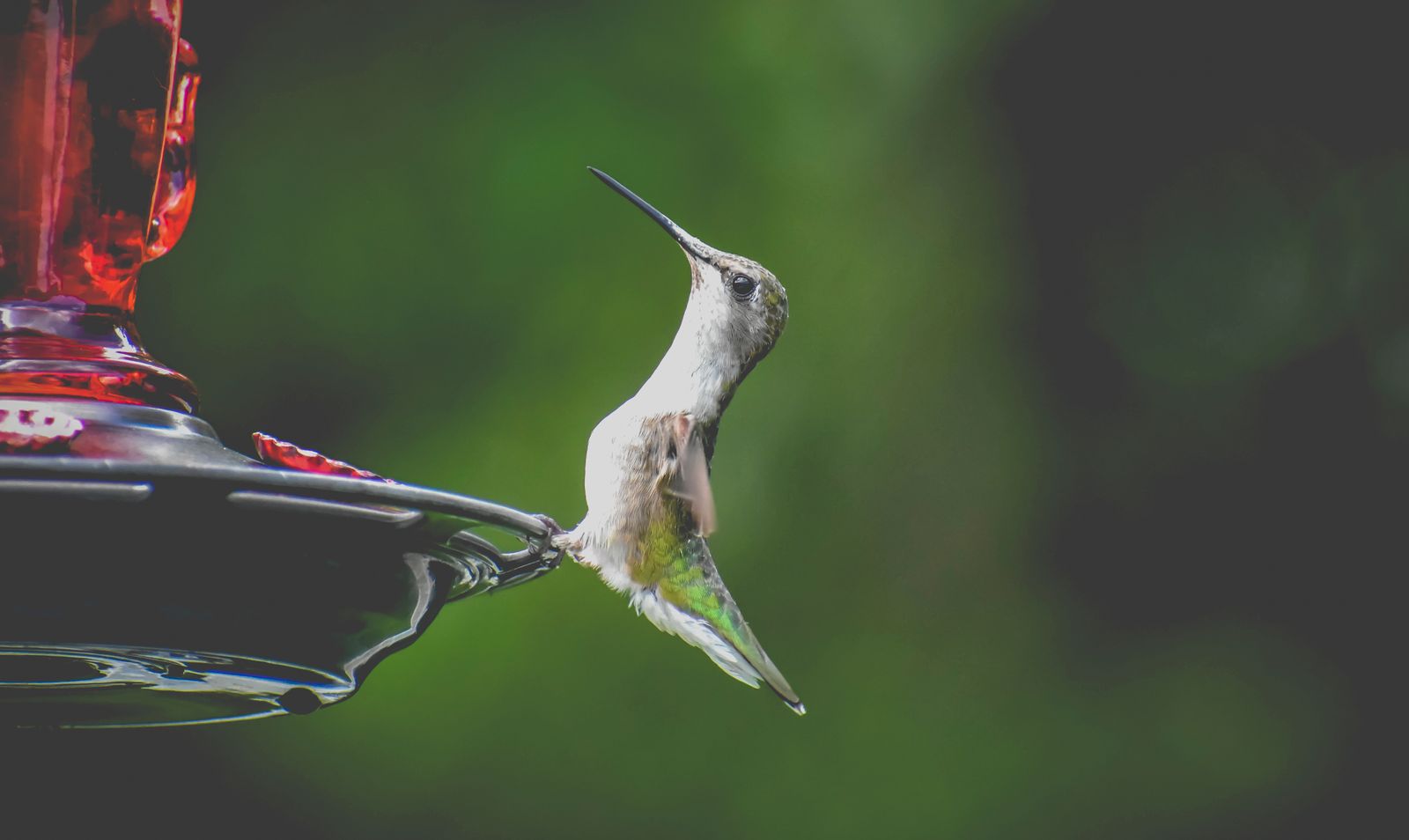
The Artistry Behind Hand-Blown Glass Swirl Patterns: Why No Two Hummingbird Feeders Look Alike
Are natural swirl variations and micro-bubbles in a glass hummingbird feeder normal? Yes. In genuine hand-blown glass crafted at 2,300°F, variations in color density, swirl flow, and tiny air bubbles (seeds) prove the item was handcrafted by an artisan rather than stamped out by a factory mold.
Hand-Blown Swirl Artisanal Specifications & Tolerances
| Parameter | Artisanal Target | Normal Variance Range | Defect Threshold |
| --- | --- | --- | --- |
| Furnace Crafting Temp | 2,300°F (1,260°C) | ±50°F during gathering | < 2,000°F (improper melt) |
| Glass Wall Thickness | 3.5 mm | 2.8 mm – 4.5 mm (organic taper) | < 2.0 mm (structural weakness) |
| Internal Seed Bubbles | 1–5 micro-seeds per bottle | < 1 mm diameter encased | > 2 mm surface-breaking crack |
| Color Frit Distribution | Spiral ribbon swirl | 30%–70% visual surface coverage | Peeling surface paint (non-fused) |
| Reservoir Capacity | 32 fl. oz (946 ml) | ±1.5 fl. oz fluid tolerance | Mismatched base thread fit |
| Base Material & Finish | Anti-rust coated metal | Sealed rubber gasket baseline | Uncoated steel prone to rust |
Every artisan glass reservoir is crafted under strict thermal parameters while retaining individual handcrafted variation. Below are the physical standards for genuine 2,300°F mouth-blown hummingbird feeders.
Visual Breakdown: Molded Machine Glass vs. Hand-Blown Swirl Glass
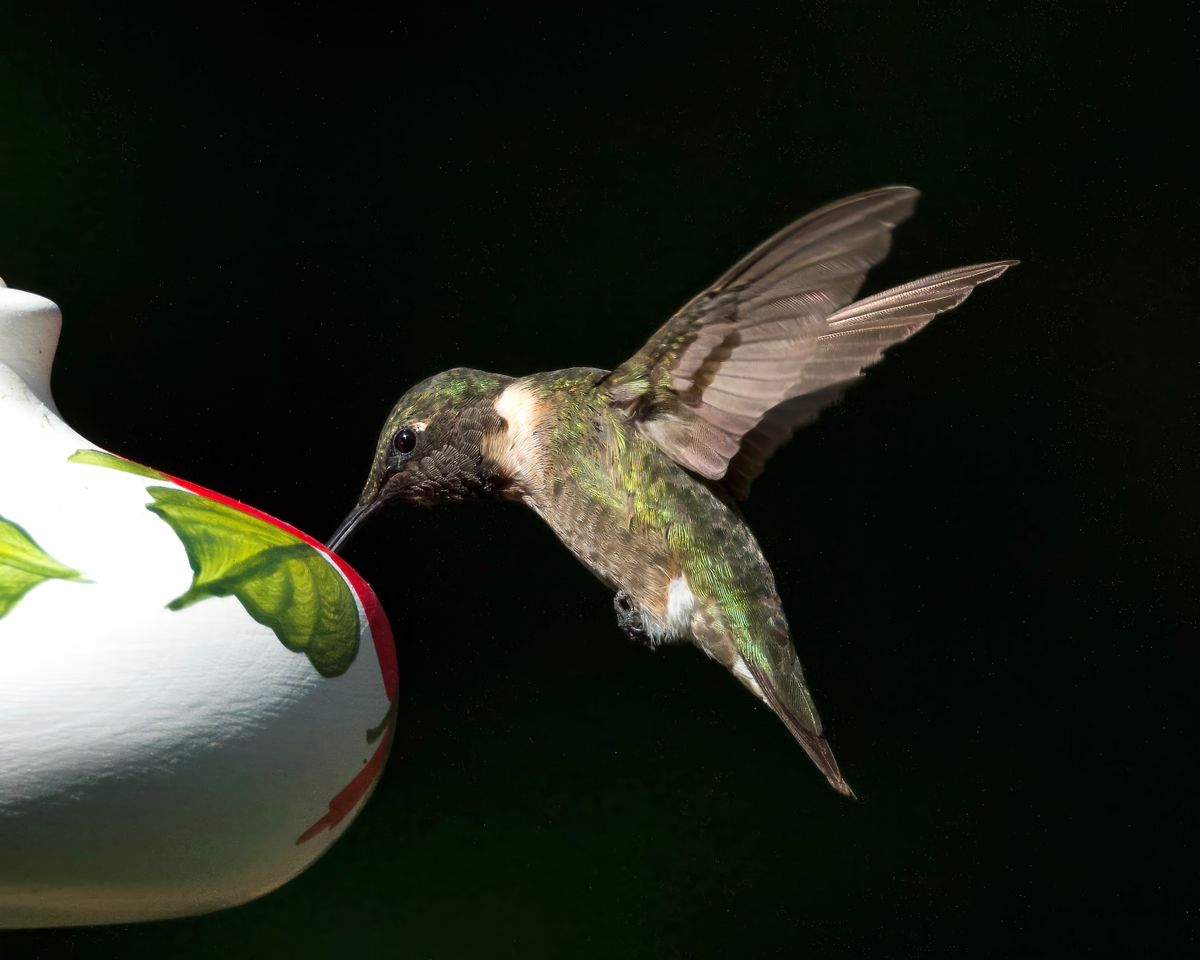
Photo by A. G. Rosales on Pexels
Understanding the physical differences between mass-produced factory glass and genuine 2,300°F hand-blown glass helps you identify authentic craftsmanship instantly.
Visual Gallery: Artisanal Swirl Patterns & Light Refraction
Examine how handcrafted swirl patterns interact with natural daylight and nocturnal RGB lighting.
Artisan Master Tip: Differentiating Handcraft Marks from Stress Fractures
When inspecting your new hand-blown glass feeder, hold the reservoir up to bright morning sunlight. Look closely at any small spherical inclusions inside the glass wall. If the bubble is completely smooth, round, and fully encapsulated within the glass matrix, you are looking at a 'seed'—trapped furnace atmosphere from the 2,300°F molten gather. Seeds do not compromise structural strength; in fact, glass collectors revere them as the fingerprint of genuine mouth-blown craftsmanship.
Conversely, if you observe a sharp, jagged linear fissure that catches your fingernail on the exterior or interior surface, that is a thermal stress crack. Never fill a cracked feeder, as nectar weight and ambient temperature swings will expand the fracture.
Frequently Asked Questions About Hand-Blown Glass Swirl Feeders
Here are answers to the most common questions about artisanal glass variations, durability, and care.
Immediate Guidance & Verification Checklist
Your decision: Identify whether minor visual variations in your feeder are handcrafted marks of authenticity or structural damage.
Do this next: Inspect your glass feeder under bright daylight for seamless surface texture and embedded color frit, ensuring air bubbles are internal micro-seeds rather than sharp exterior surface cracks.
- Read next: Learn how to care for hand-blown glass without fading colors
- Read next: Explore the art of 2,300°F glassblowing heritage craftsmanship
LUJII 32 oz Hand-Blown Solar Hummingbird Feeder with RGB LED Lighting and Anti-Rust Metal Base.
Follow these practical steps to verify the quality and authenticity of your handcrafted glass feeder.
Key Takeaways: Understanding Hand-Blown Glass Swirl Artistry
- 2,300°F Furnace Crafting: Every glass reservoir is gathered and blown by hand, making every single piece unique in swirl geometry.
- Embedded Frit Pigmentation: Colors are melted directly into the glass matrix, guaranteeing zero sun fading, peeling, or paint degradation over time.
- Encapsulated Micro-Seeds: Spherical air bubbles trapped inside smooth glass walls are proof of manual mouth-blowing, not structural defects.
- Day-to-Night Dual Purpose: Translucent glass allows effortless daylight nectar level monitoring, while diffusing ambient solar RGB LED glow for up to 8 hours at dusk.
- All-Weather Metal Construction: A protective plastic solar cap shields electrical components from rain and snow, while an anti-rust coated metal base prevents leaks and spills.
Choosing Between Hand-Blown Swirl Glass and Machine Molded Glass
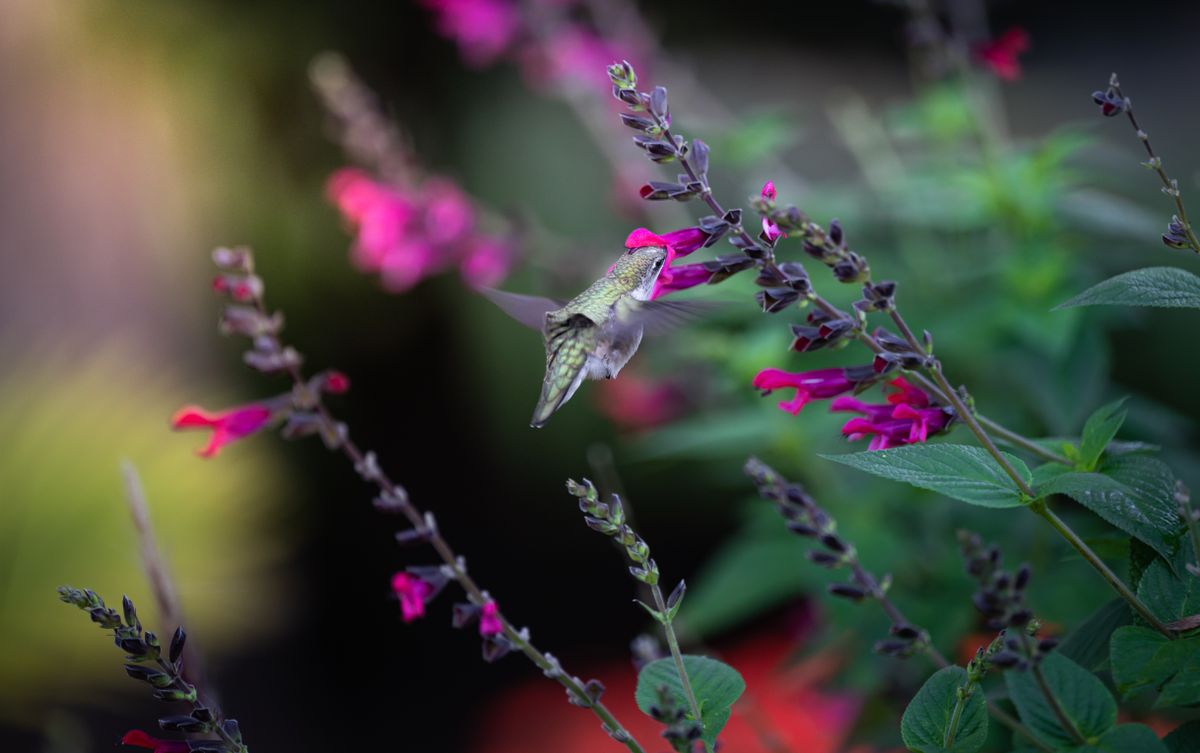
Hand-blown glass swirl pattern hummingbird feeders are ideal for garden enthusiasts seeking one-of-a-kind art that refracts natural sunlight and nighttime RGB lighting. Choose factory-molded or plastic feeders only if absolute visual symmetry and budget mass-production are preferred over artisanal quality.
Best choice for
- LUJII Hand-Blown Solar Feeder — Offers rich 2,300°F glass color swirls that catch morning sun and diffuse evening RGB light.
- Handcrafted Glass Feeder — Delivers a unique, heritage-crafted garden accent that no one else possesses.
- Fused Glass Frit Reservoir — Eliminates paint flaking and plastic sun-yellowing under intense solar radiation.
- You expect 100% identical pattern matching across multiple units.
- You frequently clean garden decor using boiling water sterilizing baths.
- Commercial Molded Glass Feeder — Provides uniform machine geometry but lacks unique organic swirls and integrated solar lighting.
- Acrylic Plastic Feeder — Lightweight and cheap, but degrades under UV sunlight and lacks optical light refraction.
Creating a hand-blown glass hummingbird feeder is a dance between high heat, gravity, and generational skill. Long before a hummingbird takes its first sip from a LUJII Solar Hummingbird Feeder, the glass reservoir begins as a glowing gather of clear silica sand heated to 2,300 degrees Fahrenheit inside a roaring furnace.
Step 1: Gathering and Frit Application
The master artisan dips a hollow steel blowpipe into molten glass, gathering a precise weight of glowing material. While the gather is red-hot, it is rolled over a flat metal table (marver) covered in crushed colored glass called frit. Frit consists of specialized mineral oxides—cobalt for deep blues, copper for radiant greens, and gold chloride for rich reds and pinks.Step 2: Thermal Fusion and Rotational Twisting
As the molten gather is re-inserted into the furnace flame (glory hole), the crushed glass frit melts directly into the outer clear layer of the bottle. The artisan continually rotates the blowpipe, using manual wooden paddles and wet newspaper blocks to shape the hot glass. To create the iconic swirl pattern, the artisan uses steel tongs to gently grab and twist the soft glass matrix while spinning the pipe. This pulls the melted frit dots into sweeping, organic ribbons of color.Step 3: Mouth-Blowing and Annealing
Once the color ribbons are set, the artisan blows air through the pipe, expanding the hot glass inside a preliminary body form. The slender shape and heavy 32 fl. oz reservoir walls are sculpted by hand, ensuring a smooth, seamless exterior without the ugly mold seams found on factory glass. Finally, the finished bottle is placed into a controlled annealing oven to cool slowly over 24 hours. This gradual cooling relieves internal thermal stress, making the glass strong and weather-resistant.How Hand-Blown Glass Interacts with Solar RGB Light
During daylight hours, the translucent colored glass allows you to check nectar fluid levels effortlessly from your window. At dusk, the real magic happens. The integrated top plastic solar cap—which recharges throughout the day under direct sunlight—automatically activates an internal RGB LED light engine.As light radiates down from the cap, the embedded color frit ribbons act as miniature fiber-optic channels. Light bends and refracts through the varying glass wall thickness, projecting multi-colored ambient ripples across your garden patio for up to 8 hours. Supported by an anti-rust metal base with soft rubber gaskets, the feeder delivers leak-proof performance and captivating nighttime illumination.
Artisanal Hand-Blown vs. Factory Molded Glass Feeders
| Evaluation Criteria | LUJII Hand-Blown Swirl Glass | Standard Factory Molded Glass |
| --- | --- | --- |
| Manufacturing Temp & Method | 2,300°F furnace hand-blown & mouth-twisted | 1,800°F automated machine press molds |
| Color Integration Technique | Solid crushed glass frit melted into body | Surface spray paint or applied decal film |
| UV & Sun Exposure Fastness | 100% colorfast (will never fade or peel) | Prone to sun bleaching, flaking, and yellowing |
| Surface Texture & Seams | 100% continuous seamless spherical surface | Visible vertical mold seam ridges along body |
| Nighttime Solar Dispersion | Dynamic multi-angle RGB refraction through frit | Flat, static light pass-through without depth |
| Thermal Shock Vulnerability | Resilient annealed glass (avoid boiling baths) | Brittle thin-walled glass prone to stress cracks |
| Uniqueness & Art Value | 100% one-of-a-kind organic pattern variations | Mass-produced identical clones |
This criteria-based matrix illustrates the technical and aesthetic differences between authentic hand-blown glass and mass-produced factory glass.
Critical Failure Modes & Common Misconceptions
Avoid these critical handling mistakes to protect your hand-blown feeder from damage and preserve its visual brilliance.
Explore Related Artisanal & Garden Decor Guides
Enhance your backyard habitat with these educational garden decor guides:
- How to Clean and Maintain Hand-Blown Solar Hummingbird Feeders Without Fading Color – Learn non-abrasive washing techniques, seasonal storage tips, and proper nectar ratios.
- Hand-Blown Glass vs. Molded Feeders: Elevating Outdoor Sunlight with Vibrant Accents – Discover how light refraction and hand-crafted art create dynamic visual focal points in sunny yards.
- Spring Outdoor Styling: Combining Solar RGB Lighting and Natural Wildflower Gardens – A guide to positioning solar-powered garden accents for maximum hummingbird attraction and nighttime atmosphere.
Featured Hand-Blown Solar Hummingbird Feeders
Bring handcrafted art and vibrant nighttime illumination to your yard with these top-rated solar glass feeders.
Your Next Steps for Elevating Garden Decor
Your decision: Elevate your backyard sanctuary with handcrafted glass art that feeds hummingbirds by day and glows with solar RGB light by night.
Do this next: Select a LUJII Hand-Blown Solar Hummingbird Feeder matching your garden aesthetic and display it in direct sunlight to charge the solar RGB module.
- Read next: How to Clean and Maintain Hand-Blown Solar Hummingbird Feeders
- Read next: Hand-Blown Glass vs Molded Feeders Comparison
🌟 LUJII Solar-Powered Hand-Blown Glass Hummingbird Feeder (32 oz) 🌟
Ready to transform your backyard into an inviting haven for hummingbirds day and night?
Cover photo by Chris F on Pexels.