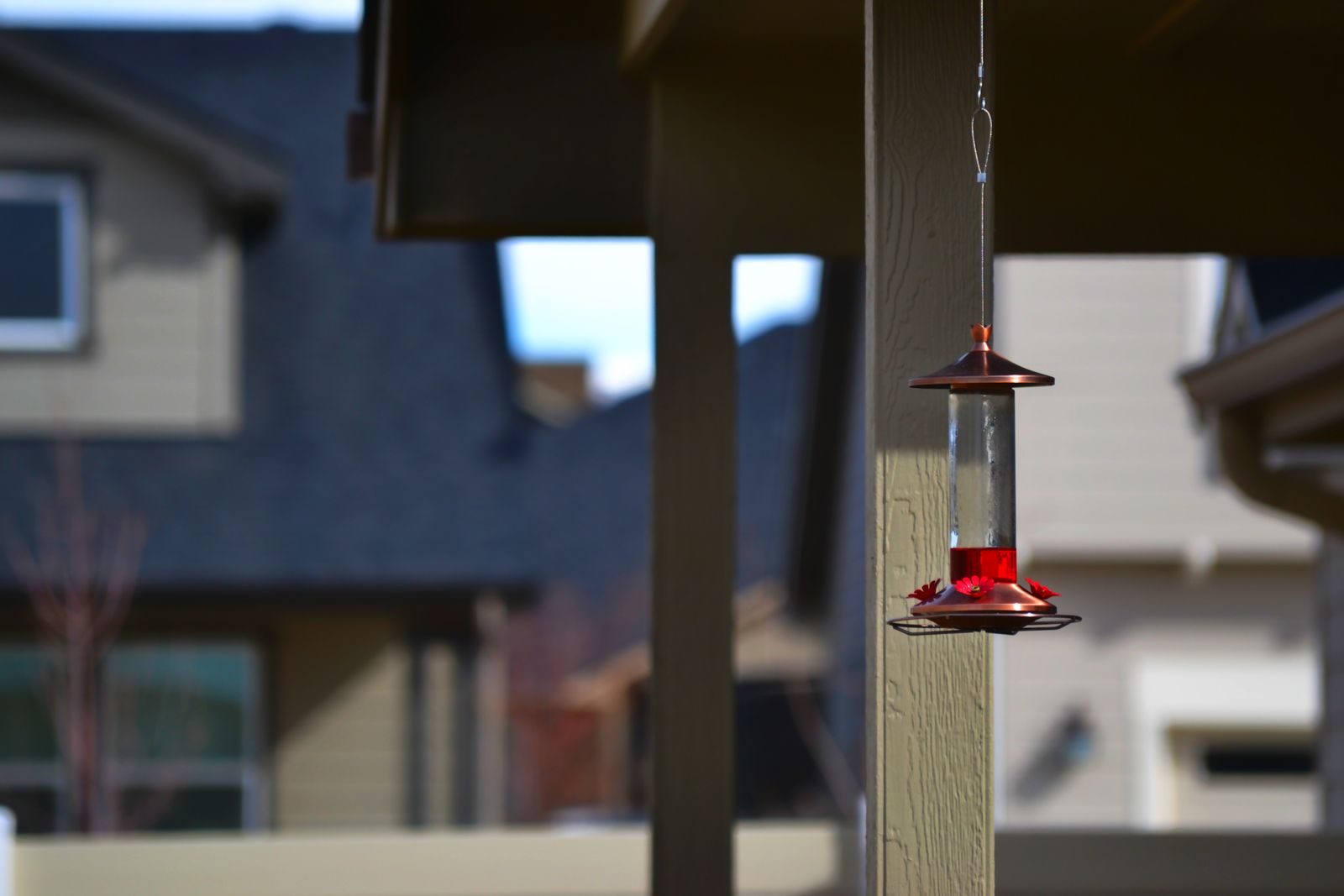
Illuminate Summer Evenings: How RGB Solar Glass Feeders Elevate Nighttime Patio Aesthetics
Follow the 3-to-1 summer patio rule: hang your illuminated solar glass feeder 3 feet from outdoor dining seating for optimal ambient glow without obstructing dusk flight paths, ensure it receives at least 6 hours of unshaded daytime sunlight, and conduct 1 daily temperature check when summer heat climbs above 90°F. Hand-blown translucent glass softens evening RGB LED lighting, offering up to 8 hours of twilight magic while keeping hummingbirds completely safe.
Essential Highlights for Summer Patio Lighting & Nectar Care
- Dual-Purpose Functionality: Handcrafted at 2,300°F, heavy-duty glass reservoirs double as daytime hummingbird sanctuaries and nighttime garden light sculptures.
- 8 Hours of RGB Ambiance: Integrated top-mounted solar panels capture 6–8 hours of sunlight to deliver up to 8 hours of continuous, color-shifting LED illumination after sunset.
- Wildlife Sleep Protection: Hummingbirds enter deep torpor in dark roosting trees at night; soft, diffused patio ambient lighting does not disrupt their natural sleep cycles.
- Heat Wave Nectar Protocol: In temperatures exceeding 90°F, replace sugar water every 24 to 48 hours to prevent rapid fermentation and bacterial growth.
- Durability & Leak Resistance: Sealed anti-rust metal bases and waterproof solar caps protect internal electronics while maintaining a drip-free 32 oz nectar reservoir.
Summer Evening Solar Cycle Timeline: Dusk to Nightfall
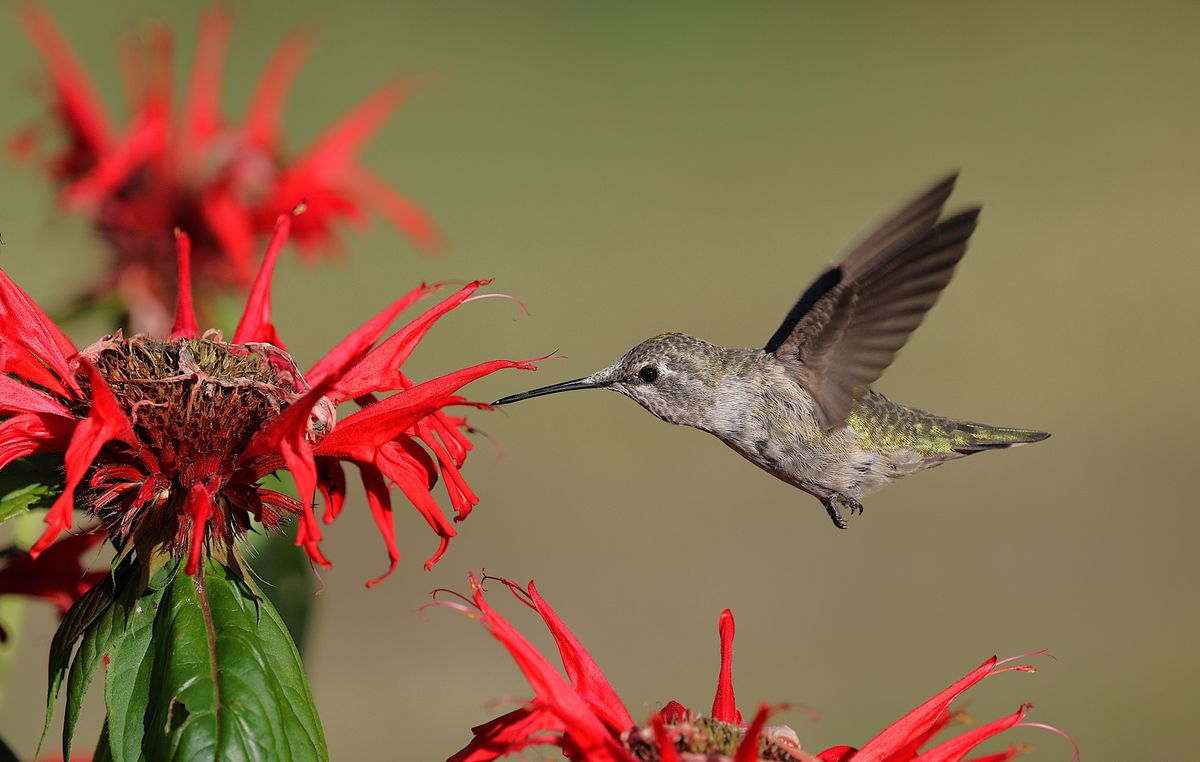
Photo by Veronika Andrews on Pexels
- 5:00 PM – 7:00 PM (Late Afternoon Solar Peak) — The top solar cap finishes absorbing direct sunlight, storing power in the internal battery. High hummingbird traffic occurs as birds feed heavily before dusk.
- 7:30 PM – 8:30 PM (Twilight Feeding Window) — As natural daylight dims, hummingbirds take their final high-energy nectar sips. The automatic dusk-to-dawn sensor triggers the soft RGB LED glow inside the hand-blown glass reservoir.
- 8:30 PM – 9:00 PM (Nightfall & Roosting) — Hummingbirds retreat to nearby trees and enter torpor. The feeder shifts completely into patio decor mode, casting vibrant, refracted light patterns across your deck.
- 9:00 PM – 3:00 AM (Ambient Nighttime Glow) — Enjoy up to 8 hours of continuous color-changing RGB lighting during late-night patio gatherings before the solar circuit auto-resets at dawn.
Summer Nectar & Glass Maintenance Schedule
- Daily (Temps > 90°F) — Inspect nectar clarity through the translucent hand-blown glass. If cloudy or bubbling, discard immediately, rinse with hot water, and refill.
- Every 3 Days (Temps 75°F – 89°F) — Replace 32 oz nectar solution (1 part white sugar to 4 parts water). Flush feeding ports with a bottle brush to prevent mold buildup.
- Weekly Solar Cap Inspection — Wipe the waterproof plastic solar top with a soft, damp microfiber cloth to clean off dust, pollen, and hard water spots for maximum solar charge efficiency.
- Monthly Deep Clean — Unscrew the solar top (do not submerge in water). Wash the glass body and anti-rust metal base with a 1:10 vinegar-to-water solution, rinse thoroughly, and air dry.
Featured Choice: LUJII Hand-Blown RGB Solar Feeder
If you are seeking the ultimate centerpiece for your summer garden, the LUJII Solar-Powered Hummingbird Feeder sets the gold standard for handcrafted elegance and outdoor durability.
- Artisanal Craftsmanship: Each 32 fl. oz. glass reservoir is individually mouth-blown at 2,300°F by master artisans, making every swirling pattern unique.
- Smart RGB Lighting: Automatically illuminates at dusk for up to 8 hours following a full solar charge, cycling through multiple vibrant color modes.
- Leak-Proof Architecture: Features a heavy-duty, anti-rust metal base paired with a slender, drip-resistant seal to prevent spills in high winds.
- Weatherproof Protection: The durable top solar cap shields the nectar from harsh sun and rain while sealing the sensitive LED electronics.
Expert Tip: Protecting Roosting Birds While Maximizing Ambient Glow
To balance magical deck lighting with wild bird welfare, position your solar glass feeder at least 10 feet away from dense, dark tree leaves where hummingbirds nest and sleep. At nightfall, hummingbirds enter torpor—a deep, hibernation-like metabolic sleep state. By maintaining 10 feet of clearance from thick foliage, your patio's low ambient RGB glow stays concentrated around your outdoor living space without shining directly into dark roosting canopy branches.
Side-by-Side: Hand-Blown RGB Solar Glass vs. Standard Solar Decor
| Feature / Attribute | LUJII Hand-Blown RGB Solar Glass Feeder | Standard Plastic Solar Garden Decor |
| --- | --- | --- |
| Light Diffusion Quality | Rich refraction through 2,300°F artisanal glass swirls; ambient and glare-free. | Flat LED beam through thin molded plastic; often harsh or dim. |
| High-Heat Resistance (90°F+) | Thick, solid glass will not warp, yellow, or leach synthetic chemicals into nectar. | Thin plastic warps in direct sun, cracks under UV rays, and can taint nectar. |
| Nectar Capacity & Seal | Generous 32 fl. oz. capacity with sealed anti-rust metal base to prevent drips. | Small 8–12 oz capacity; lightweight plastic bases crack and leak easily. |
| Illumination Duration | Up to 8 hours of continuous multi-mode RGB light after 6–8 hours direct solar charge. | Typically 2–4 hours of single-color light; small battery capacity fades quickly. |
| Aesthetic Impact | Vibrant, colorful garden centerpiece by day; glowing light sculpture by night. | Generic functional lawn stake with minimal visual appeal. |
Not all garden lighting is created equal. Here is how specialized artisan solar hummingbird feeders compare to mass-produced plastic decorative lights during hot summer months.
Summer & Early Autumn Patio Care Calendar
| Month | Daylight & Solar Exposure | Nectar Refresh Cycle | Patio Styling & Storage |
| --- | --- | --- | --- |
| June (Early Summer) | 14+ hours daylight. Place in south-facing sun for maximum battery charge. | Change every 3 days. Clean feeding ports weekly. | Hang near patio seating 3–5 ft from tables for evening entertaining. |
| July – August (Peak Heat) | 13–14 hours intense sun. Ensure solar cap stays dust-free. | Change every 24–48 hours when temps cross 90°F to stop mold. | Pair RGB lighting with low-voltage warm string lights for layered deck ambiance. |
| September (Late Summer) | 12 hours daylight. Solar light runtime remains strong at 6–8 hours. | Keep filled! Fall migration requires high-calorie sugar water for traveling birds. | Enjoy cozy autumn dusk watching as migrating hummingbirds refuel. |
| October (Season Close) | Shorter daylight. Clean solar panel thoroughly to catch low autumn sun. | Maintain feeder until 2 weeks after seeing your last hummingbird. | Wash thoroughly, remove battery if stored indoors for freezing winters. |
Adjust your solar feeder routine as daylight hours shift from early summer sunshine to late autumn dusk.
Top-Rated Solar Glass Feeders for Patio Aesthetics
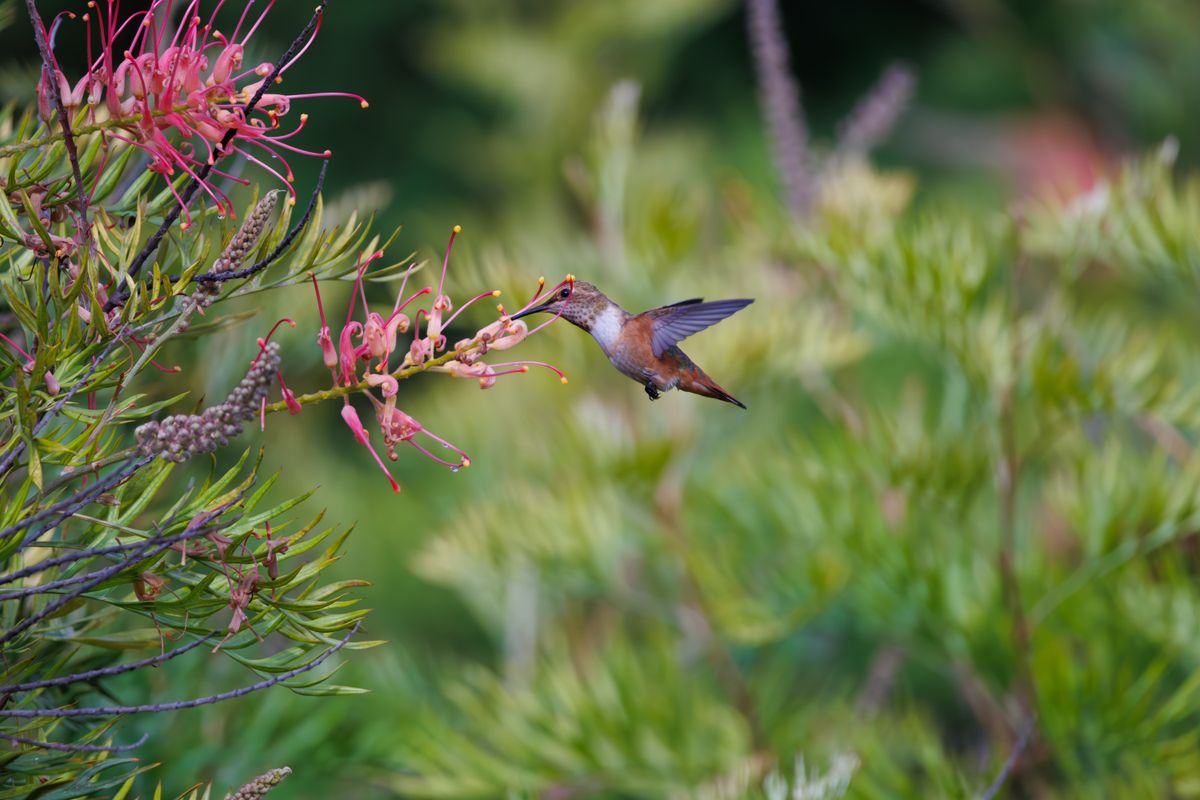
Photo by Ant Armada on Pexels
Transform your outdoor seating area into a illuminated sanctuary with our flagship solar feeder model:
Regional Heat Wave & Sun Exposure Guidelines
Summer conditions across the United States vary significantly. Match your solar charging and nectar care to your local region:
- Sunbelt & Desert Southwest (AZ, NV, Southern CA): High ambient temperatures (100°F+) mean nectar ferments in under 24 hours. Position the feeder where it gets morning sun on the solar cap but afternoon shade on the glass bottle to keep nectar cooler.
- Humid Southeast (FL, GA, TX): High humidity accelerates black mold spores on feeding ports. Clean the metal base twice weekly and wipe moisture off the solar panel cap.
- Pacific Northwest & Northeast (WA, OR, NY): Overcast days can reduce solar battery top-off. Position solar caps in unshaded, south-facing locations to harvest every ray of available sunlight.
Summer Patio Setup Checklist
- [ ] Select an elevated hanging hook receiving at least 6 hours of unshaded daylight.
- [ ] Position the feeder 3 to 5 feet away from outdoor patio dining tables for ideal ambient lighting.
- [ ] Verify the protective clear film on the solar cap is removed prior to first use.
- [ ] Fill the 32 oz reservoir with a clear, boiled 4:1 water-to-sugar nectar ratio (no red dyes).
- [ ] Confirm the anti-rust metal base is tightly screwed onto the glass neck to establish a leak-proof seal.
- [ ] Wipe the solar top clean weekly with a damp microfiber cloth to maximize energy absorption.
Frequently Asked Questions
Does nighttime RGB light disrupt hummingbird sleeping habits?
No. Hummingbirds retreat to dark roosting trees at dusk and enter a state of deep metabolic rest called torpor. The soft, ambient light emitted by hand-blown translucent glass is concentrated around your patio and does not penetrate dark roosting foliage when hung 10+ feet from thick tree canopies.
How long will the RGB lights stay illuminated on a summer night?
After receiving 6 to 8 hours of direct daytime sunlight, the integrated solar panel recharges the internal battery sufficiently to provide up to 8 hours of continuous, color-shifting LED illumination from dusk onward.
How do I wash the feeder without damaging the solar cap?
Twist off the top solar cap assembly before cleaning. Wash the glass bottle and anti-rust metal base with warm water and mild soap or vinegar. Simply wipe the waterproof solar cap with a damp cloth—never submerge the electronic cap in standing water.
How often should nectar be changed during summer heat waves?
When ambient daytime temperatures exceed 90°F, sugar nectar ferments quickly. Replace the solution every 24 to 48 hours and rinse the glass reservoir thoroughly to ensure your backyard birds stay healthy.
Your Next Steps for a Glowing Summer Sanctuary
Your decision: Decide on the ideal location on your summer patio that receives at least 6 hours of direct solar exposure while offering easy viewing access during dusk dining.
Do this next: Select a handcrafted 32 oz leak-proof hand-blown solar RGB glass feeder to combine nighttime garden aesthetics with daytime hummingbird care.
Related resource: Download our Summer Garden Nectar Freshness & Solar Care Printable Guide.
LUJII Hand-Blown RGB Solar Hummingbird Feeder (32 oz, Waterproof Anti-Rust Base).
Explore Related Guides
Provide internal links to relevant cluster content.
Cover photo by Brett Sayles on Pexels.