Solar Light Hummingbird Feeders vs. Traditional Glass Feeders: Which Belongs in Your Sanctuary?
Solar hummingbird feeders deliver equal daytime feeding performance to traditional glass feeders while providing up to 8 hours of ambient RGB night lighting. Because hummingbirds sleep at night, top-mounted solar LEDs do not disrupt their sleep cycles, nor do insulated solar caps heat the nectar below, making solar glass feeders the superior dual-purpose garden choice.
At-a-Glance Criteria Comparison Matrix
| Comparison Criteria | LUJII Solar Hand-Blown Glass Feeder | Traditional Glass Feeder |
| --- | --- | --- |
| Daytime Nectar Visibility | Translucent hand-blown glass art allows effortless 32 fl. oz nectar monitoring. | Varies widely; often opaque, painted, or patterned glass obscures nectar levels. |
| Nighttime Functionality | Automatic RGB illumination lights up garden for up to 8 hours after dusk. | None; becomes an invisible dark silhouette once the sun sets. |
| Thermal Protection | Waterproof plastic solar cap shields nectar reservoir from direct overhead sun. | Standard metal or glass cap conducts heat directly into nectar. |
| Base Construction & Leak Resistance | Coated anti-rust metal base with precision silicone gasket seal prevents drips. | Often uses basic plastic or uncoated metal bases prone to rusting or leaking. |
| Artisan Craftsmanship | Individually hand-blown glass shaped at 2,300°F with unique color patterns. | Typically mass-molded machine glass with uniform, industrial finishes. |
| Cleaning & Electronics Care | Top cap wipes clean; glass reservoir and metal base soak easily in warm water. | Entire unit can be submerged, though narrow necks require special bottle brushes. |
Lead with visual elegance and all-day performance. Here is how handcrafted solar glass feeders compare directly against standard traditional glass models across key functional and aesthetic benchmarks.
The Trade-Offs: Solar Illuminated vs. Classic Unlit Glass Feeders
Pros
- Dual-purpose functionality: daytime wildlife feeding and nighttime RGB lantern art
- Hand-blown glass crafted at 2,300°F creates a one-of-a-kind translucent centerpiece
- Generous 32 fl. oz capacity with slender leak-proof base reduces refill frequency
- Top solar shield cap helps reflect direct midday overhead sun away from nectar
- Coated anti-rust metal base withstands rain, humidity, and atmospheric exposure
- Requires 4 to 6 hours of unshaded daylight for a complete nighttime charge
- Top solar cap cannot be fully submerged in water during routine cleaning
- Slightly higher initial investment compared to mass-produced plastic feeders
Sanctuary Verdict: Which Feeder Belongs in Your Garden?
If you cherish your outdoor space both day and night, the LUJII Solar-Powered Hand-Blown Glass Feeder is the clear winner. It attracts energetic hummers during daylight hours with bright floral colors and transforms into a whimsical glowing accent as twilight settles over your patio. Choose a traditional unlit feeder only if your hanging spot sits under dense, full-day tree shade.
Pro Tip: Nectar Thermal Safety & LED Placement
A common concern among bird lovers is whether solar components heat the nectar reservoir. Modern low-voltage LEDs sit entirely inside the top protective solar cap, completely isolated above an air-gapped thermal barrier. Furthermore, because hummingbirds enter a state of torpor (deep sleep) at night in high branches, soft ambient LED illumination on your porch does not disturb their roosting habits or sleep cycles.
Interactive Visual Decision Tree: Pick Your Feeder Style
- Does your preferred hanging location receive at least 4 hours of direct daylight? → Yes: Go to Question 2. No: Choose a Traditional Glass Feeder (Solar cap will not fully recharge in deep shade).
- Do you spend time on your patio, porch, or deck after sunset? → Yes: Select a Solar-Powered Hand-Blown Glass Feeder for enchanting night ambiance!. No: Go to Question 3
- Are you looking for a unique, handcrafted gift that doubles as outdoor art? → Yes: Select a Solar-Powered Hand-Blown Glass Feeder (Artisan glass + RGB lights).. No: Choose a Traditional Glass Feeder.
Frequently Asked Questions About Solar Hummingbird Feeders
Here are answers to the most common questions garden enthusiasts ask when evaluating solar-powered feeders.
Essential Takeaways for Garden Enthusiasts
Keep these key factors in mind when choosing the perfect feeder for your sanctuary:
Deep-Dive Buyer Profiles: Matching Feeder to Garden Style
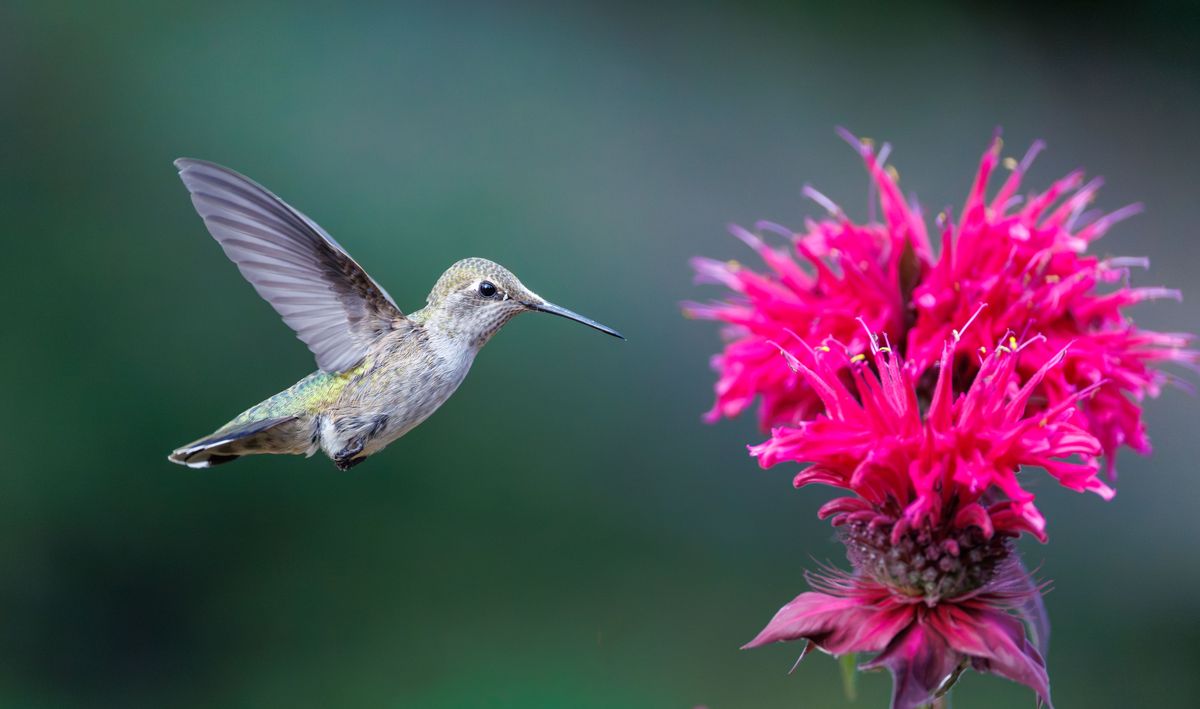
Photo by Veronika Andrews on Pexels
Solar glass feeders match traditional feeders in daytime bird attraction while adding ambient evening lighting and thermal overhead protection.
Best choice for
- Solar Hand-Blown Glass Feeder — Provides soft, glowing RGB light that elevates evening outdoor gatherings long after birds have gone to sleep.
- Solar Hand-Blown Glass Feeder — Every reservoir is individually crafted at 2,300°F, creating a vibrant translucent glass piece that delights bird lovers of all ages.
- Traditional Glass Feeder — If your yard sits under dense 24/7 tree cover without 4 hours of sun, solar panels cannot recharge fully.
- You intend to clean feeders by putting all parts into an automatic high-heat dishwasher (solar caps require hand wiping).
- Your hanging hook sits under a completely covered porch roof with zero direct solar exposure.
- Traditional Artisan Glass Feeder — Offers beautiful daytime glass aesthetics if solar charging is physically impossible in your yard layout.
Real-World Backyard Scenarios
Suburban Garden Deck (4-6 Hours Sun Daily) — Hang a LUJII Solar Feeder near your patio sitting area. By day, hummers flock to the vivid 32 fl. oz translucent reservoir; by night, enjoy a glowing multi-color lantern during dinner.
Shaded Porch Overhang (Zero Direct Sun) — Use an extension S-hook to position a solar feeder 3 feet past the roofline so the top solar panel catches sunlight while the glass body stays partially shaded.
Thoughtful Holiday or Birthday Gift for Bird Lovers — Gift the Solar Hand-Blown Glass Feeder. The combination of heirloom hand-blown glass technique and modern solar convenience makes it an instantly impressive unboxing experience.
See how solar and traditional feeders perform in real backyard environments throughout the day.
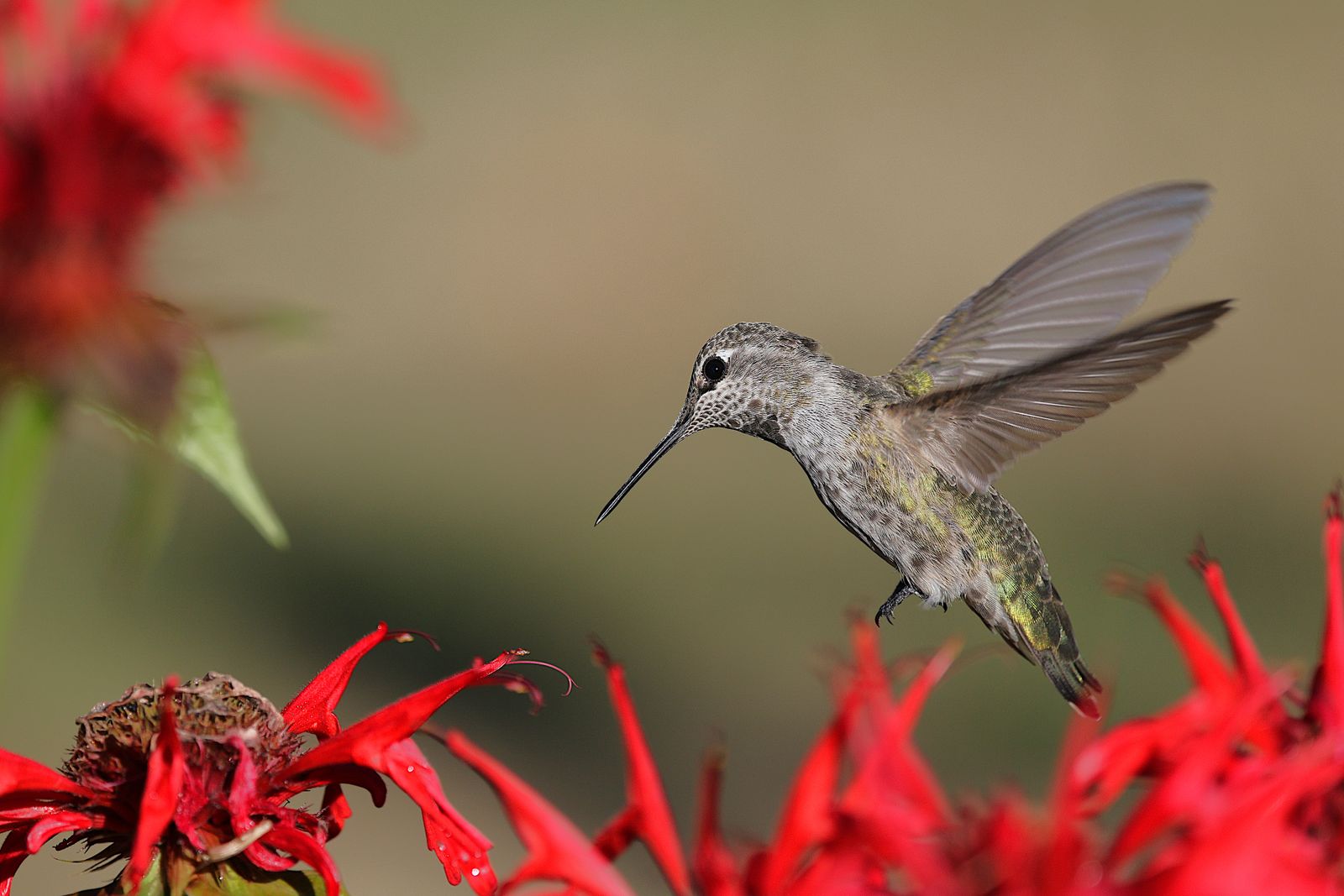
There is a quiet magic in watching a ruby-throated or Anna's hummingbird hover effortlessly beside a glass blossom. For decades, bird watchers relied on basic red plastic bottles or standard molded glass jars. While functional, traditional feeders turn into dark, lifeless shapes the moment dusk falls.
The Art of 2,300°F Hand-Blown Glass
Modern solar feeders elevate wild bird care into true garden art. Master artisans shape each glass reservoir at blistering temperatures reaching 2,300 degrees Fahrenheit. Colors are fused directly into the molten glass rather than painted on the surface. This creates swirling, translucent patterns that never fade or peel under harsh ultraviolet rays. Because the glass remains clear and vibrant, you can monitor the 32 fl. oz nectar level from your kitchen window without disturbing feeding birds.Seamless Day-to-Night Transitions
As dusk approaches and hummingbirds take their final sip of nectar before roosting, integrated solar sensors trigger soft RGB LED lights inside the waterproof cap. The light refracts through the handcrafted glass curves, casting whimsical, colorful reflections across your garden beds. With an automated runtime of up to 8 hours on a full charge, your hummingbird feeder becomes a soothing night lantern for late-night porch relaxation.Durability Meets Leak-Proof Engineering
Outdoor decor must stand up to weather extremes. Featuring a protective, waterproof top cap, solar components remain safe during rain and snow. Beneath the glass reservoir, a coated anti-rust metal base provides a weighted, stable foundation with a tight silicone seal. This slender, leak-proof design keeps sticky nectar contained, preventing drips that attract ants and yellowjackets.Explore More Garden Sanctuary & Lighting Guides
Expand your backyard birding knowledge and outdoor styling with these guide topics:
- How to Clean and Maintain Your Hand-Blown Solar Hummingbird Feeder — Step-by-step care guidelines to preserve electronic caps and keep nectar sterile.
- Creating an Enchanted Summer Twilight with Solar Accents — Design tips for pairing illuminated glass feeders with pathway lighting and native flora.
- Hand-Blown Glass vs. Plastic Hummingbird Feeders — Why artisan craftsmanship delivers superior durability and hummingbird attraction.
Handcrafted Solar Feeders for Your Sanctuary
Bring home the ultimate fusion of fine artisan glass craft and modern solar lighting.
Transforming Your Garden Sanctuary: Next Action Plan
Your decision: Select a solar-powered hand-blown glass feeder if your hanging spot receives 4+ hours of sun and you want dual-purpose garden lighting, or choose traditional glass for heavily shaded spots.
Do this next: Select your favorite hand-blown glass pattern, switch the solar cap to 'ON', hang it 5 feet high in partial sun, and fill with fresh 4:1 homemade sugar nectar.
- Read next: How to Clean and Maintain Your Hand-Blown Solar Hummingbird Feeder
- Read next: Creating an Enchanted Summer Twilight with Solar Accents
LUJII Hand-Blown Glass Solar Hummingbird Feeder with RGB Lighting & Anti-Rust Metal Base
Follow these simple steps to install your solar feeder and create a mesmerizing day-and-night wildlife haven.
Cover photo by Veronika Andrews on Pexels.