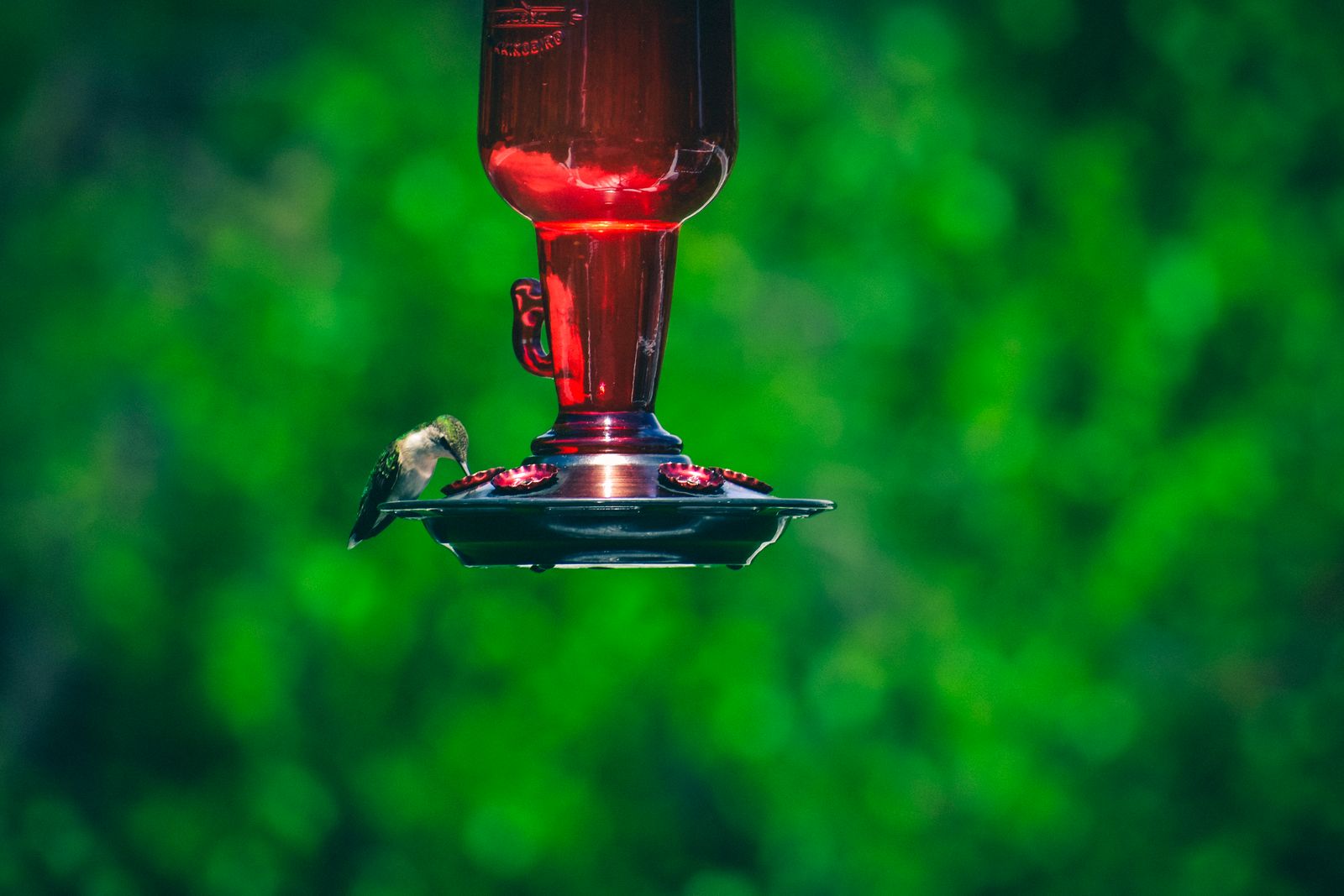
Can Hummingbird Feeders Get Wet in the Rain? Weather Safety & Solar Protection FAQ
Many backyard bird lovers believe rainwater completely ruins hummingbird feeders, requiring them to be rushed indoors at the first sign of drizzle. In reality, hand-blown glass and weather-protected solar caps easily withstand outdoor moisture. However, open feeding ports allow driving rain to mix with sugar water, diluting the crucial 4:1 nectar ratio and accelerating bacterial mold growth. While quality solar housing shields RGB batteries from rain, unsealed top-fill models risk electrical damage or nectar contamination if left unshielded in severe storms.
Weather Protection Decision Framework for Solar Glass Feeders
Hummingbird feeders can safely stay outside during normal rainfall if designed with sealed bases and protective caps. However, heavy rains dilute exposed nectar, and freezing temperatures shatter hand-blown glass.
Best choice for
- Keep feeder hanging with a weather baffle — Protects feeding ports from rainwater entry while providing shelter for feeding birds.
- Bring glass feeders indoors — Prevents glass thermal shock/breakage and preserves delicate solar RGB circuitry.
- Leaving unshielded top-fill feeders out during torrential downpours without a protective cap shroud.
- Leaving water-filled hand-blown glass feeders hanging when temperatures drop below 32°F (0°C).
- Add a clear acrylic weather baffle dome above the feeder — Deflects driving rain away from flower ports and keeps top solar housing dry.
Featured Weather-Resistant Choice: LUJII Solar-Powered Hand-Blown Glass Hummingbird Feeder
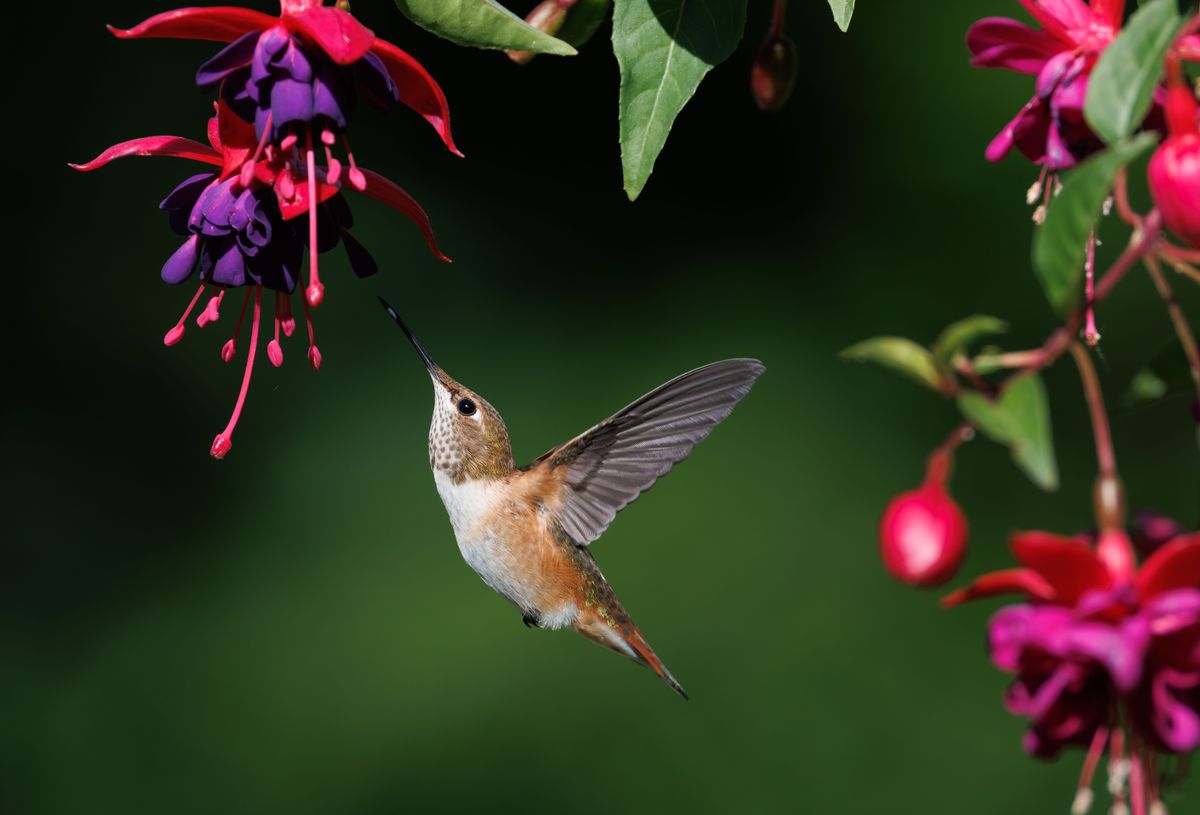
Photo by Veronika Andrews on Pexels
When selecting a feeder built to withstand summer showers and twilight winds, structural integrity and smart weatherproofing make all the difference.
- Hand-Blown Glass Art: Each 32 fl. oz reservoir is individually hand-crafted at 2,300°F. The thick, colorful, translucent glass allows instant nectar visibility while enduring outdoor elements.
- Protective Solar Cap: Features an engineered top plastic solar cap that shields solar cells and RGB lighting electronics from rain, snow, and sunlight. Automatically illuminates at night for up to 8 hours.
- Anti-Rust Metal Base & Sealed Design: A slender silhouette combined with a sealed, anti-rust coated metal base minimizes drips, leaks, and water seeping into the reservoir.
Pro Tip: Inspecting Solar Cap Gaskets Before Heavy Downpours
Before a major rainstorm rolls through your garden, perform a quick 5-second Gasket Check. Ensure the silicone ring between the solar light cap and the glass bottle neck is seated flat and free of stray sugar crystals. Sugar buildup on the gasket creates tiny air gaps that allow capillary water draw during wind-driven rain, potentially short-circuiting the RGB module or contaminating your fresh 4:1 sugar syrup.
Pre-Storm & Rain Prep Checklist
- [ ] Check that the protective plastic solar cap is snugly fitted over the glass housing.
- [ ] Ensure the rubber sealing gasket between cap and glass is free of debris.
- [ ] Confirm the anti-rust metal base is screwed tight to prevent base seepage.
- [ ] Hang the feeder under an overhang or clear weather baffle if heavy downpours are forecast.
- [ ] Inspect nectar clarity after the rain stops; replace immediately if water diluted the reservoir.
Troubleshooting Weather-Related Feeder Issues
| Symptom | Likely Cause | Immediate Fix | Prevention Strategy |
| --- | --- | --- | --- |
| Nectar turns cloudy or milky after a storm | Rainwater entered feeding ports, diluting nectar and introducing atmospheric fungal spores | Discard nectar immediately, flush reservoir with warm water/vinegar, refill fresh 4:1 nectar | Install a weather baffle overhead to block direct rain entry into feeding ports |
| Solar RGB lights fail to turn on at night | Water trapped around solar cap sensor OR battery undercharged due to overcast storm sky | Wipe cap dry with micro-fiber cloth; allow cap to charge in direct sunlight for 1 full sunny day | Ensure top plastic solar cap seal is clean and tightly seated before rain events |
| Water pooling inside the metal base | Heavy wind tilted feeder, causing base flooding or gasket loosening | Unscrew metal base, empty liquid, re-align internal rubber seal, screw base tightly | Hang feeder from a rigid shepherd's hook with a spring coupler to damp wind sway |
| Glass reservoir hairline crack after winter rain | Thermal shock or ice expansion from trapped liquid in freezing rain conditions | Replace glass vessel immediately; do not feed birds from cracked glass | Bring glass feeders indoors whenever outdoor temperatures fall to 32°F (0°C) or below |
If your garden feeder experiences rain exposure, use this diagnostic guide to quickly resolve nectar or lighting issues.
Essential Weather Shielding Takeaways
Keep these key principles in mind when maintaining your solar hummingbird feeder throughout the seasons.
Rain Safety vs. Dilution Hazard Matrix
| Weather Scenario | LUJII Solar Hand-Blown Glass Feeder | Standard Cheap Plastic Feeder | Unshielded Open Basin Feeder |
| --- | --- | --- | --- |
| Passing Light Showers (< 0.25 in) | Protective cap sheds rain completely. Sealed 32 oz reservoir prevents dilution. | Water sheds off body, but lightweight construction sways in breeze. | Minor water pooling around exposed ports; slight nectar dilution. |
| Heavy Downpours & Driving Rain (> 1.0 in) | Cap deflects water. Weather baffle recommended to prevent port splashes. | Flexible plastic caps warp, allowing rain to seep directly into nectar container. | Nectar heavily diluted within 30 minutes; rapid sugar ratio breakdown. |
| High Winds & Summer Storms | Heavy glass weight (32 oz) resists swaying; sealed base prevents tipping spills. | Lightweight plastic swings wildly, spilling nectar and attracting ants/wasps. | Severe tipping and nectar loss; high risk of wind detachments. |
| Freezing Rain & Snow (≤ 32°F) | Bring indoors. Glass hand-blown at 2,300°F survives cold, but expanding ice cracks glass. | Plastic turns brittle and cracks under freezing stresses. | Liquid freezes solid in open tray, rendering ports unusable and damaging base. |
Compare how different feeder styles and weather conditions impact nectar safety, solar performance, and structural durability.
LUJII Solar Glass Feeder Weatherability Specifications
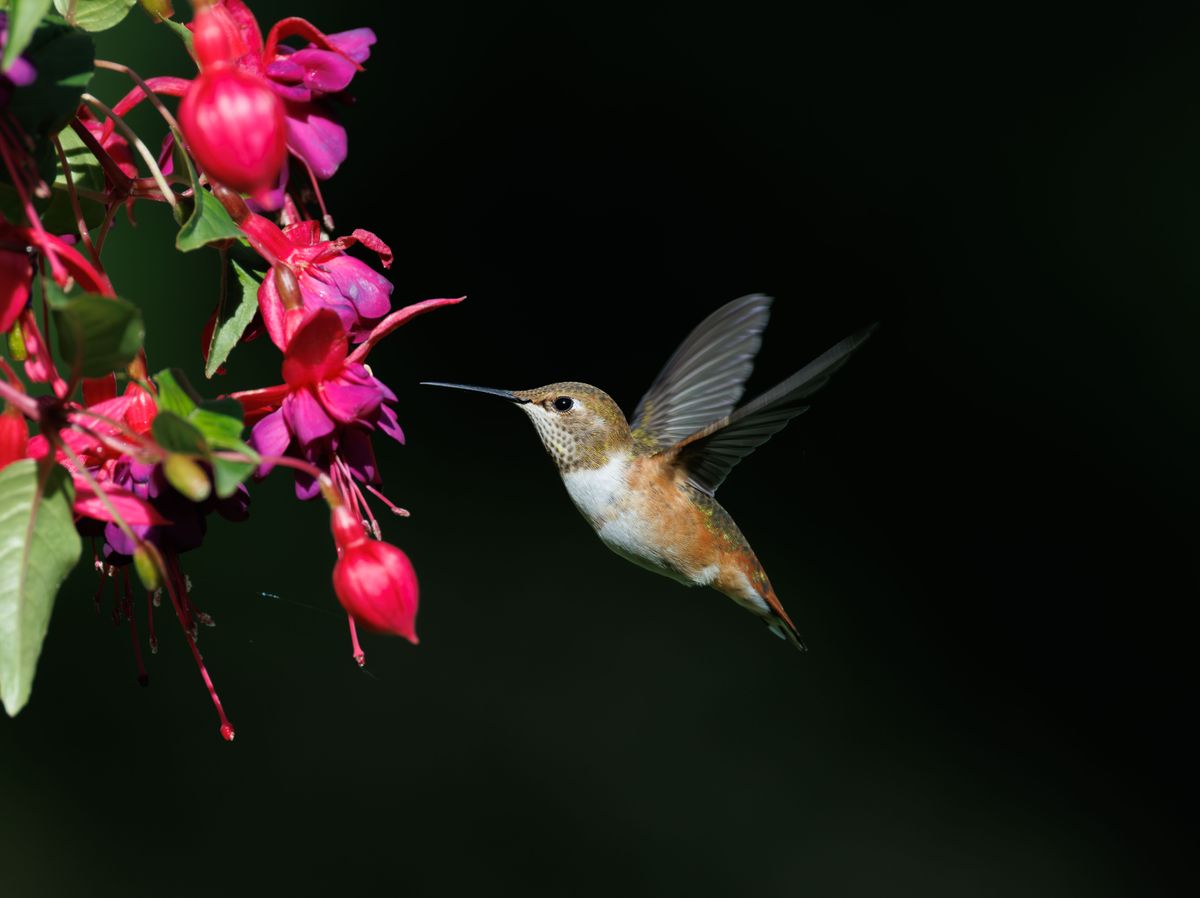
Photo by Veronika Andrews on Pexels
| Component | Material & Crafting | Weather & Water Rating | Care / Maintenance Requirement |
| --- | --- | --- | --- |
| Solar Top Housing | High-grade weather-resistant plastic cap | Waterproof cap shields against rain, snow, and UV degradation | Wipe solar cell panel clean once a month for optimal RGB battery charging |
| Nectar Reservoir | Hand-blown glass art (crafted at 2,300°F) | Impervious to rain, sun fading, and scratch damage; 32 oz capacity | Bring indoors during severe freeze warnings to prevent ice expansion shock |
| Feeder Base & Ports | Anti-rust coated metal base with rubber seals | Rust-resistant coating resists rain-induced corrosion | Hand wash with warm water and white vinegar; dry base threads fully |
| Internal Lighting | Low-voltage multi-mode RGB solar LED | Enclosed electronic module protected by top cap seal | Ensure gasket is seated flush before tightening solar cap |
Technical specifications highlighting the weatherproofing and material resistance of LUJII solar-powered hand-blown glass feeders.
5 Critical Weatherproofing Mistakes to Avoid
Avoid these common pitfalls to keep your hummingbirds healthy and preserve your solar glass feeder investment.
Explore Nectar Care & Garden Lighting Knowledge
Deepen your backyard birding expertise with key guides on nectar freshness, solar lighting maintenance, and seasonal yard care:
- Nectar Safety Ratios: Understanding how hot weather and rainfall alter sugar concentration in DIY 4:1 nectar.
- Solar Lighting Optimization: Maximizing twilight RGB illumination hours during cloudy or rainy summer weeks.
- Cleaning Hand-Blown Glass: Safe non-toxic cleaning methods to prevent mold without fading artistic glass colors.
Frequently Asked Questions About Rain, Snow & Weather Shielding
Clear, expert answers to common questions about keeping your solar hummingbird feeder safe in variable weather.
Your Rain Prep Action Plan
Your decision: Decide whether your current setup adequately shields nectar ports and solar electronics from rain.
Do this next: Inspect your solar cap gasket, install a protective clear rain baffle if exposed to open sky, and replace nectar immediately if rainwater enters the reservoir.
- Read next: Learn more about safely brewing DIY 4:1 hummingbird nectar
LUJII Solar-Powered Hand-Blown Glass Hummingbird Feeder with Waterproof Cap and Anti-Rust Base.
Protecting your feeder from rainy weather ensures your visiting hummingbirds receive clean, high-energy nectar every single day.
Cover photo by Chris F on Pexels.