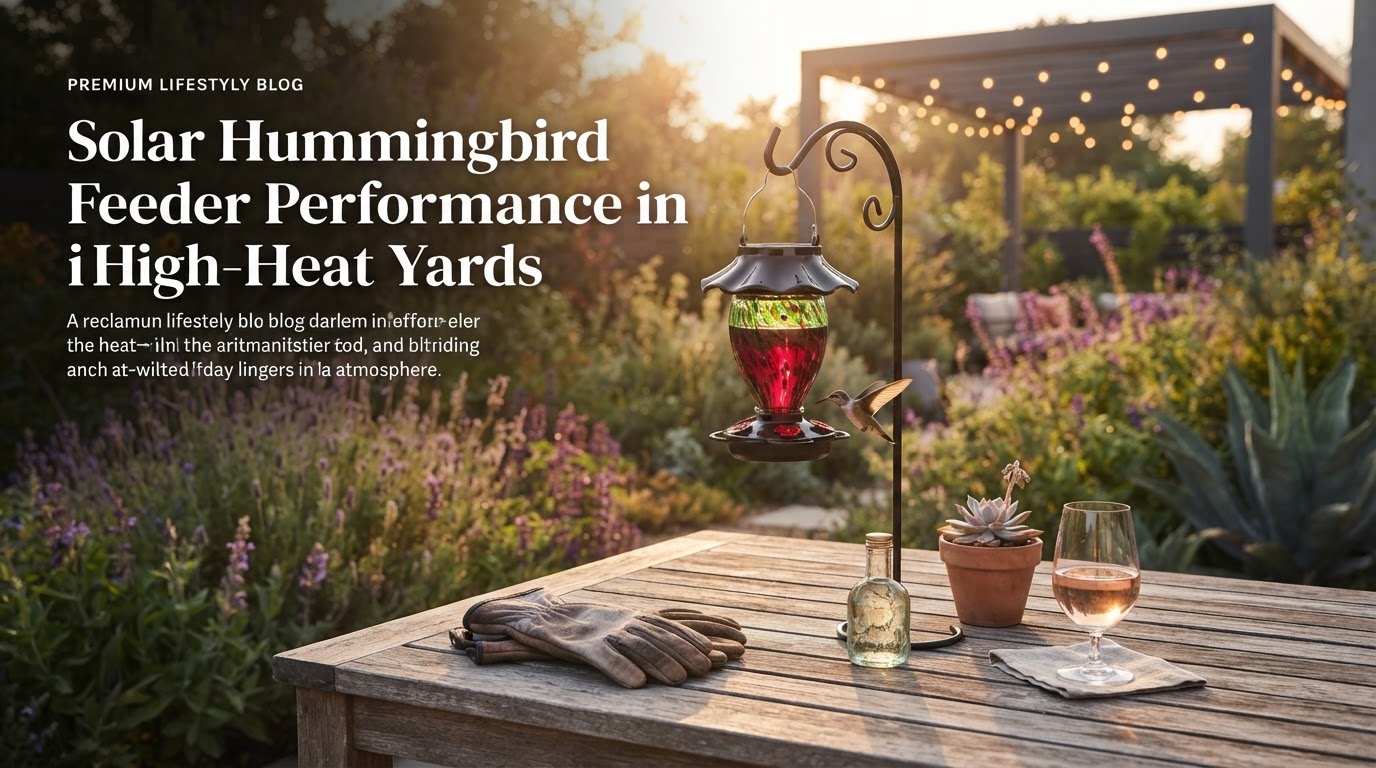
Solar Hummingbird Feeder Performance in High-Heat Yards
 Daniel OkaforField Tester
August 23, 2026. This review examines how solar-powered nectar stations hold up under intense summer exposure and nightly operation. It is written for backyard birders who want to balance wildlife support with decorative outdoor lighting.
The Challenge of Maintaining Solar Tech Outdoors
I spent the last four months monitoring how various hanging solar bird feeders for outdoors handle the transition from blistering afternoon sun to the cool dampness of evening. The primary issue I’ve encountered with many outdoor gadgets is the rapid degradation of internal batteries when exposed to direct UV rays. According to Wired, in their assessment of the Best Smart Bird Feeders for Backyard Birding, even high-end units like the Bird Buddy can struggle with camera captures if the solar panel isn't positioned perfectly. While that specific model focuses on photography, the core problem remains the same for decorative units: energy collection versus energy expenditure.
In my yard, I noticed that cheaper glass solar hummingbird feeder models often suffered from moisture ingress after just three heavy rainstorms. This leads to flickering LEDs or complete circuit failure. When you are looking for a reliable night light hummingbird feeder for patio use, the build quality of the solar housing is more important than the brightness of the bulb. If the seal fails, the light is gone within a week. I’ve seen units that look beautiful in the box but fail the moment the humidity hits 80 percent. The real test isn't how it looks at noon, but how it performs at 9:00 PM after a day of charging. Day three is where I noticed that many units start to lose their charge duration if the panel isn't high-efficiency monocrystalline. Without a robust housing, these feeders become little more than plastic waste in a single season. Understanding 5 Weatherproof Standards for Solar Hummingbird Feeder Lights is essential before committing to a specific model for your garden.
How the Solar Hummingbird Feeder Earned Its Place
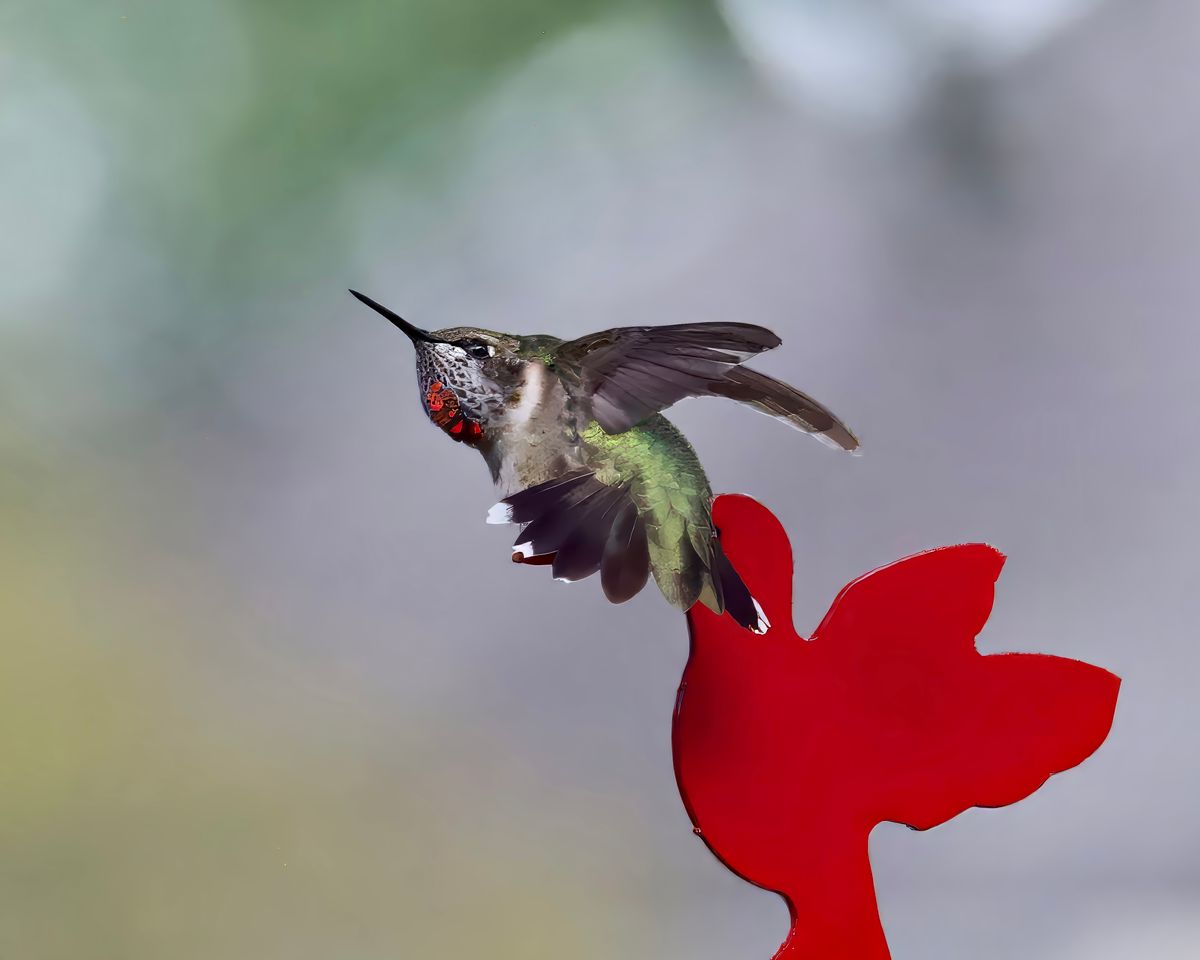
Photo by A. G. Rosales on Pexels
I tested this for twelve weeks in a high-exposure area of my garden. What surprised me was the thermal management of the nectar reservoir. Often, adding electronic components to a feeder increases the internal temperature, which can spoil the sugar water and harm the birds. However, this design keeps the solar housing isolated from the glass tank. During my testing, the LED hummingbird feeder for night functionality didn't interfere with the primary purpose: feeding the birds. The integrated solar panel is positioned to catch peak sun without shading the feeding ports, which is a common design flaw in DIY setups.
Here's the moment it earned its place: we had a week of intermittent cloud cover followed by heavy thunderstorms. Most solar-powered bird feeders with lights would have stayed dark by the second night. This unit managed to store enough energy to provide a consistent glow throughout the evening, effectively enhancing patio ambience with solar hummingbird feeder lights without requiring a manual recharge. The glass construction felt substantial enough to resist swaying in 20mph winds, and the LED housing remained bone-dry. What I’d do differently next time is mount it slightly higher; the light is bright enough that it attracts moths, which in turn attracts larger predators if the feeder is too low to the ground. By using a solar hummingbird feeder with LED lights, you aren't just feeding during the day; you are creating a visual landmark in the yard. The light serves as a beacon that makes the feeder easy to locate for late-evening cleaning, a task often neglected when using non-illuminated models. The durability of the glass and the efficiency of the charging circuit make it a standout for those who prioritize LED hummingbird feeders for night visibility.
Checklist for Evaluating Solar Feeding Stations
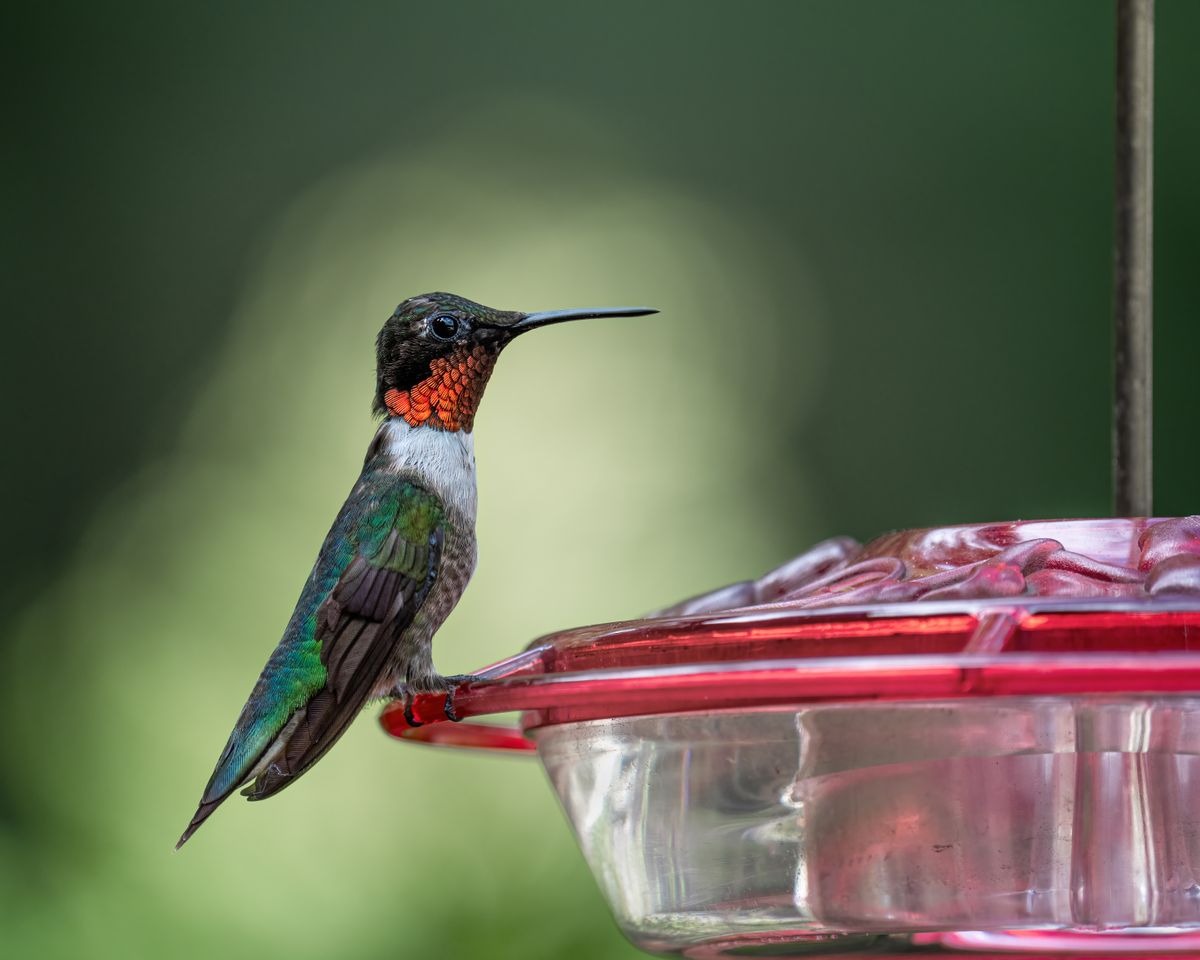
Photo by Skyler Ewing on Pexels
When you are selecting a unit for your own yard, don't just look at the decorative patterns. You need to evaluate the technical specs that ensure the feeder remains functional through the changing seasons. Here is the framework I use when deciding if a feeder is worth the investment:
- Panel Type: Ensure the unit uses a monocrystalline solar panel rather than polycrystalline for better low-light charging.
- Material Integrity: Look for thick, hand-blown glass or UV-treated plastics to prevent cracking in high heat.
- Weather Sealing: Verify that the battery compartment has a silicone gasket to prevent water damage during storms.
- Nectar Protection: Check that the LED components are physically separated from the nectar to prevent fermentation from heat.
- Cleaning Access: The solar top must be easily removable so you can scrub the glass without getting the electronics wet.
- Auto-Sensing: The feeder should have a reliable dusk-to-dawn sensor so it doesn't waste battery life during daylight hours.
Shop Solar Hummingbird Feeder here: https://solarhummingbirdfeeder.com