Smart Feeder Trends and the LUJII Solar Feeder Model
 Priya RamanSenior Analyst
July 31, 2026 — The intersection of backyard birding and consumer technology is currently undergoing a significant shift as new integrated power solutions enter the market. While smart camera feeders offer digital surveillance, traditional solar-integrated feeders like the LUJII Solar-Powered Hummingbird Feeder emphasize aesthetic durability and passive energy collection.
To evaluate these options, we can utilize a 2x2 framework for backyard integration. Two axes matter here: the Utility Axis (ranging from purely decorative to data-driven) and the Maintenance Axis (ranging from passive solar to active charging). By plotting these, we see that the market is bifurcating between high-tech monitoring and low-intervention artisanal design. Think of it as a matrix of digital engagement versus organic garden integration.
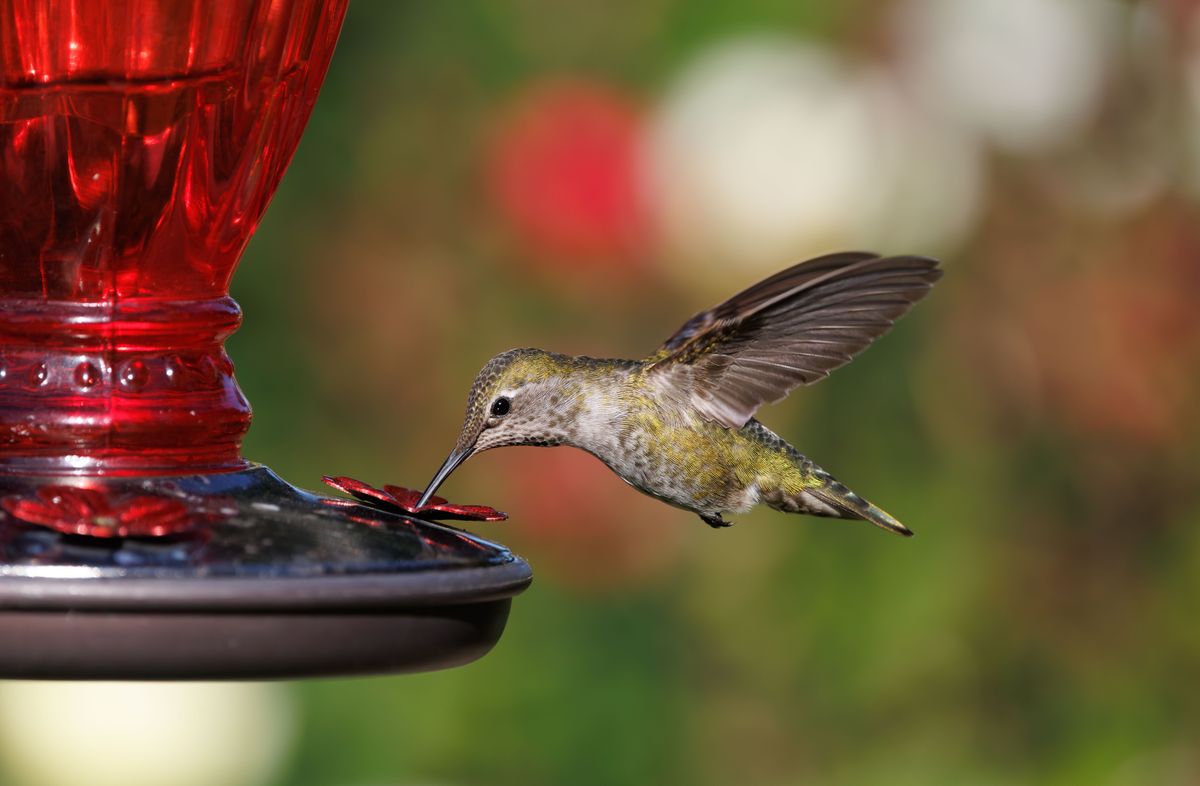
Photo by Veronika Andrews on Pexels
According to New Atlas, a new class of home technology, exemplified by the Harymor smart feeder, now allows users to experience local wildlife via smartphone from any location. This trend toward digital proximity is significant; New Atlas reports that these devices provide a bird's-eye view that takes backyard birding to a new level. However, this increased connectivity often requires more frequent battery management or complex software setups.
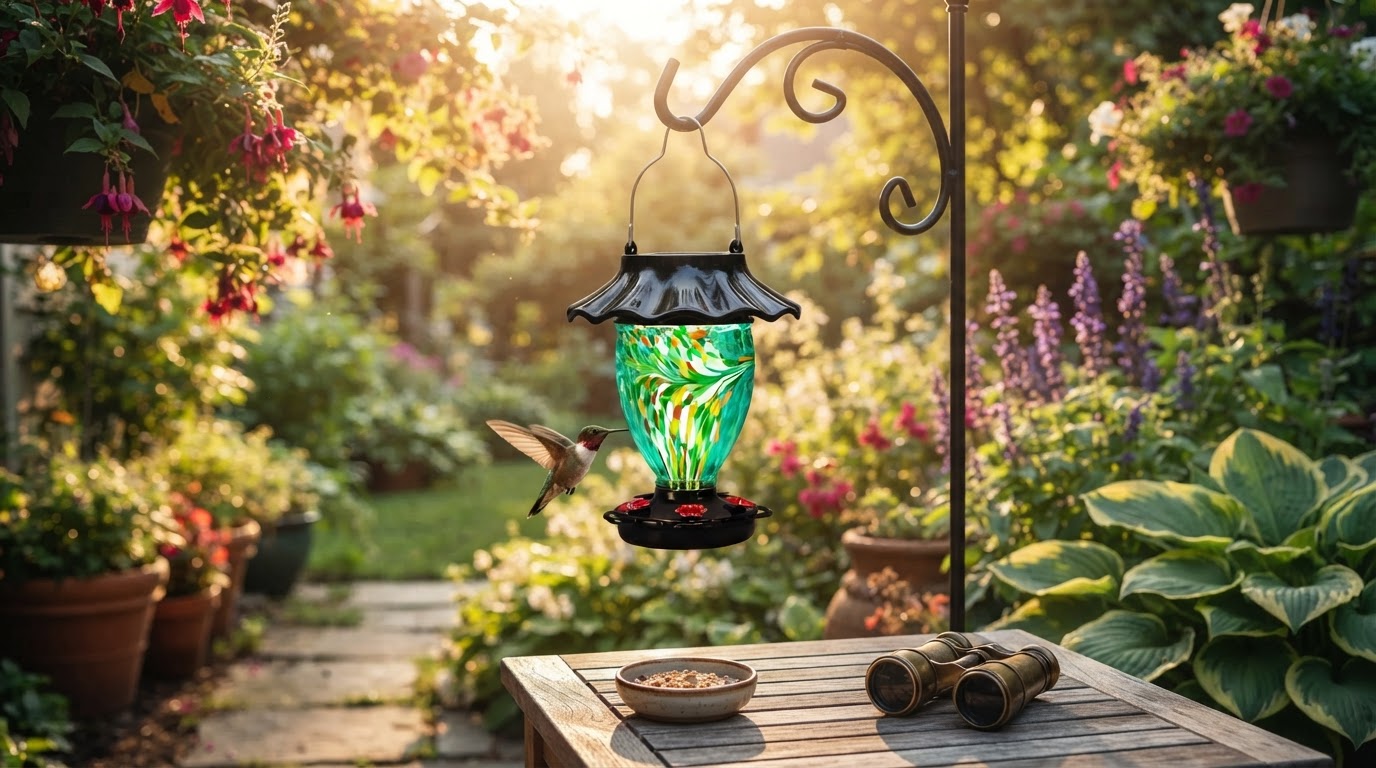
In contrast, the LUJII Solar-Powered Hummingbird Feeder operates on a passive model. Its hand-blown glass reservoir is shaped at 2,300 degrees, creating a unique vessel that relies on a plastic solar cap to power RGB lights for up to 8 hours. This eliminates the need for external power sources or data connections while providing a 32 fl.oz capacity. For those prioritizing visual appeal, the see-through glass and anti-rust metal base offer a different value proposition than plastic camera housings.
Expert tip: When placing solar-powered glass feeders, ensure the solar cap receives at least six hours of direct sunlight to maximize the RGB lighting duration at night. Positioning the feeder near glass-cleaning-maintenance stations or hummingbird-migration-patterns can improve sighting frequency. Furthermore, checking the nectar-safety-guidelines ensures the 32 fl.oz reservoir remains a healthy environment, especially when compared to smart-feeder-troubleshooting steps required for electronic models.
Once you see it this way, the choice depends on your primary goal for the garden space. The decision rule: Select smart feeders for data and remote viewing, but choose solar-powered glass feeders for low-maintenance garden aesthetics and artisanal longevity.