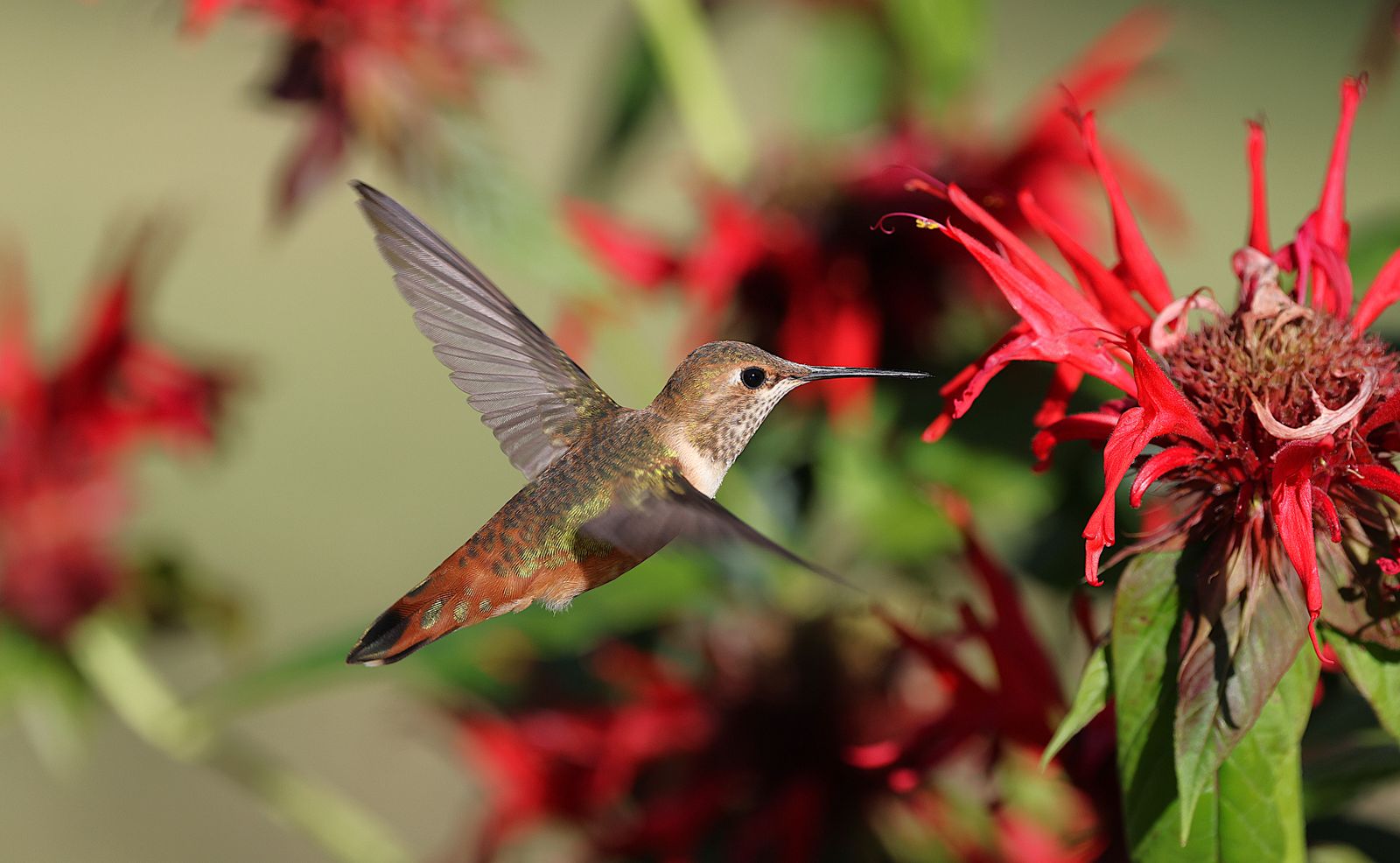
Slender vs. Wide Hummingbird Feeders: Geometry & Pest Control Guide
A slender hummingbird feeder design is superior for leak prevention and pest control because its narrow vertical profile maintains a tight hydrostatic vacuum seal while minimizing surface area heat absorption. This design prevents heat-induced nectar expansion drips and keeps liquid levels safely below the reach of long-legged wasps.
Geometry Comparison: Slender Reservoir vs. Wide Bowl
| Evaluation Criteria | Slender Vertical Reservoir (e.g., LUJII 32 oz) | Wide Shallow Dish Bowl Feeder |
| --- | --- | --- |
| Hydrostatic Pressure Seal | Creates airtight atmospheric vacuum lock in top air pocket; halts unprovoked liquid dripping. | Zero vacuum lock; open to ambient atmospheric pressure across entire liquid surface. |
| Surface-Area-to-Volume Ratio | Low surface exposure relative to volume (32 oz column); slows solar heating and evaporation. | High surface exposure relative to liquid depth; rapidly absorbs solar energy and ferments. |
| Wasp & Bee Resistance | Port guard depth exceeds wasp proboscis length; fluid stays recessed inside base channel. | Shallow open fluid level allows short-legged yellow jackets and bees direct feeding access. |
| Thermal Drip Vulnerability | Thick hand-blown glass insulates internal air pocket against rapid thermal air expansion. | Thin plastic or open dishes overflow rapidly when ambient heat expands liquid level. |
| Wind Sloshing Spills | Enclosed column keeps nectar mass centered; sealed base minimizes sway displacement. | Shallow open basins spill liquid over flower ports during moderate wind gusts. |
| Visual Nectar Monitoring | Translucent hand-blown glass column provides instant vertical line-of-sight checks. | Difficult to gauge liquid depth without looking directly over the top of the dish. |
Evaluating how fluid dynamics, surface geometry, and structural seal mechanisms perform across vertical columns and horizontal dish designs.
Pros & Cons: Evaluating Vertical and Open Dish Geometries
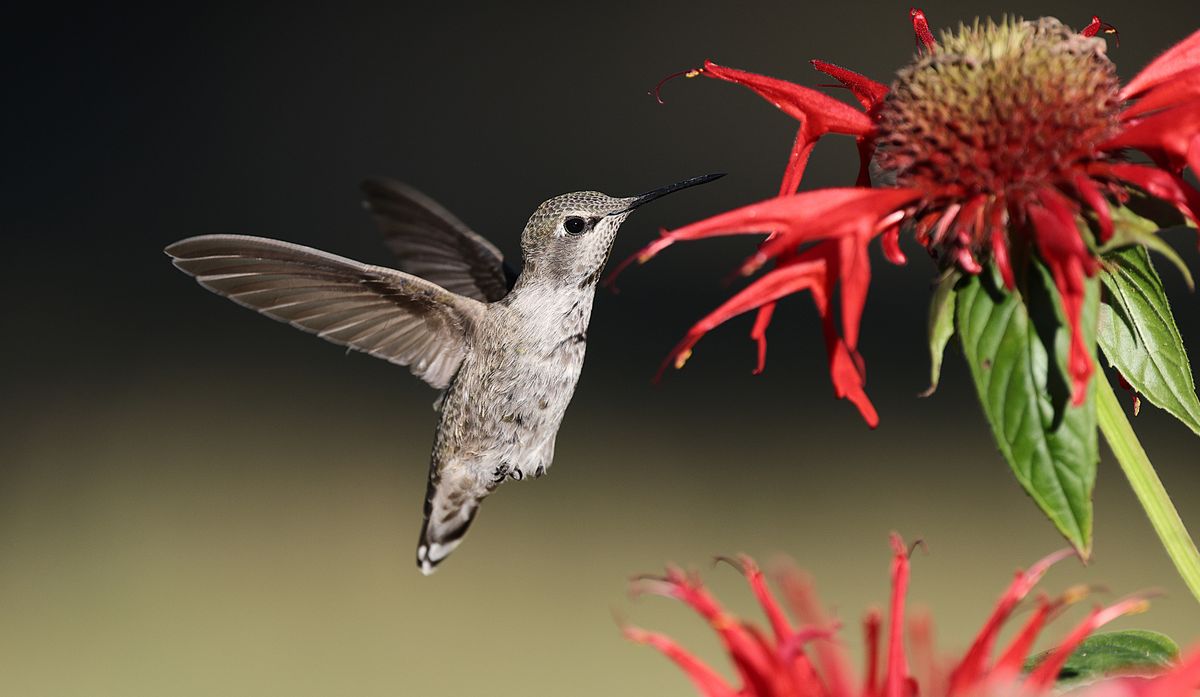
Photo by Veronika Andrews on Pexels
Weighing the functional benefits and trade-offs of slender vertical glass towers versus shallow horizontal dish bowls.
Editor's Choice: The Optimal Geometric Solution
For garden enthusiasts seeking the ultimate balance of leak-proof physics, pest protection, and artistic beauty, the LUJII 32 fl. oz Slender Solar Hand-Blown Glass Hummingbird Feeder is the top recommendation.
Crafted by glass artisans at 2,300°F, its thick hand-blown reservoir provides excellent thermal mass to buffer ambient temperature swings. The slender vertical profile maintains an airtight vacuum lock, while the anti-rust coated metal base with a precision silicone seal guarantees leak-free operation. At dusk, integrated RGB solar illumination highlights the vivid glass colors without drawing nocturnal pests.
3 Common Mistakes in Hummingbird Feeder Setup
Avoid these critical installation and maintenance errors that destroy vacuum pressure and invite garden pests.
Expert Fluid Dynamics Tip: Thermal Expansion & Hydrostatic Balance
Hydrostatic pressure in a vertical slender feeder follows the principle $P = \rho g h$, where column height ($h$) creates a stable downward fluid force counterbalanced by negative air pressure in the sealed top chamber. During hot afternoons, thermal expansion causes air inside the top pocket to expand slightly. To prevent this expanding air from pushing liquid out of the feeding ports, choose a feeder with a thick hand-blown glass column. High thermal mass insulates the internal air pocket against rapid air expansion, holding the vacuum lock intact even when daytime temperatures spike above 80°F.
Visual Breakdown: Hydrostatic Pressure & Surface Area Mechanics
Understanding how internal atmospheric pressure keeps nectar inside slender columns while wide open dishes spill under fluid weight.
Frequently Asked Questions About Feeder Geometry & Pest Prevention
How does high heat affect vacuum seals in glass feeder reservoirs?
Thermal expansion causes air inside the top reservoir pocket to expand. In high heat, this expands the air pocket and can push a small amount of nectar out unless the feeder utilizes thick hand-blown glass with high thermal mass and a tight rubber/metal base seal.
What is the best way to clean narrow-neck slender glass reservoirs?
Use a curved bottle brush along with a mild warm water and white vinegar solution. Non-toxic vinegar breaks down sugar residues easily without degrading hand-blown glass art patterns or leaving chemical film.
Does solar light illumination attract night-flying insects or pests?
No. LUJII's soft RGB solar lights illuminate the artistic glass exterior from above without altering feeding port temperature or drawing nocturnal pests to the nectar liquid.
Clear answers to technical questions about heat expansion, cleaning slender bottles, and solar light behavior.
Key Takeaways: Feeder Geometry Physics
Photo by Veronika Andrews on Pexels
- Slender vertical reservoirs establish a hydrostatic vacuum lock that prevents continuous dripping.
- Low surface-area-to-volume ratios slow nectar heating, evaporation, and sugar fermentation.
- Recessed port designs in slender bases keep nectar out of reach for yellow jackets and honeybees.
- Thick hand-blown glass acts as thermal insulation against daytime air pocket expansion.
- Soft top-lit RGB solar illumination adds garden aesthetics without heating nectar or attracting pests.
Decision Guide: Selecting the Right Feeder Shape for Your Backyard
Slender vertical glass reservoirs leverage atmospheric vacuum pressure and low surface-area-to-volume ratios to prevent leaks, reduce nectar spoilage, and physically deny ants and wasps access.
Best choice for
- Slender Vertical Glass Reservoir (LUJII 32 oz) — Minimizes surface area exposed to direct sun, holding liquid temperature lower and preserving the vacuum seal.
- Slender Vertical Reservoir with Deep Port Guards — Hummingbird tongues (up to 0.75 inches long) easily reach recessed nectar channels, while short wasp legs cannot reach liquid.
- Avoid wide shallow dish feeders if your yard experiences frequent afternoon wind gusts or aggressive yellow jacket activity.
- Slender Hand-Blown Glass Solar Feeder with Built-in Ant Moat — Offers maximum 32 fl. oz volume, atmospheric vacuum protection, anti-rust metal base, and nighttime visual appeal.
Real-World Backyard Scenarios
High Heatwaves (90°F+ Direct Sun) — Use a 32 oz slender hand-blown glass feeder placed in morning sun and afternoon shade. The thick glass insulates the top vacuum chamber, preventing thermal push-drips.
Breezy Coastal or Hilltop Decks — Choose vertical slender columns over wide dish bowls. Vertical mass resists wind sloshing, ensuring sugar water does not spill out of the flower feeding ports.
Wasp and Bee Incursions — Replace wide open bowls immediately with slender vertical feeders. Deep recessed fluid paths in slender bases prevent short-proboscis insects from contacting nectar.
How feeder geometry performs across common outdoor environments.
When selecting a hummingbird feeder, most backyard bird enthusiasts focus on color and aesthetics. However, the underlying geometric shape dictates whether your feeder remains a clean nectar haven or turns into a sticky, pest-ridden hassle.
Fluid Pressure and Vacuum Lock Mechanics
Vertical slender reservoirs operate on an atmospheric equilibrium principle. When you fill a slender reservoir like the LUJII 32 fl. oz Hand-Blown Glass Feeder and invert it into its sealed metal base, a small volume of nectar fills the feeding basin. As liquid enters the base, the air space at the top of the bottle expands slightly, dropping in pressure relative to the outside atmosphere. This negative pressure creates a 'vacuum lock' that holds the remaining liquid weight in suspension.In contrast, wide dish bowls feature an open, unsealed liquid surface. Without an enclosed top chamber to generate negative pressure, gravity and ambient movement push fluid toward port openings freely, leading to drips whenever temperature or wind conditions shift.
Thermal Mass and Surface Area Science
The surface-area-to-volume ratio ($SA/V$) is a crucial factor in nectar preservation. Wide dish bowls spread nectar thin over a large horizontal area, maximizing direct exposure to sun and warm air. This accelerates heat transfer, causing sugar water to ferment within 24 to 48 hours.Slender vertical columns pack fluid into a tall cylinder, minimizing the top surface area exposed to warm air pockets. When combined with hand-blown artisan glass—shaped by master craftsmen at 2,300°F—the thick glass walls provide structural thermal insulation. This buffers internal liquid against rapid temperature spikes, preserving nectar freshness for days.
Defeating Wasps and Ants Through Physical Geometry
Hummingbirds possess long, bifurcated tongues capable of extending deep into floral tubes. Yellow jackets, honeybees, and paper wasps have much shorter mouthparts. Slender feeders utilize deep internal base channels where liquid rests below port guards. Hummingbirds easily reach nectar through the port stem, while wasps land on top of port guards and find the liquid entirely out of reach.By pairing slender reservoir physics with a sealed anti-rust metal base and soft solar RGB illumination, garden enthusiasts enjoy a clean, low-maintenance birdwatching experience all season long.
Featured Hand-Blown Solar Hummingbird Feeder
Bring engineering elegance and vibrant artisan art to your garden with our top-rated slender glass feeder.
Next Steps for Optimizing Your Backyard Nectar Station
Your decision: Choose a slender, heavy glass vertical reservoir with a sealed base to eliminate drips, control pests, and protect nectar freshness.
Do this next: Inspect your current backyard feeder for signs of thermal seal breakdown or unsealed shallow bowls, and position slender feeders in partial shade.
Related resource: Check your local weather forecast to adjust feeder refill frequency during heatwaves above 85°F.
LUJII 32 fl. oz Slender Solar Hand-Blown Glass Hummingbird Feeder
Put fluid dynamic principles into action to keep your local hummingbirds healthy and your garden clean.