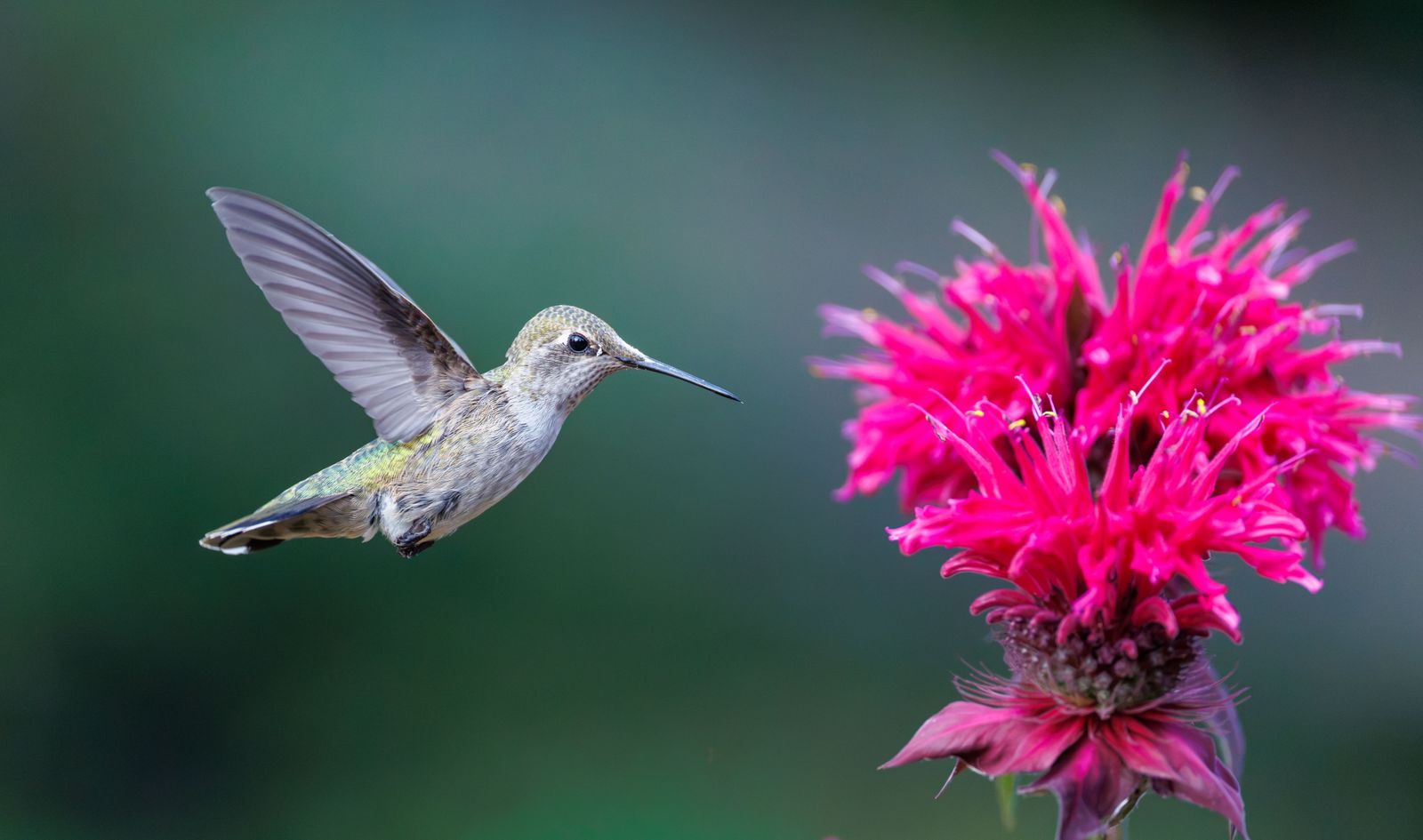
How to Maximize Solar Light Runtime for Patio & Glass Hummingbird Feeders: The Complete Troubleshooting Checklist
Is your solar patio decor or glass hummingbird feeder shutting off after just 1 to 3 hours? To maximize runtime up to 8 hours, position the solar cap for 6 to 8 hours of unshaded direct sunlight daily, wipe dust and sap off the panel monthly with a damp microfiber cloth, and replace the internal Ni-MH battery every 12 to 18 months.
The 8-Hour Glow Audit Checklist: Quick Daytime Placement Fixes
- [ ] Inspect switch under solar cap to ensure it is firmly toggled to 'ON' or 'COLOR MODE'.
- [ ] Wipe solar cap with a soft damp microfiber cloth to remove pollen, dust, and hard water scale.
- [ ] Check overhead tree canopy between 10:00 AM and 3:00 PM for shifting leaf shadows.
- [ ] Verify that ambient porch lights or motion sensors are at least 15 feet away to prevent early dusk sensor shutoff.
- [ ] Inspect battery compartment seal for rust or moisture buildup after heavy rainfall.
Printable Solar Care & Seasonal Maintenance Sheet
Photo by Veronika Andrews on Pexels
- Solar Charging Rule: 6 to 8 hours of unshaded sunlight yields up to 8 hours of night glow.
- Cleaning Solvent: Warm water and mild dish soap only; use a drop of vegetable oil for stubborn tree sap.
- Nectar Safety: Hang glass feeders where solar cap catches overhead sun while glass body gets dappled afternoon shade.
- Battery Lifespan: Replace 1.2V Ni-MH AA/AAA solar batteries every 12-18 months (600-800mAh capacity).
- Winter Freeze Warning: Bring hand-blown glass and solar caps indoors when temperatures drop below 32°F (0°C).
Pro Tip: Balancing Direct Sunlight on Solar Caps vs. Nectar Heat Protection
Here is a delightful secret from experienced backyard birding enthusiasts: illuminated hand-blown glass hummingbird feeders present a dual challenge. The photovoltaic solar cap demands full, direct ultraviolet rays to store energy, while delicate sugar nectar degrades and ferments quickly if the glass reservoir boils under intense 2:00 PM summer heat.
To achieve the perfect balance, hang your feeder from a Shepherd's hook angled outward from a patio roofline or high tree branch. Position it so the top solar cap sits above the shadow line to gather unhindered sunlight, while the hanging 2,300°F hand-blown glass body rests in the soft shade of eaves or nearby foliage. Your feathered jewel visitors will enjoy cool, fresh 32 fl.oz nectar all afternoon, and you will enjoy a magical, multi-color RGB glow all night long.
Solar Decor Failure Mode Diagnostic Matrix
| Failure Mode | Likely Root Cause | Diagnostic Test | Recommended Solution |
| --- | --- | --- | --- |
| Light shuts off after 1 to 2 hours of darkness | Degraded Ni-MH battery or partial shading during afternoon hours | Cover solar panel during mid-day to test full glow potential after 8 hours of sun exposure | Reposition feeder to face south; replace internal Ni-MH cell if battery is older than 12 months |
| RGB LEDs flicker rapidly or rapidly change colors erratically | Corroded battery contacts or loose connection in waterproof cap | Open solar cap and inspect terminal springs for green or white oxide build-up | Gently clean battery terminals with a cotton swab dipped in white vinegar and dry thoroughly |
| Solar LED fails to illuminate at dusk entirely | Ambient artificial light from porch lanterns triggering the daytime sensor shutoff | Shield solar cap with dark cloth at night while porch lights are turned on | Move solar feeder at least 15 feet away from bright artificial fixtures, streetlights, or floodlights |
| Solar cap glass/plastic lens looks cloudy, yellowed, or chalky | Microscopic pollen film, sap buildup, or hard water scale from sprinklers | Rub surface with a damp microfiber cloth; check if residue transfers | Wipe with mild soap and warm water; buff dry. Coat with plastic polish if UV oxidation has occurred |
Identify your specific illumination failure mode below to instantly discover the root cause and recommended garden fix.
Routine Solar Cap & Battery Maintenance Schedule
- Weekly — Inspect solar cap top for bird droppings, fallen leaves, or pollen film. Wipe clean with a soft wet cloth during regular nectar refills.
- Monthly — Wash solar cap lens with mild dish soap and warm water. Check leak-proof rubber gaskets and clean anti-rust metal base.
- Seasonal (Spring/Fall) — Perform the 8-Hour Glow Audit. Check tree canopy shifts for new shadows. Clean battery compartment terminals.
- Annual (12-18 Months) — Replace internal 1.2V Ni-MH rechargeable battery with a fresh 600-800mAh capacity cell to restore peak charge retention.
Immediate Actions to Restore Your Nighttime Sanctuary Glow
Your decision: Identify whether your premature shutoff stems from improper sun placement, dirty solar sensors, or an aging Ni-MH battery.
Do this next: Perform the 8-Hour Glow Audit today: wipe down your solar panel cap with warm water and a microfiber cloth, then inspect for nearby artificial lights that trigger the dusk sensor off.
- Read next: Hand-Blown Glass Solar Hummingbird Feeders: Artisan Care & Style Guide
- Read next: Solar RGB Garden Lighting FAQs: Color Science & Placement
LUJII Solar-Powered Hand-Blown Glass Hummingbird Feeder with RGB LED Lighting
Take these quick steps today to troubleshoot your lighting issues and bring cozy evening ambiance back to your yard.
Key Takeaways for All-Night Patio Lighting
- Direct Sun Is Mandatory: Photovoltaic cells require 6-8 hours of direct ultraviolet light; ambient window light or heavy porch shade will reduce glow to 1-2 hours.
- Dual-Zone Positioning: Hang feeders where the solar cap catches top sun while the colorful hand-blown glass nectar reservoir remains shaded during high heat.
- Batteries Age Out: Solar Ni-MH batteries degrade after 300 to 500 charge cycles (roughly 12 to 18 months) and need periodic swapping.
- Keep It Clean: Dust, sap, and sprinkler mineral deposits block up to 50% of incoming light without appearing heavily soiled.
- Protect In Freeze: Cold winter frost can crack hand-blown glass art and permanently drain rechargeable battery chemistry.
Rechargeable Battery Specs: Standard Ni-MH vs. Upgrades
| Battery Type & Spec | Average Capacity (mAh) | Nightly Glow Duration | Lifespan (Cycles) | Best Scenario Use Case |
| --- | --- | --- | --- | --- |
| Standard Factory Ni-MH AA/AAA | 300 – 400 mAh | 4 to 6 Hours | 300 Cycles (~12 Mos) | Standard seasonal garden use in high-sun outdoor locations. |
| High-Capacity Solar Ni-MH Upgrade | 600 – 800 mAh | 7 to 8+ Hours | 500 Cycles (~18 Mos) | Ideal for multi-mode RGB lighting, longer winter nights, or partial afternoon sun. |
| Standard Non-Rechargeable Alkaline | 1500+ mAh (Non-charging) | 0 Hours (Risk of Rupture) | DO NOT USE | NEVER use in solar caps. Solar charging circuit will force current into cell, causing chemical leaks. |
Selecting the right battery specification for your solar cap ensures brilliant RGB lighting modes without damaging delicate electronic solar controllers.
Patio Placement Layout: Sunlight Exposure vs. Nectar Shade Zone
Visualize how to angle your solar hanging decor to harvest maximum sunlight while keeping hummingbirds safe and liquid nectar fresh.
Interactive Tool: Solar Runtime & Sunlight Estimator
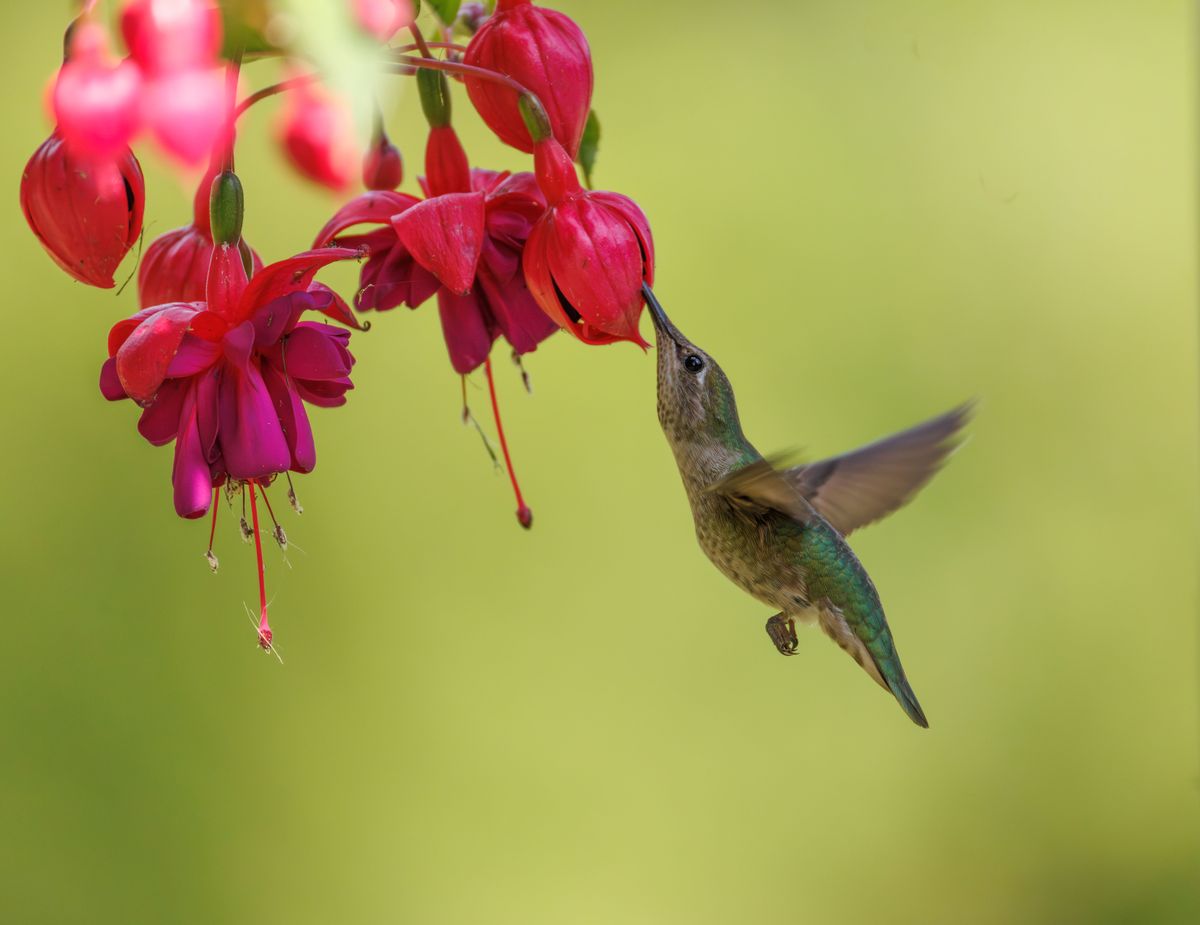
Photo by Veronika Andrews on Pexels
Use this tool concept to calculate how many hours your garden light will glow based on panel cleanliness, sun hours, and battery age.
5 Critical Mistakes That Drain Outdoor Solar Light Batteries Fast
Avoid these common pitfalls to protect your hand-crafted garden decor and keep your yard illuminated every night.
Battery Degradation Timeline: What to Expect Over 24 Months
- Months 0 – 3 — Peak capacity (100%). Solar cap provides up to 8 full hours of vibrant multi-color RGB light following 6+ hours of daily sun.
- Months 6 – 12 — Slight capacity loss (~85%). Runtime averages 6 to 7 hours. Panel requires monthly wiping to clear natural pollen accumulation.
- Months 12 – 18 — Moderate degradation (~60%). Runtime drops to 3 to 4 hours. Time to order fresh 1.2V Ni-MH 600-800mAh replacement batteries.
- Months 18 – 24+ — End of cycle life (<30%). LED light shuts off within 1 to 2 hours. Swap in new rechargeable cells to restore brand-new performance.
Expand Your Evening Oasis: Related Outdoor Decor Guides
Explore our expert guides on patio aesthetic styling, color psychology in the garden, and artisan glass care:
- Hand-Blown Glass Solar Hummingbird Feeders: Artisan Buyer's Guide — Discover how 2,300°F hand-blown glass art is made and styled.
- Solar RGB Garden Lighting FAQs: Color Science & Placement — Learn how different RGB ambient colors transform nighttime garden moods.
- Seasonal Nectar & Garden Care — Tips for keeping hummingbirds returning to your yard year after year.
Frequently Asked Questions: Solar Runtime, Batteries & Nectar Safety
How often should I replace the rechargeable Ni-MH battery in my solar hummingbird feeder?
Standard outdoor Ni-MH AA or AAA solar batteries last 12 to 18 months (approximately 300 to 500 charge-discharge cycles). When your feeder's nightly runtime drops below 3 hours despite receiving 6 to 8 hours of full direct sunlight, it is time to replace the internal battery with a fresh 600–800mAh Ni-MH cell.
Does keeping the solar feeder light on all night affect hummingbird roosting or sleeping patterns?
No. Hummingbirds enter a state of deep sleep called torpor at night, resting high up in sheltered tree branches and foliage. They do not fly or feed in the dark. The soft, ambient RGB glow from decorative solar feeders adds magical garden charm for human eyes without disturbing the birds' natural circadian rhythm.
How do I clean sticky tree sap or water spots off the solar cap without scratching the sensor?
Wash the solar cap using warm water, mild dish soap, and a soft microfiber cloth. For tough, sticky tree sap, place a single drop of vegetable oil on the sap, rub gently with your soft cloth to dissolve the resin, and then clean with warm soapy water. Never use rubbing alcohol, acetone, or abrasive scouring pads, as they will permanently cloud the protective lens coating.
Should I bring my solar glass patio decor inside during winter freezing temperatures?
Yes. Bring both hand-blown glass art reservoirs and solar caps indoors whenever local outdoor temperatures drop below freezing (32°F / 0°C). Freezing conditions can cause trapped water droplets to expand and crack handcrafted glass art, while extreme cold degrades rechargeable battery chemistry.
Got questions about caring for your solar feeder? Find clear, simple answers below.
Featured Hand-Crafted Solar Feeders for Long-Lasting Glow
Upgrade your garden sanctuary with our flagship handcrafted solar glass hummingbird feeder, engineered for durability, leak-proof feeding, and enchanting nighttime illumination.
Final Next Steps: Enjoy Your Illuminated Garden Oasis
Your decision: Choose the perfect sunny location and inspect your solar feeder cap today.
Do this next: Perform the 5-step Glow Audit, clean your solar lens with warm soapy water, and enjoy up to 8 hours of vibrant RGB lighting tonight.
- Read next: Hand-Blown Glass Solar Hummingbird Feeders: Artisan Buyer's Guide
LUJII Solar-Powered Hand-Blown Glass Hummingbird Feeder
Transform your outdoor living area into an enchanting twilight sanctuary tonight!
Cover photo by Veronika Andrews on Pexels.