How to Position Solar Hummingbird Feeders for All-Night Glow
Imagine hanging a beautiful hand-blown glass solar feeder in full afternoon sun only to find cloudy, spoiled nectar by noon, or placing it under a dense covered porch where the solar cap never charges. To capture an 8-hour nighttime RGB glow without fermenting your sugar water, position your solar feeder where its top solar cap receives 4 to 6 hours of direct morning sunlight (6 AM to 12 PM), while an overhanging branch or roofline shades the glass reservoir during intense afternoon heat.
Pre-Placement Yard & Sightline Checklist
- [ ] Position top solar cap to receive 4–6 hours of direct morning sunlight.
- [ ] Ensure lower glass reservoir is shaded during peak afternoon heat (12 PM–4 PM).
- [ ] Hang feeder at least 5 feet off the ground to protect birds from ground predators.
- [ ] Maintain 3 feet (or greater than 30 feet) distance from windows to prevent collisions.
- [ ] Keep feeder within 10–15 feet of nearby trees or shrubs for quick hummingbird shelter.
- [ ] Verify hanging pole or shepherd's hook is sturdy enough for a 32 oz filled glass feeder.
Step-by-Step Guide: Mapping and Mounting Your Solar Feeder
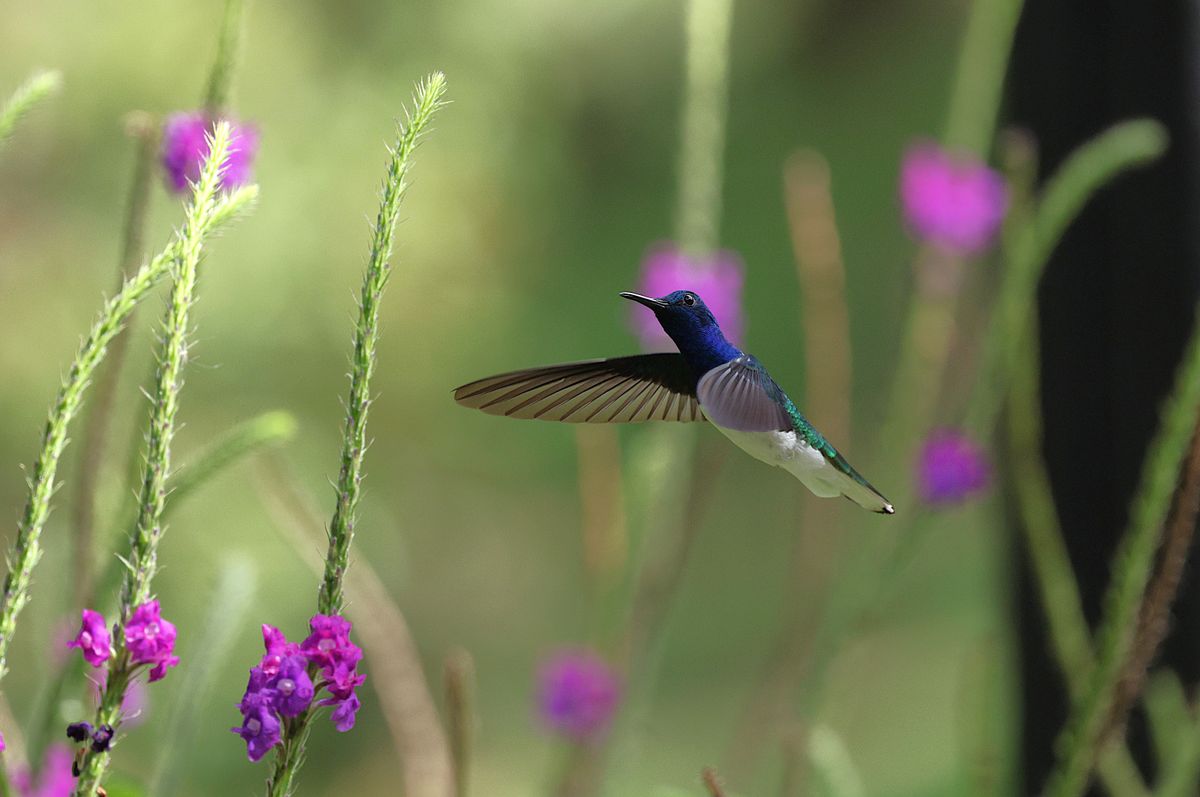
Photo by Veronika Andrews on Pexels
Achieving the perfect balance between solar illumination and nectar freshness comes down to simple geometry and timing. Follow these four steps to map out your yard.
Expert Tip: Managing Microclimates and Reflective Heat
Beware of hidden thermal traps in your garden layout! A common mistake is hanging a solar feeder 2 feet away from a south-facing brick wall or dark vinyl fence. While the solar cap will get plenty of light, those hard surfaces store heat all day and radiate temperatures over 105°F directly into the glass reservoir. Always hang your feeder in open-air currents at least 6 feet away from brick, stone, or synthetic siding to keep the nectar fresh and cool.
Quick Transition: Preparing Your Garden Sanctuary
Your decision: Select an eastern-facing site with morning sun and afternoon shade.
Do this next: Mount your solar feeder 5 feet above ground on a strong shepherd's hook with overhead leafy shade.
Related resource: Twilight Nectar Care Guide: Preserving Nectar Quality in Solar Illuminated Feeders
LUJII Hand-Blown Glass Solar Hummingbird Feeder with RGB Lighting (32 oz Capacity)
Once you have selected your eastern-facing garden zone, inspect your hanging hardware to ensure it can support a heavy artisan glass feeder during summer breezes.
Key Takeaways: Balancing Solar Charging with Nectar Safety
- Solar panels need direct sunlight to power up to 8 hours of evening RGB lighting, but nectar spoils quickly when glass exceeds 80°F.
- The Eastern Canopy Rule (morning sun + afternoon shade) delivers 100% solar battery charge while preventing sugar water fermentation.
- Always maintain safety geometry: 5 feet off the ground, 10–15 feet from tree cover, and 3 feet (or >30 feet) away from glass windows.
- Hand-blown glass construction acts as an insulator; keeping it shaded during peak heat protects both the artwork and the food.
Decision Support: Placement Zones by Yard Type
To achieve 8 hours of nighttime lighting without fermenting nectar, place your solar hummingbird feeder where the solar lid catches direct morning sun, but tree branches or roof overhangs shade the glass reservoir during peak afternoon heat.
Best choice for
- Morning Sun / Afternoon Canopy Shade — Captures 4 to 6 hours of early solar charging while shielding glass nectar reservoirs from 90°F+ afternoon temperatures.
- Dappled Upper Canopy Placement — Filters high-intensity solar radiation, protecting nectar while allowing sufficient solar energy to reach the top solar panel cap.
- Hanging in full, unfiltered south/west sun with zero shade (causes 24-hour nectar spoilage and glass thermal stress).
- Placing beneath dense evergreen foliage or solid covered porch roofs (blocks all sunlight, preventing the battery from charging).
- Shepherd's hook near an eastern porch edge — Provides morning light, protects from wind, and offers convenient eye-level nectar monitoring.
Featured Solar Hummingbird Feeder
Looking for the ideal centerpiece for your garden sanctuary? The LUJII Solar-Powered Hummingbird Feeder combines artisan hand-blown glass art with intelligent outdoor solar illumination.
Sunlight Exposure Scenarios vs. Glow Duration & Nectar Risk
| Yard Placement Scenario | Direct Sun Exposure | Nighttime RGB Glow Duration | Nectar Spoilage Risk | Recommended Nectar Change Interval |
| --- | --- | --- | --- | --- |
| East Lawn / Morning Sun + Afternoon Shade | 4–6 Hours (Morning) | 7–8 Hours (Full Night) | Low to Moderate | Every 3–4 Days (Under 80°F) |
| Unshaded South/West Wall or Lawn | 8–10 Hours (All Day) | 8 Hours (Full Night) | Extreme (Nectar Fermenting) | Daily (Above 85°F) |
| Deep Covered Porch / Dense Conifer Shade | 0–1 Hours (Deep Shade) | 1–2 Hours (Faint Glow) | Very Low | Every 5 Days |
| High Deciduous Tree Canopy (Dappled Light) | 3–5 Hours (Filtered) | 5–7 Hours (Standard) | Low | Every 3–4 Days |
Compare how different garden micro-locations affect your solar battery runtime and nectar maintenance schedule.
Diagram Brief: Dual-Zone Placement Framework
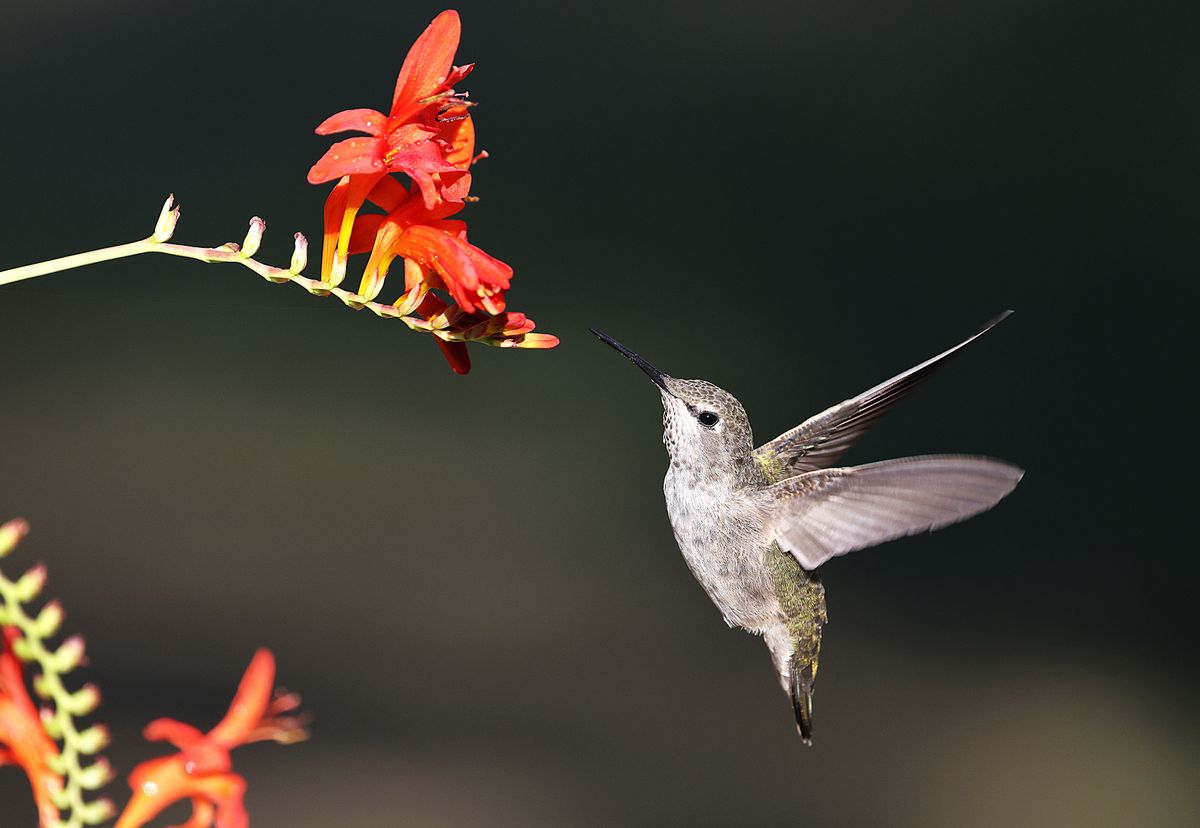
Photo by Veronika Andrews on Pexels
This visual schematic demonstrates how high-angle solar rays reach the top cap while low-level foliage shields the glass body.
5 Common Positioning Mistakes That Ruin Feeders and Nectar
Avoid these frequent placement traps to ensure your feeder stays pristine and your visitors stay healthy.
Sunlight Exposure & Daily Maintenance Timeline
- 06:00 AM – 11:00 AM — Eastern solar window hits top cap. Solar panel absorbs UV rays, charging internal battery.
- 11:00 AM – 12:00 PM — Peak morning feeding flurry. Hummingbirds visit clear glass ports for high-energy morning breakfast.
- 12:00 PM – 04:00 PM — Overhead tree canopy moves into position, shading glass reservoir during peak afternoon heat.
- 07:30 PM (Dusk) — Built-in light sensor detects low ambient twilight. Automatic RGB lighting triggers, illuminating hand-blown glass art.
- Every 3 Days (Summer) — Routine maintenance check: flush glass reservoir with warm water and refill with fresh nectar.
Frequently Asked Questions
Got questions about lighting, nectar care, or weather protection? Here are the answers backyard bird lovers need.
Transform Your Garden Space Tonight
Your decision: Ready to pair natural garden beauty with soft nighttime LED illumination?
Do this next: Explore the LUJII Solar-Powered Hand-Blown Glass Hummingbird Feeder collection to pick your favorite artisan color pattern.
Related resource: Twilight Nectar Care Guide: Preserving Nectar Quality in Solar Illuminated Feeders
LUJII Solar-Powered Hummingbird Feeder (32 oz Hand-Blown Glass Art)
Bringing wildlife into your yard is one of life's most rewarding pleasures. By positioning your solar feeder with care, you create a vibrant haven for hummingbirds by day and an enchanting light display by night.