Glass vs. Plastic Hummingbird Feeders: Which Handles Leaks and Pests Better?
Hand-blown glass feeders with sealed metal bases outperform plastic in leak prevention and pest deterrence. Glass resists UV degradation and thermal expansion warping that causes plastic threads to loosen and drip nectar. Furthermore, rigid metal and glass ports prevent yellowjackets from chewing wider openings, effectively locking out opportunist insects.
Thermal Warping & Seal Leakage: Glass vs. Plastic Mechanics
Head-to-Head Comparison: Glass vs. Plastic Feeder Performance
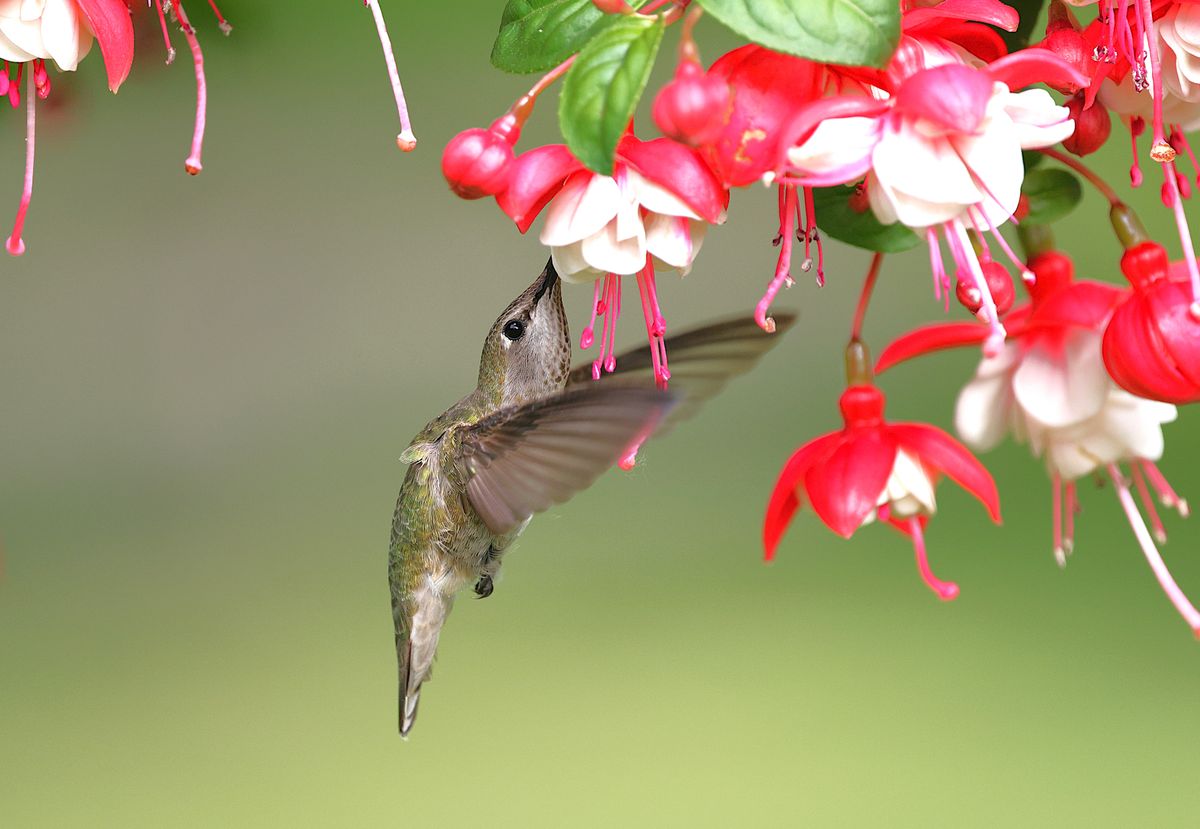
Photo by Veronika Andrews on Pexels
| Performance Criteria | Hand-Blown Glass Feeders | Standard Plastic Feeders |
| --- | --- | --- |
| Thermal Expansion Coefficient | Low (0.000009 /°C); retains thread seal integrity in 90°F+ sun. | High (0.00007 /°C); threads warp in sunlight, breaking vacuum seals and dripping nectar. |
| Yellowjacket & Wasp Defense | Immune; rigid metal feeding flower ports cannot be chewed open by insects. | Vulnerable; soft plastic port edges get gnawed down by yellowjackets to widen access. |
| UV Longevity & Clarity | Permanent clarity; hand-blown glass does not yellow, craze, or cloud under UV rays. | Degrades in 1–2 seasons; plastic turns brittle, cloudy, and develops micro-cracks. |
| Structural Weight & Wind Stability | Heavyweight (2–3 lbs filled); remains steady during gusty summer breezes. | Lightweight (<1 lb filled); sways easily in wind, sloshing nectar out of ports. |
| Cleaning & Sanitization | Smooth, non-porous glass surfaces resist mold adhesion and handle hot water washing. | Soft polymer surface scratches easily from brushes, trapping bacterial colonies. |
Material Trade-Offs: Heavyweight Glass vs. Lightweight Polymer
Pros
- Rigid hand-blown glass preserves airtight vacuum seals even in extreme summer heat
- Sturdy metal base flower ports completely block chewing wasps and yellowjackets
- Substantial weight prevents wind-induced tipping and accidental nectar spillage
- Handcrafted artistic glass doubles as vibrant garden decor day and night
- Higher initial investment compared to basic thin-walled plastic models
- Requires careful handling during refilling to protect handcrafted glass contours
Expert Secret: The Physics of Vacuum Seals and Temperature Shifts
How Solar Heat Causes Feeder Dripping
Hummingbird feeders rely on simple physics: atmospheric pressure locks nectar inside an inverted bottle as long as internal vacuum pressure remains unbroken. When direct summer sunlight hits a lightweight plastic feeder, two reactions happen at once. First, the air pocket inside the bottle expands rapidly, pushing nectar downward. Second, soft plastic neck threads expand outward under heat, breaking the silicone gasket seal.
Hand-blown glass has a near-zero thermal expansion rate under normal ambient conditions. It retains structural rigidity in 100°F sunlight, ensuring thread tolerances stay tight and keeping your nectar where it belongs—inside the feeder for your hummers!
Recommended Choice: Hand-Blown Glass with Sealed Metal Base
The Top Garden Pick: LUJII Solar Hand-Blown Glass Hummingbird Feeder
If you want to end sticky yard cleanup and protect visiting hummers from aggressive wasps, handcrafted glass is the ultimate upgrade.
- Hand-Blown Glass Reservoir: Shaped at 2,300°F for unmatched structural density, crystal clarity, and zero thermal distortion.
- Sealed Metal Base: Features precision anti-rust metal flower ports and leak-proof silicone gaskets that resist yellowjacket chewing.
- Built-In Solar RGB Lighting: Captures solar energy by day and illuminates your garden for up to 8 hours every night.
- Generous 32 fl. oz Capacity: Generous nectar volume reduces refill stress while keeping food fresh and visible.
Troubleshooting Matrix: Diagnosing Feeder Leaking and Pest Invasions
| Symptom | Root Cause | Corrective Action |
| --- | --- | --- |
| Continuous afternoon dripping from ports | Solar heat expanding internal air volume and softening plastic neck threads. | Switch to a rigid glass feeder with silicone metal seals; position feeder in partial afternoon shade. |
| Swarms of yellowjackets hovering at ports | Wasp-chewed plastic port flowers or exterior nectar drips from broken vacuum seals. | Upgrade to powder-coated metal flower ports; clean exterior base with warm water. |
| Ants invading base reservoir | Absence of a water barrier allows crawling insects to climb down hanging hooks. | Fill built-in or hanging ant moat with fresh water; re-level feeder to stop spilling. |
| Cloudy, milky film inside reservoir | UV degradation and micro-scratches on plastic holding bacterial biofilm. | Deep clean with hot vinegar water; transition to non-porous hand-blown glass. |
Frequently Asked Questions: Glass vs. Plastic Feeders
Your Action Plan for a Leak-Free, Pest-Resistant Sanctuary
Your decision: Invest in a hand-blown glass feeder featuring a gasket-sealed metal base to prevent thermal leaks and block insect damage.
Do this next: Replace aging plastic feeders before summer heatwaves arrive to keep nectar fresh and prevent wasp attractant spills.
- Read next: How to Hang Your Solar Hummingbird Feeder to Block Ants and Crawling Insects
LUJII Hand-Blown Glass Solar Hummingbird Feeder (32 fl oz, Leak-Proof Metal Base)
Key Takeaways: Material Science in the Garden
- Thermal Stability: Glass maintains its rigid shape under solar heat, protecting the airtight vacuum seal that prevents messy leaks.
- Pest Defense: Wasps and yellowjackets cannot chew through solid metal flower ports found on high-end glass feeders.
- UV Longevity: Unlike plastic, handcrafted glass never turns yellow, brittle, or cloudy after seasons of direct sun exposure.
- Wind Resistance: Heavy 32 fl oz glass reservoirs minimize swaying and accidental nectar sloshing during breezy weather.
Decision Support: Which Feeder Belongs in Your Yard?
Hand-blown glass feeders with sealed metal bases provide superior thermal stability and pest resistance compared to plastic. Choose glass for long-term outdoor durability and leak prevention during summer heat.
Best choice for
- Hand-Blown Glass with Metal Base — Glass maintains rigid thread tolerances, preserving the internal vacuum pressure needed to prevent dripping.
- Glass Reservoir with Metal Feeding Ports — Insects cannot chew through glass or metal, keeping port flowers intact and leak-free.
- Thick-Walled Glass Feeder — Heavyweight construction reduces swaying and nectar splashing in breezes.
- You frequently drop garden items onto hard concrete without hanging hooks in place.
- You need an ultralight feeder for temporary travel or backpacking birding.
- Heavy-duty UV-stabilized Polycarbonate (BPA-free) — Acceptable budget alternative if glass breakage is an extreme concern, though threads will wear faster than glass.
Real-World Backyard Scenarios: Heatwaves & Pest Seasons
Peak Midsummer Heatwaves (95°F Ambient Air) — Plastic feeders expand and leak profusely under intense afternoon sun. Glass feeders resist heat expansion, keeping nectar safely inside the bottle.
High Wasp and Yellowjacket Invasion Season — Insects quickly chew through soft plastic flower ports. Glass feeders with solid metal ports prevent insects from enlarging access holes.
Breezy Open Backyard Gardens — Lightweight plastic sways wildly, spilling liquid onto the ground. Heavy hand-blown glass stays upright and steady on standard shepherd hooks.
The Physics of Thermal Expansion: Why Plastic Feeders Leak
When hanging a feeder in your yard, sun exposure creates a challenging thermodynamic environment. Plastic polymers exhibit high thermal expansion coefficients. Under mid-day sun, plastic feeder bases expand and flex. As the plastic neck warms, its internal threads widen slightly, breaking the snug friction fit against the rubber or silicone seal. Concurrently, the air pocket inside the bottle warms and expands, increasing internal pressure. Because the plastic threads have loosened, the expanding air forces sugar water down through the feeding ports, dripping onto your flowers, lawn, or patio below.
Hand-blown glass features high density and rigid chemical bonding. Even when temperatures swing from cool dawn to 95°F afternoon heat, glass maintains its precise measurements. The seal between the bottle and the metal base remains completely airtight, maintaining internal vacuum pressure and eliminating thermal leaks.
Insect Interactions: Soft Plastic vs. Hard Metal Ports
Another major difference between feeder materials is insect interaction. Yellowjackets, wasps, and hornets are drawn to sugar water. When visiting soft molded plastic feeding ports, wasps can bite away at the thin polymer edges. Over several weeks, their chewing widens the feeding holes, allowing wasps to submerge their heads into the nectar base while excluding smaller hummingbirds.
Solid metal ports paired with glass reservoirs eliminate this issue entirely. Insect jaws cannot chew through powder-coated aluminum, copper, or stainless steel flower ports. The narrow opening remains intact season after season, protecting the nectar supply for your visiting hummers.
Sun Exposure, UV Longevity, and Hygiene
Ultraviolet (UV) radiation breaks down chemical bonds in standard outdoor plastics, causing them to yellow, become brittle, and develop microscopic surface cracks. These micro-scratches host mold, yeast, and bacterial colonies that resist standard washing.
Hand-blown glass is naturally non-porous and impervious to UV degradation. It can withstand hot water washes and vinegar rinses without scratching or clouding. This ensures your nectar remains fresh, clean, and safe for delicate bird digestive systems.
Backyard Aesthetics and Twilight Illumination
Beyond performance, material choice impacts your garden's aesthetic charm. Plastic feeders often dull and scuff over time. In contrast, hand-blown glass feeders act as handcrafted outdoor artwork. Each glass bottle features unique swirls of vibrant color shaped at 2,300 degrees. When paired with solar-powered RGB lights, glass reservoirs capture sunlight during the day and cast colorful ambient patterns across your garden at dusk.
Related Nectar Care & Defense Guides
- Glass vs Plastic Hummingbird Feeders: Which Is Best?
- Glass vs. Plastic Hummingbird Feeders: Comparison & Material Guide
- Solar Glass vs. Plastic Hummingbird Feeders: Which Belongs in Your Garden?
Featured Garden Solution: LUJII Solar Hand-Blown Glass Feeder
Ready to stop afternoon drips and transform your outdoor space into a bird lover's paradise? Discover the LUJII Solar-Powered Hand-Blown Glass Hummingbird Feeder.
Crafted with artisan glass, anti-rust metal components, and built-in solar illumination, it combines leak-proof utility with stunning garden artistry.
Cover photo by Veronika Andrews on Pexels.