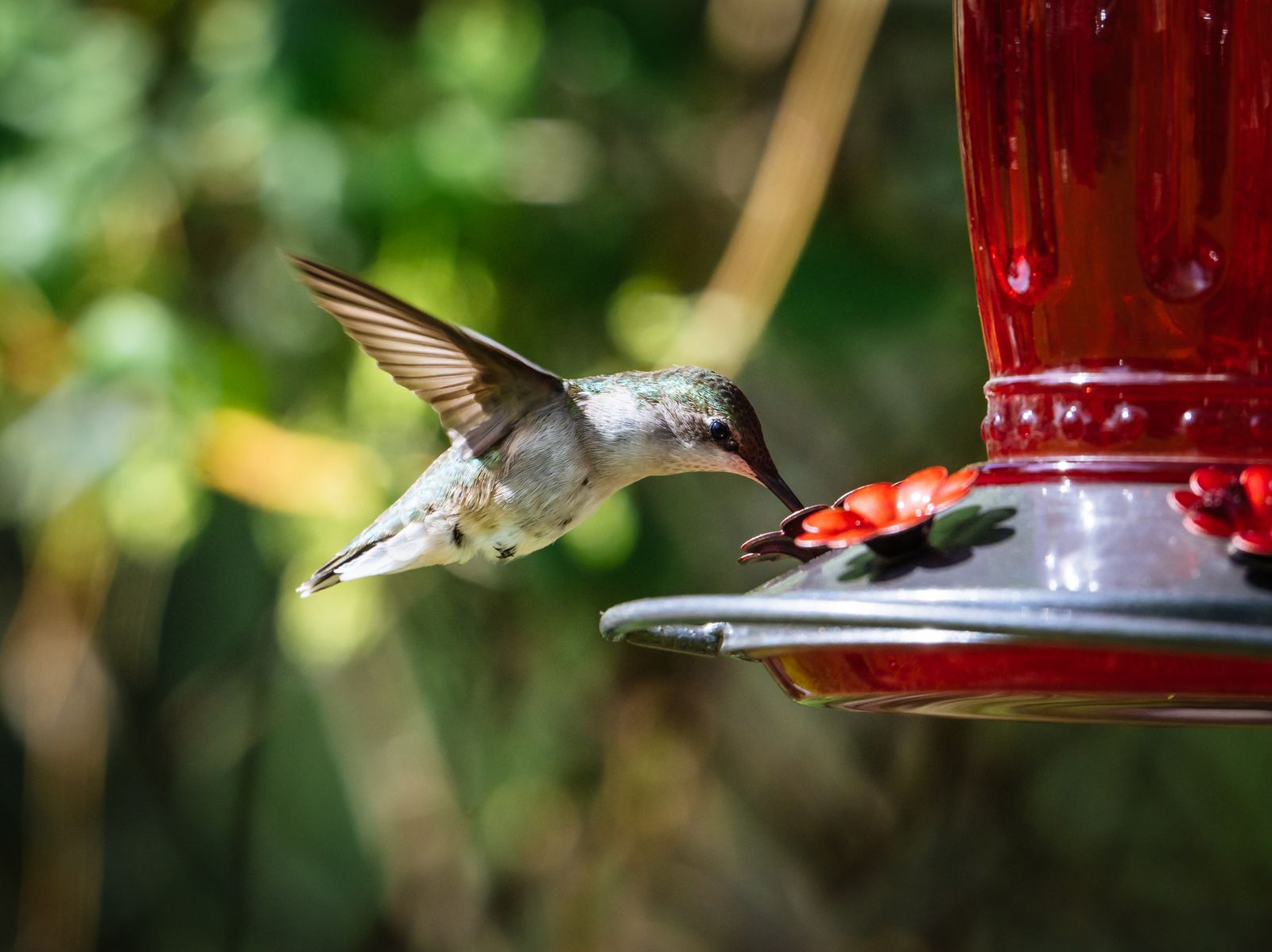
Glass vs. Plastic Hummingbird Feeders in Direct Sunlight: Spoilage & Durability
Hand-blown glass is the best choice for direct sunlight because it resists UV degradation, eliminates microplastic chemical leaching, and prevents microscopic surface scratches where dangerous mold breeds. When equipped with an overhead solar cap shroud, glass protects nectar from direct solar radiation far better than thin plastic.
Glass vs. Plastic Direct Sun Performance Matrix
| Performance Criteria | Hand-Blown Glass (with Solar Cap) | Standard Acrylic / Plastic Feeder |
| --- | --- | --- |
| UV Degradation Resistance | 100% immune to solar bleaching, chalking, and polymer breakdown. | High vulnerability; turns yellow, brittle, and micro-cracked within 1-2 seasons. |
| Nectar Spoilage & Heat Protection | Solar cap blocks overhead rays; dense thermal mass resists instant spikes. | Thin plastic walls transfer solar energy quickly, causing rapid nectar fermentation. |
| Microplastic & Leaching Risk | Zero chemical leaching risk; non-reactive inert material at all outdoor heat levels. | High risk; intense solar UV breaks synthetic polymer bonds above 90°F. |
| Scratch & Mold Susceptibility | Smooth non-porous surface resists scratches during cleaning, stopping mold growth. | Prone to fine micro-scratches from brushes, creating ideal harborages for black mold. |
| Wind Weight & Structural Stability | Substantial weight (approx. 2.5 lbs filled) minimizes wind sway and nectar spills. | Lightweight material sways violently in summer storms, losing nectar easily. |
| Long-Term Aesthetic Value | Vibrant, hand-blown artistic color patterns remain radiant indefinitely. | Cloudy, fogged, and discolored appearance after prolonged sun exposure. |
Evaluating how hummingbird feeder materials withstand relentless UV exposure, heat buildup, and routine summer cleaning.
Material Trade-offs: Glass vs. Plastic Under Extreme UV & Heat
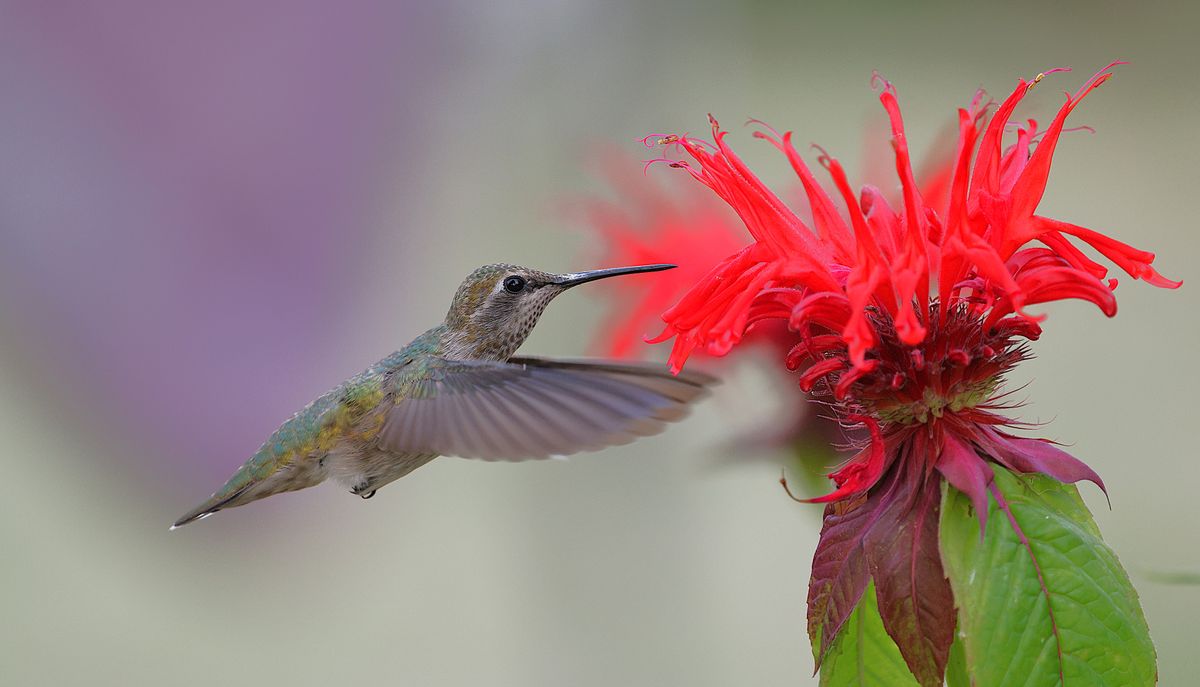
Photo by Veronika Andrews on Pexels
Choosing the right feeder for a sun-drenched garden requires weighing physical durability against daily maintenance demands.
Expert Field Tip: Harnessing Solar Shroud Thermal Shading
When hanging a feeder in full sun, overhead solar coverage is your single strongest defense against premature sugar fermentation. A top-mounted solar light cap serves a dual purpose: by day, its wide plastic shroud deflects direct mid-day sun rays (11 AM – 3 PM) away from the glass reservoir, maintaining cooler internal temperatures. By night, the solar battery powers ambient RGB lights, creating a magical garden glow while keeping your backyard oasis vibrant long after sunset.
Summer Full-Sun Nectar Inspection Checklist
- [ ] Check nectar transparency daily; discard immediately if cloudy, stringy, or showing dark specks.
- [ ] Inspect any plastic base components for surface chalking, yellowing, or heat-induced hairline cracks.
- [ ] Verify that the solar cap shroud directly shields the top of the glass nectar reservoir during 12 PM - 3 PM sun.
- [ ] Refill exclusively with a fresh 4:1 water-to-refined-white-sugar nectar solution; never boil nectar inside the feeder.
- [ ] Ensure the metal base seal is tightly tightened to handle internal thermal pressure changes without dripping.
Mid-Page FAQ: Sunlight, Glass Strength & Nectar Freshness
Answers to critical technical questions about managing glass and plastic feeders in sunny backyards.
Key Takeaways for Hot-Sun Feeding
Essential facts every gardener should keep in mind when hanging feeders under full sun exposure.
Decision Guide: Selecting the Right Feeder for Your Yard
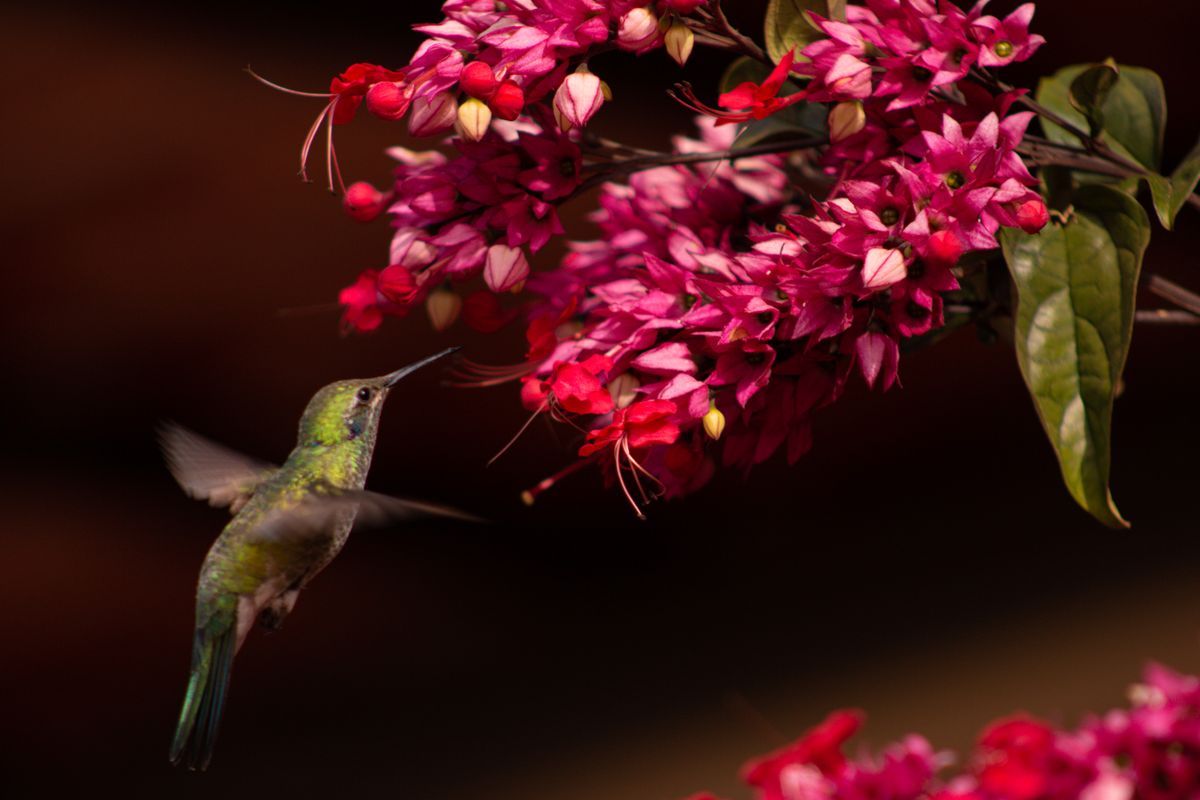
Photo by Lucas Pezeta on Pexels
Hand-blown glass with a top solar cap shroud is the premier choice for sunny locations. It resists UV degradation, prevents microplastic leaching, and shields nectar from direct overhead heat. While glass requires careful handling during cleaning, its stability and hygiene make it vastly safer for hummingbirds.
Best choice for
- Hand-Blown Glass with Solar Cap Shroud — Eliminates plastic clouding, UV cracking, and chemical leaching while providing shading against high-noon sun.
- Heavy Hand-Blown Glass with Reinforced Metal Base — Superior physical mass (2.5+ lbs filled) prevents violent swaying, port leaking, and nectar loss during summer gusts.
- Placing glass over hard stone patio floors without a soft landing pad if you are prone to dropping items during cleaning.
- Leaving thin polycarbonate plastic feeders exposed to year-round high-UV climates (USDA Zones 8-11).
- Shaded UV-Protected Acrylic — Acceptable for budget setups hung exclusively under dense tree canopies or covered porches where direct sun never penetrates.
Real-World Sun Exposure Scenarios
Peak Mid-Summer Heatwave (95°F+ in Direct Afternoon Sun) — Use high-capacity hand-blown glass with an overhead solar shroud cap. Change nectar every 24 hours. Glass prevents UV degradation, while the shroud keeps core nectar temperatures significantly cooler than thin plastic.
Moderate Sunny Climate (80°F - 88°F with Partial Shade) — Hand-blown glass shines in partial sun. Change nectar every 3 days. The translucent colored glass allows easy visual inspection of nectar levels without disturbing feeding birds.
Breezy Coastal Deck Exposed to Bright Sunlight — Opt for a weighted glass feeder with an anti-rust metal base. The extra weight prevents tipping in ocean breezes, and the non-porous glass resists salt-air pitting and fogging.
Here is how different feeder materials respond under typical North American summer conditions.
When sunlight strikes an outdoor hummingbird feeder, complex physical and chemical reactions occur. Understanding these dynamics helps you safeguard the health of visiting hummingbirds while maintaining an exquisite garden aesthetic.
The Science of UV Degradation: Glass vs. Polymers
Solar radiation contains high-energy ultraviolet (UV) photons capable of breaking covalent bonds in synthetic polymers. When clear plastic feeders (typically made from polycarbonate, polystyrene, or low-cost acrylic) sit under direct sunlight, photo-oxidation occurs. This process leads to:
Conversely, hand-blown art glass is chemically inert and non-porous. Formed at temperatures reaching 2,300°F, the molecular structure of molten glass creates a crystalline barrier that UV radiation cannot alter or break down. Glass will never leach synthetic chemicals, yellow, or develop micro-scratches during cleaning.
Thermal Inertia & Solar Shroud Architecture
A common myth suggests that plastic keeps nectar cooler than glass in direct sunlight. Laboratory heat gain evaluations reveal a different reality: thin plastic walls offer virtually zero thermal resistance, allowing solar heat to instantly pass into the sugar water, rapidly raising ambient nectar temperatures past 100°F.
While thick hand-blown glass possesses greater thermal mass, pairing glass with a protective top solar cap changes the equation entirely. The broad plastic solar cap acts as a physical canopy shade umbrella, deflecting vertical sun rays during the hottest hours of the day. As a result, core nectar core temperatures remain stable, significantly delaying sugar fermentation.
Artistic Craftsmanship Meets Functional Garden Lighting
Beyond functional biological safety, hand-blown glass feeders bring living art to your landscape. Each handcrafted glass reservoir features unique color swirls embedded directly within the molten glass—not painted on the surface where sunlight could cause peeling.
At nightfall, integrated solar cap technology transforms the feeder into an enchanting twilight feature. Photovoltaic cells charge during peak sunlight hours to power multi-mode RGB LED lights, illuminating the translucent hand-blown patterns from within for up to 8 hours each evening.
Related Guides & Summer Nectar Safety
- Glass vs Plastic Hummingbird Feeders: Which Is Best?
- Glass vs. Plastic Hummingbird Feeders: Comparison & Material Guide
- Solar Glass vs. Plastic Hummingbird Feeders: Which Belongs in Your Garden?
Recommended Full-Sun Solution: LUJII Hand-Blown Solar Glass Feeder
If you are searching for the ideal combination of UV durability, nectar shade protection, and nighttime beauty, look no further than the flagship LUJII Solar-Powered Hand-Blown Glass Hummingbird Feeder.
- 32 fl. oz. Capacity: Slender, high-volume capacity minimizes constant refill cycles during busy migration seasons.
- Hand-Blown Artisan Glass: Crafted at 2,300°F, every translucent glass bottle features non-fading, vibrant color patterns that make nectar level checks effortless.
- Solar Shroud Cap & RGB Lighting: High-efficiency top solar panel shades nectar from mid-day sun while providing up to 8 hours of colorful LED illumination at night.
- Leak-Proof Metal Base: Features an anti-rust coated, tightly sealed base with comfortable perches, preventing drips and keeping yellowjackets away.
Immediate Action Plan for Sunny Gardens
Your decision: Choose hand-blown glass equipped with a protective solar shroud cap for sunny garden spots to prevent plastic degradation, eliminate leaching, and shield nectar from intense overhead heat.
Do this next: Audit your garden's daily sunlight exposure, replace any yellowing or scratched plastic feeders with heavy hand-blown glass, and adjust your nectar replacement schedule based on peak daily temperatures.
- Read next: Hot Weather Nectar Ratios: How to Keep Hummingbird Food Fresh in Summer
- Read next: Store-Bought vs. Homemade Nectar: Which Is Best for Your Solar Glass Feeder?
🌟 LUJII Solar-Powered Hand-Blown Glass Hummingbird Feeder (32 oz Leak-Proof Design with RGB Lights) 🌟
Ready to upgrade your backyard setup for peak summer hummingbird season?