Full Sun vs. Shade: How to Place Solar Glass Hummingbird Feeders for Solar Glow & Fresh Nectar
To achieve up to 8 hours of nighttime RGB lighting without spoiling your nectar, hang your solar glass hummingbird feeder where it gets 4 to 6 hours of direct morning sunlight followed by afternoon shade. Morning rays fully recharge the solar panel before intense afternoon heat causes sugar water to ferment in the hand-blown glass reservoir.
Full Sun vs. Partial Shade vs. Dappled Light Tradeoff Matrix
| Placement Criteria | Full Sun (8+ Hours) | Morning Sun / Afternoon Shade (4-6 Hours) | Deep Shade (<2 Hours) |
| --- | --- | --- | --- |
| | | | |
| | | | |
| | | | |
| | | | |
| | | | |
Evaluating how sunlight intensity affects solar charge levels, internal liquid temperature, and nectar preservation across three common backyard zones.
Evaluating Exposure Options: High Sun vs. Shaded Microclimates
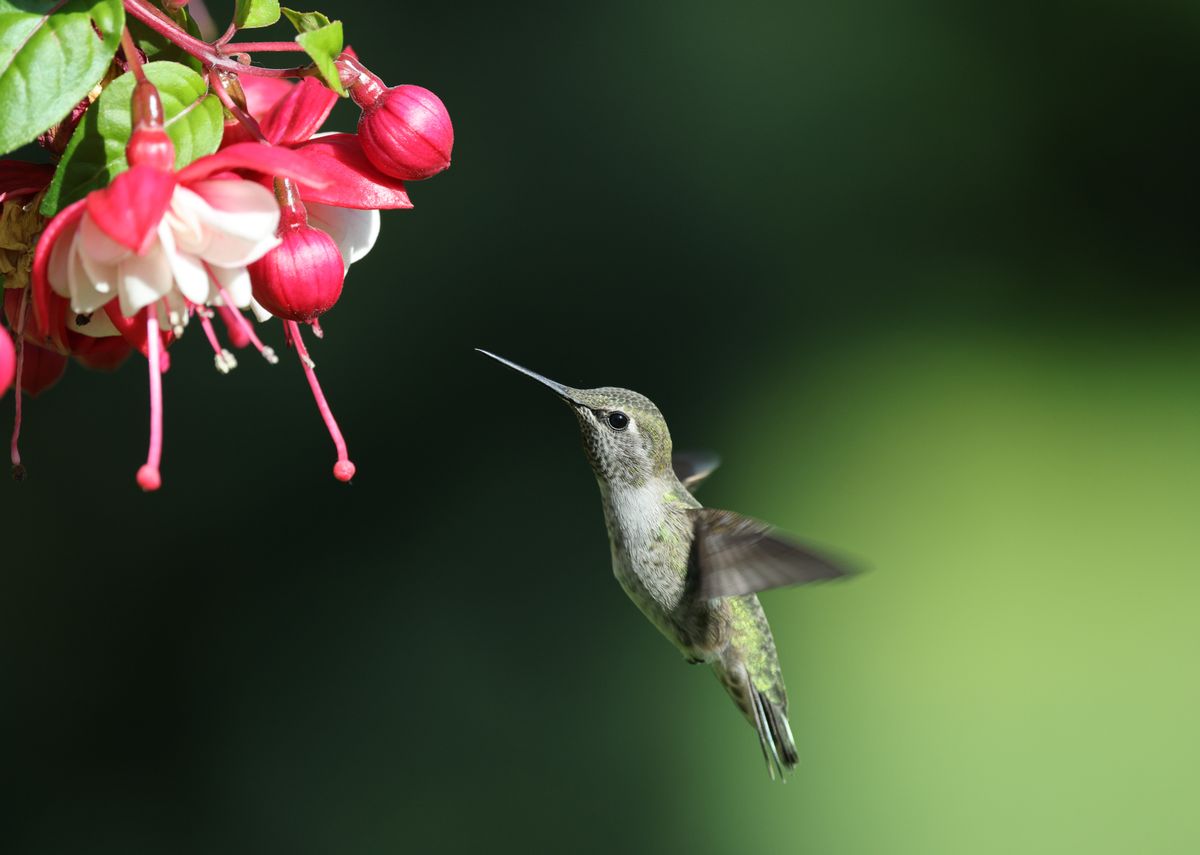
Photo by Veronika Andrews on Pexels
Pros
- Morning Sun / Afternoon Shade delivers 6-8 hours of nighttime RGB lighting while keeping nectar safe.
- Hand-blown glass pigments radiate brightly in morning sun without transferring excessive thermal energy into the fluid.
- Afternoon shade creates a cool feeding refuge for hummingbirds during hot summer afternoons.
- Protects internal silicone seals and rubber gaskets from premature UV degradation.
- 100% Full Sun ferments sugar water in less than 48 hours in summer temperatures above 85°F.
- Deep shade starves top-mounted solar cells, preventing the internal battery from charging.
- Mounting under dense tree canopies exposes the glass reservoir to sticky tree sap and falling debris.
The Golden Rule: East-Facing Exposure with Afternoon Protection
For the best balance of nocturnal illumination and nectar safety, place the LUJII Solar-Powered Hand-Blown Glass Hummingbird Feeder on an east-facing shepherd's hook or under an eastern roof overhang. This position catches low-angle morning sunlight to energize the solar battery while shielding the 32 fl. oz. glass reservoir from intense afternoon heat rays.
Expert Tip: Angling Solar Caps Under Tree Canopy Edges
To maximize charging in yards with dense foliage, hang your feeder along the drip line edge of a deciduous tree rather than deep under the branch canopy. Positioning the top solar cap just outside the leaves lets it catch direct sunlight as the sun tracks across the sky, while the lower glass reservoir hangs in the cool shadow of the lower branches.
5 Placement Mistakes That Ferment Nectar & Drain Batteries
Avoid these common setup errors to keep your solar feeder performing smoothly and safely all season long.
Feeder Placement Selector Decision Tree
- Does your preferred hanging location receive direct sun between 6:00 AM and 11:00 AM? → Yes: Proceed to Question 2.. No: Look for an east-facing garden zone or use a high shepherd's hook clearing the shadow line.
- Is the hanging spot shaded from harsh afternoon sun between 1:00 PM and 5:00 PM? → Yes: Ideal Location! Install your LUJII Solar Glass Feeder here for optimal charge and fresh nectar.. No: Proceed to Question 3.
- Can you add a UV-blocking clear weather baffle or hang the feeder along a tree drip line? → Yes: Great adjustment! The shade shield will protect the glass reservoir while the solar cap charges.. No: Reduce nectar volume by half and clean the glass reservoir every 48 hours to prevent spoilage.
Actionable Setup Steps for Your Garden
Your decision: Identify your garden's east-facing microclimates before installing mounting hooks.
Do this next: Mount a sturdy metal shepherd's hook 5 feet off the ground, positioned 10 feet away from cat perches.
- Read next: Hot Weather Nectar Ratios: How to Keep Hummingbird Food Fresh in Summer
- Read next: How to Hang Your Solar Hummingbird Feeder to Block Ants and Crawling Insects
Elevate your outdoor space with the LUJII 32 oz Hand-Blown Glass Solar Hummingbird Feeder.
Follow this step-by-step checklist to prepare your solar feeder for immediate installation.
Frequently Asked Questions About Solar Feeder Placement
Answers to common questions about solar charging, glass durability, and shade management.
Key Placement Takeaways at a Glance
Keep these essential placement principles in mind when selecting a spot for your lighted glass feeder.
Thermal & Lighting Performance Spec Matrix
| Solar Exposure Level | Daily Direct Sun Hours | Peak Liquid Temp (°F @ 90°F Ambient) | Night LED Runtime | Recommended Refill Interval |
| --- | --- | --- | --- | --- |
| | | | | |
| | | | | |
| | | | | |
| | | | | |
Technical evaluation of liquid warming rates and battery charge capacity based on sunlight hours.
Sun Exposure & Nectar Maintenance Schedule
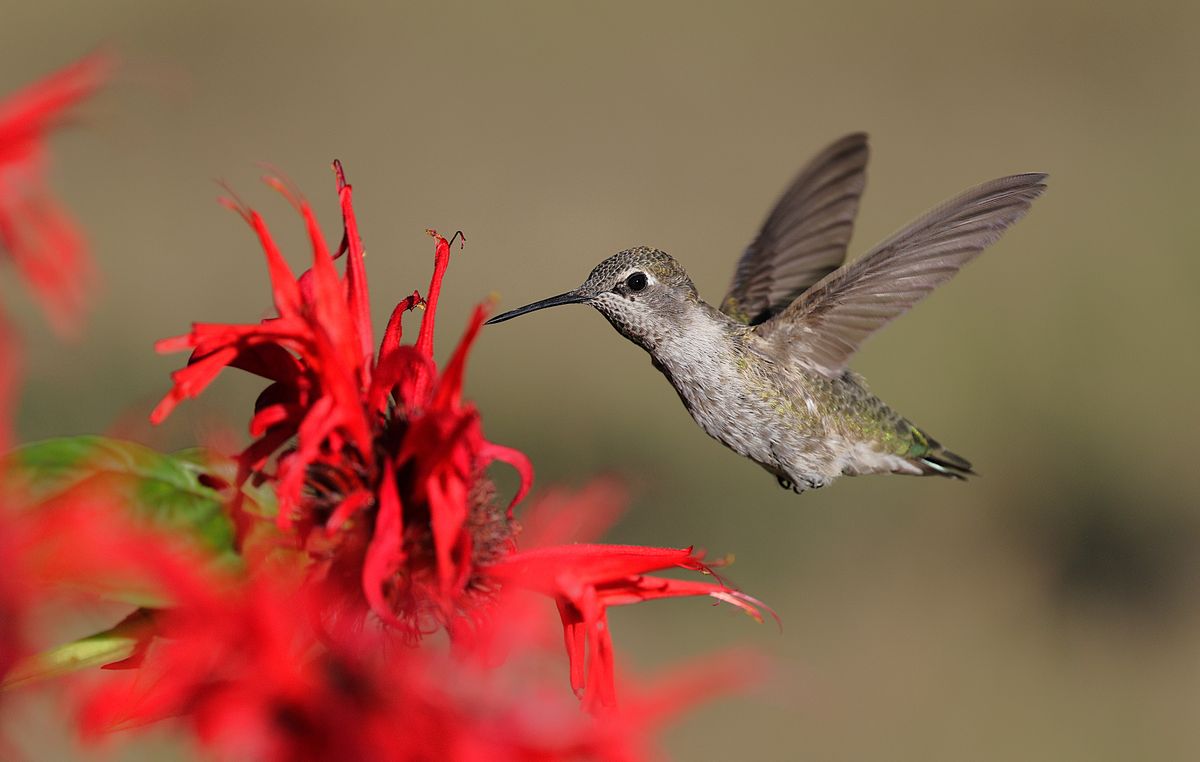
Photo by Veronika Andrews on Pexels
- Daily (Morning) — Visual inspection of nectar clarity. Look for cloudiness or stringy mold in the hand-blown glass reservoir.
- Every 3 to 4 Days (Warm Weather) — Empty remaining nectar, flush reservoir with hot water, and clean metal feeding ports with a soft brush.
- Bi-Weekly — Wipe the top plastic solar cap with a damp microfiber cloth to remove dust, pollen, and tree sap.
- Monthly — Inspect the anti-rust metal base and leak-proof silicone seal for snug fit and clean port openings.
Which Backyard Placement Strategy Fits Your Space?
The ideal placement for a solar glass hummingbird feeder balances morning sun for battery charging with afternoon shade for nectar freshness.
Best choice for
- East-Facing Shepherd's Hook — Captures gentle morning rays to achieve an 8-hour solar charge while natural house shadows block intense afternoon heat.
- Outer Deck Railing Mount (East Corner) — Positions the solar cap beyond the roofline for charging, while keeping the glass vessel under the eaves.
- Shepherd's Hook with Clear UV Weather Baffle — Allows solar rays to reach the top collector while shielding the glass reservoir from direct heat overhead.
- Placing in 100% direct unshaded afternoon sun in desert or southern regions exceeding 95°F ambient heat.
- Hanging inside dark, fully covered north-facing porches where no direct sunlight reaches the solar cap.
- Tree Drip Line Hanging — Hangs the feeder along the outer branch periphery where morning light hits the top cap and moving afternoon leaf shadows protect the liquid.
Real-World Microclimate Placement Scenarios
Scenario A: The Sunny Urban Balcony (West-Facing) — West-facing balconies endure heavy late-day sun. Install a clear protective sun shade above the feeder and fill the reservoir halfway, replacing nectar every 48 hours to prevent heat spoilage.
Scenario B: The Mature Oak Canopy (Heavy Shade) — Extend the hanging arm 3 to 4 feet outward from the south-facing branch tips. This gives the top solar cap access to open sky light while keeping the glass reservoir sheltered.
Scenario C: The Open Flower Bed (All-Day Sun) — Use a tall metal shepherd's hook near tall garden perennials like delphiniums or hollyhocks, providing light partial shade across the lower glass vessel during peak midday hours.
Practical solutions for common garden layouts and sunlight conditions.
Visualizing Microclimate Placement
An ideal garden microclimate layout places your solar feeder where morning sunlight charges the battery and afternoon shade keeps nectar cool.
Understanding how light and heat interact with hand-blown glass is essential for maintaining hummingbird health and extending the life of your feeder.
The Physics of Hand-Blown Art Glass
Each hand-crafted glass feeder is shaped by glass artisans at temperatures reaching 2,300°F. This process embeds rich mineral pigments directly within the molten silica structure. Unlike painted plastic feeders, which can peel or leach chemicals under ultraviolet exposure, high-fired art glass remains inert and colorfast for life.However, glass is a dense material that acts as a thermal mass. When exposed to direct, unshaded afternoon sun, translucent glass absorbs light energy and retains heat, rapidly raising the temperature of the internal sugar water. Liquid temperatures above 100°F accelerate sugar breakdown and promote rapid bacterial and yeast growth.
How Top-Mounted Solar Collectors Work
The plastic solar cap atop the feeder houses a compact photovoltaic cell paired with an internal rechargeable battery. When exposed to sunlight, photon energy charges the battery, powering the internal RGB LED array after dusk.Because the solar panel requires light energy to recharge, placing the feeder in deep shade starves the system. The ideal balance is achieved through microclimate positioning: placing the feeder where high-efficiency solar cells collect 4 to 6 hours of morning light, while afternoon shade protects the thermal mass of the glass reservoir from heat spikes.
Essential Guides for Garden & Bird Care
Explore additional resources to create a bird-friendly outdoor haven:
- Pest Control Strategies: How to install ant moats and keep crawling insects away from sweet nectar reservoirs.
- Seasonal Feeding Schedules: Adjusting sugar-to-water ratios during peak migration seasons and hot summer months.
- Cleaning & Sterilization Guide: Safe cleaning methods for hand-blown glass feeders to prevent mold and protect visiting hummingbirds.
Featured Hand-Blown Glass Solar Hummingbird Feeders
Bring vibrant artistic style to your daytime garden and magical illumination to your evenings with this handcrafted solar feeder.
Final Action Plan: Setup Your Solar Feeder Today
Your decision: Choose an east-facing spot in your garden that receives 4-6 hours of morning sunlight.
Do this next: Order your LUJII Hand-Blown Glass Solar Hummingbird Feeder and mount it on a sturdy shepherd's hook 5 feet high.
- Read next: Pest-Free Strategic Feeder Placement Guide
Upgrade your garden aesthetic with the LUJII 32 oz Hand-Blown Glass Solar Hummingbird Feeder featuring automatic nighttime RGB lights.
Take these final steps to position your feeder for optimal charging and safe feeding.
Cover photo by Robert So on Pexels.