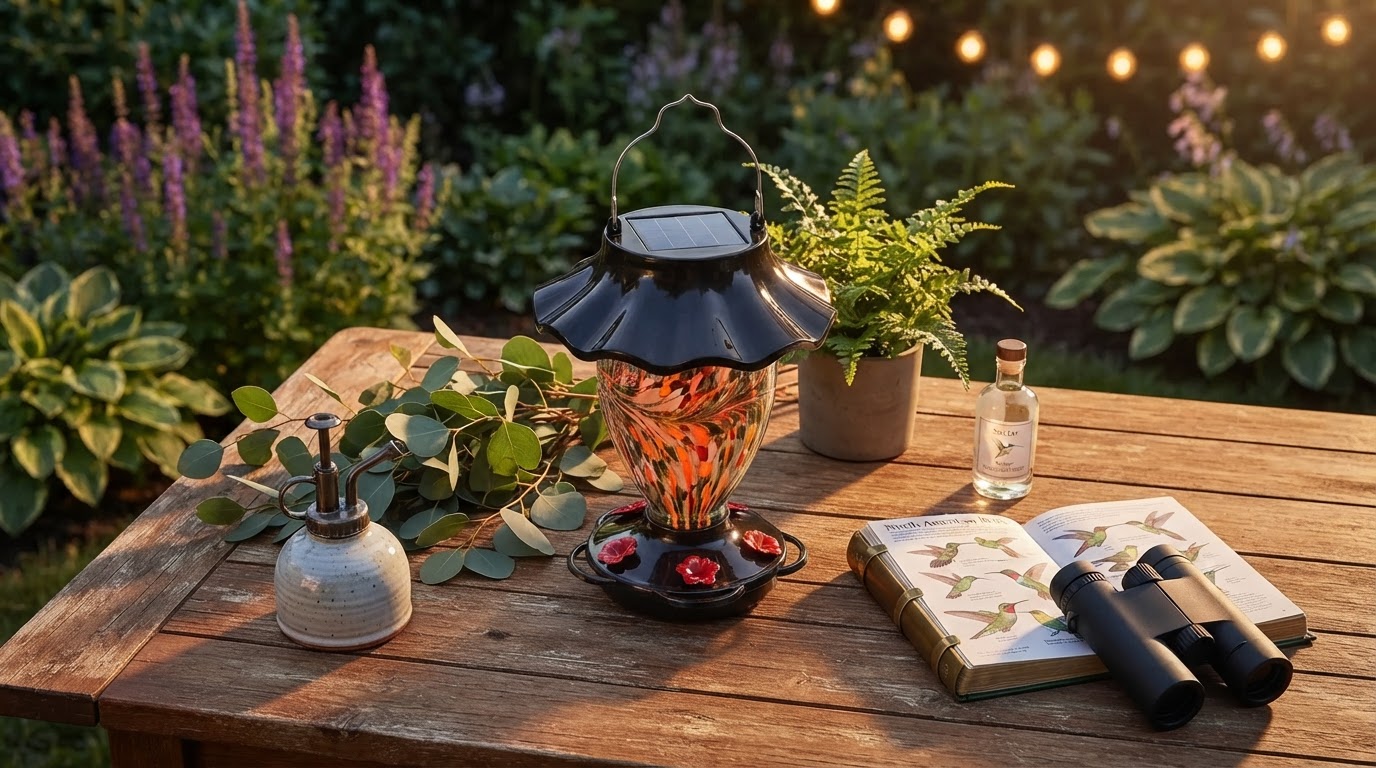
Can a Solar Hummingbird Feeder stay in the sun?
 Maya ChenContributing Editor
August 3, 2026 — While a Solar Hummingbird Feeder requires direct sunlight to charge its internal battery, the liquid nectar reservoir must remain shaded to prevent rapid bacterial fermentation.
The conventional wisdom says that all bird feeders belong in bright, open spaces for visibility, but for those using nectar-based systems, this advice is physically detrimental to the birds. Owners of a glass solar hummingbird feeder face a unique engineering paradox: the photovoltaic cells require UV exposure to power evening LED displays, yet that same thermal energy accelerates the chemical breakdown of sucrose solutions. This conflict often results in a "death trap" scenario where the nectar spoils within 24 hours, long before a typical cleaning cycle occurs.
How does direct sun impact nectar safety?
Direct sunlight creates a greenhouse effect within the reservoir that facilitates the immediate growth of mold and lethal bacteria. Here's the part nobody talks about: even a few hours of exposure can spike the internal temperature of the nectar well above the ambient air temperature, turning a safe food source into a toxic slurry. BirdWatching Daily notes that placing a feeder in full sun creates a significant health hazard because heat encourages the rapid growth of microbes. Run the math: if ambient temperatures hit 90°F, a glass or plastic reservoir in direct sun can easily exceed 105°F, a range where yeast fermentation becomes aggressive. I'll change my mind when manufacturers integrate vacuum-insulated nectar chambers that isolate the liquid from the solar-heated exterior housing.Where should a Solar Hummingbird Feeder be placed?
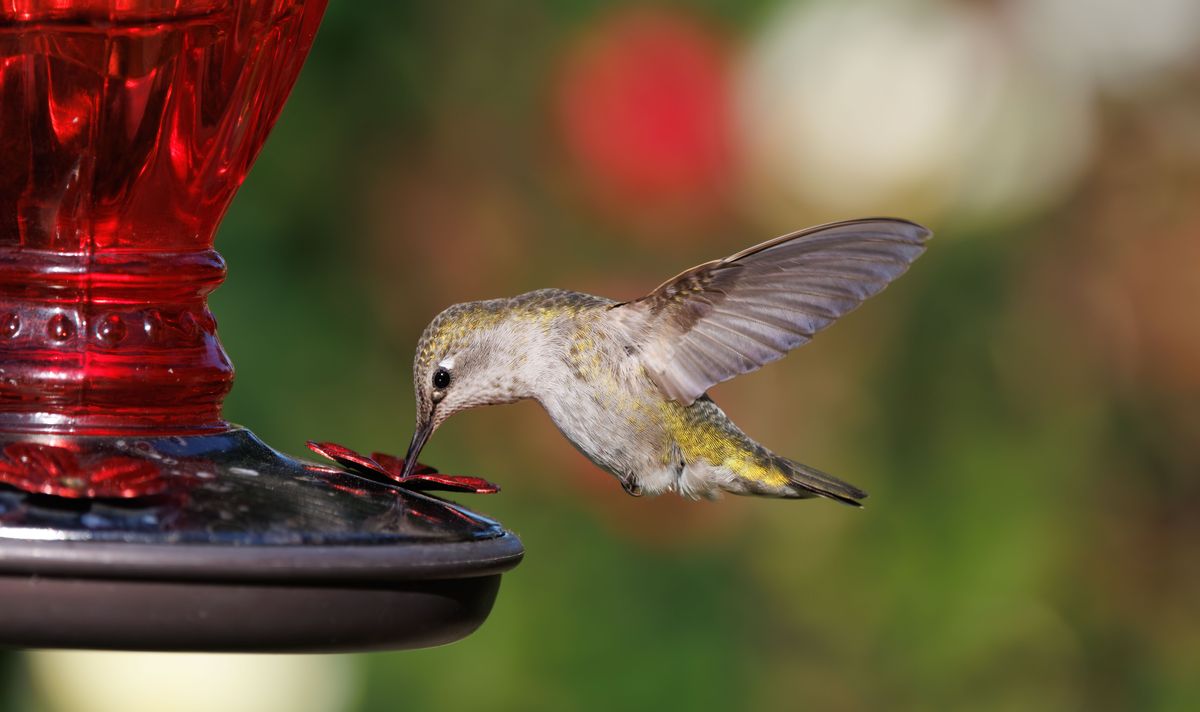
Photo by Veronika Andrews on Pexels
The ideal placement for a Solar Hummingbird Feeder is a location that receives dappled sunlight or morning sun only, ensuring the solar panel charges without overheating the nectar for the duration of the afternoon. While the Facebook community Backyard Bird Lovers often discusses the necessity of light for these devices, Bird Collective clarifies that it is best to avoid areas where the sun is most intense to prevent spoilage. To mitigate this, some enthusiasts utilize a DIY hummingbird feeder shade cover to block direct overhead rays while allowing the solar sensors to remain active. The priority must remain the biological safety of the hummingbirds over the aesthetic duration of the nighttime light. If the choice is between a fully charged battery and fresh nectar, the health of the bird dictates a shaded environment every time.
Quick answers
Q: How many hours of sun does a solar hummingbird feeder need? A: Most units require 6 to 8 hours of direct light to power the LED for a full evening cycle, though this must be balanced against nectar temperature.Q: At what temperature does hummingbird nectar spoil in the sun? A: Fermentation typically accelerates significantly once the solution exceeds 80°F, a threshold easily reached in direct sun even on mild days.
Q: Can I use a shade baffle on a solar powered bird feeder with lights? A: Yes, a clear or translucent baffle can protect the nectar from heat while still allowing enough UV penetration for the solar cells to function.
Learn more about Solar Hummingbird Feeder at https://solarhummingbirdfeeder.com.
Sources
- Can I put a hummingbird feeder in the sun?
- DIY Hummingbird Feeder Shade Cover HOT SUN or Rain ...
- Hummingbird Feeders: Where to Place Them and Why it Matters