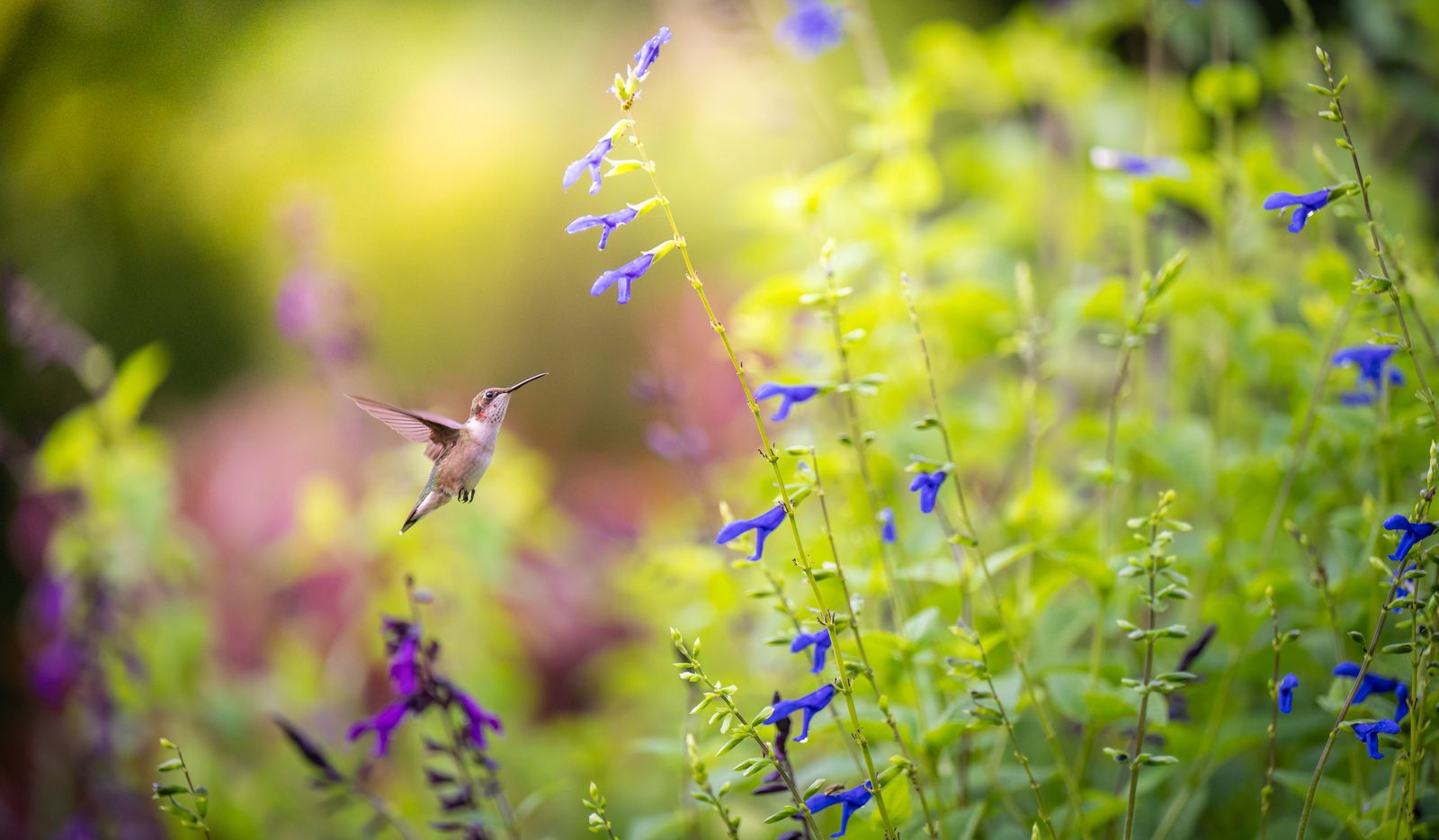
Illuminating Evening Landscapes: Seasonal Tips for Fall Patio Lighting and Glass Art
Follow the 40°F Rule: when autumn overnight temperatures drop below 40°F, empty liquid nectar from hand-blown glass solar decor to prevent freeze expansion cracking. To compensate for 3 to 4 fewer hours of daily autumn sunlight, tilt solar caps 15° south and layer your patio lighting at 12-inch, 36-inch, and 60-inch elevations for up to 8 hours of evening ambient glow.
Essential Autumn Solar & Glass Styling Rules at a Glance
- The 40°F Freeze Threshold: Drain liquid contents when night forecasts touch 40°F; bring 2,300°F hand-blown glass indoors before hard freezes hit 32°F.
- 15-Degree Solar Re-alignment: Tilting solar collector caps 15° south in fall recovers up to 2 hours of daily direct solar charge lost to the lower sun trajectory.
- 3-Tiered Illumination Heights: Stagger ambient solar accents across 12-inch (ground planters), 36-inch (tabletops and railings), and 60-inch (shepherd's hooks) elevation zones.
- 8-Hour Nighttime Lighting: A full solar charge delivers up to 8 hours of multi-mode RGB twilight illumination through translucent glass.
- 32 fl. oz Capacity & Anti-Rust Protection: Large 32 oz handcrafted reservoirs reduce refills while coated metal bases resist autumn moisture and rain rust.
Autumn Twilight Transition Timeline (September through November)
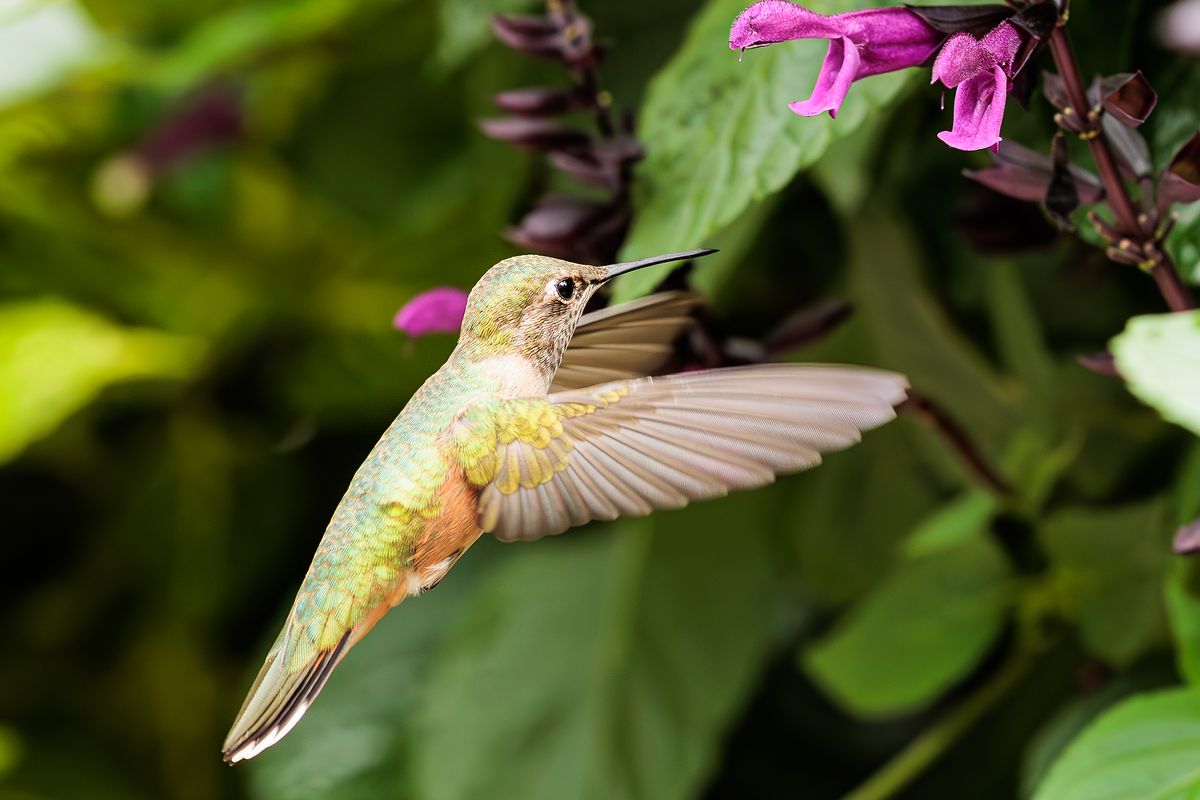
- Early Autumn (September) — Re-angle solar panel caps 10° to 15° south to align with the lower sun trajectory. Prune overhanging tree branches blocking 6 to 8 hours of direct daylight. Keep 32 oz reservoirs filled with fresh 1:4 sugar-to-water nectar for late-migrating hummingbirds.
- Mid Autumn (October) — Switch RGB light modes to warm amber, gold, or static crimson hues to harmonize with falling red maple and oak foliage. Clean solar cap surfaces every 7 days with a damp microfiber cloth to strip away tree sap, dust, and damp leaf debris.
- Late Autumn (November) — Monitor regional overnight lows daily. Empty liquid nectar when temperatures consistently dip below 40°F. Transition hand-blown glass vessels indoors during hard freeze warnings (32°F or lower) while storing rechargeable solar caps in a dry location.
Fall Solar Glass Care & Illumination Maintenance Routine
- Every 7 Days — Wipe plastic solar cap panels clean of fallen leaves, tree sap, and pollen residue. Organic film on solar cells can diminish battery recharge rates by up to 30% during shorter autumn days.
- Every 10 to 14 Days — Rinse the hand-blown glass vessel and built-in perches with warm water (avoid harsh chemical soaps) to keep perching spots clean for late-migrating birds.
- Overnight Forecasts at 40°F — Drain liquid nectar from 32 oz reservoirs. Water expands when freezing; draining fluids prevents micro-fractures in artisan glass as ambient temperatures hover near freezing.
- Hard Freeze Warnings (Below 32°F) — Unclip glass artwork from hanging shepherd's hooks and bring indoors. Clean the rust-resistant metal base thoroughly and store the unit in a dry temperature-controlled space.
Featured Autumn Accent: LUJII Solar Hand-Blown Glass Feeder
Elevate your autumn twilight garden with a dual-purpose functional art piece. Each LUJII Solar Hummingbird Feeder features handcrafted glass shaped at 2,300°F by master glass artisans, creating vibrant, translucent swirl patterns that capture falling autumn light.
Equipped with a sealed, leak-proof 32 fl. oz reservoir, an anti-rust powder-coated metal base, and a weatherproof solar cap, this feeder automatically lights up at dusk for up to 8 hours. Choose between static colors or slow-fading RGB modes to turn crisp autumn evenings into a cozy backyard sanctuary.
Ready to transform your autumn evenings? Discover the hand-blown beauty and ambient glow of LUJII Solar Hummingbird Feeders—crafted to elevate your patio landscape all season long.
Side-by-Side: Warm Amber Lighting vs. RGB Color Modes for Fall Foliage
| Lighting Mode | Color Temperature / Hue | Best Foliage Match | Patio Mood & Visual Effect | Battery Efficiency Rating |
| --- | --- | --- | --- | --- |
| Warm Amber / Gold | 2200K - 2700K | Golden Oak, Birch, Yellow Ginkgo | Cozy, fireside glow that accentuates warm earth tones and timber decking | High (Up to 8 hrs continuous) |
| Static Crimson Red | 620nm - 650nm | Red Maple, Burning Bush, Sumac | Dramatic, rich autumnal accent; highly visible to late-season migratory birds | High (Up to 8 hrs continuous) |
| Slow Cycling RGB | Multi-Spectrum | Evergreen Conifers, Mixed Perennials | Magical, whimsical twilight transitions across handcrafted glass swirls | Moderate (6 to 7.5 hrs) |
| Cool Daylight White | 6000K - 6500K | Late White Mums, Ornamental Grasses | Crisp, winter-esque contrast; highlights frost formations on glass curves | Moderate (6 to 7 hrs) |
Comparing lighting modes to select the perfect hue for your autumn garden backdrop.
Pro Tip: Angle Adjustments for Low Autumn Sun Rays
In North America, the sun drops 15 to 23 degrees lower in the southern sky between September and November. Shifting your solar panel 15 degrees south and raising the fixture 6 inches above falling leaf shadows recovers up to 120 minutes of daily charging power, keeping your RGB hand-blown glass artwork glowing deep into crisp 50°F autumn evenings.
Fall Glass & Solar Decor Transition Calendar
| Month | Avg Solar Hours | Nectar & Feeder Action | Lighting & Placement Strategy | Glass & Weather Risk |
| --- | --- | --- | --- | --- |
| September | 6 - 8 Hours | Keep 32 oz feeder full; clean bi-weekly for peak migration | Tilt solar panel 10° South; suspend at 60-inch hook height | Low risk; ambient overnight temperatures stay > 55°F |
| October | 4 - 6 Hours | Monitor nectar weekly; maintain clean perches for stragglers | Switch RGB lights to Warm Amber; layer at 12", 36", and 60" heights | Moderate risk; inspect handcrafted glass for micro-cracks |
| November | 3 - 5 Hours | Empty liquid when night lows reach 40°F; transition to dry art decor | Focus lighting on cozy seating zones; keep solar cap unshaded | High risk; bring glass vessels indoors before 32°F hard freezes |
Track monthly solar hours, feeder actions, and freeze protection milestones across autumn.
Curated Decor Pieces for Fall Twilight Layering
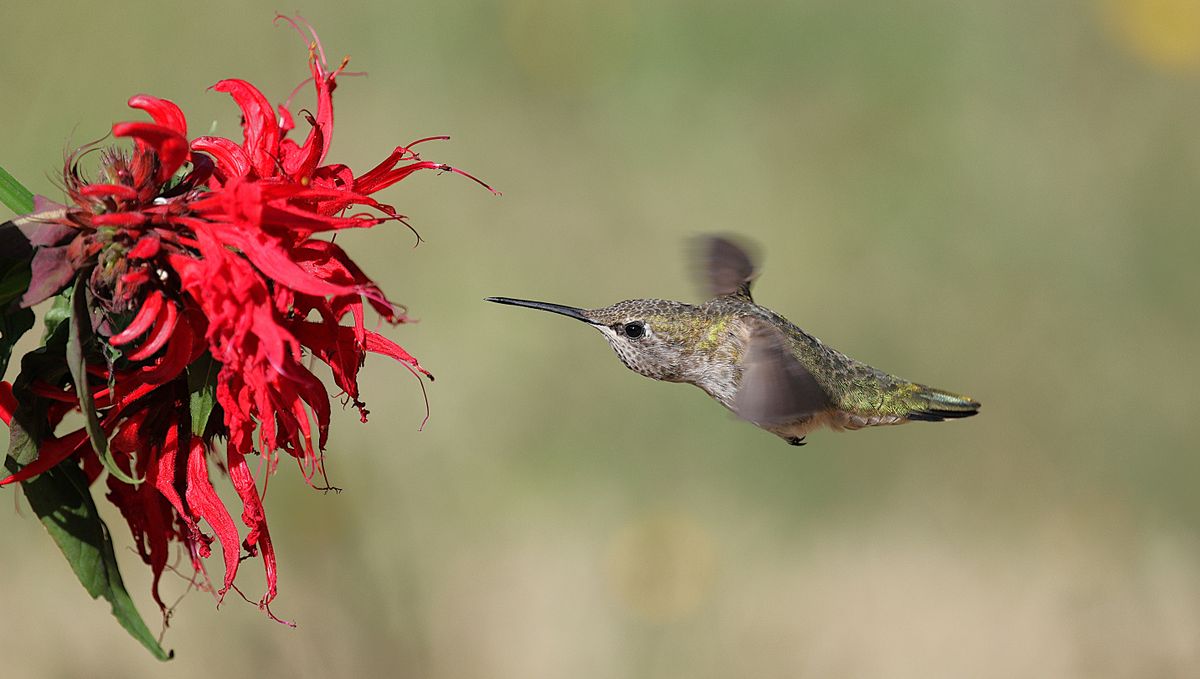
Photo by Veronika Andrews on Pexels
Building a balanced 3-tiered patio lighting scheme relies on mixing handcrafted glass art with stable solar garden stakes:
- Overhead Anchor (60-Inch Height): LUJII Solar Hand-Blown Glass Hummingbird Feeder suspended from a heavy-duty shepherd's hook. The 32 oz translucent glass vessel catches ambient light while serving late migrants.
- Mid-Level Accent (36-Inch Height): Place solar glass globes or desktop lanterns on teak outdoor tables and porch railings to bring warm 2700K light directly to eye level during patio dinners.
- Ground Path Border (12-Inch Height): Position low-voltage or solar metal garden stakes along flowerbed borders to illuminate falling leaves and guide foot traffic along walkways.
Hardiness Zone & Freeze Threshold Guidance (Zones 3–10)
Tailor your autumn glass care routine to your regional USDA Hardiness Zone:
- Zones 3–5 (Northern US & Midwest): First hard freezes (32°F) typically arrive by late September or mid-October. Drain liquid nectar early and move delicate glass decor indoors before severe frost hits.
- Zones 6–7 (Mid-Atlantic, Central US, Pacific Northwest): Overnight lows dip toward 40°F by late October. Keep solar panels tilted 15° south to maximize charge during overcast autumn days.
- Zones 8–10 (Southern US, Desert Southwest & California): Mild autumns allow liquid nectar feeding through November. Overwintering Anna's and Rufous hummingbirds rely on clean 32 oz stations well into late fall.
The 10-Point Autumn Patio Illumination & Glass Care Checklist
- [ ] Wipe solar collector cap clean of falling leaves, sap, and dust every 7 days.
- [ ] Tilt solar panel 10 to 15 degrees southward to align with lower autumn sun angles.
- [ ] Inspect hand-blown glass reservoir for hairline cracks before cold weather arrives.
- [ ] Set RGB lights to warm amber, gold, or static red hues to pair with autumn foliage.
- [ ] Ensure metal bases are coated with anti-rust protection against autumnal rain and moisture.
- [ ] Empty liquid contents when overnight temperatures drop below 40°F.
- [ ] Bring glass vessels indoors during hard freeze warnings (below 32°F).
- [ ] Clean hummingbird perches with warm water bi-weekly while late migrants pass through.
- [ ] Layer lighting heights at 12-inch, 36-inch, and 60-inch levels across the patio.
- [ ] Store rechargeable battery caps in a dry location if winterizing feeders completely.
Frequently Asked Questions About Fall Solar Glass Decor
Answers to common reader questions regarding autumn patio setup, solar charging, and glass preservation.
Continue Exploring Backyard Glass Art & Lighting Design
Expand your knowledge of seasonal garden decor and hand-blown glass care with these guide topics:
- How to Clean and Maintain Hand-Blown Glass Hummingbird Feeders Without Fading Color
- Hand-Blown Solar Glass Hummingbird Feeders: FAQ & Holiday Gift Guide
- Hand-Blown Glass vs. Factory-Molded Glass: Durability and Aesthetic Differences
- Evening Garden Magic: How Dusk Bird Watching Transforms Your Sunset Wellness Routine
Your Autumn Patio Staging & Care Action Plan
Your decision: Decide whether to maintain an active late-season hummingbird station or transition your hand-blown solar glass feeder into a dry ambient patio art piece as temperatures approach 40°F.
Do this next: Reposition your solar glass feeder to an unshaded southern patio exposure, tilt the solar panel 15° south, and select warm RGB tones to accentuate autumn foliage.
- Read next: How to Clean and Maintain Hand-Blown Glass Hummingbird Feeders Without Fading Color
- Read next: Hand-Blown Solar Glass Hummingbird Feeders: FAQ & Holiday Gift Guide
Elevate your autumn patio with the LUJII Solar Hand-Blown Glass Hummingbird Feeder featuring 32 oz capacity, waterproof metal base, and multi-mode RGB twilight lighting.
Take immediate steps to optimize your solar glass lighting and protect handcrafted decor for the season.
Cover photo by Chris F on Pexels.