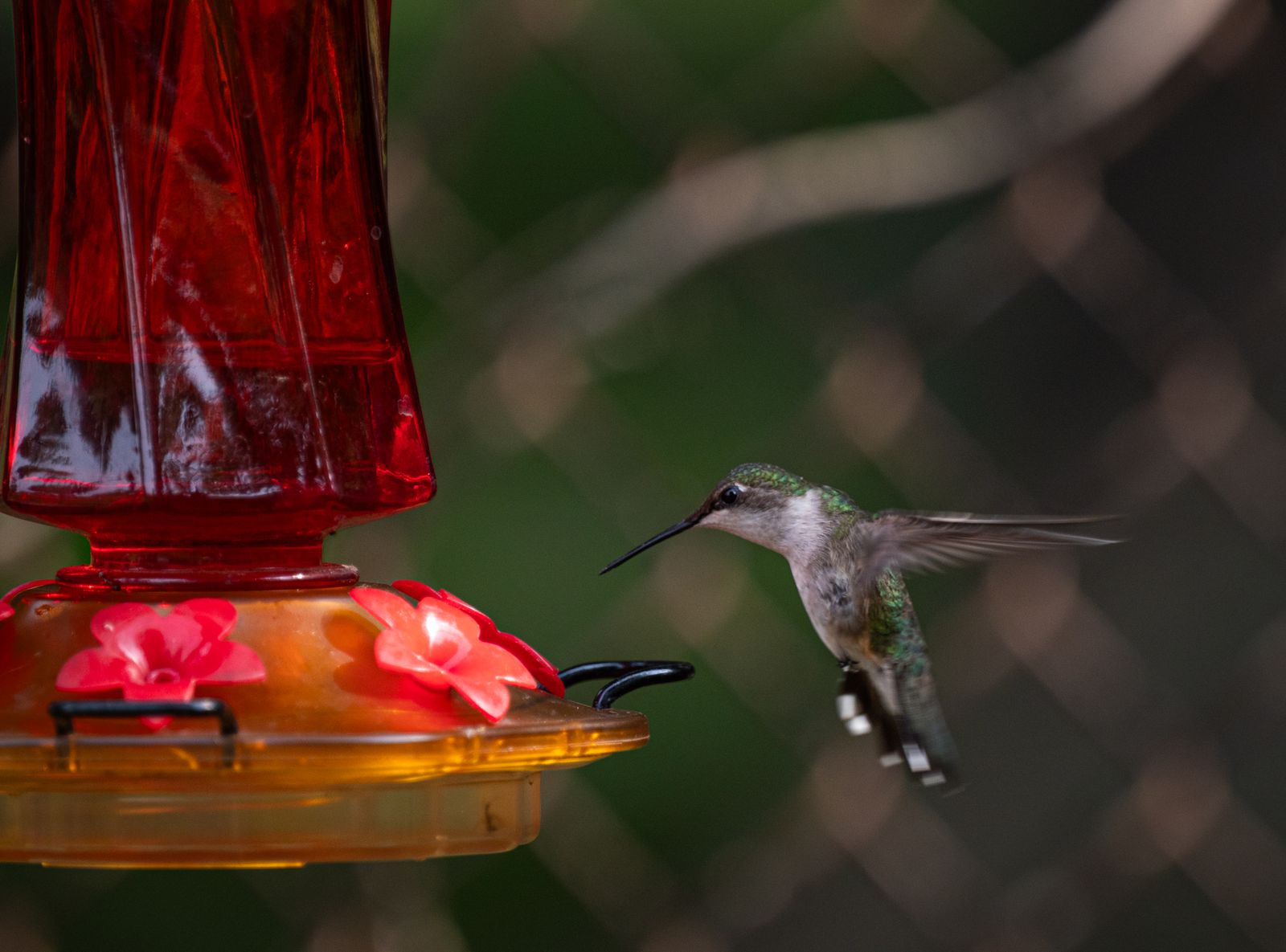
Essential Oils vs. Live Botanical Plants: What Keeps Wasps Away From Hummingbird Feeders Safely?
Live botanical companion plants—such as spearmint, thyme, and eucalyptus stationed 3 to 5 feet away—are vastly safer than essential oils for repelling wasps. Concentrated essential oils emit dangerous volatile organic compounds (VOCs) that irritate sensitive avian respiratory systems and can liquefy in summer heat, coating feathers and destroying their waterproofing insulation.
Essential Oils vs. Live Botanical Plants: Safety & Efficacy Matrix
| Evaluation Criteria | Concentrated Essential Oils (Peppermint/Eucalyptus) | Live Botanical Plants (Potted or In-Ground) |
| --- | --- | --- |
| Avian Respiratory Safety | High Risk: Concentrated VOC vapors irritate fragile air sacs and lung tissue. | Extremely Safe: Mild ambient scent dispersion causes zero respiratory distress. |
| Feather & Insulation Risk | Severe Danger: Sun heats metal hooks, causing oil to drip onto perches and plumage. | Zero Risk: No liquid contact or oily residue transfer to bird feathers. |
| Nectar Contamination Potential | High: Airborne vapors and running oil drips taint sugar water taste. | Zero: Natural plant scents do not cross-contaminate feeder reservoirs. |
| Wasp Deterrence Radius | 1 to 2 Feet: Concentrated scent localized near application point; evaporates rapidly. | 3 to 6 Feet: Continuous living foliage creates a wide botanical barrier. |
| Maintenance & Longevity | High Effort: Requires daily reapplication due to solar degradation. | Low Effort: Self-sustaining growth with standard watering and seasonal pruning. |
This comparative evaluation breaks down the safety profiles, pest deterrence ranges, and physical hazards of applying essential oils versus cultivating live botanical plants around your hummingbird feeding stations.
Trade-Off Analysis: Direct Oils vs. Perimeter Planting
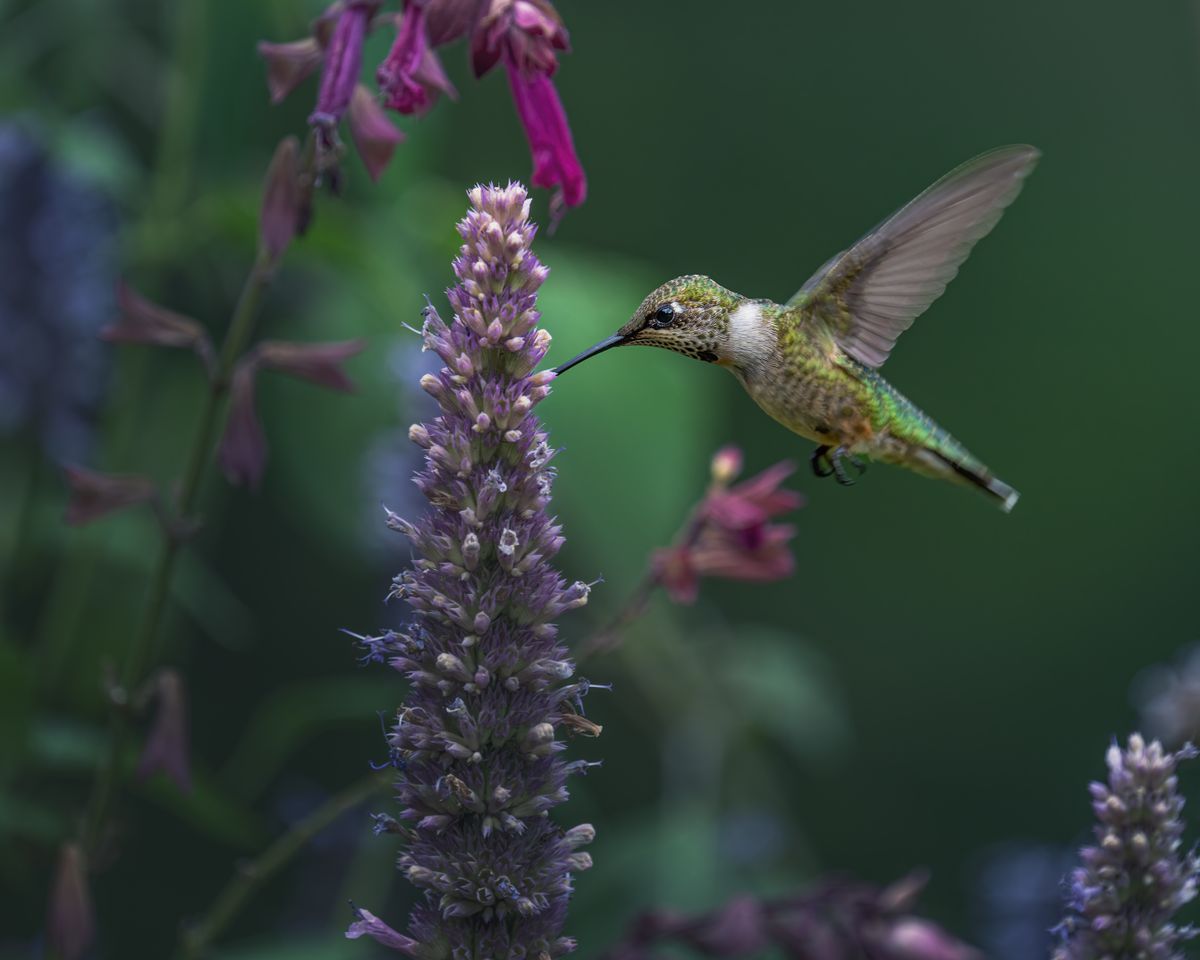
Photo by Skyler Ewing on Pexels
Evaluating the practical benefits and hidden ecological risks of each natural wasp deterrence strategy ensures you protect both your garden aesthetics and your visiting hummingbirds.
The Master Gardener's Verdict for Backyard Birders
For a truly safe hummingbird habitat, never apply concentrated essential oils directly to feeders, hanging hooks, or mounting poles. The safest and most effective strategy is a multi-layered approach: station potted live spearmint or German thyme 3 to 5 feet from your feeder pole, and pair them with a leak-proof feeder featuring a sealed metal base. Eliminating exposed nectar drips stops wasp attraction at the root cause, while living plants gently mask the feeder zone without exposing birds to harsh vapors.
Fatal DIY Mistakes That Harm Hummingbirds
Well-meaning garden enthusiasts often inadvertently endanger hummingbirds while trying to drive away persistent yellowjackets and hornets. Avoid these dangerous practices:
Expert Tip: Heatwave Volatility & Feather Safety
During summer heatwaves, metal shepherd's hooks and hanging hardware frequently reach temperatures exceeding 100°F. When essential oils are applied to these hot surfaces, their viscosity drops dramatically. The oil thins, runs downward, and coats the glass reservoir and perches. When a hummingbird lands, this oily residue rubs onto its breast feathers. Unlike mammals, birds cannot wash away heavy plant lipids; the oil mats their delicate down, destroying their ability to thermoregulate and maintain flight efficiency.
Wasp Defense Strategy Decision Flowchart
- Are wasps swarming directly around the feeder ports? → Yes: Check feeder base for sticky leaks or nectar drips.. No: Position potted live spearmint 3 to 5 feet from the feeder pole as a preventative barrier.
- Is your current feeder leaking or dripping nectar onto the ground? → Yes: Replace feeder base with a precision-gasketed, leak-proof metal base design.. No: Verify nectar concentration ratio is strictly 1 part white sugar to 4 parts water.
- Are essential oils currently applied to hanging hooks or hardware? → Yes: Immediately wash hardware with warm dish soap to remove all oily residue.. No: Deploy perimeter live plants (Thyme, Lavender, Eucalyptus) to maintain a pest-free zone.
Frequently Asked Questions About Natural Wasp Repellents
Clear, direct answers to common questions about managing insects around hand-blown glass and solar hummingbird feeders.
Safe Botanical Barrier & Feeder Zone Layout
Designing a multi-tiered garden layout keeps repelling botanicals at a safe distance while inviting hummingbirds into a lush, safe feeding sanctuary.
Key Takeaways for Avian Safety
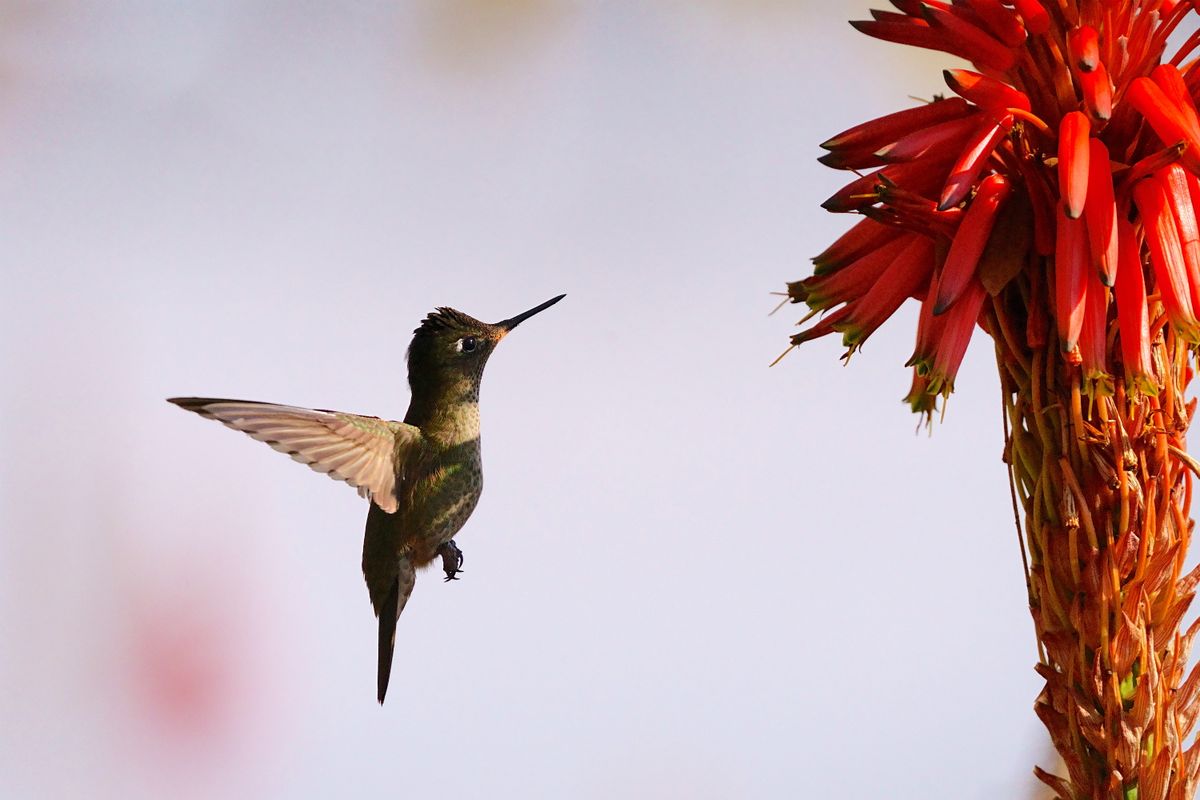
Photo by Leonardo Merlo on Pexels
Keep these fundamental rules in mind when optimizing your yard for birds and pest control:
Choosing the Right Method for Your Garden Setup
Live companion plants offer superior avian safety and long-term pest deterrence. Essential oils should never touch feeder components or hanging hardware due to heat-melting and respiratory toxicity risks.
Best choice for
- Potted Spearmint or Thyme Containers — Allows precise placement 3 to 5 feet from hanging hooks while keeping mint roots safely contained.
- Perennial Lavender and Pineapple Sage Borders — Establishes a permanent, beautiful perimeter barrier that deters yellowjackets and feeds hummingbirds.
- Applying undiluted essential oils to shepherd's crooks, hanging wires, or feeder perches.
- Using open-trough plastic feeders that splash nectar in light summer breezes.
- Sealed Hand-Blown Glass Feeders with Anti-Rust Metal Bases — Eliminates nectar drips entirely, removing the scent signal that draws wasps in the first place.
Real-World Garden Applications
Suburban Deck with Afternoon Heatwaves — Avoid essential oils completely as deck temperatures exceed 95°F. Hang a handcrafted glass feeder with a leak-proof metal base on an extended arm, placing two large pots of spearmint and thyme on the deck floor 4 feet beneath the feeder.
Lush Cottage Garden with Dense Floral Beds — Plant fragrant Lavender and German Thyme along outer garden pathways 5 feet away from the main feeder pole. Pair with tubular nectar plants like Bee Balm to draw hummingbirds while establishing an aromatic insect buffer.
Explore how different garden layouts successfully balance pest control with hummingbird safety.
To understand why essential oils are hazardous near bird feeders, one must examine hummingbird physiology. Unlike human lungs, which expand and contract dynamically, a hummingbird's respiratory system relies on a rigid lung structure connected to nine complex air sacs. Air flows continuously through these sacs during both inhalation and exhalation, allowing their extraordinarily metabolic bodies to absorb oxygen at hyper-efficient rates. During flight, a hummingbird's breathing rate ranges between 250 and 500 breaths per minute.
Because of this unique unidirectional airflow and immense respiratory throughput, hummingbirds are exceptionally vulnerable to airborne volatile organic compounds (VOCs). Essential oils—particularly peppermint, eucalyptus, tea tree, and cinnamon—contain concentrated terpenes, phenols, and aldehydes. When dabbed onto feeder hooks or perches, these compounds evaporate into high concentration zones right where tiny birds hover to feed. Inhaling these concentrated vapors causes acute respiratory tissue inflammation, dizziness, and severe stress in tiny pollinators.
Furthermore, summer temperatures exacerbate physical contact hazards. Essential oils do not dry; they remain active lipids. As solar radiation heats metal hanging poles, essential oils migrate downward. A hummingbird contacting oil-coated surfaces suffers plumage damage. Feathers feature microscopic hooks called barbules that lock together like velcro, trapping insulating air against the body. Oil breaks these barbule locks, causing feathers to mat. The bird loses both body heat regulation and aerodynamic agility. Transitioning away from chemical oils to living botanical plants eliminates vapor concentration peaks and physical lipid contamination entirely, protecting your backyard visitors while keeping pests at bay.
Upgrade to a Leak-Proof Artisan Solar Feeder
Eliminate nectar leaks and elevate your backyard sanctuary with handcrafted glass art that keeps pests away naturally.
Your Wasp-Proof Garden Action Plan
Your decision: Choose live botanical companion plants and leak-proof feeder hardware over hazardous essential oil applications.
Do this next: Remove any essential oils from hanging hardware immediately using warm soapy water. Place potted spearmint or German thyme 3 to 5 feet from your feeder pole, and inspect your feeder base for nectar drips.
Related resource: Pest-Free Backyard Birding Habitat Guide
LUJII Hand-Blown Glass Solar Hummingbird Feeder with Sealed Anti-Rust Metal Base
Follow these simple steps today to create a safe, pest-free paradise for your local hummingbirds.