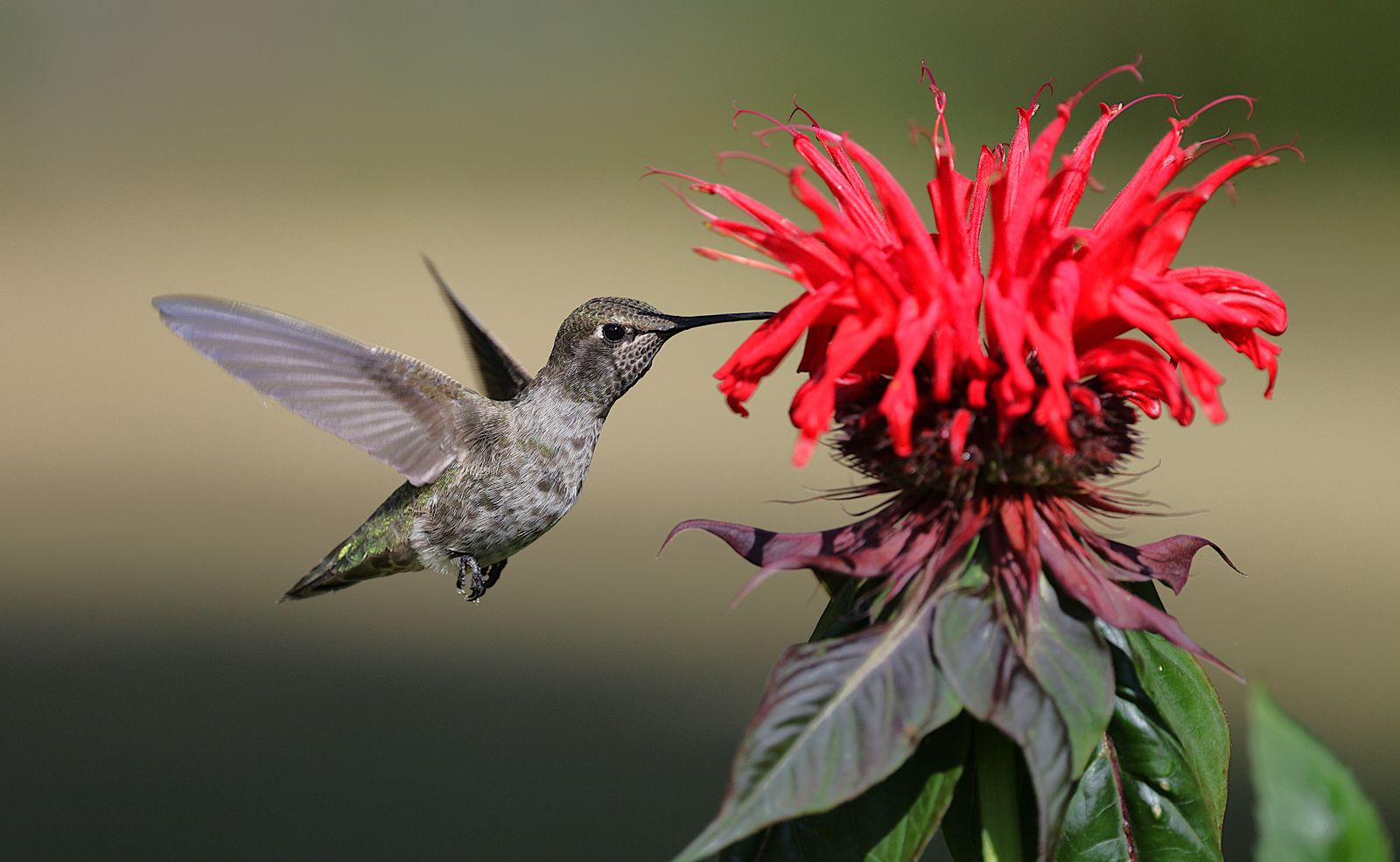
Eco-Friendly Hummingbird Feeders: Hand-Blown Glass vs. Plastic
Hand-blown glass hummingbird feeders are significantly more eco-friendly and safer than plastic feeders because non-porous glass prevents chemical leaching under intense summer heat, resists clouding, and eliminates microplastic shedding, offering multi-decade durability that reduces landfill waste while keeping nectar non-toxic.
Glass vs. Plastic Environmental & Safety Comparison Chart
| Evaluation Criteria | Hand-Blown Glass Feeders | Molded Plastic Feeders |
| --- | --- | --- |
| UV Degradation & Heat Resistance | 100% chemically inert; withstands 2,300°F craft heat and direct sunlight without cracking or micro-fissuring. | Degrades rapidly under solar UV rays; develops micro-cracks, turns brittle, and clouds within 1–2 seasons. |
| Chemical Leaching & Microplastics | Zero chemical leaching or microplastic release; non-porous structure maintains 100% pure nectar safety. | High risk of BPA/phthalate leaching into warm nectar; sheds microplastics into backyard soil and water. |
| Multi-Year Durability & Waste Footprint | Lasts 10+ years with proper care; heirloom quality completely eliminates repeat plastic disposal. | Requires replacement every 1–3 years; generates cumulative landfill waste and plastic pollution. |
| Color Retention & Visual Appeal | Vibrant, light-capturing pigments permanently fired at 2,300°F; never fades, peels, or discolors. | Surface dyes fade under intense sun rays; prone to scratches, mold staining, and yellowing over time. |
| Hygiene & Bacteria Resistance | Smooth, non-porous surface prevents bacterial embedding; effortlessly cleaned with warm water and vinegar. | Micro-scratches harbor mold spores and bacteria even after thorough scrubbing with brushes. |
| Base & Component Integrity | Paired with rust-resistant coated metal bases and sealed silicone gaskets for leak-free nectar conservation. | Typically paired with snap-fit plastic bases that warp in high summer heat, causing frequent nectar leaks. |
Material Trade-Offs: Hand-Blown Glass vs. Molded Plastic
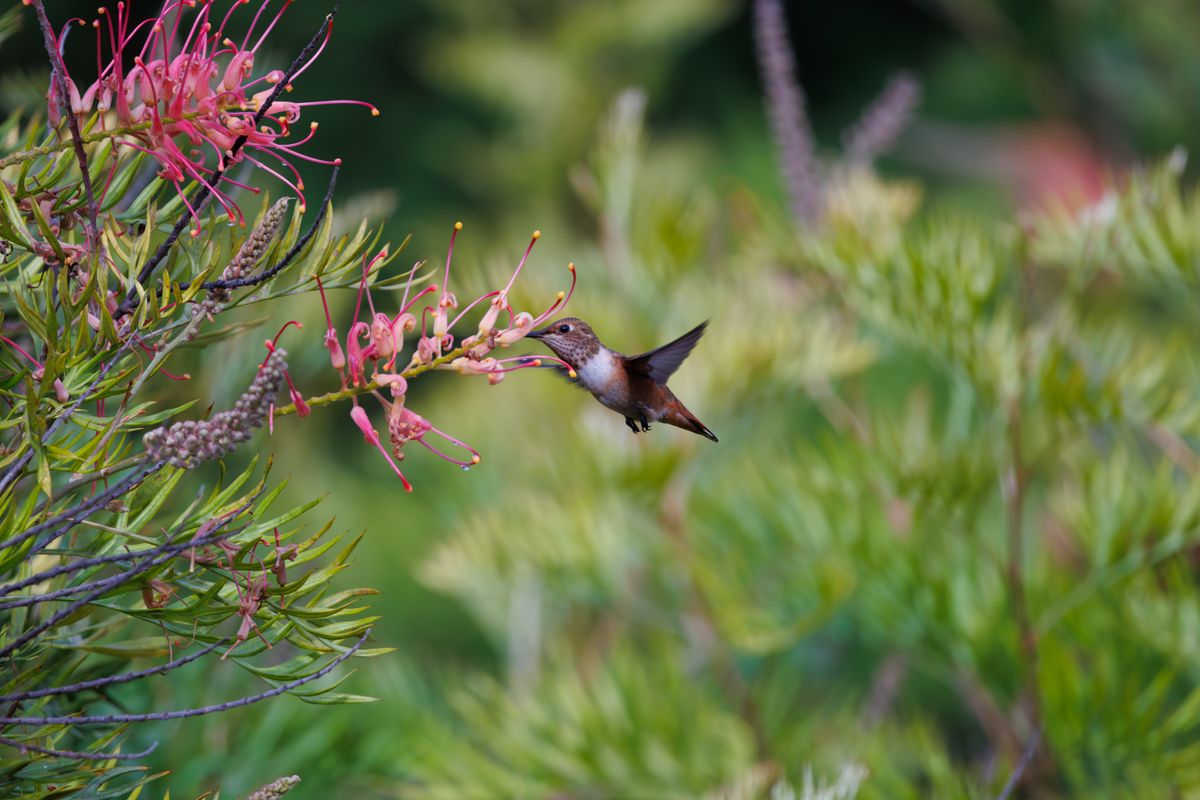
Photo by Ant Armada on Pexels
Pros
- Non-porous glass prevents bacterial colonization and toxic heat leaching during hot summer days.
- Artisan glass shaped at 2,300°F retains color brilliance indefinitely without UV fading.
- Heirloom durability vastly reduces multi-year plastic landfill footprint.
- Pairs with anti-rust metal bases and leak-proof seals to conserve nectar and prevent pest attraction.
- Translucent hand-blown glass allows effortless monitoring of 32 fl. oz. nectar levels.
- Requires a higher initial investment compared to low-cost disposable plastic models.
- Requires mindful handling during winter storage and cleaning to prevent thermal shock.
Editor's Pick: The Sustainable Solar Glass Solution
For eco-conscious bird lovers seeking an artisan feeding station that protects wildlife while elevating garden aesthetics, the LUJII Solar-Powered Hand-Blown Glass Hummingbird Feeder stands as our top-rated recommendation.
Expert Care Tip: Protecting Artisan Glass and Nectar Integrity
To maintain your hand-blown glass feeder for decades, clean it bi-weekly using a 4:1 solution of warm water and distilled white vinegar. Avoid washing with boiling water or placing cold glass directly under scalding tap water—thermal shock can cause invisible stress micro-fractures. Additionally, hanging your feeder where it receives direct sunlight on the solar cap but light dappled shade on the glass body keeps nectar cool while ensuring maximum nighttime RGB illumination.
Visualizing UV Degradation & Material Non-Reactivity
Frequently Asked Eco-Feeder Questions
Key Takeaways for Conscious Gardeners
Decision Matrix: Choosing the Right Feeder for Your Yard
Hand-blown glass is the superior choice for eco-conscious gardeners seeking non-toxic, long-lasting hummingbird feeders that withstand intense heat and UV exposure without leaching microplastics or degrading.
Best choice for
- Hand-Blown Glass with Metal Base — Glass remains completely inert under high sun exposure, preventing chemical leaching and nectar clouding.
- Solar Hand-Blown Glass Feeder — Artisanal glass retains color clarity indefinitely while integrated solar caps eliminate battery waste.
- You are looking for low-cost disposable plastic feeders that require frequent seasonal replacement due to UV cracking.
- Heavy-Duty Recycled Glass — A middle-ground alternative, though plastic bases may still degrade and leach over time compared to full metal assembly.
Real-World Backyard Scenarios
Direct Sun Backyard (Southern US / High-UV Climate) — Choose hand-blown glass with an anti-rust metal base. Sunlight breaks down clear plastic polymers into cloudy, brittle shells within 6 months, whereas 2,300°F artisan glass remains completely non-reactive.
Twilight Garden & Outdoor Patio Entertaining — Select a solar-powered glass feeder with RGB LED options. The solar cap recharges naturally during daylight to illuminate unique hand-blown glass patterns for up to 8 hours at night without electrical cords or disposable batteries.
High Ant & Crawling Pest Environment — Opt for a glass feeder featuring an integrated top water moat and a slender neck with a rubber silicone base seal to eliminate sweet drips and stop crawling insects in their tracks.
When evaluating backyard birding gear through an ecological lens, the raw material composition of your feeder plays a critical role in local environmental health. Standard molded plastic feeders are manufactured using petro-chemical polymers. When exposed to direct solar radiation in temperatures exceeding 85°F, clear polycarbonate plastics absorb ultraviolet radiation. This exposure breaks chemical bonds within the plastic matrix, leading to structural hazing, micro-cracking, and potential chemical leaching into the sugar solution.
In contrast, hand-blown art glass is crafted by glass artisans at temperatures reaching 2,300°F. This extreme heat-melting process fuses natural silica and mineral pigments into a crystalline lattice that is completely non-porous and chemically inert. Sun exposure cannot break down hand-blown glass bonds, meaning zero risk of BPA, phthalate, or microplastic transfer into your yard's ecosystem.
Nectar Safety under Summer Heat Stress
Hummingbirds possess incredibly high metabolic rates, visiting feeders dozens of times per day. Feeding them from degraded plastic reservoirs introduces potential risks. Plastic micro-cracks—often invisible to the naked eye—create ideal breeding grounds for Candida fungal spores and bacterial colonies that resist standard rinsing. Because glass presents a glass-smooth, impenetrable surface, simple warm-water rinses remove all residue without requiring harsh chemical detergents.
Component Longevity: Metal Bases vs. Snap-Fit Plastic
Beyond the reservoir, base engineering dictates a feeder's lifespan. Conventional plastic feeders rely on snap-together plastic perches and thin plastic threading. Under continuous solar warming, these plastic threads warp, resulting in persistent nectar drips. Nectar leaks not only waste food but actively attract yellowjackets, hornets, and invasive ant colonies.
Artisan glass feeders elevate performance by pairing heavy-duty glass reservoirs with anti-rust coated metal bases and thick silicone sealing gaskets. The slender neck of a 32 fl. oz. glass reservoir delivers natural pressure balance, keeping nectar securely inside until a hummingbird inserts its bill. Combined with a built-in water ant moat, metal-based glass feeders provide a multi-layered defense against weather and pests.
Sustainable Solar Lighting: Zero Battery Waste
Modern hand-blown glass feeders integrate renewable energy into backyard decor. By embedding a weatherproof solar cap above the reservoir, solar feeders capture sunlight during peak daytime hours to power internal RGB LEDs. This setup illuminates the intricate, hand-blown color patterns for up to 8 hours after dusk. By relying on built-in solar rechargeability, gardeners eliminate the need for single-use alkaline batteries, reducing toxic heavy-metal waste in landfills while enjoying a magical twilight garden ambient display.
Explore Sustainable Garden Guides
Enhance your backyard sanctuary with these complementary eco-friendly birding resources:
- Hand-Blown Glass vs. Plastic Hummingbird Feeders: Why Artisan Craftsmanship Wins
- How to Clean and Maintain Your Hand-Blown Solar Hummingbird Feeder
- Solar-Powered Lighted Feeders vs. Standard Glass Feeders: Upgrading Your Eco-Friendly Yard
- Sustainable Backyard Decor: Blending Heritage Glass with Solar Illumination
Featured Hand-Blown Solar Glass Feeders
Elevate your outdoor living space with these handcrafted, solar-illuminated feeder options designed for safety and durability.
Action Plan for Sustainable Bird Watching
Your decision: Choose artisan hand-blown glass over plastic to eliminate microplastics and ensure long-lasting backyard beauty.
Do this next: Select a 32 oz hand-blown glass feeder equipped with a rust-proof metal base and solar lighting to minimize battery waste.
- Read next: How to Clean and Maintain Your Hand-Blown Solar Hummingbird Feeder
- Read next: Solar-Powered Lighted Feeders vs. Standard Glass Feeders: Upgrading Your Eco-Friendly Yard
LUJII Solar-Powered Hand-Blown Glass Hummingbird Feeder (32 fl. oz.)
Cover photo by Veronika Andrews on Pexels.