Durable Solar Hummingbird Feeder Materials: Glass & Metal Guide
Should you replace cheap plastic hummingbird feeders with high-heat hand-blown glass and anti-rust metal solar feeders? Yes. Outdoor UV radiation and solar heat break down commercial plastics within 12 to 18 months, causing seal warpage, micro-cracks, and nectar leaks. Hand-blown glass formed at 2,300°F and powder-coated metal bases resist UV degradation, withstand ambient weather swings, and prevent annual landfill waste.
Material Resistance & Weathering Specifications
| Material Type | Thermal Shock Resistance | UV Stability Index | Corrosion Protection Rating | Microplastic Shed Risk |
| --- | --- | --- | --- | --- |
| Hand-Blown Glass (2,300°F Annealed) | High (Delta 120°F) | 100% UV Immune (Zero degradation) | N/A (Inert Non-Metal) | Zero (Silica structure) |
| Powder-Coated Metal Base | High (Delta 200°F+) | High (UV-resistant epoxy shield) | ASTM B117 Salt Spray > 500 hrs | Zero |
| Molded Polycarbonate Plastic | Moderate (Delta 60°F) | Moderate (Yellows in 12-18 mos) | N/A (Plastic polymer) | Low initially, High when degraded |
| Cheap Thin Acrylic / PET | Low (Delta 30°F) | Poor (Embrittles in 6-12 mos) | N/A (Plastic polymer) | High (Surface micro-flaking) |
Compare technical material thresholds against standard outdoor stress factors like ultraviolet radiation, thermal shock, and moisture exposure.
Visualizing Feeder Architecture
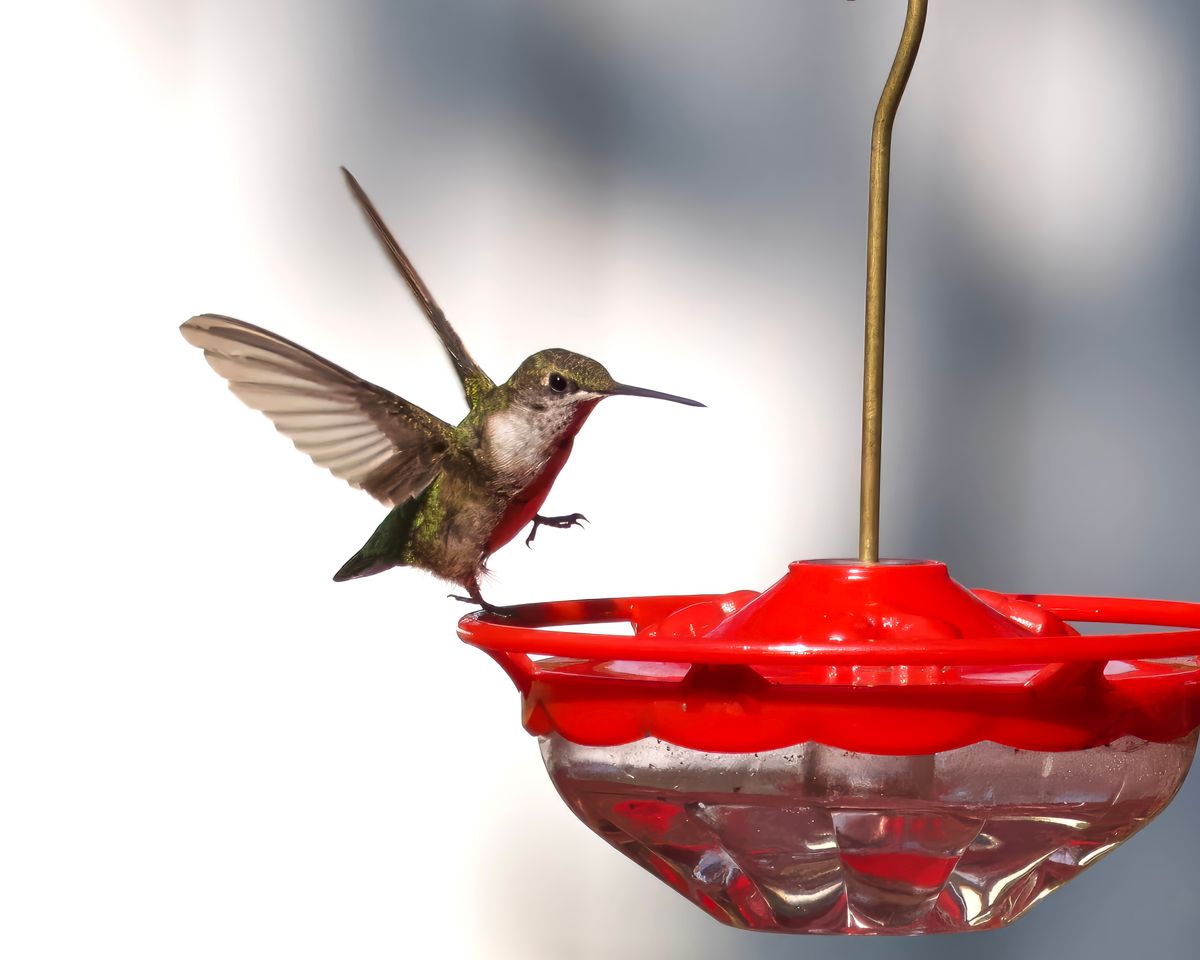
Photo by A. G. Rosales on Pexels
Detailed structural overview showing key protection zones on a heritage glass solar hummingbird feeder.
Editor's Choice: Weather-Resistant Solar Feeder
For garden enthusiasts seeking multi-season durability and magical evening lighting, this handcrafted feeder combines traditional glassblowing artistry with modern solar performance.
Visualizing Plastic Degradation vs. Glass Longevity
Editorial illustration brief highlighting the 5-year lifecycle contrast between disposable plastics and hand-blown glass.
Calculate Your 5-Year Feeder Replacement & Nectar Loss Costs
Interactive calculation framework evaluating total long-term savings when eliminating brittle plastic feeders.
Trade-offs: Hand-Blown Glass & Metal vs. Molded Plastic
Pros
- 2,300°F annealed glass never yellow-stains, crazes, or leaches microplastics
- Powder-coated metal base prevents corrosion and resists high-wind torque
- Built-in RGB solar module provides ambient garden illumination with zero electrical cords
- Heavy base and silicone seal minimize fluid loss from thermal expansion leaks
- Heavier filled weight (approx. 3.5 lbs) requires sturdy shepherd hooks or heavy-duty S-hooks
- Higher initial purchase price compared to dollar-store plastic feeders
- Requires basic handling care during winter sub-zero freeze storage
Frequently Asked Questions About Feeder Durability & Solar Operation
Addressing common operational and maintenance queries regarding glass solar feeders.
Pro Tip: Extending Metal Base & Solar Cap Lifespans
To maintain optimal performance in high-humidity or coastal saltwater zones, apply a light coat of food-grade mineral oil to the exterior powder-coated metal threads twice a season. Wipe down the top solar panel glass cap with a damp microfiber cloth monthly to clear dust and pollen, ensuring maximum photovoltaic charge efficiency for full 8-hour nighttime RGB light operation.
Key Takeaways: Heritage Materials vs. Disposable Plastics
Understanding material science helps you build a more sustainable, leak-free backyard sanctuary.
Which Feeder Material Fits Your Backyard Climate?
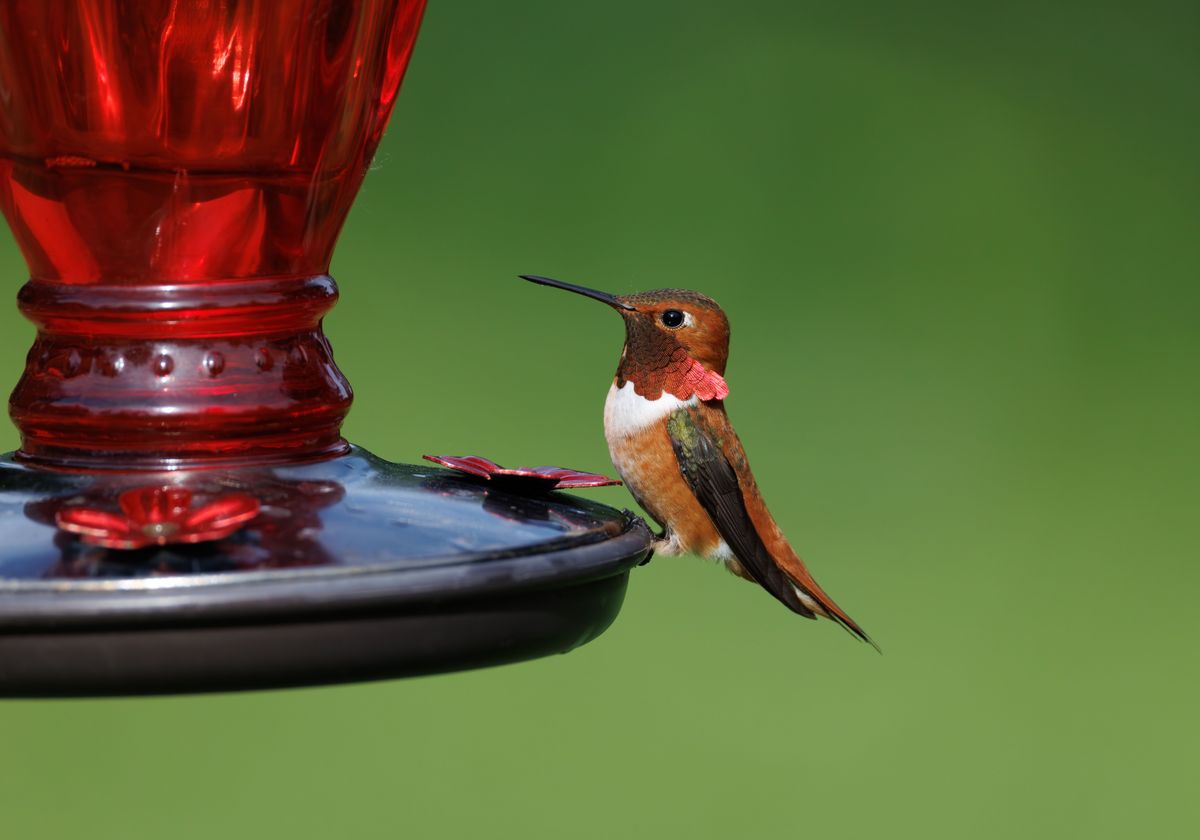
Photo by Veronika Andrews on Pexels
Choose hand-blown glass with anti-rust powder-coated metal bases if you seek multi-season durability, nighttime aesthetics, and zero plastic landfill waste.
Best choice for
- 2,300°F Hand-Blown Glass + Anti-Rust Coated Metal Base — Silica glass does not degrade under intense UV rays, and powder-coated metal prevents rust oxidation and joint leaks.
- Hand-Blown Artisan Solar Glass Feeder — Eliminates annual plastic replacement cycles and prevents microplastic contamination in surrounding garden soil.
- You require an ultralight feeder for fragile 1/4-inch tree twigs or tension rods rated under 2 lbs.
- You frequently leave feeders outside during severe sub-zero freeze cycles without emptying liquid.
- Standard Unlit Thick-Walled Glass Feeder — Provides basic glass durability without ambient night solar lighting if solar charging is unnecessary in deep shade.
How Sun and Heat Destroy Plastic Feeders
When standard plastic hummingbird feeders sit under direct summer sunlight, high-energy solar ultraviolet (UV) photons strike the synthetic polymer chains. This initiates a chemical destruction process called solar photo-oxidation. Over a single season, photon energy snaps carbon-carbon polymer bonds, resulting in chain scission. To the bird lover, this invisible chemical degradation displays immediate physical failure modes: clear plastic turns hazy yellow, smooth surfaces develop chalky micro-flakes, and once-flexible feeding ports turn brittle.
Simultaneously, daily solar heating causes severe thermal expansion stress. During hot summer afternoons, plastic reservoirs expand rapidly, stretching base screw threads. When night temperatures drop, the plastic contracts unevenly, warping critical sealing surfaces. This thermal flexing creates micro-gaps around the base gasket, leading to persistent nectar drips. Sugary liquid then coats the base, attracting unwanted ants, wasps, and hornets while leaving yellow jacket attractants all over your patio.
The Artisanal Advantage of 2,300°F Hand-Blown Glass
In stark contrast, silica glass crafted in traditional high-temperature furnaces undergoes an intense annealing process at temperatures exceeding 2,300°F (1,260°C). At this extreme heat, natural silica sand, ash, and minerals fuse into a continuous, non-porous crystalline structure. Because inorganic silica glass lacks carbon polymer chains, UV light passes through or reflects off without causing chemical bond breakage.
Furthermore, master glassmakers infuse mineral color pigments directly into the liquid molten glass during the 2,300°F heating process rather than applying external surface paints. This means vibrant floral swirls and translucent colors are physically integrated inside the glass wall layer. Intense sun, torrential summer rain, and mild acid rain cannot fade, peel, or leach colors over decades of garden display.
Corrosion Mechanics in Outdoor Metal Bases
Feeder bases made of untreated stamped iron or cheap alloy steel succumb quickly to moisture oxidation. Sugar-rich hummingbird nectar is mildly acidic; when combined with spring rainwater and atmospheric oxygen, it triggers rapid electrochemical rust formation. Rust flakes contaminate the nectar supply, risking bird health and causing unsightly orange stains on patio pavers.
High-durability solar glass feeders solve base failure by utilizing multi-stage surface passivation. Metal bases are treated with an anti-rust electro-galvanized coating followed by a high-temperature cured powder coating shield. This dense barrier layer blocks moisture and oxygen contact entirely, resisting rust even in humid, rain-heavy climate zones.
Material Longevity & Environmental Impact Matrix
| Evaluation Criteria / Failure Mode | Hand-Blown Glass + Metal Base | Commercial Polycarbonate | Cheap Thin Plastic (PET) |
| --- | --- | --- | --- |
| Primary Failure Mode | Accidental drop impact | UV yellowing & seal warping | Brittle cracking & base leakage |
| 5-Year Replacement Rate | 0 Replacements (Lifelong use) | 2–3 Replacements | 4–5 Replacements |
| UV Degradation & Yellowing | Immune (100% stable) | Moderate (Yellows in 18 mos) | Severe (Hazy in 6 mos) |
| Nectar Leak Risk from Heat Flexing | Extremely Low (Rigid threads) | High (Thread distortion) | Very High (Gasket distortion) |
| Microplastic Contamination Potential | Zero (Inert silica) | Low to Moderate over time | High (Surface flaking) |
| Landfill Waste Impact (5 Years) | Zero waste generated | approx. 2.5 lbs plastic waste | approx. 4.0 lbs plastic waste |
Detailed failure mode evaluation structured by key evaluation criteria across feeder materials.
Common Mistakes That Accelerate Feeder Degradation
Avoid these frequent maintenance errors to protect your solar module and glass reservoir.
Featured Heritage Solar Feeders
Upgrade your outdoor sanctuary with high-durability hand-blown glass craft.
Next Steps for a Sustainable, Radiant Garden
Your decision: Choose heritage hand-blown glass and anti-rust metal to eliminate annual plastic waste and prevent nectar leakage in your garden.
Do this next: Inspect your existing outdoor feeders for surface micro-cracks, seal warpage, or base oxidation, and replace compromised units with weather-resistant glass.
Related resource: Explore proper solar panel orientation techniques to maximize solar battery recharge while maintaining shaded nectar freshness.Ready to eliminate annual plastic waste and elevate your garden decor? Explore the LUJII Solar-Powered Hand-Blown Glass Hummingbird Feeder today.
Take action to eliminate annual plastic garden waste and enjoy long-lasting backyard beauty.