Best Leak-Proof Hummingbird Feeders for Hot Climates: A Summer Buyer's Guide
Many backyard bird lovers assume feeders leak due to loose base threads or poor seals, but intense summer heat expanding trapped air inside inverted reservoirs is the real culprit. The best leak-proof feeder for hot weather combines a heavy-wall hand-blown glass reservoir, an airtight gasket-sealed metal base, and an overhead solar cap heat shield to prevent thermal expansion drips.
How to Choose a Hot-Climate Hummingbird Feeder
To prevent heat-induced leaks during hot summer months, prioritize feeders constructed with thick hand-blown glass reservoirs, silicone-gasketed metal bases, and integrated overhead solar caps that block direct UV radiation.
Best choice for
- Sealed-base hand-blown glass feeder with silicone gasket — Thick hand-blown glass acts as a natural insulator, slowing liquid temperature spikes and preventing rapid air pocket expansion.
- Solar cap shaded glass feeder with anti-rust metal base — An integrated solar cap acts as an overhead thermal umbrella, shielding the glass neck from direct solar radiation while charging ambient evening lights.
- Avoid thin-walled plastic inverted feeders hung in unshaded areas; lightweight plastic warps under intense thermal stress, breaking the airtight seal and causing continuous nectar loss.
- Dish-style (saucer) feeders — Saucer feeders store nectar below the ports, eliminating gravity-fed vacuum pressure entirely, though they offer smaller liquid capacities and require more frequent refills.
Top Leak-Proof Solar Feeders Tested for High Heat
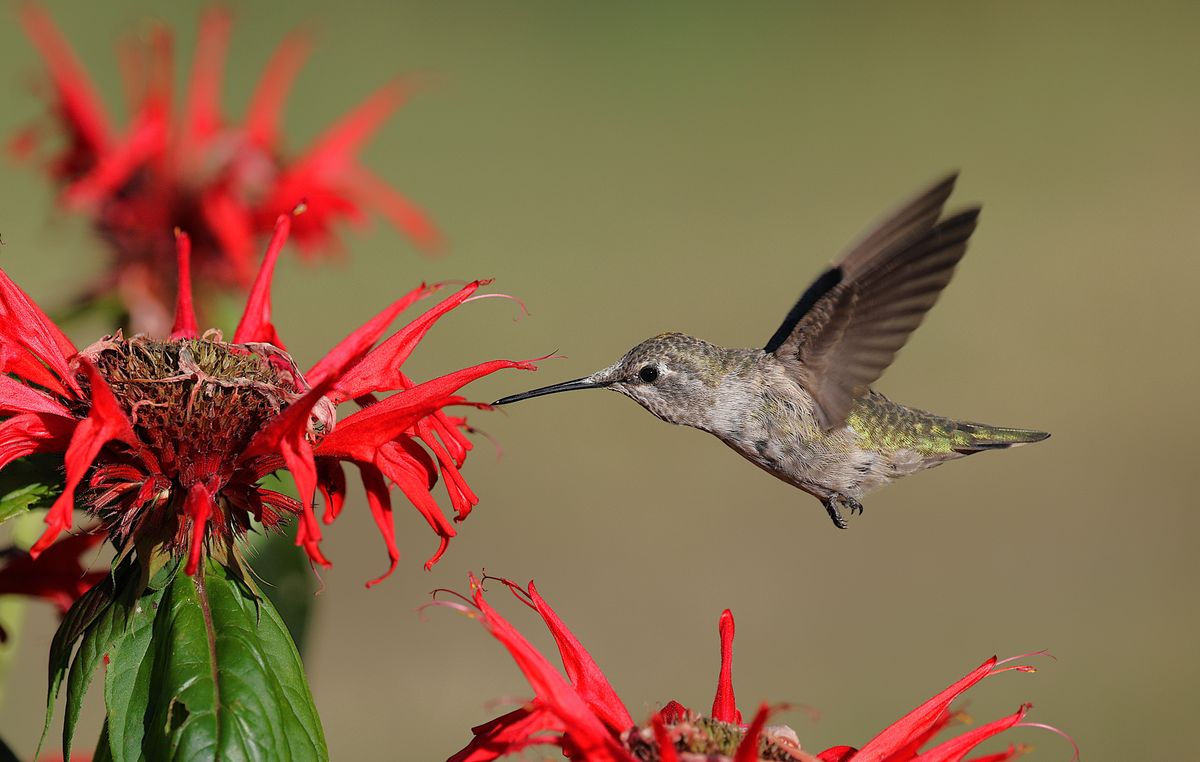
Photo by Veronika Andrews on Pexels
Upgrade your garden display with feeders designed to withstand intense summer temperatures while providing enchanting nighttime ambiance.
Hot-Weather Feeder Performance Across Summer Scenarios
| Summer Weather Scenario | Thin Inverted Plastic | Standard Unshaded Glass | Solar-Shielded Hand-Blown Glass (LUJII) |
| --- | --- | --- | --- |
| Moderate Heat (80°F - 89°F) in Shade | Stable vacuum; minimal drip risk if filled cold. | Fully leak-free; good vacuum retention. | Flawless performance; zero expansion drips. |
| High Heat (90°F - 99°F) in Partial Sun | High drip risk; plastic flexes and expands air pocket. | Moderate drip risk as internal air warms up. | Leak-free; solar cap shades neck and glass insulates. |
| Extreme Heat (100°F+) or Direct Afternoon Sun | Severe leaking; nectar purges continuously through ports. | Frequent dripping due to direct solar thermal gain. | Highly resistant; overhead cap blocks UV rays and heavy glass buffers heat. |
Compare how different feeder constructions handle high heat, direct sunlight, and vacuum seal preservation throughout hot summer afternoons.
Pro-Tip: Fill Cool and Hang Early to Lock the Vacuum Seal
Always chill your 4:1 sugar-water nectar in the refrigerator before filling your glass feeder. Filling a feeder with room-temperature liquid on a hot morning leaves a warm air pocket at the top. As afternoon heat builds, that warm air expands exponentially faster than chilled liquid. By filling the reservoir to 95% capacity with ice-cold nectar during cool morning hours, you minimize the volume of air available to expand, ensuring a rock-solid vacuum seal through the peak heat of the day.
Summer Drip & Leak Troubleshooting Matrix
| Observed Symptom | Root Thermal or Mechanical Cause | Actionable Fix |
| --- | --- | --- |
| Feeder drips steadily between 2 PM and 5 PM, but stops at night. | Thermal expansion: Afternoon ambient heat expands the air pocket inside the top of the reservoir, forcing nectar down. | Move feeder to afternoon shade; fill to 95%+ capacity with chilled nectar to reduce air pocket volume. |
| Nectar leaks immediately upon hanging or flipping right-side up. | Vacuum seal failure: Base threads are loose or the silicone O-ring gasket is misaligned or pinched. | Inspect rubber gasket for debris, re-seat it flat against the metal threads, and tighten firmly before inverting. |
| Wasps and bees hovering around feeding ports continuously. | Micro-drips at port rims caused by slight thermal pressure or overfilling. | Wipe outer port rims with fresh water after filling; ensure ports remain above liquid resting level. |
| Nectar turns cloudy or produces bubbles within 48 hours. | Thermal fermentation: Direct sun heat accelerating bacterial growth inside sugar solution. | Relocate feeder under solar cap shade or tree canopy; thoroughly clean and refresh nectar every 48 hours in 90°F+ heat. |
Diagnose and resolve common summer feeder issues before nectar drips attract uninvited yellow jackets, wasps, and crawling ants.
Hot-Weather Feeder Selection Decision Flowchart
- Does your region experience summer temperatures exceeding 90°F? → Yes: Go to Question 2. No: Standard glass or solar-accented feeders will perform reliably with basic shade.
- Will your hanging location receive direct, unshaded sunlight during peak afternoon hours (12 PM - 4 PM)? → Yes: Select a Heavy Hand-Blown Glass Feeder with a Wide Solar Protective Cap Shield and Silicone Gasketed Base.. No: Go to Question 3
- Do you need a large capacity to support migrating summer swarms without daily refilling? → Yes: Choose a 32 fl. oz. Hand-Blown Glass Feeder with an Anti-Rust Metal Base.. No: A compact 18-24 fl. oz. glass feeder with sealed base will suffice.
Pros & Cons of Heavy Hand-Blown Glass Feeders in Summer
Pros
- Thick 2,300°F hand-crafted glass provides natural thermal insulation against ambient temperature spikes.
- Silicone-gasketed, anti-rust metal bases create an airtight seal that holds internal vacuum pressure.
- Overhead solar protective cap acts as a physical heat umbrella to shield nectar from direct UV rays.
- Integrated solar RGB LEDs illuminate automatically for up to 8 hours at night without generating heat near nectar.
- Translucent artistic patterns allow effortless monitoring of nectar levels without opening the reservoir.
- Heavier weight requires a sturdy shepherd's hook or solid branch mount compared to lightweight plastic.
- Hand-blown glass requires careful hand washing rather than high-temp dishwasher cycles.
Editor's Choice: LUJII Solar Hand-Blown Glass Hummingbird Feeder
For bird lovers seeking the ultimate blend of hot-weather performance and breathtaking garden aesthetics, the LUJII Solar-Powered Hummingbird Feeder stands out as the premier choice. Crafted at 2,300 degrees by master glass artisans, each 32 fl. oz. feeder features uniquely vibrant, translucent swirls that let you monitor nectar levels at a glance.
Its slender reservoir paired with an anti-rust, leak-proof metal base and silicone seal prevents frustrating afternoon drips. By day, the wide solar cap shields the glass neck from punishing sunlight; by night, it casts a magical RGB glow across your flowers for up to 8 hours on a full charge.
Next Steps for Your Summer Backyard Sanctuary
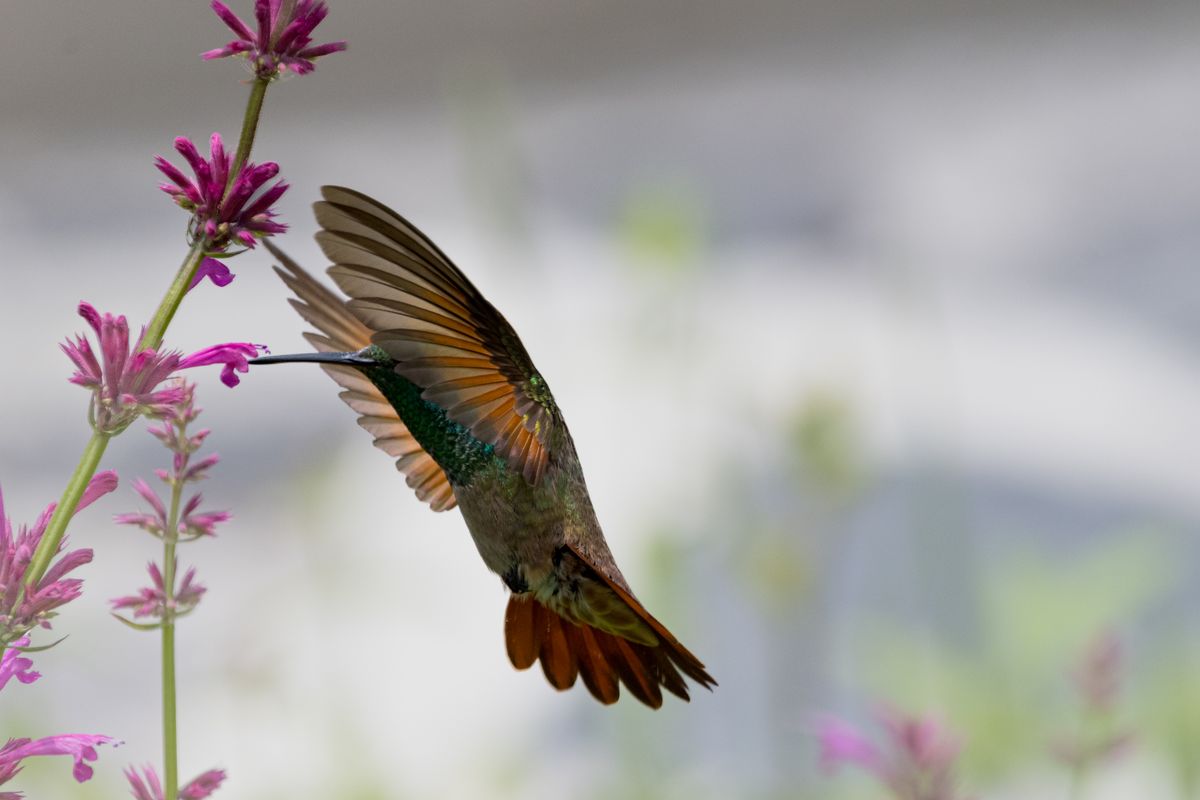
Photo by Claudia Rodriguez Casas on Pexels
Your decision: Choose a heavy-wall hand-blown glass feeder featuring a silicone gasket-sealed metal base and an overhead solar cap heat shield.
Do this next: Order the LUJII Solar-Powered Hummingbird Feeder, hang it in morning sun and afternoon shade, and fill it 95% full with cold nectar to lock in a leak-proof vacuum seal.
Related resource: Pair your leak-proof feeder with a dedicated ant moat and hang it away from heavy crosswinds for optimal summer birding.
LUJII Solar-Powered Hand-Blown Glass Hummingbird Feeder (32 fl. oz.)
Ready to eliminate messy drips and transform your outdoor garden into a hummingbird haven? Follow this step-by-step action plan to select, position, and maintain your solar feeder all summer long.
Key Takeaways for Hot-Climate Nectar Protection
Keep these essential hot-weather feeding principles in mind to maintain a clean, leak-free garden display.
Hot-Weather Feeder Specification Matrix
| Specification Parameter | Standard Plastic Feeder | Basic Glass Feeder | LUJII Solar Hand-Blown Glass |
| --- | --- | --- | --- |
| Reservoir Material & Wall Thickness | Thin Moulded Plastic (1-2mm) | Standard Machine Glass (2-3mm) | Hand-Blown Artisan Glass (4-6mm Heavy Wall) |
| Thermal Insulation Rating | Low (Heats up rapidly) | Moderate | High (Resists thermal spikes) |
| Base Construction & Seal Type | Plastic Threading (No Gasket) | Plastic/Metal (Basic Washer) | Anti-Rust Coated Metal with Sealed Silicone Gasket |
| Overhead Solar Heat Shielding | None | None | Integrated Solar Cap (Blocks direct overhead sun) |
| Nectar Capacity | 16 - 24 fl. oz. | 20 - 32 fl. oz. | 32 fl. oz. (High Capacity) |
| Nighttime Illumination | None | None | Automatic Solar RGB Multi-Mode LED (Up to 8 Hrs) |
Detailed engineering specs comparing leak-prevention capabilities, thermal shielding, and material durability across feeder styles.
Common Summer Feeding Mistakes That Cause Leaks
Avoid these four frequent mistakes to keep your feeder operating cleanly even during record heatwaves.
Frequently Asked Questions About Hot-Weather Feeders
Find expert answers to common queries about managing hummingbird feeders in high heat and sunlight.