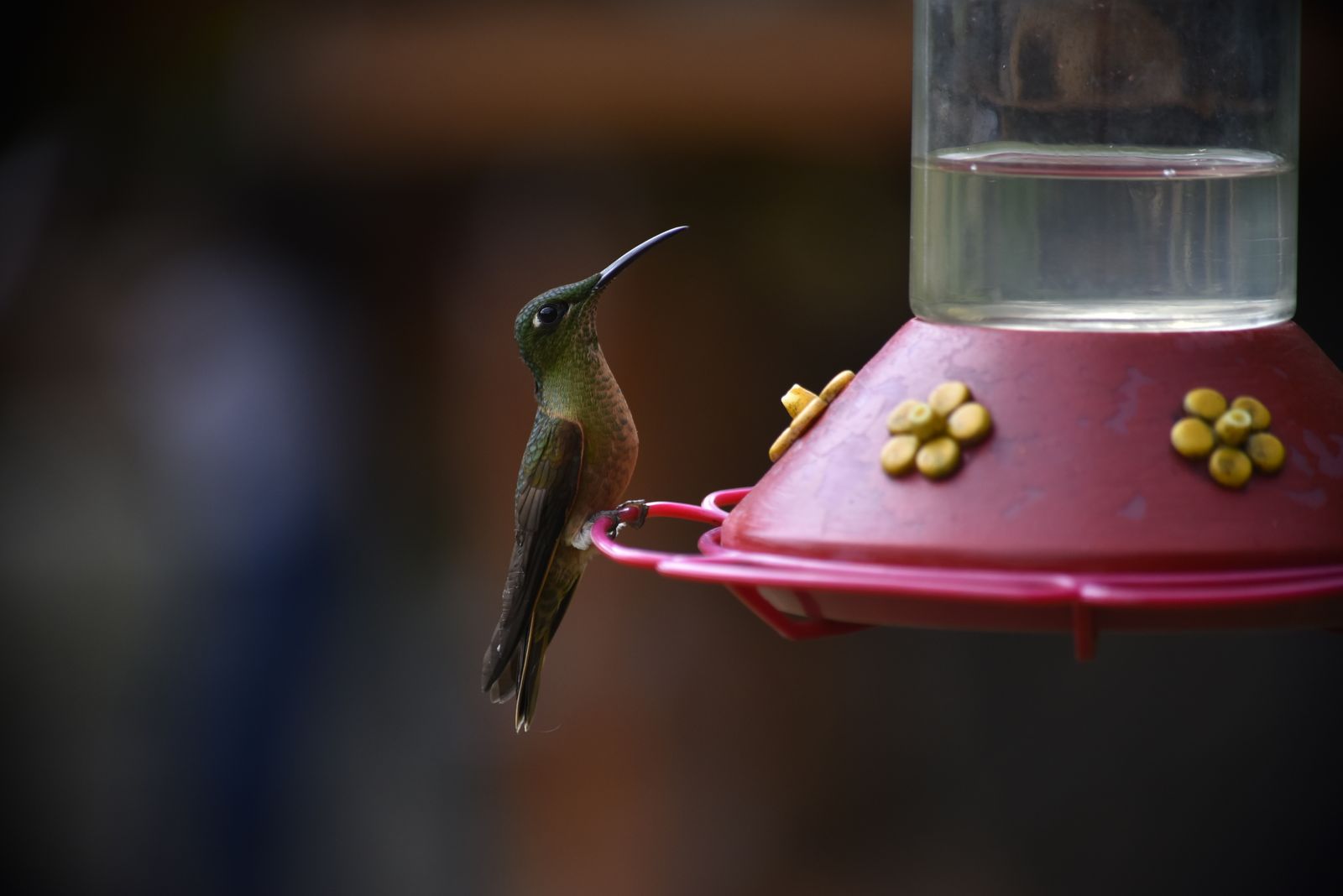
Best Leak-Proof Solar Hummingbird Feeders: Features to Look for Before You Buy
The most leak-resistant solar hummingbird feeders share four traits: a sealed base with a properly seated gasket, small clean feeding ports, a reservoir that holds its shape in heat, and a solar cap that keeps rain out of the electronics. Everything else on a spec sheet is secondary. If you check those four things before buying, you avoid the single most common complaint people have about nectar feeders.
Why do hummingbird feeders leak in the first place?
An inverted feeder holds nectar because trapped air above the liquid sits at slightly lower pressure than the air outside, and outside air pushing up at the small ports supports the nectar column. Nectar only leaves when a bird drinks and an air bubble takes its place.
That balance is fragile in exactly one way: if air can enter anywhere other than the ports, the whole thing collapses and nectar runs out under plain gravity. So every leak is really one of two stories. Either air is getting in past a bad seal, or heat has raised the pressure inside until nectar is pushed out of the ports.
A feeder built to resist leaks is therefore a feeder built around its seal and its behavior in the sun. Nothing about capacity, color, or styling changes that.
The features that actually prevent leaks
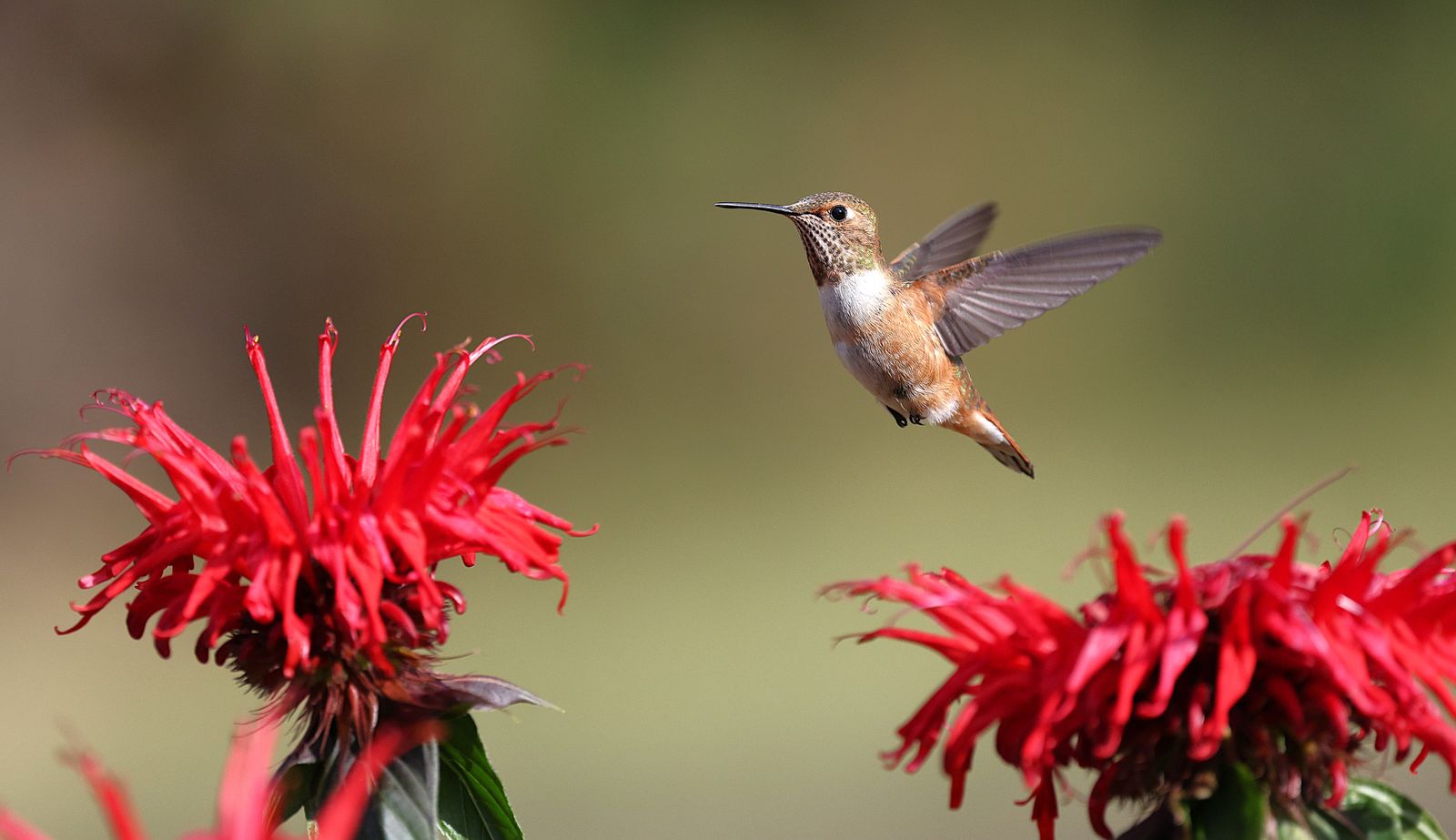
Photo by Veronika Andrews on Pexels
- A sealed base, not a loose collar. The base should thread on smoothly, seat firmly, and compress a gasket evenly all the way around.
- A gasket in a proper groove. A washer that sits in a machined channel stays put. One that floats loose on a flat surface eventually shifts and weeps.
- Small, clean feeding ports. Narrow openings hold a stable liquid film. Wide or chipped ports let air slip in past the nectar.
- A reservoir that does not distort in heat. Glass holds its shape, so the sealing rim stays true for years. This is where many feeders quietly fail after a couple of summers.
- A rigid base that carries the load. A coated metal base resists flexing under a full reservoir, and flex at the seal is a leak.
- A slender profile. A tall, narrow reservoir puts less liquid surface directly over the ports and sloshes less when the wind swings it.
- A see-through body. You cannot manage what you cannot see. A translucent reservoir shows you the level, so you can leave an air gap when filling instead of topping it to the brim.
- A waterproof solar cap. On a lighted feeder, the cap protects the panel and battery from sunlight, rain, and snow. Water inside the cap is a different failure from a nectar leak, but it ends the light just as effectively.
A pre-purchase checklist you can run in the listing
| What to look for | Why it matters | Red flag | |---|---|---| | Explicit sealed-base or leak-proof design | The seal is what stops drips | No mention of how the base closes | | Glass reservoir | Holds shape and clarity in sun | Thin unspecified plastic on a lighted feeder | | Visible nectar level | Lets you underfill and spot spoilage | Opaque or heavily tinted body | | Rigid, coated metal base | Resists flex and corrosion | Unfinished metal or flimsy plastic base | | Stated capacity | Match it to your traffic, not your ambition | No capacity given | | Weatherproof solar cap | Protects panel and battery | Light described without any weather claim | | Stated runtime after full charge | Tells you if it covers your evening | Brightness claims with no runtime | | Easy disassembly for cleaning | Determines whether it stays clean | A base that is not described as removable |
How to install a feeder so it does not drip
Do bigger feeders leak more?
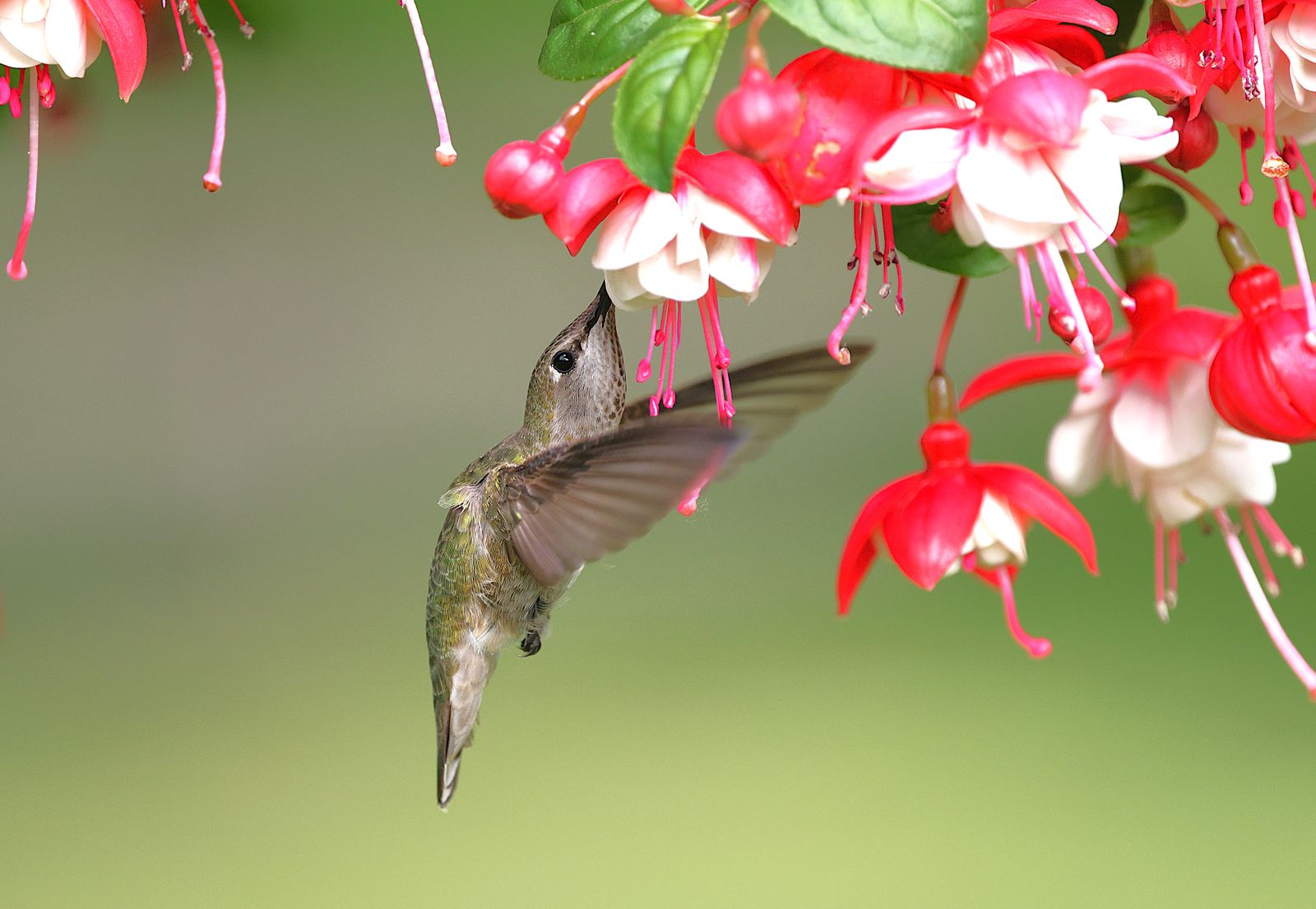
Photo by Veronika Andrews on Pexels
Not because of size, but a larger reservoir does hold more liquid pressing on the seal and more air to expand in the heat, so filling habits matter more. The practical approach with a 32 fluid ounce feeder is to treat capacity as headroom rather than as a target. Fill a few inches for a quiet week, fill more when traffic is heavy, and always leave an air gap.
That habit also solves a health problem at the same time. Nectar spoils on a schedule set by temperature, not by volume, so a large feeder filled to the top in hot weather guarantees you are either wasting nectar or serving it too long. Underfilling and changing often is better on both counts.
Maintenance that keeps a leak-proof feeder leak-proof
Empty, wash, and refill every few days, and more often in hot weather or whenever the nectar looks cloudy or shows dark specks. Use hot water and a bottle brush, and pay real attention to the ports and the sealing rim, since sugar residue there is both a leak cause and a mold site. Rinse thoroughly. Mold in sugar water is a health hazard to hummingbirds, which makes this the non-negotiable part of ownership.
Nectar is simple: one part plain white granulated sugar to four parts water, stirred until fully dissolved and cooled before filling. No red dye, no honey, no brown sugar, no artificial sweeteners.
Inspect the gasket each time you clean. Rubber and silicone eventually take a permanent set and stop springing back, and a tired gasket is usually behind a feeder that "suddenly" started dripping after a couple of good seasons. Wipe the solar cap rather than submerging it, and let everything dry before reassembly.
For background on why the reservoir material affects how long a seal keeps working, this comparison of glass and plastic feeders on durability and appearance is worth reading, and if you are still deciding how much of your effort should go to hardware versus plantings, nectar plants compared with glass solar feeders covers that trade-off.
FAQ
Is any feeder truly leak-proof? No feeder is immune to physics. A well-sealed one can still push out a few drops in extreme afternoon heat if it was filled to the brim. Leak-proof in practice means it stays dry under normal conditions when assembled correctly and filled with an air gap.
Why did my feeder start leaking after two years? Usually a gasket that has lost its spring, or a sealing rim that has distorted. Replace or reseat the gasket first, and check the rim for flatness. Feeders with glass reservoirs are less prone to the second problem because glass does not soften in the sun.
Does a leaking feeder harm the birds? Indirectly, yes. Spilled nectar draws ants, bees, and wasps to the ports, and residue on the feeder ferments and grows mold. A dry feeder is a cleaner feeder.
Should I use petroleum jelly on the threads to improve the seal? No. Grease near a bird food source can transfer to feathers, and it collects grit. A clean gasket seated in a clean groove seals better than any added substance.
A practical next step
Before buying, read the listing for one thing only: how the base seals and what the reservoir is made of. Then when the feeder arrives, run it once with plain water over a sink before you ever mix nectar, so you know its behavior before there is anything sticky to clean up.
Cover photo by gabriel ramirez on Pexels.