Best Hummingbird Feeders for Hot Climates: Preventing Fermentation & Leakage
Contrary to popular belief, simply moving a leaking feeder into the shade will not completely stop heat-driven dripping. The best hummingbird feeder for hot weather pairs thick hand-blown glass with a protective overhead solar cap and an air-tight, anti-rust metal base. Heavy glass acts as a thermal insulator against ambient heat spikes, while precision seals prevent thermal air expansion from driving nectar out of the feeding ports.
Hot Climate Decision Framework: Selecting the Right Feeder Features
To prevent nectar leaks and lethal fermentation in hot climates (90°F+), select a heavy hand-blown glass feeder with a tight-sealing anti-rust metal base and a protective solar top cap that deflects direct overhead solar radiation.
Best choice for
- 32 oz Hand-Blown Glass Feeder with Solar Top Shield — Thick handcrafted glass forged at 2,300°F provides significant thermal mass, delaying internal liquid temperature spikes while the top cap acts as a solar deflector.
- Sealed Bottom-Fill Feeder with Anti-Rust Metal Base — Air-tight metal base with silicone gaskets holds vacuum pressure during afternoon heat expansion, keeping feeding port exteriors dry and unappealing to wasps and ants.
- Thin plastic vacuum feeders, which deform under intense UV rays and expand, forcing nectar to overflow feeding ports
- Narrow-neck, unsealed glass bottles that trap heat and prove difficult to scrub clean when yeast begins multiplying
- Shaded Saucer-Style Feeders — Eliminates dripping caused by thermal vacuum breakdown, though lower capacity requires refilling multiple times daily during hot periods.
Top-Rated Hot Weather Hummingbird Feeders for Summer 2026
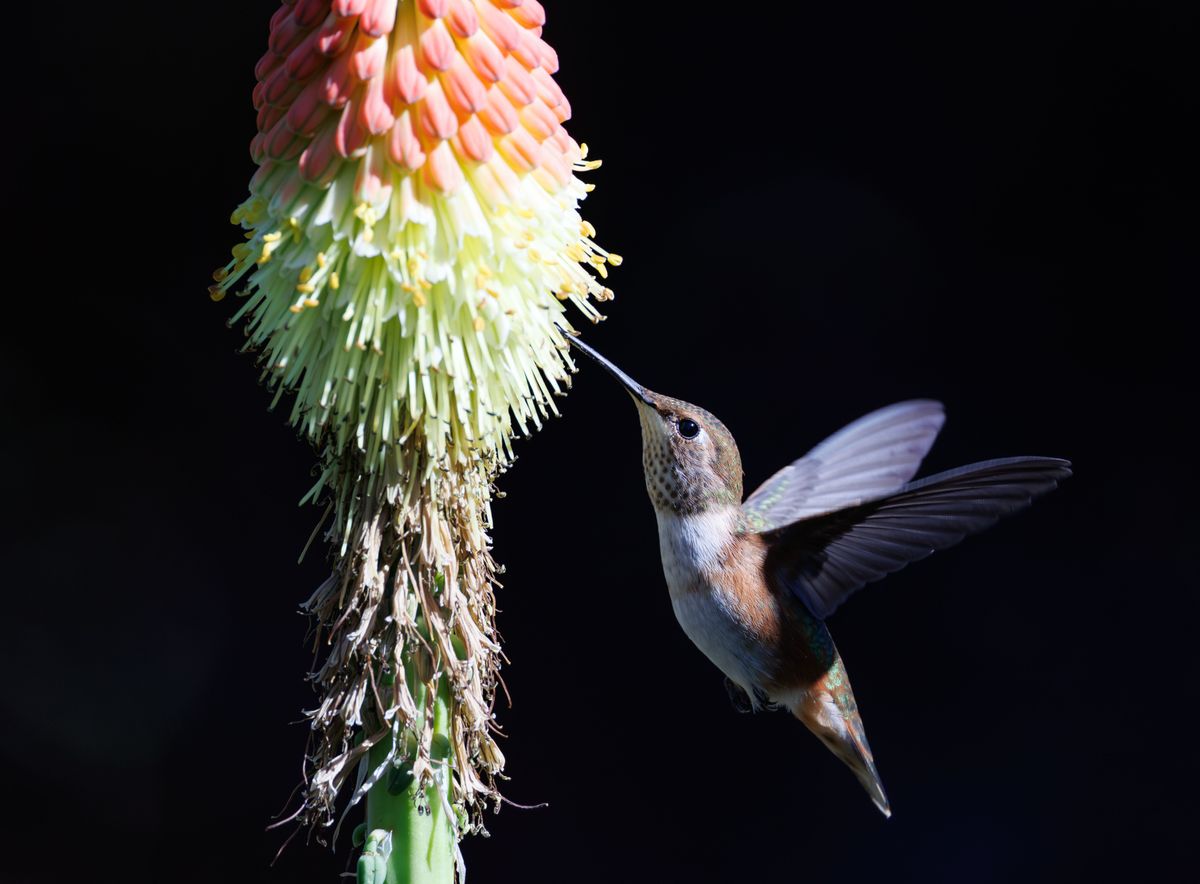
Photo by Veronika Andrews on Pexels
When selecting a feeder engineered to endure blazing summer sun without leaking or spoiling nectar, structural craftsmanship is paramount. The primary product below combines thermal-deflecting materials, leak-proof metal construction, and artistic garden aesthetics.
Hot Weather Feeder Features Compared by Scenario
| Climate & Weather Scenario | Recommended Feeder Type | Material Thermal Resistance | Leak Risk Level | Nectar Refresh Cycle |
| --- | --- | --- | --- | --- |
| Moderate Summer Heat (80°F - 89°F) | Standard Glass or Saucer Feeder | Moderate - Slow heat absorption | Low to Moderate | Every 3 to 4 Days |
| Intense Heatwaves (90°F - 98°F) | 32 oz Hand-Blown Glass + Solar Shade Cap | High - Thick glass buffers temperature spikes | Low (with precision sealed base) | Every 2 Days |
| Extreme Sun & Heat (100°F+ Direct Exposure) | Heavy Artisan Glass with Overhead Canopy Shield | Maximum - Shielded overhead sun protection | Minimal with heavy metal base seal | Every 24 Hours |
| High Humidity & Insect Swarm Conditions | Leak-Proof Anti-Rust Metal Base Feeder | High - Corrosion resistant coating | Zero exterior port seepage | Every 1 to 2 Days |
Review how different feeder materials and structural builds withstand rising outdoor temperatures. Scenario-based comparisons demonstrate why thick artisan glass outperforms budget plastic alternatives in summer environments.
Mastering Hot-Weather Nectar Care: Expert Shading & Placement Secrets
To maximize nectar freshness during peak July and August heat, placement is just as critical as feeder construction. Hang your feeder in a microclimate that benefits from natural morning sunlight and complete afternoon shade. Positioning the feeder under dense tree foliage or beneath an awning protects the reservoir from 2:00 PM to 6:00 PM—the hottest stretch of the day.
Furthermore, utilize the overhead solar cap on your feeder to its full advantage. The cap acts as a canopy umbrella, casting a perpetual shadow over the upper glass neck where expanding air pockets form. Combined with maintaining a standard 4:1 water-to-sugar nectar ratio (never add dye or alter ratios in summer), this placement strategy slows bacterial fermentation significantly.
Troubleshooting Summer Dripping & Rapid Spoilage
| Observed Problem | Underlying Heat Mechanism | Immediate Corrective Action |
| --- | --- | --- |
| Continuous dripping from feeding ports during mid-afternoon | Trapped air inside top bottle pocket expands as ambient air hits 90°F+, breaking internal vacuum seal and driving nectar down | Invert feeder, release trapped air pocket, ensure rubber base gasket is fully seated, and fill feeder with cold nectar in early morning |
| Nectar turns cloudy, white, or stringy within 24 hours | Microscopic airborne yeast spores rapidly multiply in sugar solution exceeding 85°F water temperature | Discard nectar immediately. Wash reservoir with 140°F hot water and a bottle brush. Do not use chemical bleach without extensive rinsing |
| Wasps, yellowjackets, and ants swarming port openings | Microscopic heat-drips evaporate on exterior metal ports, leaving sticky sugar residue | Wipe outer metal base clean with plain water daily; install an ant moat above the solar hanging hook |
| Base metal shows signs of rust or oxidation after heavy rain | High ambient air moisture reacts with raw un-coated metals | Upgrade to an anti-rust powder-coated metal base and inspect outer seal rings annually |
When high temperatures cause your feeder to malfunction, identify the physical mechanism behind the issue to apply the permanent fix.
Hand-Blown Solar Glass vs. Standard Inverted Plastic Feeders in High Heat
Pros
- Thick hand-blown glass provides superior thermal insulation compared to thin plastic
- Integrated solar top cap acts as an overhead sunshade while powering ambient night lighting
- Sealed metal base with rust-proof coating maintains vacuum pressure under heat expansion
- 2,300°F forged glass is non-porous, resisting mold spore absorption and clouding
- Artisanal color patterns enhance garden aesthetics year-round without fading under UV light
- Heavy hand-blown glass requires a sturdy hanging shepherd's hook or solid branch
- Higher initial investment than basic mass-produced plastic feeders
Editor's Pick for Hot Climates: LUJII Hand-Blown Solar Feeder
For garden owners in hot, sunny regions who refuse to compromise on either bird safety or visual beauty, the LUJII Solar-Powered Hand-Blown Glass Hummingbird Feeder is our top recommendation for 2026.
Its 32 fl. oz. handcrafted glass body features generous wall thickness that protects nectar from swift temperature spikes. The protective top solar cap shields the reservoir from direct overhead solar rays while charging an internal battery that illuminates RGB LED lights at dusk. Finished with a leak-proof, anti-rust metal base assembly, this feeder solves hot-weather dripping while transforming your nighttime backyard into a magical haven.
Upgrade Your Garden with the LUJII Solar Glass Hummingbird Feeder
Your Hot Climate Setup Strategy: Immediate Steps
Your decision: Choose a heavy hand-blown glass feeder featuring an integrated solar shade cap and an anti-rust metal base seal to prevent thermal dripping.
Do this next: Mount your feeder in a location receiving morning sunlight and afternoon shade, and adjust nectar replacement frequency based on daily high temperatures.
Related resource: How to Hang Your Solar Hummingbird Feeder to Block Ants and Crawling Insects
LUJII Solar-Powered Hand-Blown Glass Hummingbird Feeder (32 fl. oz)
Ready to protect your yard's hummingbirds this summer? Follow this action strategy to deploy your hot-weather feeder system.
Essential Rules for Hot-Weather Hummingbird Feeding
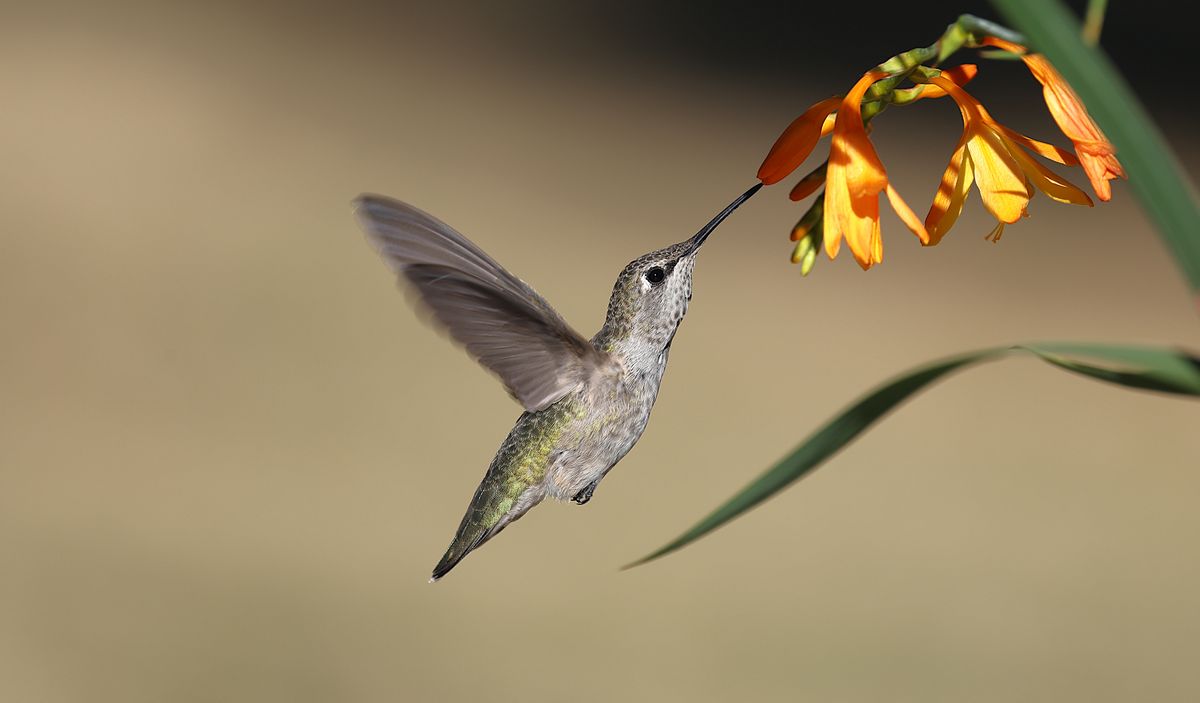
Photo by Veronika Andrews on Pexels
Keep these core principles in mind when operating hummingbird feeders in high summer temperatures:
Hot Weather Durability & Material Specification Matrix
| Specification Parameter | LUJII Solar Glass Feeder | Standard Plastic Vacuum Feeder |
| --- | --- | --- |
| Reservoir Material | Hand-blown glass crafted at 2,300°F (Thick Wall) | Thin blow-molded PET / Polycarbonate plastic |
| Liquid Capacity | 32 fl. oz. (1 Liter) | 16 to 24 fl. oz. |
| Base Construction | Coated Anti-Rust Sealed Metal Assembly | Friction-fit snap plastic base |
| Overhead Shade Shield | Integrated Waterproof Solar Module Cap | None (Exposed Top Cap) |
| Nighttime Illumination | Automated RGB Multi-Mode LED Light (up to 8 hrs) | None |
| UV Resistance | 100% UV Impervious (Will not turn yellow or crack) | Prone to UV embrittlement and discoloration |
| Leak Control Mechanism | Precision Thread Gasket Base Seal | Basic Gravity Vacuum Pressure Seal |
Compare structural specifications between high-grade handcrafted solar glass feeders and mass-market plastic models.
Critical Mistakes to Avoid During Summer Heatwaves
Avoid these frequent summer feeder mistakes to protect both your equipment and visiting birds:
Recommended Summer Hummingbird Care Topics
Explore these complementary guides to optimize your summer garden setup:
- Hot Weather Nectar Ratios: How to Keep Hummingbird Food Fresh in Summer
- Preventing Garden Insects: How to Hang Your Solar Hummingbird Feeder to Block Ants
- Hand-Blown Glass vs Plastic: Why Artisan Glass Craftsmanship Protects Nectar Quality
- Feeder Maintenance: Gasket Care and Cleaning FAQs for Drip-Free Operations
Hot Weather Hummingbird Feeder FAQs
Answers to common questions about operating solar hummingbird feeders during hot summer weather.
Final Summary & Next Steps
Your decision: Invest in the LUJII Solar-Powered Hand-Blown Glass Hummingbird Feeder for maximum heat resistance and leak prevention.
Do this next: Switch to a 24-48 hour nectar replacement cycle during peak heatwaves and clean base seals regularly with warm water.
Related resource: How to Hang Your Solar Hummingbird Feeder to Block Ants and Crawling Insects
LUJII Solar-Powered Hand-Blown Glass Hummingbird Feeder (32 fl. oz)
By selecting a feeder built with heavy handcrafted glass, precision metal base seals, and a protective solar canopy, you can enjoy vibrant hummingbirds by day and enchanting RGB illumination by night without dealing with summer leaks.
Cover photo by Veronika Andrews on Pexels.