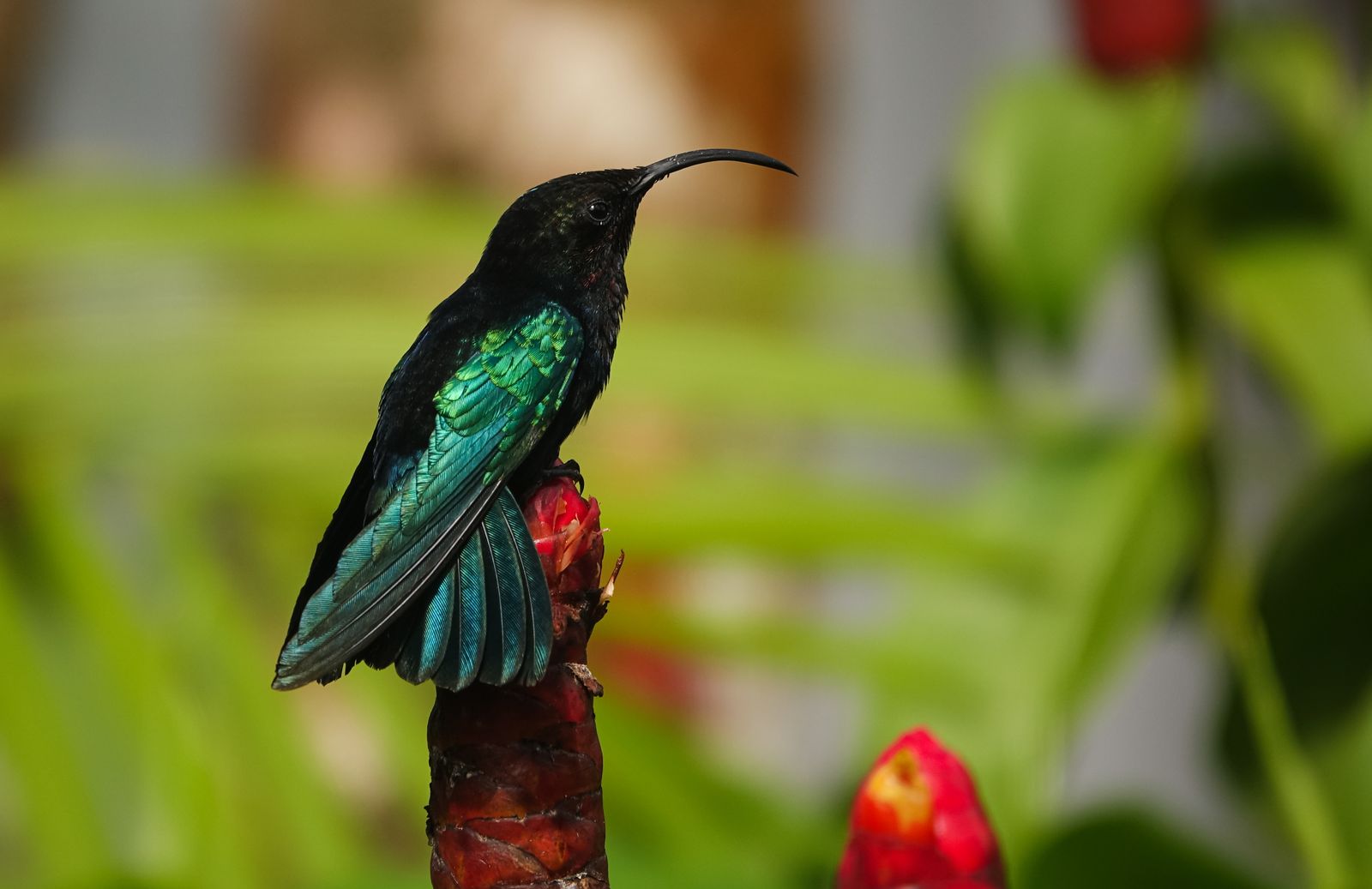
Solar vs. Traditional Hummingbird Feeders: Which Makes the Best Housewarming Gift?
A solar hand-blown glass hummingbird feeder is the superior housewarming gift because it combines vibrant daytime hummingbird attraction with magical ambient RGB garden lighting at night. Unlike plain plastic or unlit feeders that look utilitarian, an artisan solar glass feeder acts as a stunning piece of outdoor art immediately out of the box, delighting new homeowners through every hour of the day.
Solar vs. Traditional Housewarming Feature Scorecard
| Evaluation Criteria | LUJII Solar Hand-Blown Glass Feeder | Traditional Plastic / Basic Glass Feeder |
| --- | --- | --- |
| Unboxing & Aesthetic Impact | Exceptional: Handcrafted 2,300°F colorful artisan glass looks like luxury garden sculpture. | Moderate to Low: Mass-produced plastic or plain clear glass often feels utilitarian. |
| Nighttime Garden Functionality | 8 Hours Auto-Illumination: Multi-color RGB lighting lights up patios and flower beds after sunset. | None: Becomes invisible in the dark once birds go to roost. |
| Wildlife Attraction (Daytime) | High: Translucent colorful glass patterns catch sunlight to lure hummingbirds from a distance. | Moderate: Relies mostly on red plastic accent pieces or colored liquid. |
| Base & Weather Durability | Heavy-Duty: Anti-rust coated metal base with protective waterproof solar cap withstands wind and rain. | Variable: Plastic bases can crack, fade, or warp in high UV or winter freezes. |
| Nectar Capacity & Leak Prevention | 32 fl. oz Capacity: Slender silhouette with a precision-sealed leak-proof base prevents drips. | 8–16 fl. oz Capacity: Lightweight designs frequently drip when swaying in summer wind. |
| Gifting Versatility | 2-in-1 Dual Function: Functions as both a active bird feeder and outdoor night decor. | Single Purpose: Strictly a seasonal bird feeding accessory. |
This side-by-side scorecard evaluates solar RGB hand-blown glass feeders against traditional plastic and basic glass feeders across key gifting criteria.
Pros & Cons: Weighing Your Gift Options
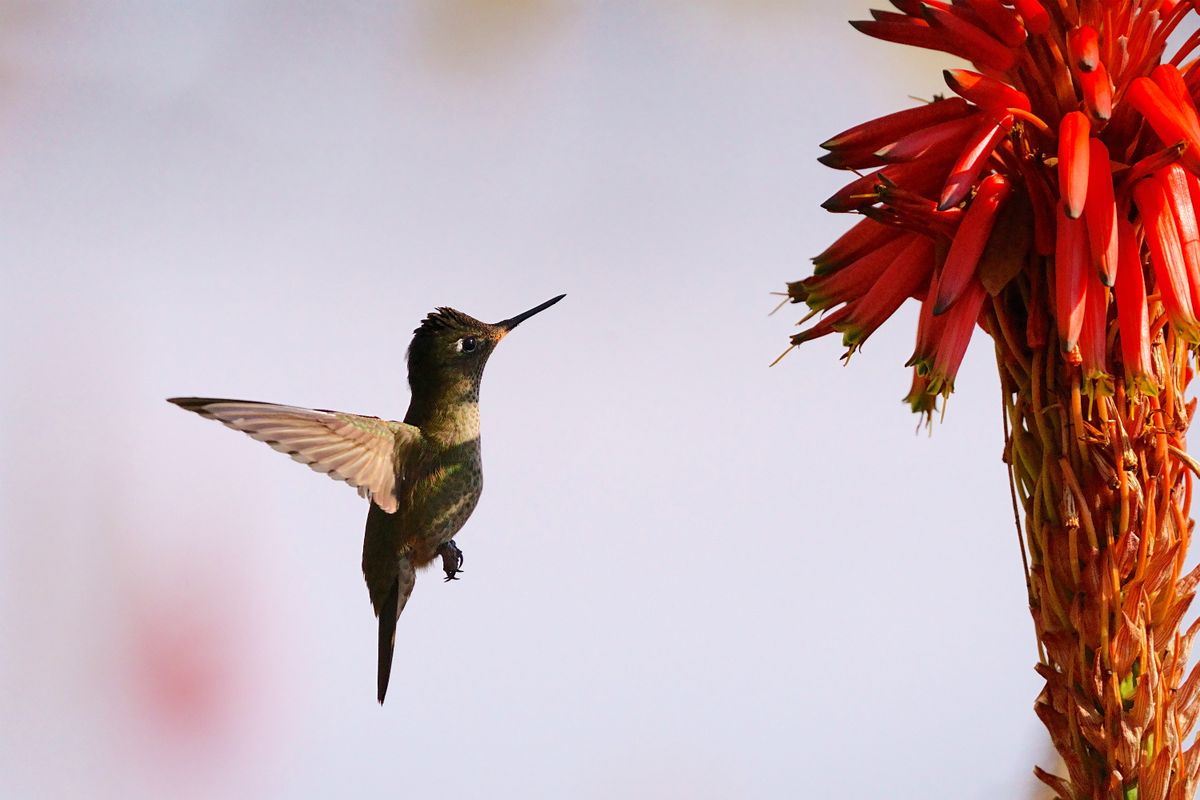
Photo by Leonardo Merlo on Pexels
Pros
- Delivers dual value: daytime bird magnet and glowing RGB evening garden art.
- Hand-blown glass crafted at 2,300°F ensures no two feeders are identical.
- Generous 32 oz nectar capacity reduces refilling frequency for busy homeowners.
- Sealed, leak-proof metal base prevents sticky drips and unwanted ant swarms.
- Built-in protective solar cap shields nectar from sunlight warmth, rain, and snow.
- Slightly heavier than plastic models, requiring a sturdy tree branch or shepherd's hook.
- Requires 6–8 hours of direct daytime sunlight to achieve full nighttime LED brightness.
Expert Insider Tip: Do Nighttime RGB Lights Disturb Hummingbirds?
A common concern among gift buyers is whether nighttime LED lights startle birds or disrupt their sleep cycles. In reality, hummingbirds retreat to high, sheltered tree roosts at sunset and enter a state of deep energy-saving sleep called torpor. Because they do not feed in the dark, the soft, low-lumen RGB illumination of a solar feeder turns on long after the birds have settled for the night. The gentle ambient glow simply transforms the feeder into glowing garden decor for human enjoyment during twilight patio relaxation, without attracting excess nocturnal pests or disturbing resting wildlife.
Our Top Pick for Housewarming Gifting: LUJII Solar Glass Feeder
If you want to give a gift that evokes an genuine 'wow' reaction during unboxing, the LUJII Solar-Powered Hummingbird Feeder is the clear winner. Featuring a generous 32 fl. oz reservoir of handcrafted hand-blown glass, an anti-rust metal base, and an automated solar RGB light cap, it turns any patio, porch, or backyard into a sanctuary day and night.
Which Feeder Should You Gift? Decision Flowchart
- Does the recipient's patio or yard receive at least 4-6 hours of direct daily sunlight? → Yes: Choose the LUJII Solar Hand-Blown Glass Feeder for dual daytime birding and automated evening RGB glow.. No: Go to Next Question
- Is the recipient looking for artisan decorative art to elevate outdoor curb appeal? → Yes: Choose a Hand-Blown Glass Feeder (Solar cap can still charge in partial sun or act as a vibrant stained-glass accent).. No: A basic traditional plastic feeder may suffice for utility-focused feeding in deep shade.
Frequently Asked Questions About Gifting Solar Feeders
Answers to essential questions about durability, nighttime lighting, and gift presentation.
Key Takeaways for Housewarming Gift Shoppers
Keep these core principles in mind when selecting a hummingbird feeder gift for a new home:
Decision Framework: Matching the Feeder to the Homeowner
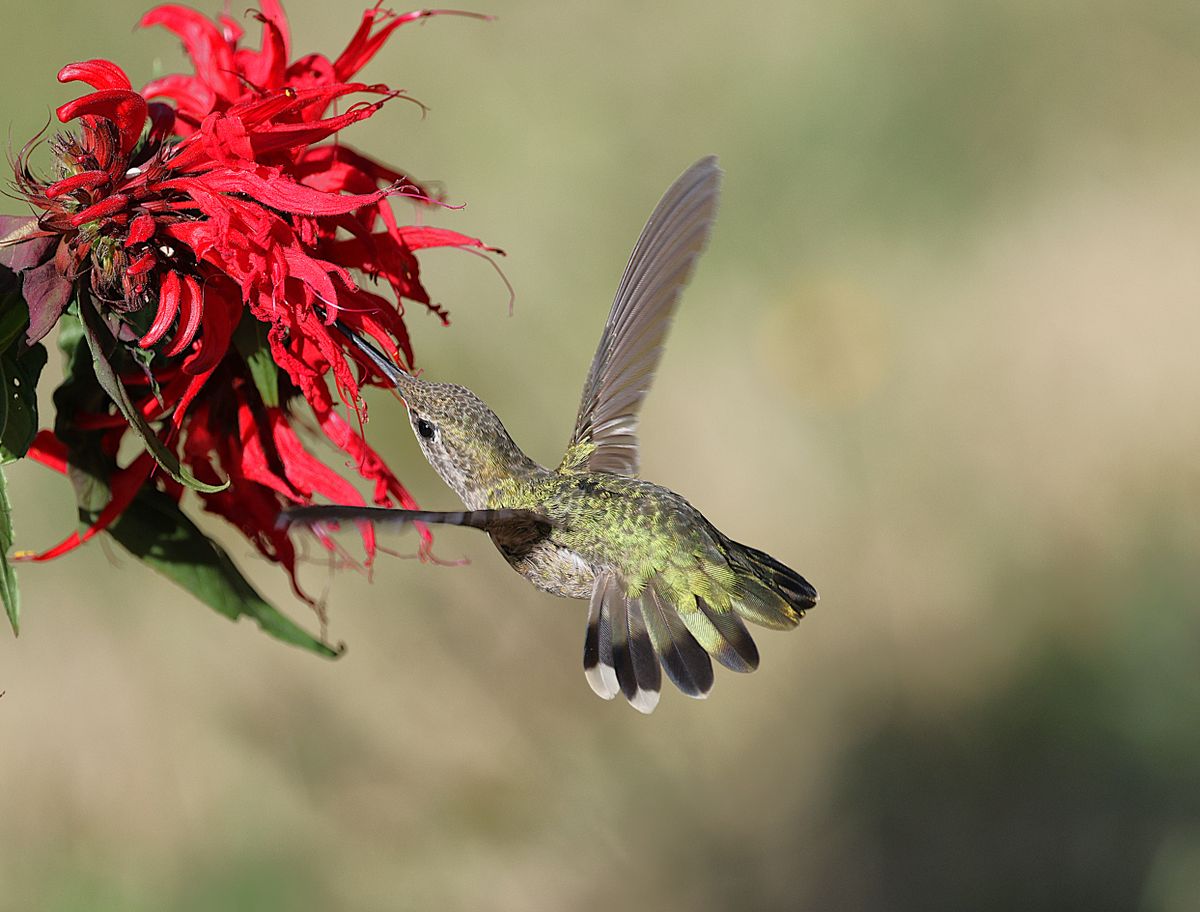
Photo by Veronika Andrews on Pexels
Solar hand-blown glass hummingbird feeders deliver superior emotional and practical value as housewarming gifts by combining daytime wildlife attraction with evening outdoor ambiance.
Best choice for
- LUJII Solar Hand-Blown Glass Feeder — Provides daytime bird watching and doubles as glowing ambient patio lighting for outdoor dinner parties.
- Handcrafted Artisan Glass Feeder — Each 2,300°F blown-glass vessel features one-of-a-kind color swirls that rival gallery artwork.
- The recipient's outdoor space is completely enclosed in a dense, dark courtyard with zero access to natural sunlight.
- Unlit Artisan Glass Feeder — Suitable for 100% shaded covered porches where solar charging is impossible.
Real-World Gifting Scenarios
Suburban Housewarming Party — Gift the LUJII Solar Glass Feeder alongside a shepherd's hook and a handwritten 4:1 nectar recipe card. It creates an instant focal point in a newly landscaped yard.
Urban Townhouse Balcony — Hang the feeder near railing flower boxes where the solar panel catches afternoon sunlight, providing vibrant color to compact outdoor seating areas.
Retirement or Country Home Move — The large 32 oz capacity minimizes refill trips, while the translucent glass makes checking nectar levels easy from kitchen or sunroom windows.
Here is how solar hand-blown glass feeders perform across three popular real-world home setups:
The Unboxing Impact: Why Artisan Glass Outshines Plastic
When a new homeowner unwraps a housewarming present, the initial visual impression sets the tone. Traditional plastic feeders often feel disposable, featuring thin red moldings that yellow or crack after a single season under intense sun exposure. In contrast, a hand-blown glass feeder arrives as a substantial, heirloom-quality art piece.
Crafted by master glass artists who shape molten glass at extreme temperatures reaching 2,300°F, each reservoir displays unique curves, swirled color palettes, and luminous clarity. The translucent finish allows light to pass through during daytime hours, creating striking stained-glass reflections across patio stones and lawn spaces. Even before the first hummingbird arrives, the feeder enhances outdoor curb appeal.
Dual Functionality: From Daytime Bird Magnet to Evening Ambiance
Traditional feeders serve a single purpose: attracting birds between dawn and dusk. Once the sun sets, they blend into the dark foliage. A solar-powered feeder completely redefines this dynamic.
Equipped with an integrated solar panel and a rechargeable battery hidden beneath a waterproof protective cap, the feeder harvests energy throughout the daylight hours. As twilight falls, the automated sensor engages multi-colored RGB lighting modes. The glowing glass sphere casts a soft, enchanting radiance across surrounding garden plants and outdoor entertaining areas for up to 8 hours. It seamlessly transitions from a daytime wildlife station into ambient patio decor ideal for evening gatherings.
Practical Engineering: Leak-Proof Bases and Weather Shielding
Beyond beauty, functionality remains crucial for new homeowners who want low-maintenance enjoyment rather than outdoor chores. A common flaw in low-end traditional feeders is a flimsy base that drips when swayed by summer breezes, spilling sticky sugar syrup that attracts ants, wasps, and bees.
Quality solar glass feeders solve this through precision engineering:
- Sealed Slender Base: The narrow bottle neck fits securely into a precision-molded metal base lined with anti-rust coatings and high-grade seals, ensuring nectar stays contained.
- 32 fl. oz Capacity: The expansive fluid capacity means fewer refills without compromising the feeder's elegant visual balance.
- Weather Protective Top: The durable solar cap shields the glass neck and nectar from direct overhead solar heating, rain dilution, and snow, keeping the sugar water fresh longer.
How to Present the Ultimate Hummingbird Housewarming Gift
To turn your gift into a complete outdoor experience, consider pairing the feeder with a few thoughtful setup accessories. Wrap the box with an outdoor S-hook or heavy-duty shepherd's hook so the recipient can hang it immediately. Slip a handwritten enclosure card inside containing the safe, classic DIY nectar formula: simply mix 1 part refined white table sugar into 4 parts warm water until dissolved (no artificial red dye needed). This simple touch gives new homeowners everything required to welcome winged visitors to their new sanctuary on day one.
Featured Hand-Blown Solar Hummingbird Feeders
Explore the primary solar-powered artisan feeder designed for beauty, durability, and bird attraction:
Your Housewarming Gifting Action Plan
Your decision: Select a handcrafted solar hand-blown glass hummingbird feeder to deliver an immediate unboxing 'wow' factor, daytime wildlife enjoyment, and charming RGB evening lighting.
Do this next: Visit solarhummingbirdfeeder.com to explore handcrafted glass colorways, select the LUJII Solar Feeder, and print a custom 4:1 nectar recipe gift card.
Related resource: Downloadable Printable Gift Card: DIY 4:1 Nectar Recipe & Solar Feeder Setup Guide.LUJII Solar Hand-Blown Glass Hummingbird Feeder (32 oz Capacity, Anti-Rust Metal Base, Multi-Color RGB Solar Cap).
Follow these simple steps to select and deliver an unforgettable garden gift for your friends or loved ones.
Related Guides for Garden & Bird Enthusiasts
Internal link list for deeper exploration of solar garden styling and feeder care.
Cover photo by Adrien Stachowiak on Pexels.