Shepherd's Hooks vs. Pergola Mounts: Which Pathway Placement Works Best for Solar Feeders?
Shepherd's hooks excel along open garden pathways where unobstructed, 6+ hours of direct sunlight is needed for solar charging, whereas pergola mounts offer superior wind stability and height clearance for heavy 32 oz glass feeders but require extension arms if roof overhangs cast shade.
At-a-Glance Comparison: Pathway Performance Metrics
| Evaluation Criteria | Shepherd's Hook (Ground-Anchored) | Pergola Mount (Structure-Attached) |
| --- | --- | --- |
| Direct Sunlight Access | Optimal: 360-degree unshaded sky access in open lawn and flower bed borders. | Conditional: Requires an extension arm if pergola roof overhang casts shadows. |
| Weight Capacity (32 oz Glass) | Requires heavy-duty 1/2-inch solid steel with double or quad ground step-in prongs. | High structural capacity directly bolted into overhead timber beams. |
| Pathway Head Clearance | 5 to 6 feet height; positioned 12-18 inches off walking path centerline. | 7+ feet overhead clearance, keeping path clear of accidental bumps. |
| Ant & Crawling Pest Protection | Easy to add inline water moat above solar cap; ground isolation helps reduce pests. | Requires water moat; higher risk of ant trails traveling down main wooden beams. |
| Nighttime RGB Illumination | Casts a low ground light ring onto pathway stones, turf, and flower borders. | Elevated canopy diffusion creating ambient downward glow over patio walkways. |
| Seasonal Mobility | Highly mobile; pull step-prong anchor from soil to follow seasonal sun angles. | Fixed position; requires repositioning mounting screws and brackets to relocate. |
When placing illuminated glass hummingbird feeders along walkway borders, hardware selection dictates solar runtime, pedestrian clearance, and bird safety. Below is a side-by-side evaluation of shepherd's hooks versus pergola mounts across six core criteria.
Pros and Cons of Each Pathway Mount
Pros
- Shepherd's Hook: Ideal for unshaded garden beds adjacent to walkways where solar caps capture maximum overhead sun.
- Shepherd's Hook: Easily moved to adjust for seasonal sun shifts or garden redesigns.
- Pergola Mount: Exceptional wind resistance, preventing top-heavy filled glass reservoirs from swaying heavily in gusts.
- Pergola Mount: Keeps high-traffic pedestrian paths completely unobstructed at foot level.
- Shepherd's Hook: Flimsy single-prong models can tilt or sag in damp soil under 3+ lbs of glass and liquid nectar.
- Pergola Mount: Roof eaves, rafters, and climbing vines can shade top-mounted solar panels, reducing nighttime RGB battery charge.
Expert Tip: Managing Sun Angles Under Structure Overhangs
Overhang shade is the number one cause of depleted batteries in solar garden decor. Solar cap micro-panels require direct sunlight between 10 AM and 4 PM to achieve a full 8-hour RGB lighting cycle. If mounting to a pergola or gazebo beam with a roof overhang greater than 6 inches, install a 12- to 18-inch swivel extension arm pointing toward the South or West sky. This pushes the solar panel clear of structural drip lines and eaves into unshaded daylight.
The Top Recommendation for 32 oz Artisan Glass Feeders
For multi-port hand-blown glass models like the LUJII Solar-Powered Hummingbird Feeder, a heavy-duty double-pronged shepherd's hook installed 18 inches off a sunny garden path delivers the ultimate balance of solar battery charging and stable visual presentation. Its 32 fl. oz capacity and handcrafted 2,300° glass construction carry substantial weight; ground anchoring into firm soil ensures safety while allowing the top solar panel unhindered exposure to sunlight.
Decision Flowchart: Which Mount Matches Your Pathway?
- Is your walkway covered by a pergola, gazebo, or porch roof? → Yes: Go to Question 2. No: Choose Heavy-Duty Double-Prong Shepherd's Hook
- Does the roof overhang extend more than 12 inches past the outer support beam? → Yes: Go to Question 3. No: Choose Direct Beam Pergola Mount
- Can you attach an 18-inch swivel extension arm facing South or West? → Yes: Choose Pergola Extension Mount. No: Choose Ground Shepherd's Hook placed in sunny lawn border
Next Steps for Pathway Installation
Your decision: Determine whether your pathway receives direct sky exposure or is shaded by architectural eaves.
Do this next: Measure your walkway clearance (aim for 5-6 feet high and 12+ inches off the walking path) and verify 6 hours of unshaded sunlight on the solar cap.
Related resource: Hand-Blown Glass Solar Hummingbird Feeders: A Buyer's Guide to Artisan Garden Lighting
Check out the LUJII Solar-Powered Hand-Blown Glass Hummingbird Feeder (32 fl oz) with RGB Nighttime Ambiance.
Follow these practical preparation steps to get your feeder ready for flight traffic and nighttime illumination.
Key Placement Takeaways
- Solar Collection: Solar feeder caps require at least 6 hours of unobstructed sunlight between 10 AM and 4 PM for maximum nighttime RGB glow.
- Weight Handling: A filled 32 fl. oz. hand-blown glass feeder weighs over 3 pounds; shepherd's hooks must feature thick solid steel with double or quad step-in ground anchors.
- Clearance Distance: Position feeders 12 to 18 inches off the main walking path edge at a height of 5 to 6 feet to prevent human collisions and startling birds.
- Pest Control: Structural mounts give ants easy bridge routes; always install an inline water moat above the feeder solar cap regardless of mounting style.
Frequently Asked Questions
Answers to critical installation and maintenance questions for pathway solar hummingbird feeders.
Printable Pathway Installation Pocket Guide
- Sunlight Clearance: Verify 6+ hours of unshaded overhead exposure on the top solar panel.
- Weight Check: Ensure mount hardware comfortably supports 3.5 lbs total weight (nectar + glass).
- Hanging Height: Position feeding ports 5 to 6 feet above ground level for easy access and viewing.
- Path Offset: Set hook base 12 to 18 inches outside high-traffic footpaths.
- Ant Defense: Add an inline water moat between mount hook and feeder solar cap.
- Ground Anchor: Drive step-in prongs fully into firm, unsoftened soil until flush with turf.
Visualizing Sun Angles and Path Clearance
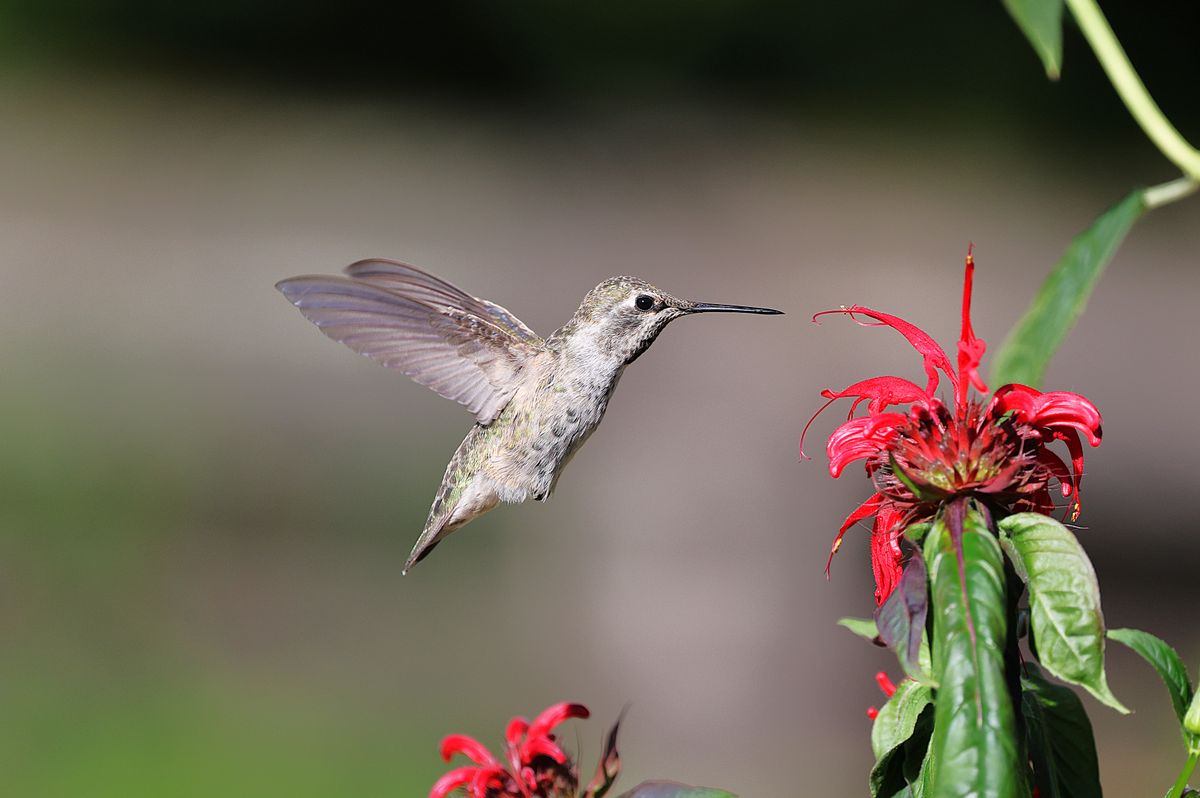
Photo by Veronika Andrews on Pexels
This visual blueprint illustrates direct sun trajectory requirements, clearance buffers, and lighting throw for both mounting methods along a garden walkway.
Pathway Mount & Sunlight Calculator
Use this interactive planning tool logic to determine if your pathway location receives enough direct sunlight under structural overhangs.
Detailed Decision Support Matrix
Shepherd's hooks are ideal for unshaded pathway edges needing maximum direct sunlight for solar charging. Pergola mounts are best for covered walkways where wind protection and fixed overhead clearance are paramount.
Best choice for
- Shepherd's Hook — Provides full 360-degree solar access without overhead shade interference.
- Pergola Mount — Offers rock-solid structural support and clean overhead clearance for walkways.
- Avoid shepherd's hooks on hard surface pathways (brick, concrete) lacking adjacent soil for deep ground prongs.
- Avoid pergola mounts if deep roof eaves block southern and western sunlight completely without extension options.
- Wall-Mounted Swivel Arm — Great for brick or timber walls alongside sunny garden pathways.
Real-World Pathway Scenarios
High-Wind Suburban Walkway — Select a pergola mount bolted to a solid beam, or an extra-thick 1/2-inch solid steel shepherd's hook with quad step-in ground anchors pushed deep into firm turf.
Narrow 3-Foot Stone Path — Opt for an elevated pergola mount with a top swivel hook, keeping the path entirely clear of pole bases so pedestrians won't brush against delicate glass.
Dappled Shade Pergola Walkway — Mount a 18-inch extension bracket extending outward toward the sunny southern lawn edge to catch maximum daytime light for the solar cap.
Specific garden environments demand tailored installation strategies to preserve both function and beauty.
Lining a garden walkway with illuminated solar hummingbird feeders combines wildlife watching with evening landscape art. However, achieving success requires balancing solar energy requirements with practical garden ergonomics and bird behavioral ecology.
The Physics of Solar Charging Along Pathways
Solar-powered feeders store energy using photovoltaic micro-cells built directly into the protective cap above the glass reservoir. During peak daytime hours (10 AM to 4 PM), these panels convert sunlight into electrical energy stored in internal rechargeable batteries. When twilight falls, an automated light sensor activates RGB LEDs that diffuse light downward through the reservoir.
When positioned along open pathway borders on a shepherd's hook, solar caps receive unimpeded 360-degree sunlight. However, when mounted beneath pergolas, arbors, or roof overhangs, structural beams create moving shadows. A shadow covering even 25% of a small solar panel can reduce power generation by more than half. To counteract this effect on covered structures, extension brackets must push the solar cap out beyond the roof drip line into direct sunlight.
Weight Considerations and Artisan Hand-Blown Glass
Handcrafted glass feeders feature thick, durable walls formed at temperatures exceeding 2,300 degrees Fahrenheit. While this artistic craftsmanship ensures weather resistance and vibrant colors, it adds physical weight. A 32 fl. oz capacity reservoir holds 2 pounds of liquid nectar alone, bringing total filled weight to over 3.5 pounds.
- Shepherd's Hooks: Standard single-prong hooks made from thin hollow tubing bend under this weight, tilting the feeder and causing nectar spills through the feeding ports. Always choose heavy-duty 1/2-inch solid steel hooks equipped with double or quad step-in anchor prongs.
- Pergola Mounts: Overhead wooden or steel beams easily support heavy liquid weight without sagging, making them structurally superior during heavy summer storms.
Hummingbird Sightlines and Pathway Lighting Aesthetics
Hummingbirds are highly territorial and wary of human traffic. Placing feeders 5 to 6 feet high ensures birds feel secure while feeding. Positioning the feeder 12 to 18 inches off the edge of walking paths creates a safe buffer distance.
At night, the hand-blown glass disperses multi-colored RGB lighting across surrounding surfaces. Shepherd's hooks illuminate flower beds, low pathway foliage, and walkway stones in a magical circular ring. Pergola mounts elevated overhead produce a broad canopy effect, casting soft downlight across patio tiles and outdoor dining areas.
Related Lighting & Pathway Design Guides
- Shepherd's Hook vs. Tree Branch Feeder Hanging: Solar Glass Feeder Mounting Guide
- The Ultimate Guide to Solar Hummingbird Feeders: Placement, Lighting, and Care
- Best Solar Hummingbird Feeders for Nighttime Garden Ambiance (2025 Buying Guide)
Recommended Artisan Solar Hummingbird Feeders
Transform your garden path with handcrafted glass art that lights up the night sky and attracts vibrant hummingbirds.
Summary & Immediate Action Plan
Your decision: Choose the shepherd's hook for open sunny borders or the pergola mount for wind-sheltered covered structures.
Do this next: Verify 6 hours of unshaded sunlight on your solar panel cap and order your chosen mounting hardware along with an inline ant moat.
Related resource: Hand-Blown Glass Solar Hummingbird Feeders: A Buyer's Guide to Artisan Garden Lighting
Elevate your walkway with handcrafted glass art that lights up the night. Explore the 🌟 LUJII Solar-Powered Hummingbird Feeder 🌟 collection today and transform your garden paths!
Follow these steps to complete your setup and enjoy stunning garden lighting.
Cover photo by Veronika Andrews on Pexels.