Prevent Hummingbird Feeder Thermal Shock: Hand-Blown Glass Care Guide
Can sudden temperature changes shatter your hand-blown glass hummingbird feeder? Yes. Hand-blown glass feeder reservoirs break from thermal shock when the glass temperature shifts by more than 40°F (22°C) instantly. To prevent cracking, always cool boiled sugar nectar to room temperature (68°F–75°F) before filling, wash solar glass reservoirs in lukewarm water, and never expose sun-warmed glass to cold tap water rinses.
Essential Pre-Cleaning & Refilling Thermal Safety Checklist
- [ ] Verify sugar nectar has cooled completely to room temperature (below 75°F / 24°C). Never pour warm or hot syrup.
- [ ] Allow direct-sun-baked glass feeders to sit indoors in shade for 10–15 minutes before washing.
- [ ] Set sink water to lukewarm (70°F–80°F). Feel water on wrist before spraying the reservoir.
- [ ] Ensure the solar top cap is removed and placed on a dry towel to protect electronic seals from water shock.
- [ ] Inspect hand-blown glass body for invisible micro-fissures or stress hairline cracks before filling.
- [ ] Hang cleaned, filled feeder back outside during moderate ambient temperature transitions.
Printable Glass Care & Thermal Shock Quick Sheet
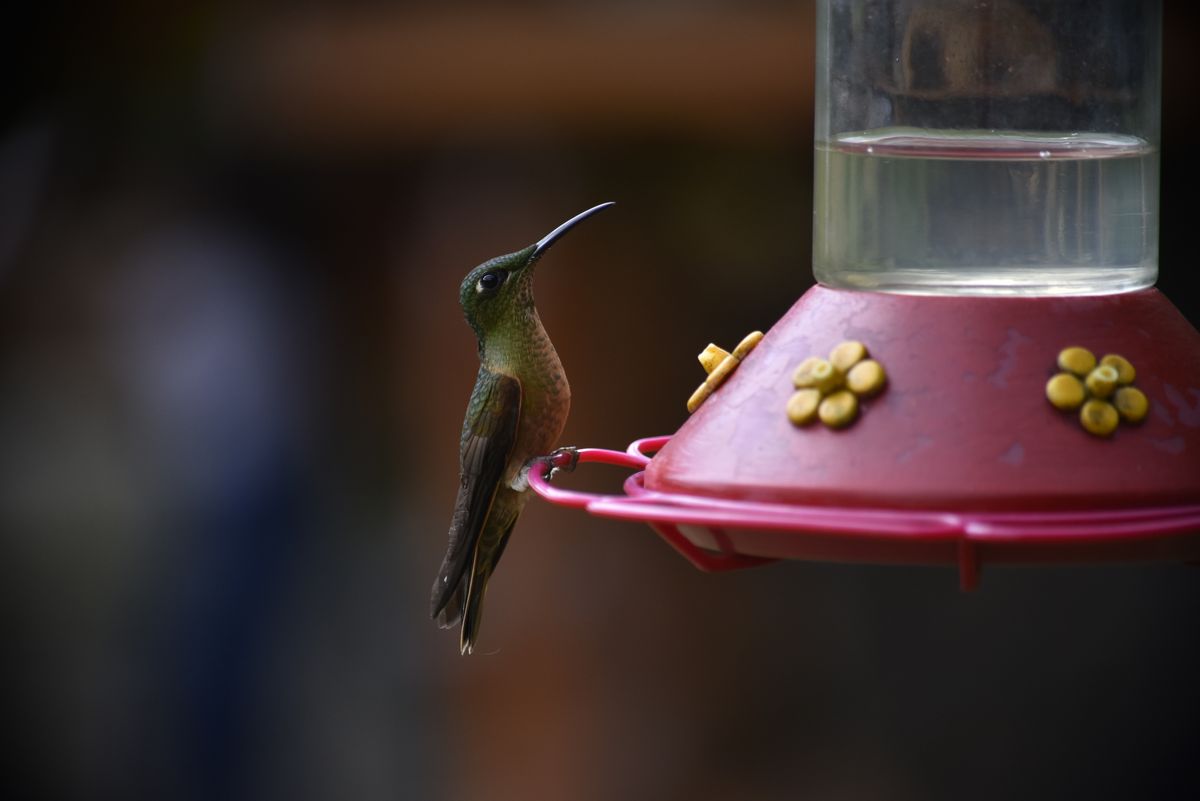
Photo by gabriel ramirez on Pexels
- Rule of 40°F: Never let liquid and glass temperatures differ by more than 40°F (22°C).
- Cool Nectar First: Allow boiled nectar to rest at room temp for at least 30 minutes before pouring.
- Acclimate Hot Glass: Bring sun-baked feeders indoors for 15 minutes before rinsing with water.
- Wrist-Test Wash Water: Always test rinse water against your inner wrist to ensure a mild 70°F–80°F range.
- Solar Cap Defense: Detach the solar housing cap before washing; wipe solar panels with a damp cloth only.
- Retire Fractured Glass: Discard glass immediately if micro-crazing or hairline fractures appear.
Glassmaker Insight: Understanding Annealed Art Glass Stress Points
Master glassblowers shape artisan feeders at temperatures exceeding 2,300°F before placing them into annealing ovens. Annealing allows the glass to cool slowly over many hours, relieving internal mechanical tension. However, hand-blown art glass naturally features subtle variations in wall thickness—the very hallmark of handcrafted beauty. These subtle thickness variations retain heat unequally. When hot liquid touches cold glass (or ice-cold tap water hits sun-warmed glass), the thinner areas contract or expand faster than the thicker zones. This differential rate of physical movement creates localized mechanical stress that forces hairline cracks open. Respecting thermal equilibrium ensures your hand-blown artwork endures for generations.
Visualizing Temperature Safe Zones & Acclimation Workflow
Review the thermal tolerance metrics and acclimation sequence below to visualize how temperature differentials impact hand-blown art glass.
Thermal Shock Failure Modes & Risk Analysis
| Garden Scenario | Thermal Shock Trigger | Structural Failure Mode | Prevention Protocol |
| --- | --- | --- | --- |
| Pouring fresh nectar straight from the boiling pot into room-temp glass | Liquid temperature is ~212°F while glass is ~70°F (ΔT = 142°F) | Immediate vertical splitting along internal structural stress lines | Allow syrup to cool on the counter for 30–45 minutes until reading under 75°F |
| Rinsing a 105°F direct-sun-baked glass feeder under 50°F cold tap water | Sun-warmed glass meets cold tap water (ΔT = 55°F) | Spider-web micro-cracks (crazing) across the outer glass reservoir | Let feeder rest on a dry kitchen towel indoors for 15 minutes before washing |
| Sudden summer thunderstorm drenching a glass feeder hanging in direct sun | Rapid ambient drop from 95°F sun bath to 60°F sudden rainwater | Hairline fracture originating near the threaded metal base seal | Hang feeders under porch eaves or partial tree canopies to buffer weather shifts |
| Washing a cold winter-stored feeder in hot tap water | Feeder glass at 40°F exposed to 120°F tap water (ΔT = 80°F) | Bottom base ring detachment due to differential thermal expansion | Warm the feeder gradually using lukewarm water before increasing wash temp |
Understanding how thermal stress manifests helps you catch potential failure points before your feeder experiences catastrophic failure.
Seasonal Thermal Protection Schedule
- Spring Awakening (March – May) — Inspect glass for winter storage micro-cracks. Check that nectar boiled for early arrivals is thoroughly cooled to 70°F before outdoor hanging.
- Summer Midday Peak (June – August) — Position feeders in partial shade to shield glass from 100°F solar buildup. Wash feeders during cooler morning hours using lukewarm rinse water.
- Autumn Migration (September – November) — Monitor overnight freeze forecasts. Bring hand-blown glass indoors before ambient temperatures dip below 32°F to prevent freezing nectar expansion.
- Winter Care & Storage (December – February) — Store glass reservoirs in climate-controlled indoor spaces. Clean using 70°F water and white vinegar; avoid sudden hot water sterilization.
The 30-Minute Safe Refill & Cooling Timeline
- 00:00 (Minute 0) — Boil 1 part white refined sugar with 4 parts pure water. Remove nectar from heat source immediately.
- 00:10 (Minute 10) — Bring outdoor glass feeder inside. Remove the solar top cap assembly and set it safely on a dry towel.
- 00:20 (Minute 20) — Test wash water temperature on your wrist (lukewarm, 70°F–80°F). Scrub glass body gently with a bottle brush.
- 00:30 (Minute 30) — Check nectar temperature with a kitchen thermometer. Once syrup matches room temperature (68°F–75°F), safely fill reservoir and rehang.
Key Takeaways for Hand-Blown Glass Safety
Photo by A. G. Rosales on Pexels
- Thermal shock occurs when temperature differences exceed 40°F (22°C) instantly.
- Hand-blown glass features organic wall thickness variations that require gentle temperature transitions.
- Always let boiled sugar syrup cool completely to room temperature before refilling.
- Acclimate sun-heated glass indoors for 15 minutes prior to washing under sink taps.
- Detach solar electronic caps before cleaning to prevent moisture seal degradation.
- Never attempt to thaw frozen feeder glass with warm or hot water.
Fatal Thermal Shock Blunders to Avoid
Steer clear of these common missteps that unknowingly expose hand-blown art glass to severe stress:
Related Maintenance & Feeder Care Guides
- How to Clean Hand-Blown Glass Hummingbird Feeders Without Fading Color or Damaging Solar Components
- Hand-Blown Solar Glass Hummingbird Feeders: FAQ & Holiday Gift Guide
- The Ultimate Hand-Blown Glass Hummingbird Feeder Buying Guide: Craftsmanship, Solar Power & Leak-Proof Design
Frequently Asked Questions About Glass Thermal Shock
What should I do if I notice a hairline crack in my hand-blown glass feeder?
Immediately retire the glass reservoir. Sugar water exerts internal fluid pressure, and thermal expansion during sunny days will cause hairline cracks to propagate into sudden structural failure, risking harm to feeding birds.
Can cold summer rains crack a hot glass feeder hanging in direct sun?
Raindrops typically cool glass gradually across its surface. However, intense, sudden downpours striking glass heated above 110°F in direct sun can create severe thermal stress. Hanging feeders in partial shade eliminates this risk.
How do I clean my feeder safely in winter without hot water?
Bring the feeder indoors and let it acclimate to room temperature for at least 15 minutes. Wash using lukewarm water (70°F–80°F) mixed with mild white vinegar. Avoid using hot tap water on cold glass.
Does solar LED lighting generate heat that affects glass thermal expansion?
No. Low-voltage solar RGB LEDs produce virtually zero operating heat. They do not contribute to thermal expansion or stress inside the hand-blown glass reservoir.
Answers to critical safety and care questions from glass feeder owners:
Handcrafted Solar Feeders Built for Garden Durability
Enhance your garden with artisan glass design engineered to withstand outdoor conditions:
Your Action Plan for Long-Lasting Artisan Glass
Your decision: Determine if your current cleaning and refilling routine exposes your hand-blown glass feeder to a temperature differential greater than 40°F.
Do this next: Adopt the 4-Step Glass Acclimation Protocol and allow boiled sugar nectar to cool to room temperature (68°F–75°F) for at least 30 minutes before refilling.
Related resource: Download the Printable Glass Care & Thermal Shock Quick Sheet to post near your kitchen sink.
Check out the LUJII Solar Hand-Blown Glass Hummingbird Feeder featuring high-temperature 2,300°F annealed artisan glass and a weather-sealed anti-rust metal base.
Take these simple steps today to protect your handcrafted feeder investment:
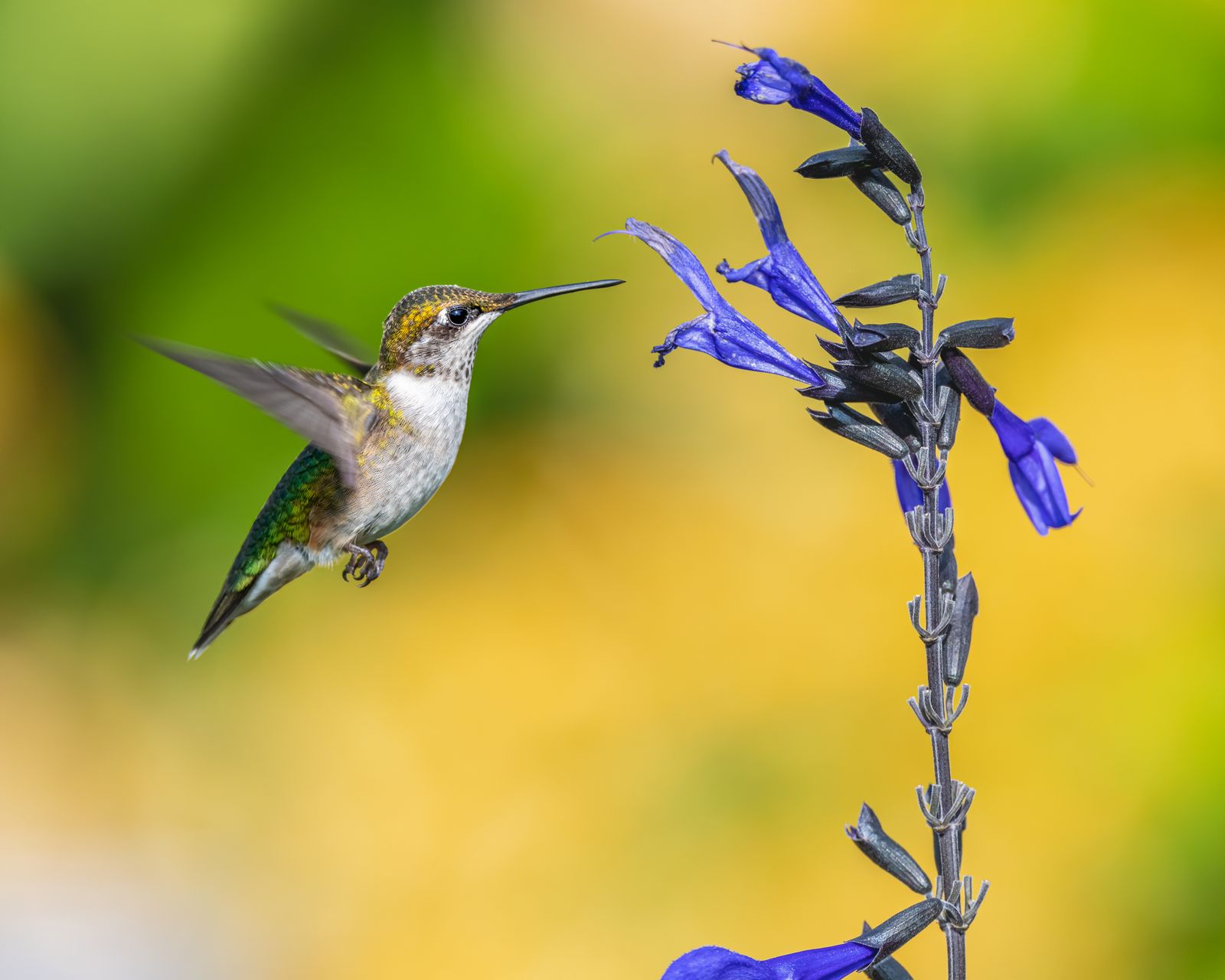
Cover photo by Skyler Ewing on Pexels.