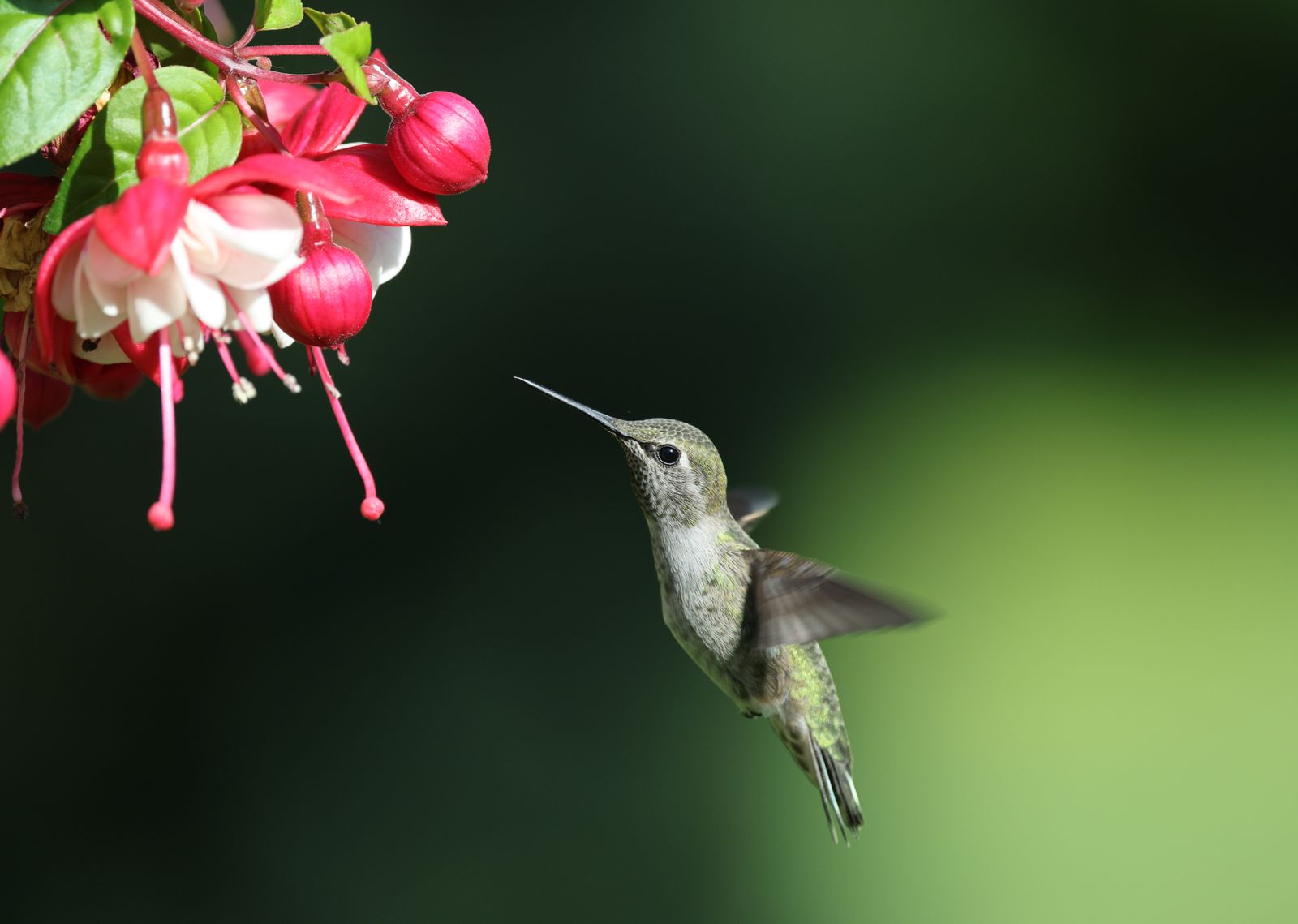
Late-Season Hummingbird Attraction: Using Bright Colors and Light as Flowers Fade
Keep your hummingbird feeders filled for 14 days after seeing your last visitor. As autumn flowers fade, replace lost garden contrast by deploying 32-ounce, hand-blown red and amber glass feeders with dusk solar lighting. This creates a high-visibility visual beacon detectable by southbound migrants from over 500 feet away.
4 Essential Rules for Late Summer & Autumn Hummingbird Care
Navigating late-season feeding requires understanding avian visual instincts and migration physiology. Focus on these 4 numerical benchmarks:
- 14-Day Post-Sighting Buffer: Never remove feeders early. Hummingbirds migrate based on photoperiod (daylight duration), not food availability. Leaving nectar up provides 100% vital caloric fuel.
- 500-Foot Sightline Contrast: As 80% of natural autumn blooms vanish, vibrant 2,300°F hand-blown glass and multi-color RGB solar dusk lights act as replacement visual beacons.
- 4:1 Nectar Hydration Baseline: Stick to 4 parts water to 1 part pure white refined sugar. Reserve a 3:1 ratio only during sudden late-fall freeze warnings.
- 32 fl. oz Spill Protection: Heavy glass reservoirs paired with anti-rust metal bases withstand autumn wind gusts up to 30 mph without leaking.
Autumn Migration Journey: August Through November Milestones
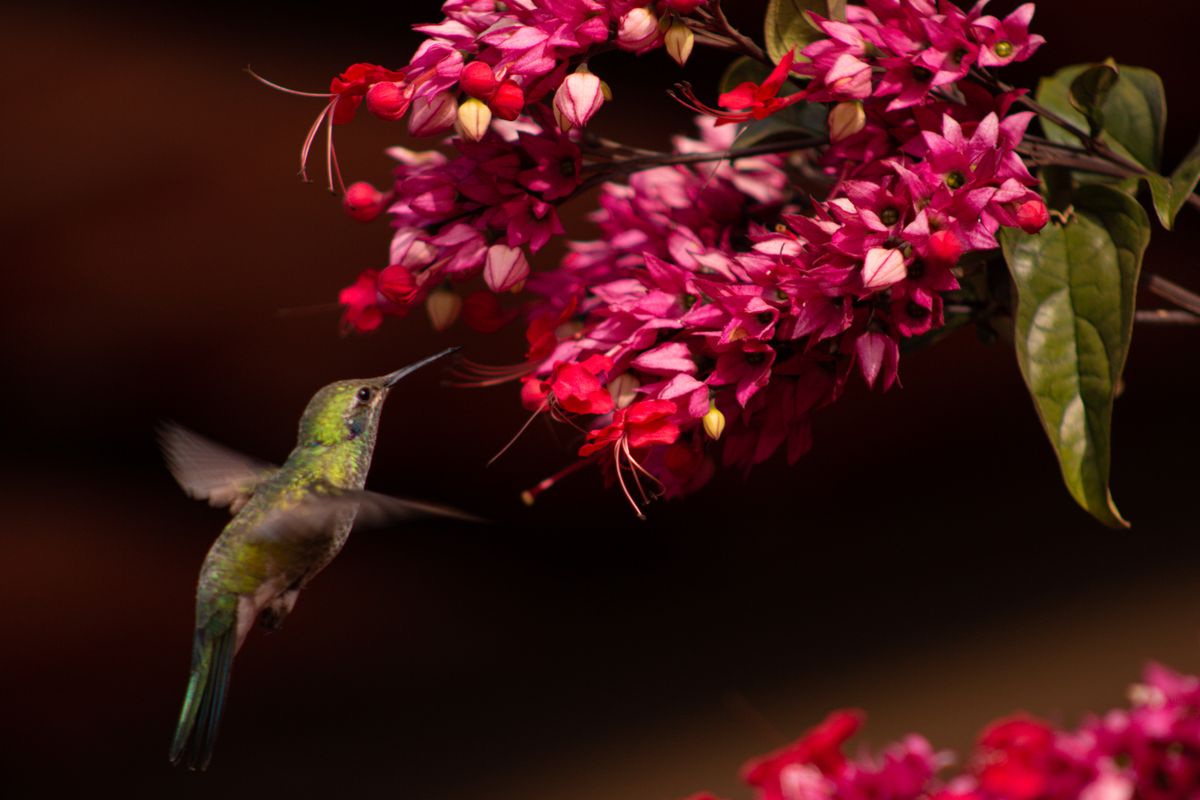
Photo by Lucas Pezeta on Pexels
- Early to Mid-August — Hyperphagia begins. Adult males start migrating south. Feeders experience 2x to 3x higher traffic; maintain fresh 4:1 nectar refills every 3 days.
- September (Peak Flyway Window) — Female and juvenile birds travel south. Natural flowers drop by 50%. Position hand-blown glass feeders in 360-degree open view.
- October (Late Migrants & Stragglers) — Frost reduces garden flowers by 85%. Ensure solar caps receive 6+ hours of daily sun to power 8-hour dusk RGB lights for twilight feeds.
- November (Final Takedown Window) — Count 14 consecutive days from your last bird sighting before storing or winterizing your feeder setup.
Late-Season Feeder Care & Cleaning Rhythm
- 80°F and Above (Late Summer) — Empty, rinse, and refill every 2 days. Inspect rubber seals for sun expansion.
- 70°F to 79°F (Early Fall) — Refresh nectar every 3 days. Clean base ports with a soft brush.
- 60°F to 69°F (Mid Autumn) — Refresh nectar every 4 to 5 days. Check solar cap glass lens for fallen leaves.
- Below 60°F (Late Autumn / Pre-Frost) — Refresh nectar every 6 to 7 days. Ensure anti-rust metal base is dry during freeze nights.
5 Late-Season Mistakes That Drive Migrating Hummingbirds Away
Avoid these 5 common errors to keep your autumn yard safe and inviting for southbound travelers:
Expert Field Tip: Harnessing Twilight Contrast with Dusk Solar Illumination
During October and November, daylight drops by up to 3 minutes per day. Hummingbirds actively feed during the 30 minutes before sunrise and 30 minutes after sunset to store fuel for cold night roosts.
Position your handcrafted glass feeder where its solar top receives 6 or more hours of direct daytime sunlight. The integrated solar LED cap lights up automatically at dusk for up to 8 hours. Because LED lights generate virtually zero heat, the light acts as a brilliant twilight beacon without warming or spoiling the 32 oz nectar reservoir.
Best Late-Season Setup: Hand-Blown Solar Glass Feeder
When natural petals wither, visual contrast is your #1 asset. The LUJII Solar-Powered Hummingbird Feeder combines handcrafted art glass with high-efficiency solar lighting to create an irresistible autumn feeding station.
- Hand-Blown Glass Art: Molded at 2,300°F by master artisans, every translucent glass reservoir features embedded deep red, gold, and turquoise swirls that never fade.
- Solar RGB Illumination: Solar caps charge by day to cast a soft multi-color light for 8 hours across your evening yard.
- Weatherproof & Anti-Rust: Built with an anti-rust coated metal base, sealed silicon gaskets, and a 32 fl. oz capacity to handle 30 mph autumn winds.
Regional Autumn Migration & Takedown Timeline
| US Flyway Region | Peak Autumn Migration Window | Recommended Feeder Takedown | Late-Season Garden Floral Status |
| --- | --- | --- | --- |
| Northern Tier / New England | August 15 – September 25 | Late October (14 days post-sighting) | 90% natural blooms faded by Oct 1 |
| Midwest / Central Flyway | September 1 – October 15 | Early November | 75% natural blooms faded by Oct 15 |
| Southern Tier / Gulf Coast | September 15 – November 15 | Overwintering / Year-Round | 50% natural blooms active through Nov |
| Pacific Northwest & West Coast | August 20 – October 10 | Maintain 1 feeder year-round (Anna's) | 80% natural blooms faded by Nov 1 |
Use this side-by-side regional guide to determine peak flyway weeks and safe feeder removal dates across the United States:
Top-Rated Solar Glass Feeders for Fall Yard Visibility
Upgrade your autumn garden with high-contrast, weather-resistant feeders designed specifically for late-season migration success.
Your Autumn Yard Action Plan
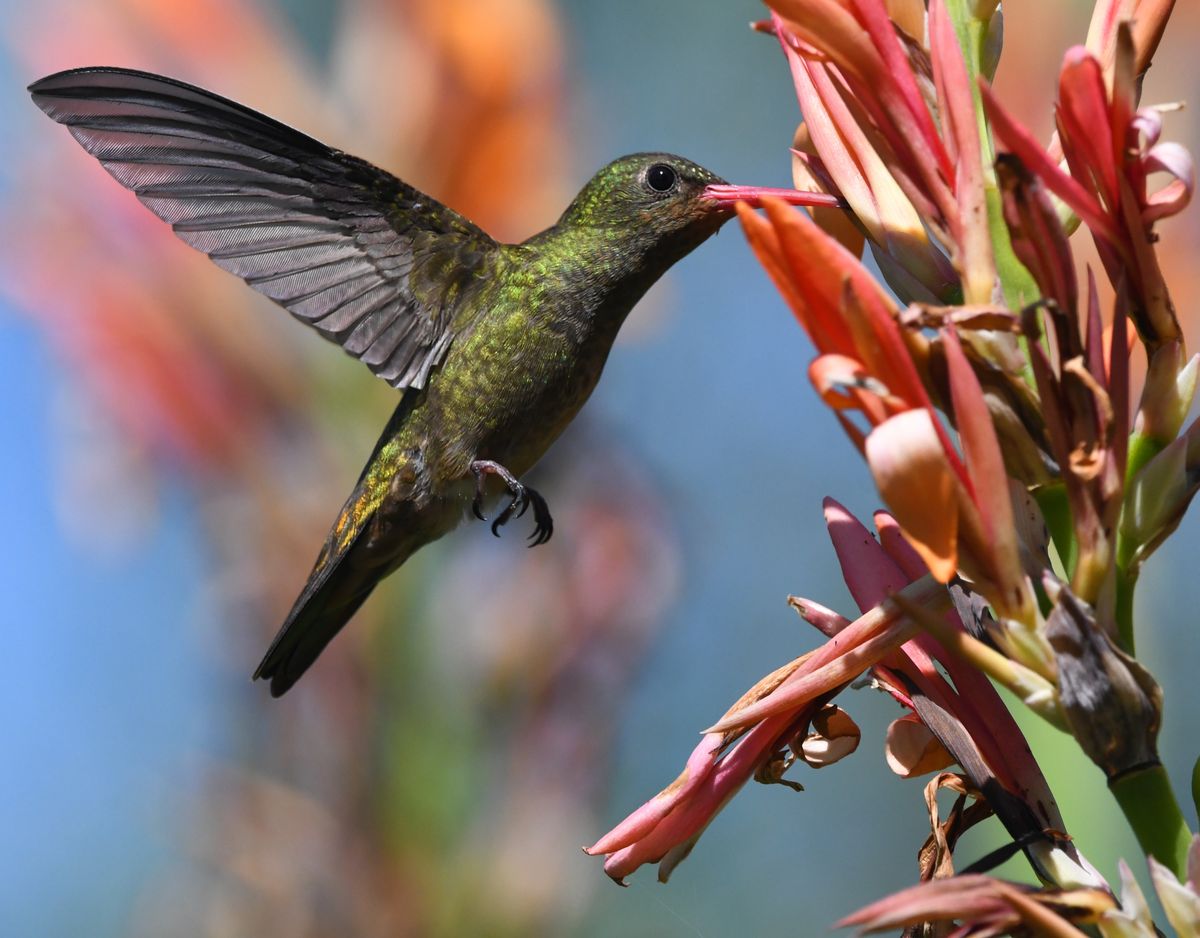
Photo by Pablo Asaroff on Pexels
Your decision: Transition your garden feeding setup to high-visibility glass and solar lighting before local floral blooms complete their autumn decline.
Do this next: Clean your feeder, inspect the solar lighting seal, fill with fresh 4:1 sugar-water nectar, and place in a prominent elevated location visible from main flyway perches.
- Read next: How Hummingbirds See Color: The Secret Science Behind Glass & Light Attraction
- Read next: Nighttime Garden Safety for Roosting Hummingbirds: Autumn Twilight Feeding Tips
LUJII Hand-Blown Solar Hummingbird Feeder (32 oz capacity with multi-color RGB solar illumination).
Transition your garden feeding setup to high-visibility glass and solar lighting before local floral blooms complete their autumn decline.
Regional Climate Adjustments: Northern vs. Southern Flyways
Autumn weather varies drastically across North America. Adjust your station based on your local microclimate:
Northern & Mountain Regions (USDA Zones 3–6)
- Frost Protocol: Bring your glass feeder indoors when overnight temperatures drop below 28°F to prevent nectar freezing and glass cracking. Bring it back out at 6:00 AM.
- Solar Exposure: As the sun dips lower in the southern sky, shift your feeder to an unshaded southern exposure to ensure the solar top captures 6 full hours of light.
Southern & Coastal Regions (USDA Zones 7–10)
- Extended Traffic: Southern backyards host migrants well into late November. Maintain a steady 4:1 nectar supply through Thanksgiving.
- Humidity & Insect Prevention: Warm autumn afternoons in the South invite late-season yellow jacket swarms. Keep the outer glass of your leak-proof metal base completely clean.
Fall Hummingbird Station Readiness Checklist
Complete these 7 steps to prepare your feeding station for late summer and autumn migrants:
Frequently Asked Questions About Fall Hummingbird Feeding
Clear answers to essential late-season feeding questions:
Explore Related Hummingbird Care Guides
Deepen your knowledge on late-season hummingbird care and garden decor with these recommended resources:
- How Hummingbirds See Color: The Secret Science Behind Glass & Light Attraction
- Nighttime Garden Safety for Roosting Hummingbirds: Autumn Twilight Feeding Tips
- How to Clean and Maintain Your Hand-Blown Solar Hummingbird Feeder
- Glass vs. Plastic Feeders: Why Hand-Blown Glass Outperforms Plastic in Autumn
Final Steps for Autumn Feeder Success
Your decision: Transition your garden feeding setup to high-visibility glass and solar lighting before local floral blooms complete their autumn decline.
Do this next: Clean your feeder, inspect the solar lighting seal, fill with fresh 4:1 sugar-water nectar, and place in a prominent elevated location visible from main flyway perches.
- Read next: How Hummingbirds See Color: The Secret Science Behind Glass & Light Attraction
- Read next: Nighttime Garden Safety for Roosting Hummingbirds: Autumn Twilight Feeding Tips
LUJII Hand-Blown Solar Hummingbird Feeder (32 oz capacity with multi-color RGB solar illumination).
Ensure your yard remains a safe haven for migrating hummingbirds as winter approaches.
Cover photo by Veronika Andrews on Pexels.