Summer Shade Tactics: How to Keep Nectar Cool and Solar Feeders Glowing in High Heat
Follow the 4-Hour Rule: position feeders to capture direct morning sun before 10:00 AM for 8-hour solar charging, then shift into deep canopy shade before peak afternoon heat. Change nectar every 48 hours above 85°F, and daily once temperatures surpass 93°F to prevent mold and wasps.
Essential High-Heat Nectar Rules at a Glance
- Target 3 to 4 hours of morning sunlight (between 6:00 AM and 10:00 AM) to fully charge top solar panels without heating midday nectar.
- Nectar ferments 3x faster above 85°F; ambient heat causes 1:4 sugar water to turn cloudy and grow toxic black mold within 36 to 48 hours.
- Hand-blown glass reservoirs act as thermal insulators—once heated past 90°F, heavy glass retains heat for up to 5 hours into the evening.
- Position feeders at least 4 feet away from heat-radiating brick, concrete, or dark wood siding to lower ambient microclimates by 8°F to 12°F.
- Keep nectar capacity restricted to 50% fill volume during peak July/August heatwaves to eliminate sugar water waste.
Daily Temperature vs. Nectar Fermentation Progression
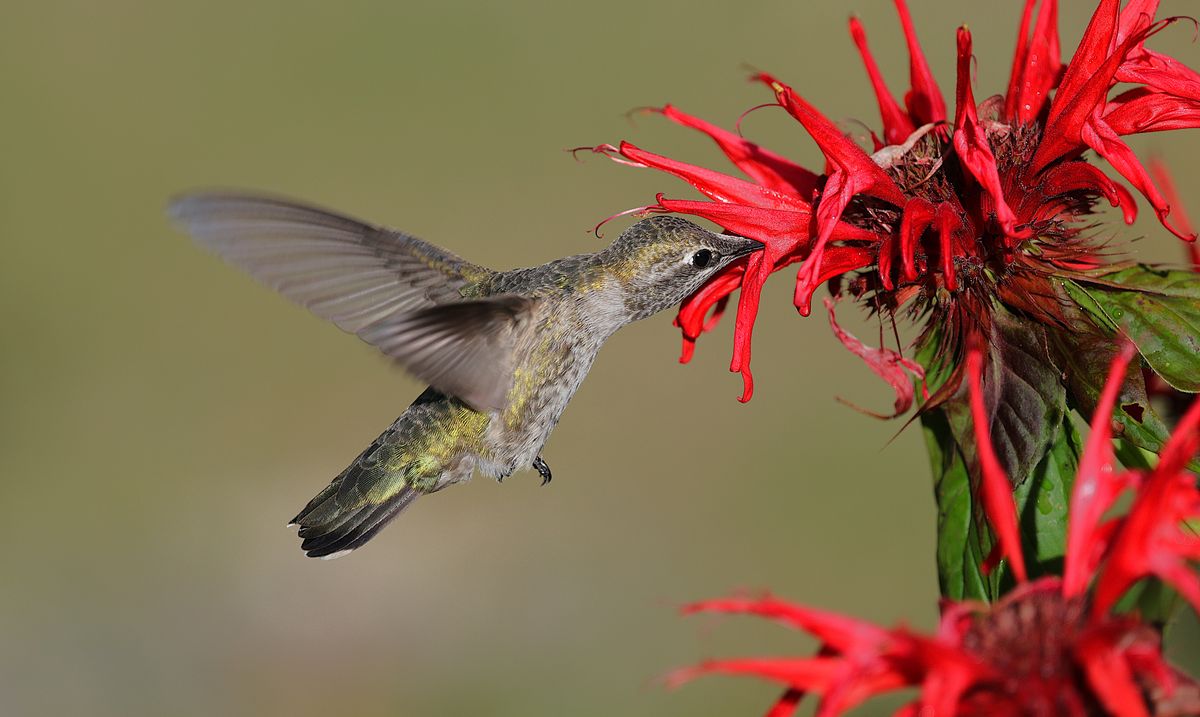
Photo by Veronika Andrews on Pexels
- 07:00 AM (72°F Ambient) — Solar panel begins absorbing direct morning sun rays. Nectar liquid temperature sits cool at 68°F. Hummingbirds feed heavily during early morning energy rush.
- 10:00 AM (82°F Ambient) — Feeder shifts into leaf-canopy shade. Solar battery reaches 80% charge capacity. Nectar liquid temperature reaches 75°F; zero fermentation risk.
- 01:00 PM (91°F Ambient) — Peak sun strikes foliage overhead, but tree canopy blocks direct UV. Nectar liquid temperature stays stable at 83°F. Bacterial growth remains dormant.
- 04:00 PM (96°F Ambient) — Peak heat index reached. Shade geometry prevents direct sun, but thermal air warming brings nectar liquid to 88°F. Fermentation clock begins (48-hour limit).
- 08:30 PM (80°F Ambient) — Dusk falls. Solar sensor activates, casting a vibrant 8-hour RGB glow through hand-blown glass patterns. Nectar cools naturally overnight.
High-Heat Nectar Refill & Cleaning Frequency Schedule
As ambient air temperatures rise, sugar-water breakdown accelerates exponentially. Use this temperature matrix to determine your exact maintenance cadence.
The Dappled Canvas Technique for Hand-Blown Glass Feeders
Handcrafted glass reservoirs are forged at 2,300°F, creating thick, stunning, durable walls. However, that high thermal mass acts like a double-edged sword in summer. If direct 2:00 PM sunlight strikes thick artistic glass, the glass absorbs heat and acts like a mini-oven, holding nectar above 90°F long after sunset.
To master solar power without cooking your nectar, hang your feeder under the outer eastern edge of a deciduous tree canopy (such as a maple, oak, or birch). This creates a 'dappled light canvas': the top solar panel captures intense morning sun rays between 6:30 AM and 9:30 AM, yet as the earth rotates past 11:00 AM, the dense leaf canopy overhead filters out 90% of harsh solar radiation. Your nighttime RGB illumination gets the 3 to 4 hours of charging it needs, while your hummingbird nectar stays up to 14°F cooler than ambient afternoon air.
Featured Summer Solution: LUJII Solar-Powered Hummingbird Feeder
Engineered to solve the summer heat dilemma, the LUJII Solar-Powered Hummingbird Feeder combines handcrafted beauty with practical thermal protection. Featuring a 32 fl.oz translucent hand-blown glass reservoir, it lets you monitor nectar levels at a glance without unscrewing the base.
- Protective Solar Cap: Shields top glass from direct overhead sun rays while gathering ambient energy for up to 8 hours of automatic RGB night lighting.
- Sealed Leak-Proof Base: Coated anti-rust metal base prevents drips, locking out yellowjackets and crawling ants attracted by heat-expanded liquid.
- Handcrafted Artistry: Each reservoir is individually blown at 2,300°F, offering unique decorative swirls that catch both daytime sunlight and evening LED glows.
5 Summer Placement Errors That Cause Spoiled Nectar and Stinging Insects
Microclimate Positioning Map: Solar vs. Shade Angles
Visualizing your garden's sun path ensures top-mounted solar panels capture light without exposing nectar to scorching afternoon UV rays.
Summer Sun-Angle & Heatwave Adjustment Calendar
| Month | Sun Path Characteristic | Shade Positioning Adjustment | Nectar Ratio & Solar Target |
| --- | --- | --- | --- |
| June | Highest solar apex; intense vertical 12:00 PM sun | Hang high under thick leaf crown to block vertical UV rays | Standard 4:1 ratio; 3 hours morning solar exposure yields 8-hr RGB glow |
| July | Peak heat index; lingering 4:00 PM ambient warmth | Shift feeder 2 feet east; ensure total shade coverage past 11:30 AM | Strict 4:1 ratio (never adjust sugar ratio); refresh nectar every 36-48 hours |
| August | Lowering afternoon sun angles penetrate under tree skirts | Lower feeder height slightly or add a tree canopy foliage drape | Inspect glass grooves for mold bloom; top solar cap charges rapidly |
| September | Migratory rush begins; cooler mornings, warm late afternoons | Move closer to open garden spaces to catch high-traffic bird flight paths | Keep 32 oz reservoir 75% full for hungry migrants; enjoy extended RGB nights |
As summer progresses, the sun's trajectory lowers across the horizon. Use this monthly breakdown to adjust feeder height and foliage positioning.
Featured Hand-Blown Solar Feeders Built for Heat
Upgrade your garden sanctuary with handcrafted glass solar feeders built to resist summer elements while providing easy maintenance access.
Regional Heat Tactics: Arid Southwest vs. Humid Southeast
Summer weather isn't uniform across the United States. Depending on your geographic region, microclimates present distinct challenges for solar charging and nectar preservation:
Arid Southwest (Arizona, Nevada, Inland California)
- The Challenge: Extreme daytime highs (100°F - 115°F) paired with low humidity cause rapid nectar evaporation and instant sugar crystallization around feeding ports.
- The Tactical Fix: Hang feeders exclusively on living tree branches over irrigated grass or lush groundcover. Avoid stucco walls or wooden fences completely. Refill every 24 hours with cool solution. Solar caps charge fully in under 2.5 hours of indirect desert skylight.
Humid Southeast (Florida, Georgia, Gulf Coast)
- The Challenge: High ambient moisture (80%+ RH) speeds up airborne fungal mold growth (Cladosporium) inside translucent glass reservoirs, even when shaded.
- The Tactical Fix: Prioritize locations with strong airflow and breezes to cool glass walls. Perform a quick 1-minute warm vinegar rinse during every 48-hour refill cycle to prevent spores from locking into handcrafted glass curves.
Pacific Northwest & Midwest
- The Challenge: Frequent midday summer cloud cover mixed with sporadic 90°F heatwaves.
- The Tactical Fix: Ensure solar caps have unfiltered access to open eastern sky. Early morning clarity charges the internal battery even on overcast summer afternoons.
The 100°F Heatwave Feeder Audit
- [ ] Is the feeder shaded from direct sunlight between 11:00 AM and 5:00 PM?
- [ ] Is the feeder hanging at least 4 feet away from heat-radiating walls, concrete, or brick?
- [ ] Did the top solar panel receive at least 3-4 hours of early morning sun?
- [ ] Is the nectar completely clear with zero cloudiness, black spots, or stringy white mold?
- [ ] Is the ant moat filled with fresh water or protected by a sealed ant barrier?
Frequently Asked Questions About Summer Nectar & Solar Chargers
Explore Related Summer Pest & Weather Guides
Expand your backyard hummingbird knowledge with these essential care techniques:
- How to Clean and Maintain Your Hand-Blown Solar Hummingbird Feeder: Master deep cleaning techniques that protect intricate glass swirls without damaging solar electronics.
- How to Hang Your Solar Hummingbird Feeder to Block Ants and Crawling Insects: Learn physical isolation techniques to keep crawling pests away from sugary feeding ports.
- Hot Weather Nectar Ratios: Why altering sugar concentration in summer harms bird hydration levels.
Your Summer Nectar Action Plan
Your decision: Determine if your current feeder location provides morning sun for solar charging and total afternoon shade from 11 AM to 6 PM.
Do this next: Move your feeder to an east-facing garden branch over natural mulch or groundcover, and adjust your refill schedule to every 48 hours during 85°F+ heatwaves.
Related resource: Download our printable Summer Heatwave Nectar Maintenance Card.Upgrade to a handcrafted LUJII Solar-Powered Hummingbird Feeder featuring a 32 fl.oz translucent glass reservoir, anti-rust metal base, and waterproof solar top cap.