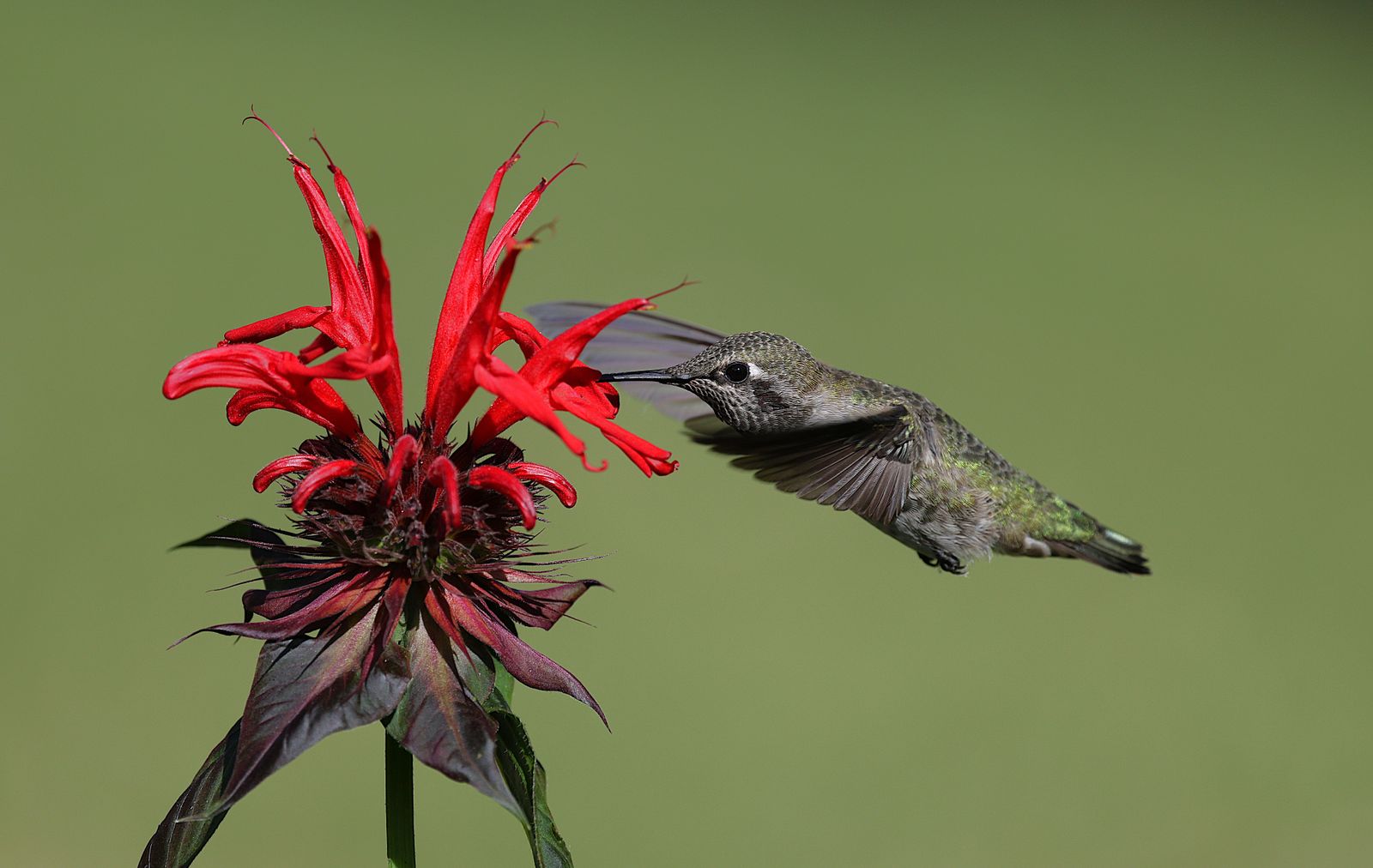
Unique Christmas Gifts for Gardeners: Brighten Winter Nights with Hand-Blown Glass Art
The Rule of 2-in-1 Gifting dictates that 100% of bird watchers appreciate holiday presents that offer immediate visual delight. A hand-blown glass solar hummingbird feeder operates as a glowing 8-hour RGB garden light during dark winter evenings, then seamlessly transitions into an active 32 fl. oz nectar feeder when migratory birds return in early spring.
At a Glance: Why Solar Hummingbird Feeders Win the Holidays
- Year-Round Dual Value: Delivers 8 hours of magical RGB LED dusk-to-dawn ambient lighting in winter, then serves as a high-capacity 32 fl. oz nectar station come spring.
- Artisan Craftsmanship: Each glass reservoir is individually handcrafted by glass artisans shaping curves at 2,300°F, creating a 100% unique, translucent heirloom gift.
- All-Weather Resilience: Features an anti-rust coated metal base, sealed leak-proof gaskets, and a protective solar cap built to withstand rain, wind, and winter snow.
- Effortless Operation: Photovoltaic solar cells auto-charge during 6–8 daylight hours, automatically turning on colorful light patterns as dusk falls without requiring outdoor wiring.
Winter-to-Spring Transition Lifecycle for Solar Feeders
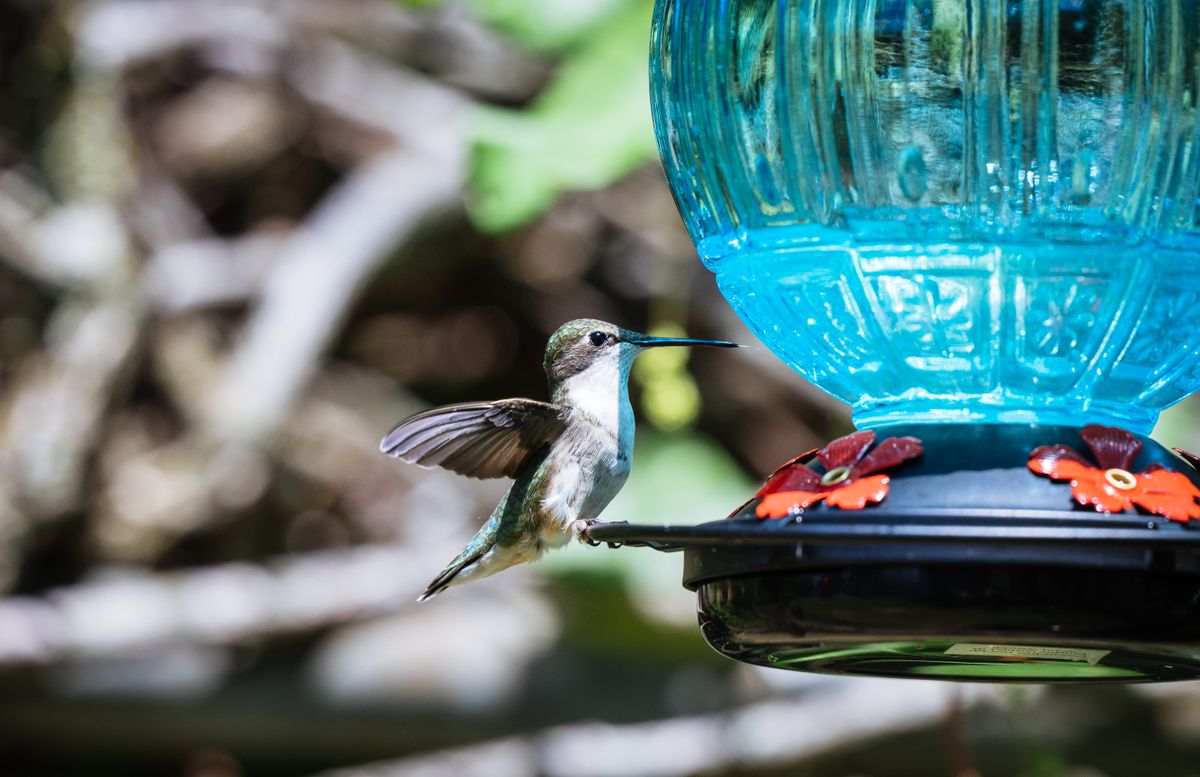
- December (Holiday Unboxing) — Unpack the hand-blown glass feeder, inspect the 2,300°F handcrafted swirls, and switch the solar battery cap to 'ON'.
- December–January (Winter Solstice Setup) — Hang the dry feeder in a sunny south-facing garden spot to harvest 6–8 hours of sunlight for 8 hours of nighttime RGB ambient lighting.
- February (Mid-Winter Aesthetic Care) — Wipe snow or dust off the solar panel cap with a micro-fiber cloth to maintain peak solar cell energy conversion.
- March (Pre-Migration Prep) — Rinse the reservoir with warm water, check seal gaskets, and mix a fresh 4:1 water-to-sugar nectar batch.
- Late March–April (Spring Bird Arrival) — Fill the 32 oz translucent glass vessel and watch hummingbirds feast while enjoying the automatic night illumination.
Winter Solar Feeder Care & Maintenance Schedule
- Monthly (Winter Months) — Clear frost, snow, or fallen leaves from the top plastic solar cap to ensure unobstructed photovoltaic absorption.
- Bi-Weekly (Spring & Summer Feeding) — Wash the glass reservoir and metal base with warm water and soft brush; replace nectar every 3–4 days during high heat.
- Quarterly (Battery & Seal Check) — Inspect the rubber leak-proof base gasket and verify the rechargeable solar battery housing remains dry and tight.
Pro Tip: Positioning Solar Glass for Maximum Winter Twilight Illumination
To achieve a full 8 hours of RGB lighting during short winter days, hang your solar feeder where it catches south-facing sunlight between 10:00 AM and 2:00 PM. Keep the reservoir dry without liquid nectar during sub-freezing spells. Dry glass safely withstands freezing outdoor air, transforming the feeder into a glowing stained-glass snow sculpture.
Evaluating Hand-Blown Glass Solar Feeders as Holiday Gifts
Pros
- Unique 2,300°F hand-blown glass construction guarantees no two feeders are identical.
- 8-hour auto-illuminating RGB lighting adds year-round color to dark, dormant winter yards.
- Generous 32 fl. oz leak-proof nectar capacity minimizes refilling chores in spring.
- Weather-resistant anti-rust metal base and protective solar cap ensure multi-season outdoor durability.
- Liquid nectar must be drained during extreme sub-zero freezes to prevent ice expansion.
- Requires 6–8 hours of indirect or direct solar exposure for maximum nightly glow runtime.
Winter Garden Display vs. Spring Feeding Usage Matrix
| Usage Parameter | Winter Display Mode (Dec – Feb) | Spring Feeding Mode (Mar – Aug) |
| --- | --- | --- |
| Primary Functional Role | Illuminated RGB Solar Garden Sculpture | Active 32 oz Nectar Station & Night Light |
| Nectar Requirement | 0 oz (Keep Dry to Prevent Freezing) | 32 fl. oz (4:1 Water/Sugar Mixture) |
| Solar Light Runtime | 6 to 8 Hours Auto-Illumination | 8+ Hours Continuous Night Glow |
| Visual Impact | Casts Color Swirls across Snow & Dormant Yards | Attracts Territorial Migratory Hummingbirds |
| Maintenance Frequency | Monthly Solar Panel Snow Wipe | Bi-Weekly Cleaning & Nectar Refill |
Compare how an artisan solar feeder adapts across seasons to deliver year-round outdoor value.
Featured Holiday Selection: LUJII Hand-Blown RGB Solar Feeder
If you are searching for a holiday gift that combines hand-blown art with practical bird watching, the LUJII Solar-Powered Hummingbird Feeder is the standout choice. Each glass reservoir is individually blown at 2,300°F, creating vibrant translucent patterns that shine brightly under daytime sun and glow with morphing RGB light modes at dusk. Featuring a 32 fl. oz leak-proof capacity, anti-rust metal base, and a weatherproof solar top cap, it delivers immediate holiday joy and years of spring backyard bird visits.
Ready to delight the gardener or bird enthusiast on your list? Brighten a bird lover's winter garden tonight! Explore the handcrafted LUJII Hand-Blown Glass Solar Hummingbird Feeder and gift a piece of glowing art that blooms with birds come spring.
Gift Buyer's Decision Framework
Hand-blown solar glass hummingbird feeders are ideal 2-in-1 holiday gifts, offering immediate 8-hour night art during winter and a leak-proof 32 oz nectar station in spring.
Best choice for
- LUJII Hand-Blown Glass Solar Feeder — Provides 8 hours of vibrant RGB color reflections on winter snow while garden flowers are dormant.
- 32 oz Leak-Proof Sealed Base Feeder — Combines high capacity with anti-rust metal perch rings to accommodate multiple hungry spring migrants.
- The recipient lives in a shaded apartment courtyard with 0 hours of daily outdoor solar exposure.
- Indoor LED Stained Glass Window Suncatchers — Best for high-rise apartment dwellers who lack balconies or outdoor yard space.
Seasonal Placement & Usage Calendar for US Climate Zones
| US Geographic Zone | Winter Solstice Use (Dec – Feb) | Spring Migration Setup (Mar – May) | Summer Peak Feeding (Jun – Aug) |
| --- | --- | --- | --- |
| Northern US (USDA Zones 3–5) | Display DRY as glowing solar garden art | Hang with fresh nectar by mid-April | Clean bi-weekly; position in partial shade |
| Central / Mid-Atlantic (USDA Zones 6–7) | Display DRY or fill during warm spells | Hang with fresh nectar by late March | Refill 32 oz reservoir every 3–4 days |
| Southern Sunbelt (USDA Zones 8–10) | Year-round nectar feeding & night lighting | Peak migration surge in early March | Shade solar glass during 95°F+ heat |
Refer to this regional calendar to guide your gift recipient on when to display their solar feeder for illuminated winter art versus filling it for migratory spring feeding.
Top-Rated Solar Glass Feeder Styles for Holiday Gifting
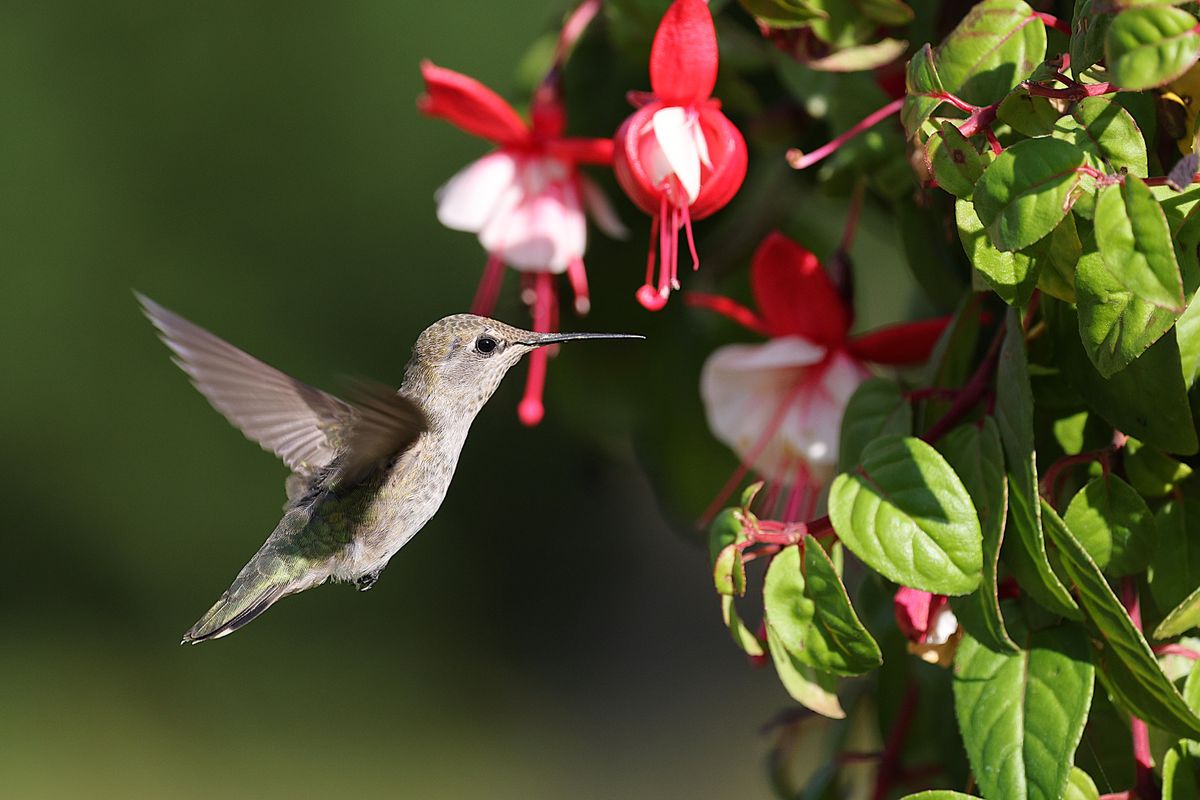
Photo by Veronika Andrews on Pexels
Selecting the right aesthetic pattern ensures your gift complements the recipient's personal garden decor style.
Sub-Zero Freezing Weather & Battery Performance Guidelines
Gift recipients often ask if glass solar feeders can survive freezing winter conditions. Photovoltaic solar cells convert daylight efficiently regardless of ambient cold; in fact, cold temperatures can slightly enhance solar circuit efficiency.
However, physics dictates that water expands by approximately 9% when freezing. To protect the handcrafted 2,300°F blown glass reservoir, advise your recipient to keep the vessel clean and dry during sub-zero cold waves. Displayed dry, the glass and internal LED circuitry safely handle freezing winter conditions, casting 8 hours of RGB twilight reflections across snow-dusted arbors.
Holiday Unboxing & Winter Display Checklist
- [ ] Unpack the hand-blown glass reservoir and admire the unique 2,300°F artisan swirls.
- [ ] Ensure the power switch under the protective plastic solar cap is toggled to 'ON'.
- [ ] Place solar cap in direct sunlight for 6–8 hours prior to initial nighttime display.
- [ ] Hang in a sunny garden branch or shepherd's hook free from heavy roof snow overhangs.
- [ ] Verify automatic RGB illumination lights up at dusk for up to 8 hours of ambient glow.
- [ ] Store the base dry until early spring migration, then fill with 32 oz of fresh nectar.
Frequently Asked Questions About Gifting Solar Glass Feeders
Can hand-blown glass solar feeders stay outside in freezing winter weather?
Yes! While handcrafted glass easily withstands typical winter cold air, it should be kept dry without liquid nectar during sub-freezing weather. Drained of fluid, liquid expansion cannot occur, allowing the feeder to serve safely as glowing night garden art all winter long.
How does the solar battery charge during short, overcast winter days?
Modern solar photovoltaic caps harvest indirect UV daylight even on cloudy winter days. When hung in an unobstructed south-facing location receiving 6–8 daylight hours, the battery recharges sufficiently to yield up to 6–8 hours of multi-color RGB night illumination.
What is the best way to gift-wrap a delicate hand-blown glass feeder?
Keep the feeder safely nestled inside its fitted protective foam box for transit. Wrap the box in holiday paper and attach a custom note explaining its dual function: 'A glowing solar garden light for winter nights, and a 32 oz hummingbird feeder when spring arrives!'
When should nectar be added if hummingbirds return in early spring?
Check local migration tracking maps (typically late March to early April across central US climate zones). Fill the 32 oz leak-proof glass reservoir 1 to 2 weeks prior to expected regional arrival so early migrating scout birds find immediate food.
Here are answers to the most common questions shoppers ask when purchasing solar glass garden art during the holiday season.
Your Holiday Gifting Action Plan
Your decision: Choose a hand-blown glass solar feeder as a dual-purpose winter garden light and spring bird feeder.
Do this next: Order early for holiday shipping, unbox to pre-charge the solar cap for 6 hours, and bundle with a custom winter care note.
Related resource: Downloadable Printable Winter Glass Care & Unboxing Card
LUJII Solar-Powered Hand-Blown Glass Hummingbird Feeder (32 oz, RGB Lighting)
Follow these quick recommendations to order, prepare, and present the ultimate garden holiday gift with complete confidence.
Explore More Seasonal Birding & Garden Decor Guides
Internal link hub.
Cover photo by Veronika Andrews on Pexels.